


Antique Timber Counter
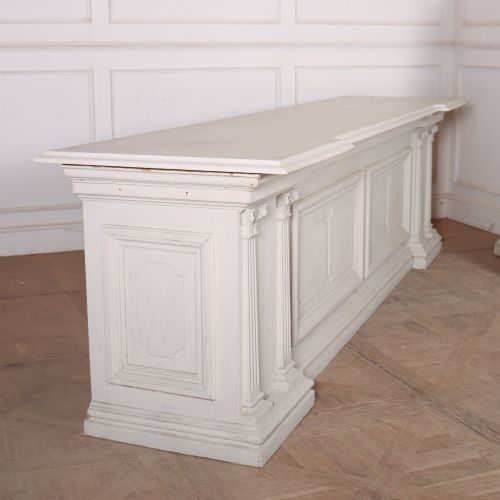
An antique timber counter brings genuine commercial history into a room, offering robust construction and authentic period character.
Antique Timber Counter
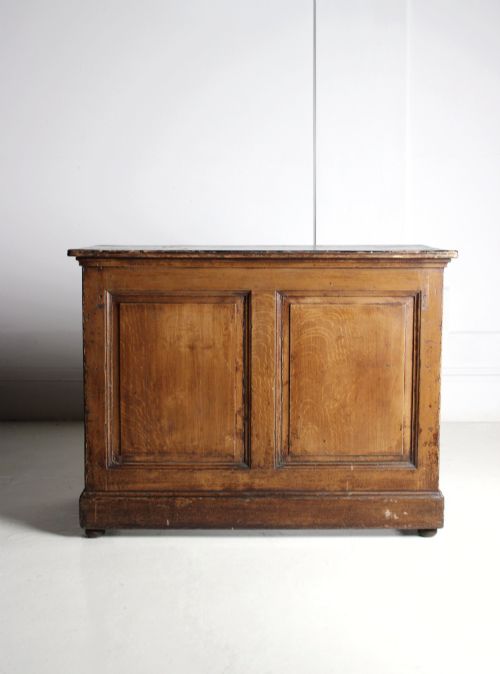
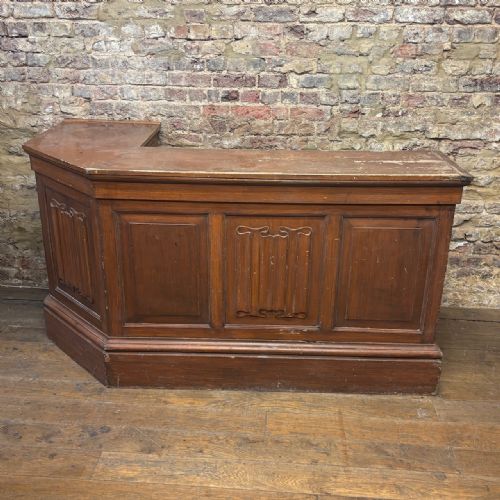
When you search for an antique timber counter, you are looking at substantial commercial furniture built to serve shops, pubs, and businesses during the nineteenth and early twentieth centuries. These pieces encompass large shop counters, drapers tables, and banks of drawers designed for daily trade.
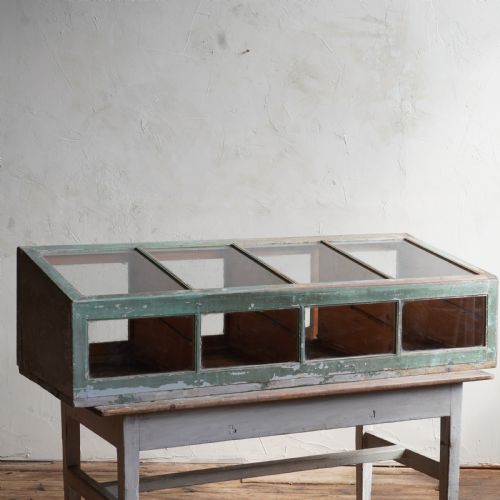
The most likely versions to meet on this page originate from the Victorian and Edwardian eras, constructed in practical timbers like oak, mahogany, and pine. Many retain functional elements such as panelled fronts, display sections, and banks of utility drawers intended for organising merchandise.
Materials and construction
These counters and related shop fittings rely on dense hardwoods like oak and mahogany alongside utilitarian softwoods such as pine, selected for their ability to withstand heavy daily use. Joinery is straightforward and strong, often featuring visible dovetailing on drawers and solid panel construction on the main bodies.
Surfaces frequently show the honest wear of decades of retail or trade work, sometimes enhanced by original paint finishes or distressed patinas. Additional functional hardware in brass and glass appears on display cases and fitted compartments integrated into the overall timber structure.
Among the utility furniture, an unexpected tobacco advertising figure stands ready to remind buyers of old shop floor habits.
Evaluating quality and proportion
The distinction between standard utility pieces and finer examples lies in the selection of timber and the ambition of the original design. Counters built with figured mahogany or substantial panelled oak sit at the upper end of the scale compared to simpler pine alternatives.
Trussant & Cie
The Antique Timber Counter Glossary
- Bank of drawers
- A modular set of multiple drawers built into a single housing, commonly utilised in drapers shops and general stores for stock organisation.
- Drapers table
- A long, wide table historically used in fabric and textile shops for measuring and displaying cloth.
- Shop fitting
- Custom furniture and architectural elements built specifically for the interior layout of a commercial retail space.
- Patina
- The surface sheen and colour depth developed on timber over decades of handling, cleaning, and exposure to light.
Antique Timber Counter: Frequently Asked Questions
How were these counters used originally?
These counters served as the primary work surface in shops, pubs, and drapery businesses where merchants transacted with customers and displayed goods.
They were built for heavy daily interaction, often incorporating storage compartments, display cases, or drawer banks to keep stock organised beneath the main counter top.
How do I fit an antique counter into a modern room?
An antique timber counter works well as a kitchen island, a sideboard in a dining room, or a functional desk in a larger study.
Their substantial depth and height provide useful surface space while introducing strong historical character and generous storage capacity to contemporary interiors.
How do I tell Victorian counters from Edwardian examples?
Victorian counters generally display heavier proportions, darker mahogany or oak tones, and formal panel detailing suited to nineteenth-century retail.
Edwardian pieces often show slightly lighter timber selections, simpler lines, and practical adaptations for early twentieth-century shop displays.
What maintenance do timber counters require?
Regular dusting with a dry or slightly damp cloth preserves the finish without stripping the historical surface patination accumulated over generations.
Applying a traditional beeswax occasionally helps nourish older hardwoods and protects the timber from drying out in centrally heated rooms.