





Antique Commercial Desk
These antique commercial desks provide practical workspace with distinct period character, offering durable materials and functional layouts for modern interiors.
Antique Commercial Desk
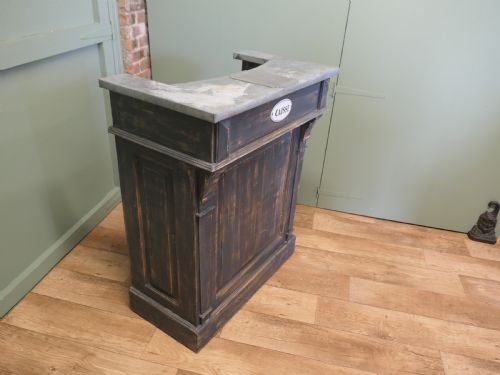
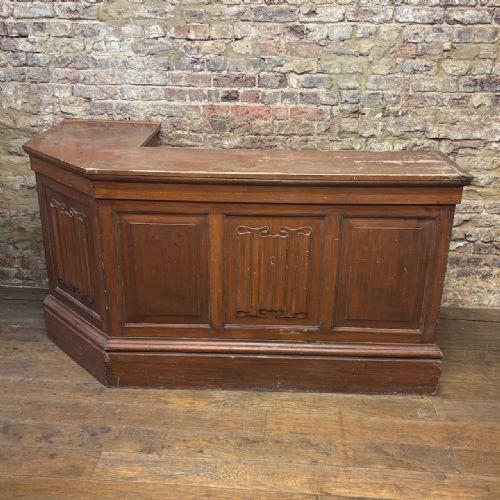
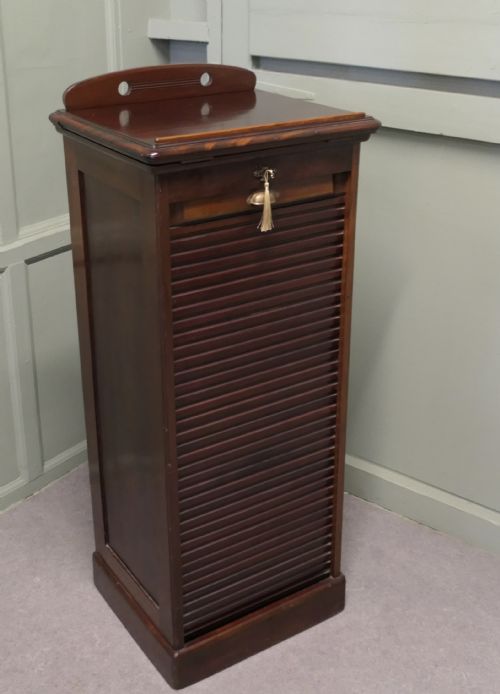
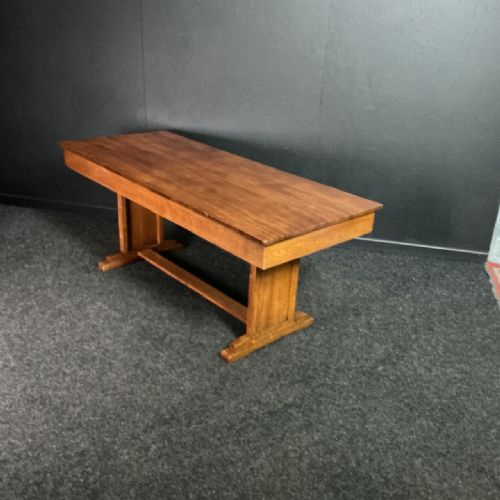
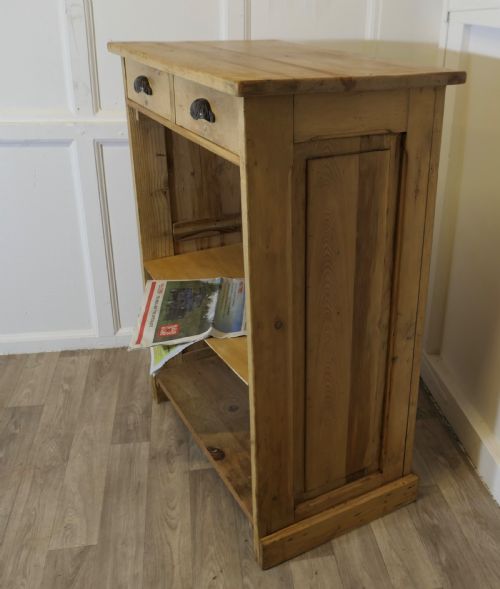
When searching for an antique commercial desk, buyers encounter functional furniture originally built for shops, offices, and institutions. These items serve various roles, including shop counters, sorting tables, wages desks, and reception stations.
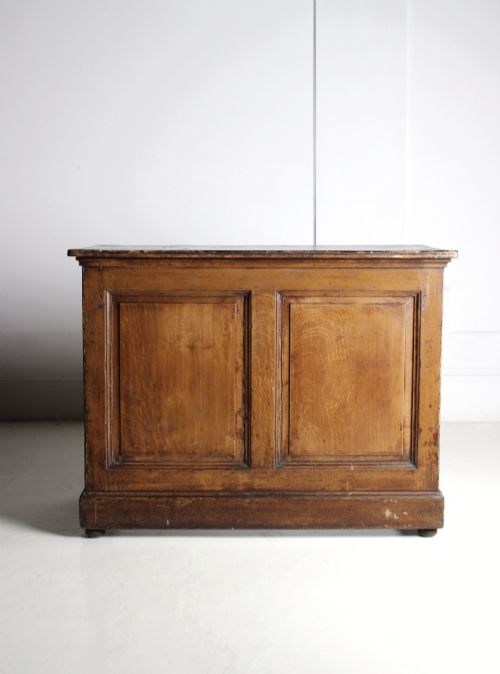
The pieces listed on this page span the nineteenth and early twentieth centuries, encompassing Victorian, Edwardian, and interwar periods. Oak and pine predominate, often featuring fitted drawers, leather surfaces, or panelled construction designed for daily use.
Materials and construction methods
Makers utilised sturdy hardwoods and softwoods such as oak, mahogany, and pine to withstand heavy commercial demands. Joinery typically prioritises structural durability, employing panelled sides and robust framing to support daily tasks.
Antique Commercial Desk Retail Price Guide 2026
Typical asking prices for commercial desk among the pieces listed under this phrase on Sellingantiques today, from the lower quarter to the upper quarter. They describe what is for sale here now, not the wider market.
Judging the quality of commercial furniture
Quality in these working pieces rests upon the integrity of the original timber and the cleverness of the interior arrangement. Desks retaining original brass fittings and untouched leather inserts show greater integrity than those altered over time.
The distinction between standard utility items and finer examples lies in the depth of carving, timber selection, and panel detailing. Superior pieces display thoughtful proportions and robust joinery that survive decades of active service.
The Antique Commercial Desk Glossary
- Shop counter
- A large retail fixture designed for serving customers and displaying goods, often fitted with drawers or shelving at the back. These structures formed the centrepiece of nineteenth-century mercantile premises.
- Sorting table
- A wide, flat-topped table utilised in post offices and businesses for sorting mail or documents. They typically feature sturdy legs and generous surface areas.
- Wages desk
- A secure workspace used for preparing and distributing payroll funds in commercial establishments. Such desks frequently incorporate enclosed compartments and leather-lined writing surfaces.
- Panelled oak
- Timber construction featuring recessed wooden panels fitted within a structural frame. This technique prevents warping while adding decorative depth to large surfaces.
Antique Commercial Desk: Frequently Asked Questions
How were commercial desks used?
These desks served practical functions in shops, offices, and institutions where daily business operations took place. Workers used them for writing, sorting mail, handling transactions, and managing administrative tasks.
Many designs incorporated specific compartments, drawers, or counter heights tailored to the exact demands of trade and commerce.
Where do these desks fit at home?
An antique commercial desk works well as a substantial writing table in a home study or library. Their generous proportions also suit kitchens as large preparation surfaces or islands.
Placing one in a hallway creates a striking reception area for greeting visitors and storing everyday items.
How can I identify the period?
Dating relies on observing timber types, construction techniques, and hardware styles associated with nineteenth and early twentieth-century manufacturing. Victorian pieces often feature heavy mahogany or oak with traditional joinery.
Later pieces from the 1920s and 1930s show simpler interwar commercial lines and functional utilitarian detailing.
Are pine desks durable?
Pine serves as a strong softwood frequently used for utilitarian tables and counters built to endure active commercial use. Historic pine items have survived decades of hard wear because they were constructed for demanding environments.
Maintenance involves treating the wood appropriately and appreciating the natural marks acquired through years of service.