

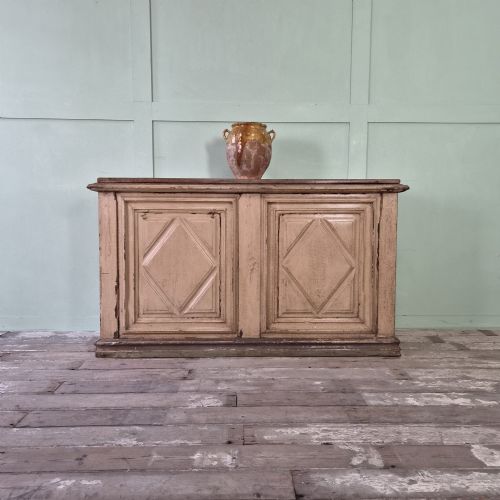
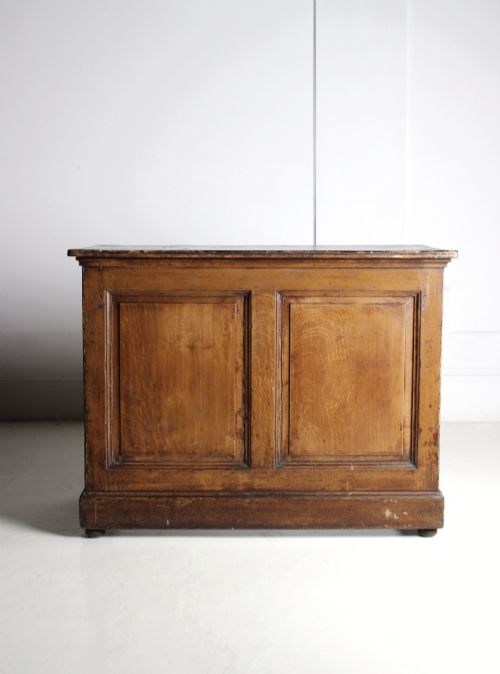
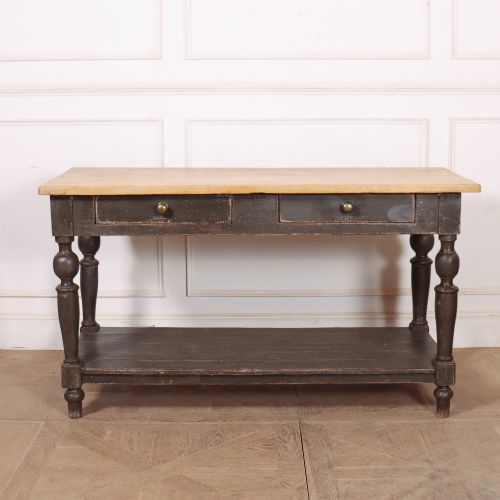
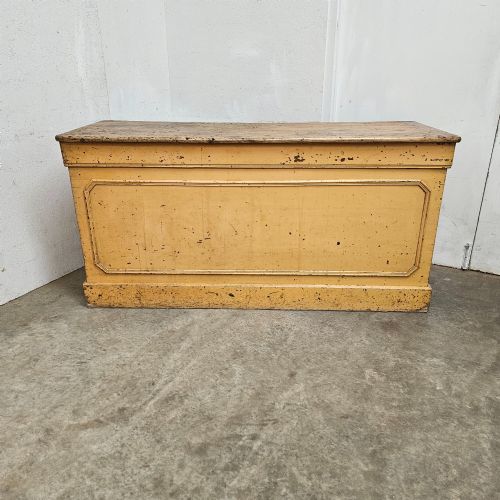


Painted Pine Shop Counter
These painted pine shop counter pieces are utilitarian fixtures of nineteenth-century commerce, prized today for bringing robust character and generous storage into domestic interiors.
Painted Pine Shop Counter
A painted pine shop counter serves as a substantial utilitarian fixture originating from nineteenth-century commercial spaces, designed to withstand heavy daily use. Buyers searching for a painted pine shop counter will encounter robust furniture forms such as drapers tables, multi-drawer shop fittings, and banks of drawers.
The pieces listed on this page span the Victorian and nineteenth-century periods, incorporating regional examples from France and Hungary alongside domestic British types. Forms range from simple counters with faux oak finishes to elaborate multi-drawer storage banks featuring sixteen, twenty-five, or fifty drawers.
Most examples rely on sturdy timber construction enhanced by original surface treatments, including white, cream, light green, and natural painted finishes. These items bridge commercial utility and decorative appeal, functioning effectively as kitchen islands, console tables, or storage cabinets in modern homes.
How they were made
Makers utilised pine and timber as the primary structural materials for these functional counters and shop fittings, often combining them with iron, metal, or brass hardware. The heavy timber framing was built to endure decades of commercial trade, utilising durable joinery suitable for high-traffic environments.
Surfaces received layers of paint, with many surviving examples retaining original white, cream, light green, or faux oak finishes applied over the pine base. Additional metal and brass pulls, handles, and fittings were attached to drawers and doors to facilitate daily operation.
Painted Pine Shop Counter Retail Price Guide 2026
Typical asking prices for painted pine shop counter among the pieces listed under this phrase on Sellingantiques today, from the lower quarter to the upper quarter. They describe what is for sale here now, not the wider market.
The inventory encompasses French provincial and rustic country styles alongside specialised shop fittings containing up to fifty fitted drawers.
What varies in quality
Quality in these pieces rests primarily on the survival and integrity of the original paint finish, distinguishing items with untouched historical surfaces from those stripped or later repainted. The complexity and scale of the construction also elevate a piece, particularly in multi-drawer configurations where banks of numerous drawers demand superior joinery.
Origin and stylistic detailing further differentiate the range, with regional French and Hungarian pieces offering distinctive proportions and aesthetic character compared to standard British counterparts. The overall substance of the timber and the retention of authentic metal or brass hardware complete the hierarchy of quality.
The Painted Pine Shop Counter Glossary
- Pine
- A softwood timber commonly used for the carcase and drawers of nineteenth-century commercial furniture. It provided a sturdy, accessible material that took paint readily.
- Drapers Counter
- A long table or counter traditionally used in fabric shops for displaying and measuring cloth. These counters often feature deep proportions and banks of shallow drawers.
- Shop Fitting
- A permanent or semi-permanent fixture installed in a retail environment to aid in storage and display. These items include multi-drawer cabinets and specialised counters.
- Faux Oak
- A decorative paint technique applied to imitate the grain and appearance of more expensive oak timber. This finish offered an economical way to achieve a grander aesthetic.
- Bank of Drawers
- An assembly of multiple storage drawers housed within a single cabinetry unit. They were essential in nineteenth-century shops for organising small stock and hardware.
Painted Pine Shop Counter: Frequently Asked Questions
What is a painted pine shop counter?
A painted pine shop counter is a nineteenth-century commercial fixture made from sturdy timber and finished with paint, designed for use in retail trades.
Today, these substantial pieces are repurposed as kitchen islands or decorative storage units in residential interiors.
How were these counters used originally?
Merchants utilised these counters as central workspaces for serving customers, wrapping goods, and displaying wares in shops and drapers.
The integrated drawers and shelving held stock, tools, and packaging materials close to hand during busy trading days.
How do I date a shop counter?
Dating relies on examining the construction methods, timber characteristics, and the style of the hardware used throughout the piece.
Evidence from nineteenth-century and Victorian periods points to specific regional variations and manufacturing traditions that help establish an approximate age.
Are the paint finishes original?
Many surviving pieces retain their original painted surfaces, such as early white, cream, or light green coats applied during the nineteenth century.
Surviving original paint adds significant character and historical value compared to later re-paintings or stripped timber surfaces.
Can I use one as a kitchen island?
The generous proportions and robust pine construction make these counters well suited for integration as central workspace islands in domestic kitchens.
The extensive drawer configurations also provide practical storage for kitchen utensils and everyday items.