



Vintage Trade Counter
A vintage trade counter brings working commercial history into a modern room, offering sturdy pine, mahogany, and painted surfaces built for daily commerce.
Vintage Trade Counter
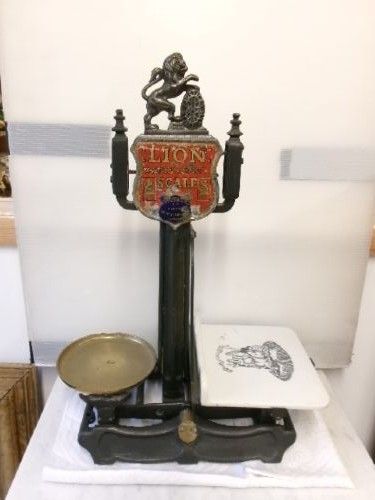
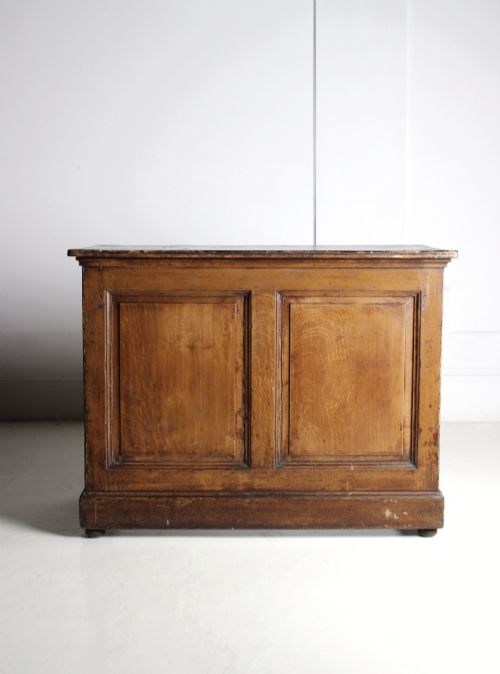
When you search for a vintage trade counter, you are looking at utilitarian shop furniture and commercial display items that served nineteenth and early twentieth century commerce. The listings here include shop counters in painted pine and mahogany alongside associated retail equipment like haberdashery cabinets, advertising display units, and butcher scales.
The most common forms you will meet on this page range from large timber shop counters with adjustable feet to smaller advertising figures and ceramic scale pans. Pieces span the Victorian, Edwardian, and early twentieth century periods, reflecting the practical needs of grocers, drapers, and apothecaries.
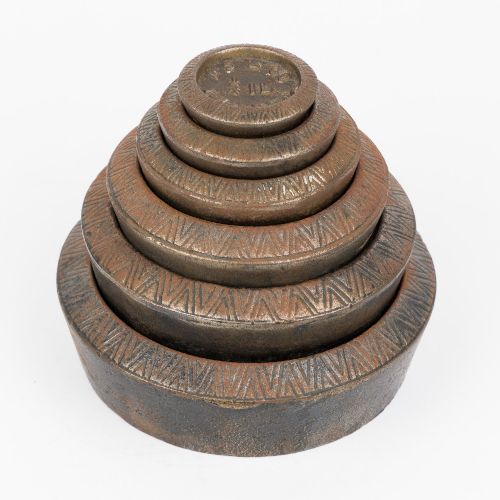
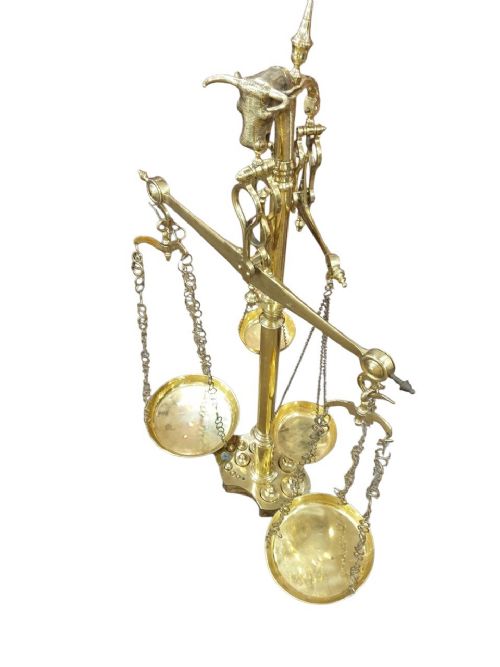
Many items combine robust woodwork with functional metal or ceramic elements, such as brass balance scales and cast iron scale weights. They bridge the gap between heavy industry and domestic interior design, serving as functional focal points in contemporary kitchens and living spaces.
How they were made
Makers constructed these trade pieces using dependable structural timbers like pine and mahogany, often applying painted finishes such as faux oak to mimic more expensive woods. Cabinetmakers joined frames to withstand heavy daily use in retail environments, while advertising units utilised painted surfaces to attract customers.
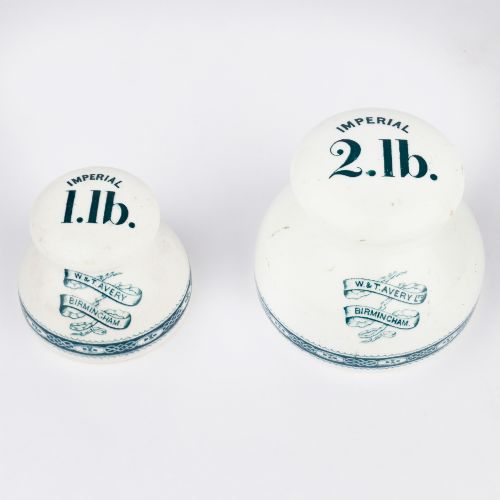
Metalworking played an essential role in the production of associated items, combining cast iron, brass, and iron for balance scales and stacking weights. Ceramic components appeared frequently in scale pans and specific weights, shaped and glazed for durability in commercial settings.
Vintage Trade Counter Retail Price Guide 2026
Typical asking prices for vintage trade counter among the pieces listed under this phrase on Sellingantiques today, from the lower quarter to the upper quarter. They describe what is for sale here now, not the wider market.
A nineteenth century tobacco advertising figure stands ready to catch the eye of anyone browsing old shop displays.
What varies in quality
The distinction between ordinary utility items and superior examples lies in the integrity of the original materials and the survival of authentic painted or polished surfaces. Mahogany counters with working adjustments show a higher degree of initial craftsmanship than utilitarian pine equivalents.
Completeness dictates the standing of scale sets and display units, particularly when original ceramic pans, block stands, or maker markings remain intact. Pieces that retain their functional hardware and honest wear demonstrate the robust standards demanded by nineteenth and early twentieth century businesses.
W & T Avery·Fairbanks Scales·De Grave·Bartlett & Sons
The Vintage Trade Counter Glossary
- Haberdashery cabinet
- A specialised retail display unit featuring multiple small drawers or glass fronts, originally used for selling sewing threads and small drapery items.
- Imperial stacking weights
- A calibrated set of metal masses designed to nest together, used with commercial balance scales for measuring goods during the Victorian and Edwardian eras.
- Scale pan
- The shallow dish or platform suspended from a balance scale to hold items being weighed, frequently found in ceramic or brass.
- Faux oak
- A decorative paint technique applied to cheaper timbers like pine to simulate the grain and appearance of more expensive oak furniture.
- Avoir weights
- Standard commercial weights conforming to the avoirdupois system of mass, often stamped with regional verification marks for trade use.
Vintage Trade Counter: Frequently Asked Questions
What is a vintage trade counter?
A vintage trade counter is a heavy-duty retail furnishing built from timber such as pine and mahogany for nineteenth and early twentieth century shops. These pieces served as the main transaction point between merchants and customers.
Today, they function well as kitchen islands or reception desks in modern homes and commercial spaces, offering generous surface area and sturdy construction.
How do I identify a Victorian shop counter?
Victorian shop counters typically feature solid timber construction, fielded panels, and utilitarian detailing designed for decades of heavy retail use. Look for period attributes like honest wear to the top surface and functional additions such as adjustable feet.
These counters often originate from grocers, drapers, or general stores operating during the nineteenth century.
How were old trade scales used?
Commercial scales relied on a balance mechanism with brass or iron beams, suspending scale pans to weigh loose goods accurately. Merchants used them alongside imperial stacking weights or ceramic weights to measure dry goods and provisions.
In contemporary interiors, these scales and their associated weights are displayed as sculptural objects on shelves or countertops.
What materials are common in trade counters?
Trade counters and related commercial items most frequently utilise pine and mahogany for their primary structures. Painted finishes, including faux oak graining, were commonly applied to standard timbers.
Associated commercial items frequently incorporate brass, cast iron, and ceramic elements to withstand the rigours of daily shop life.
Where can I use a trade counter at home?
A trade counter fits naturally into a large kitchen as a central island, providing durable wooden workspace and character. They also serve effectively as sideboards in dining rooms or as reception desks in creative studios.
Their robust proportions and practical storage surfaces make them adaptable for various interior layouts.