


Victorian Ship Artwork
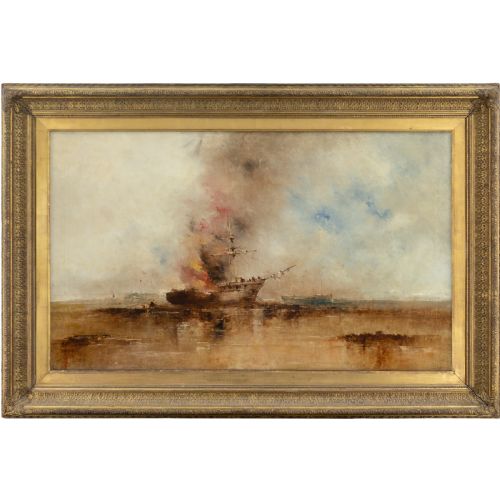
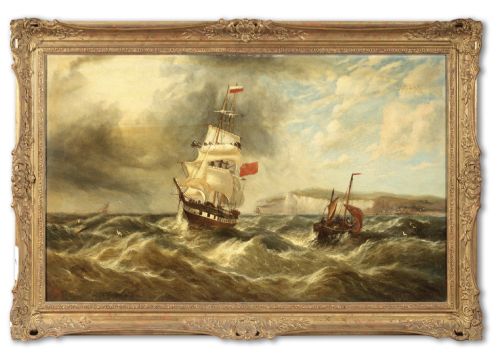
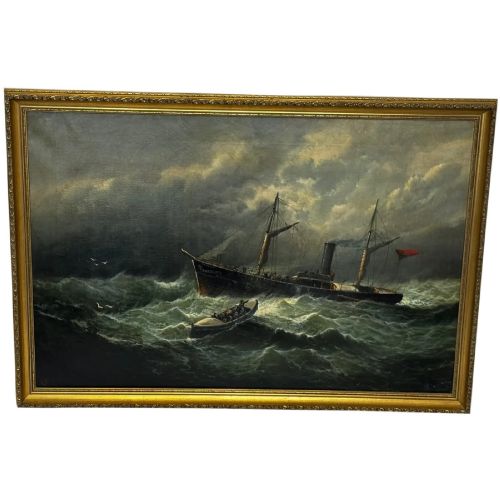
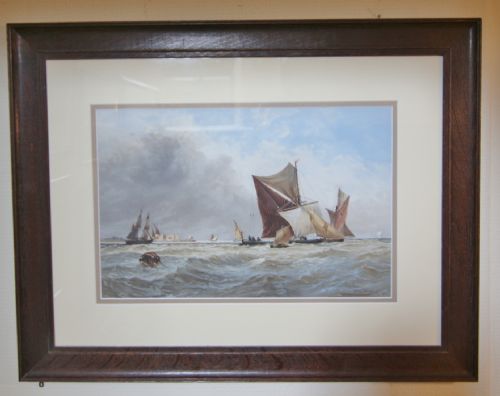
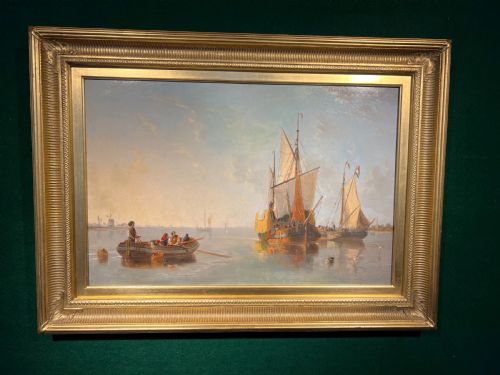
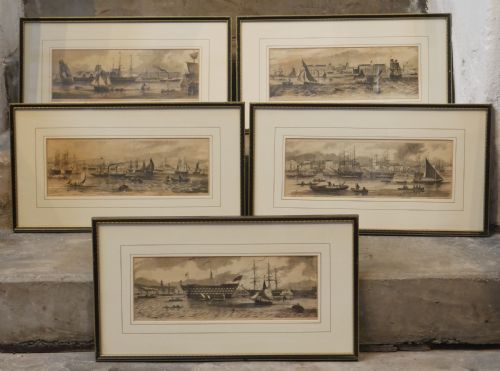
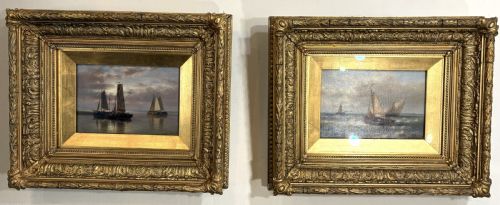
Victorian ship artwork records maritime history through oils, watercolours and engravings depicting vessels navigating rough seas and coastal waters.
Victorian Ship Artwork
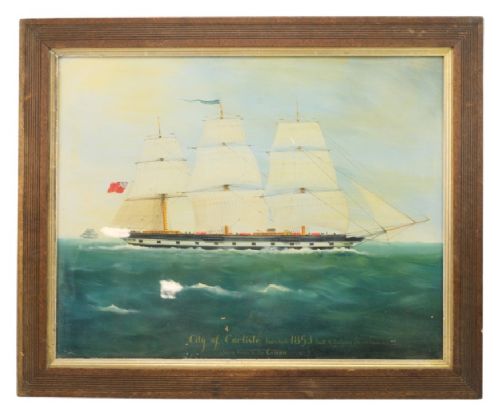
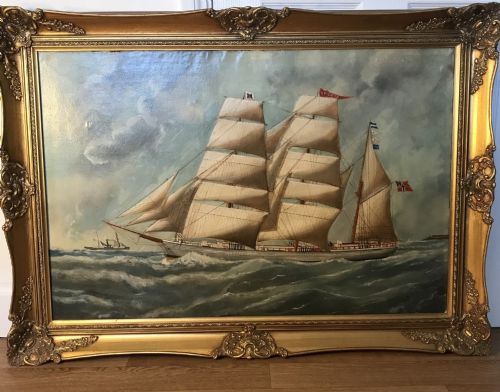
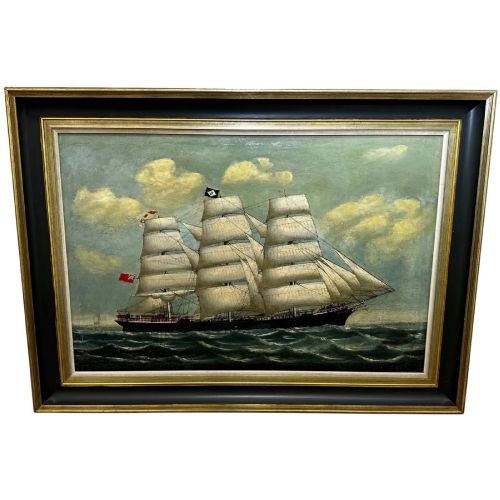
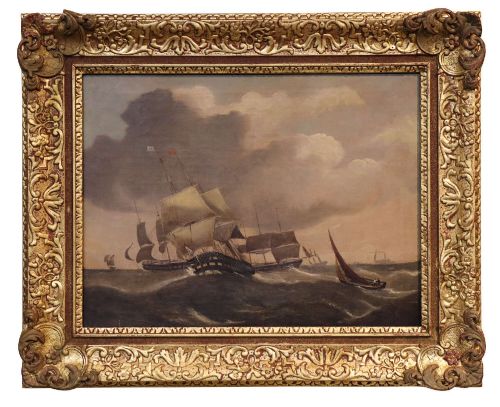
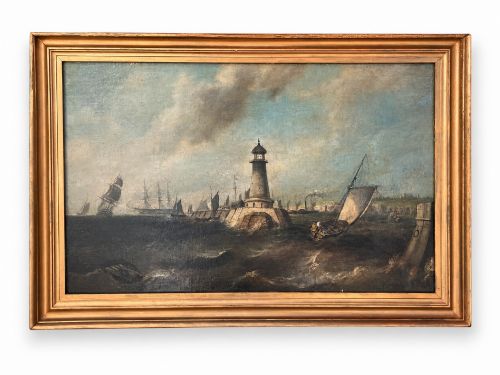
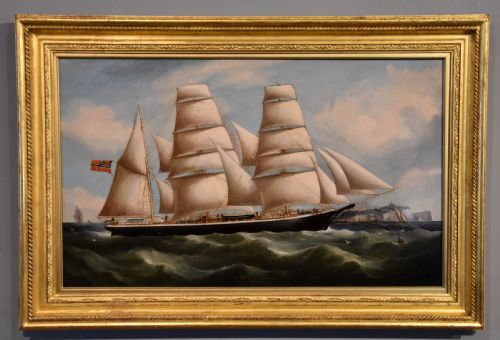
Victorian ship artwork captures the maritime trade, naval power and coastal life of the nineteenth century through detailed visual records. Buyers seeking this category encounter oil paintings on canvas or board, watercolours and framed prints depicting named vessels, merchant ships and naval engagements.
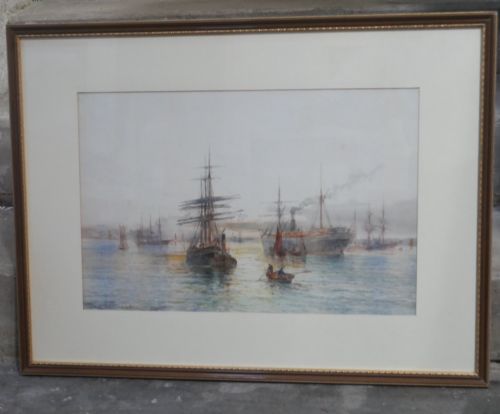
The pieces on this page originate predominantly from the nineteenth century, ranging from the early decades through to 1900. Subjects vary from specific named barques and clippers to broader coastal scenes involving fishing boats and harbour life.
Common formats include framed oil paintings and delicate watercolours, occasionally accompanied by maritime dioramas and naval engravings. These works reflect a period when Britain dominated global trade and sea travel.
Materials and Techniques
Artists of this era utilised oil paint on canvas or board to achieve rich textures in stormy seas and atmospheric skies. Watercolours on paper provide a lighter, more translucent medium favoured for coastal sketches and harbour views.
Framed prints and naval engravings rely on inked impressions on paper, capturing intricate details of rigging and dock architecture. Gold leaf often frames these works, enhancing the visual weight of the period pieces.
Listings feature 19th-century oil paintings, watercolours on paper and maritime diorramas depicting British and Norwegian vessels.
Evaluating Quality
Quality in these maritime works rests on the artist's understanding of nautical architecture, rigging and the behaviour of water in varying weather conditions. Skilled hands render the weight of a hull and the tension of canvas sails with precise observation.
Composition and atmospheric depth separate routine coastal sketches from accomplished paintings. Works that successfully convey movement, light and the specific character of named vessels command greater attention from collectors.
William McAlpine·John Rose Miles·William Broome·Bernard Benedict Hemy·TB Hardy·John Wilson Carmichael·Lai Fong·Nicholas Condy·Richard B Spencer·Abraham Hulk I·William Frederick Settle·Charles William Wyllie·Charles William Adderton·Thomas Bush Hardy·Ernest Dade·Daniel Sherrin·William Wyld·George Gregory·George Stanfield Walters·Marie Edouard Adam·John Callow·E Tucker
The Victorian Ship Artwork Glossary
- Barque
- A sailing ship with three or more masts where the foremast and mainmast are square-rigged and the mizzenmast is fore-and-aft rigged. This vessel type appears frequently in nineteenth-century merchant shipping art.
- Clippers
- Fast nineteenth-century merchant sailing ships built with narrow hulls and large sail areas. These vessels are celebrated in marine art for their speed in transporting goods globally.
- Diorama
- A three-dimensional scene depicting ships and coastal environments, often constructed using carved wood and painted backgrounds. Cornish examples from the period showcase local craftsmanship.
- Seascape
- A work of art depicting the sea, coastal views or ships navigating open waters. This genre forms the core of nineteenth-century marine painting.
- Watercolour
- A painting method where fine pigment is suspended in a water-soluble binder on paper. Artists utilised this technique for both rapid coastal sketches and finished exhibition pieces.
Victorian Ship Artwork: Frequently Asked Questions
What subjects appear in Victorian ship artwork?
These works depict named merchant vessels, naval ships, fishing boats and clippers navigating coastal waters, harbours and stormy seas.
Scenes frequently record specific locations such as the River Thames, Portsmouth Harbour, Dublin Bay and foreign trade routes.
How do I care for antique marine watercolours?
Watercolours on paper require protection from direct sunlight to prevent fading of the pigments and yellowing of the paper support.
Displaying pieces away from damp environments helps preserve the integrity of both the paper and the original frame.
What is the difference between an oil painting and a watercolour?
Oil paintings utilise pigments suspended in drying oils applied to canvas or board, allowing for heavy impasto and deep atmospheric textures.
Watercolours use water-soluble pigments on paper, producing lighter, more transparent effects suited to coastal sketches and detailed studies.
How can I tell the period of a maritime painting?
The rigging style, vessel design and clothing of any figures depicted offer primary clues to the decade in which the work was created.
Signatures, framing materials and nineteenth-century artist records further help establish the date of execution.