



Framed Naval Prints
Framed naval prints capture maritime heritage through historic depictions of ships, officers, and engagements preserved behind glass.
Framed Naval Prints
When you search for framed naval prints, you encounter a varied selection of historical works spanning several centuries. The pieces range from eighteenth-century engravings to early twentieth-century photographs and watercolours.
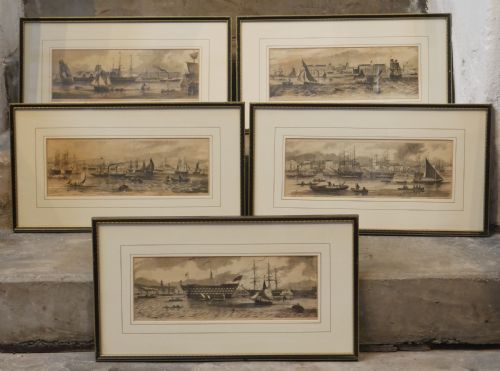
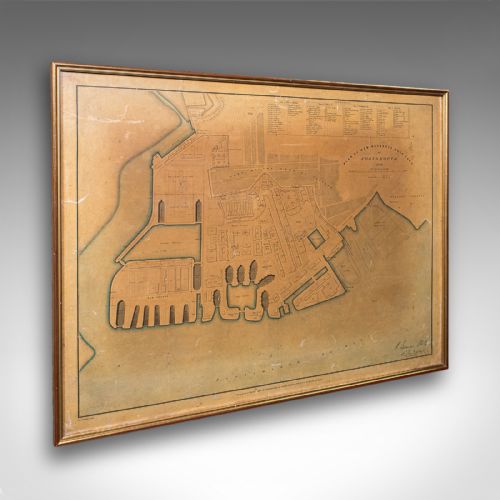
Most examples originate from the Victorian and Regency periods, reflecting Britain's maritime dominance. You will find sets of ship lithographs, town plans of dockyards, and detailed watercolours of vessels like HMS Victory.
The selection also includes unique items such as maple-framed reverse glass prints depicting naval engagements and original portraits of officers and sailors. These works offer a direct connection to naval history through contemporary visual records.
How they were made
The items combine traditional printmaking, painting, and photography with period framing techniques. Engravings and lithographs on paper provide the primary imagery for many pieces, whilst others utilise watercolour or photographic processes on card.
Frames play a crucial role in the construction of these works, utilising materials such as wood, oak, maple, and giltwood. Protective glass covers the paper surfaces, and several pieces retain their original frames from the nineteenth and early twentieth centuries.
Framed Naval Prints Retail Price Guide 2026
Typical asking prices for framed naval prints among the pieces listed under this phrase on Sellingantiques today, from the lower quarter to the upper quarter. They describe what is for sale here now, not the wider market.
Framing materials recorded in the inventory include maple, oak, giltwood, and plain wood.
What varies in quality
The distinction between standard examples and superior pieces rests largely on the fidelity of the medium and the preservation of the original frame. Works by recorded artists or containing detailed contemporary hand-colouring often demonstrate higher artistic merit.
Condition and originality heavily influence the standing of an item. Pieces retaining their period frames, such as maple or oak surrounds, command greater interest than those placed in modern mounts.
Frank Wood·WF Mitchell·John Scott Russell·Snaffles
The Framed Naval Prints Glossary
- Engraving
- A printmaking process where an image is incised into a metal plate, transferring fine lines onto paper under pressure. This technique allows for exceptional detail in depictions of ships and rigging.
- Lithography
- A planographic printing method based on the repulsion of oil and water, widely used for producing multi-coloured or monochromatic ship prints during the nineteenth century. It enabled larger production runs while maintaining artistic depth.
- Reverse glass print
- An artwork painted or printed directly onto the back of a glass panel to be viewed from the front. This delicate technique creates a glossy surface finish often seen in early nineteenth-century nautical pieces.
- Giltwood
- Wood carved and coated with gold leaf or a gold-coloured metallic finish to create a decorative frame. It was frequently utilised for framing significant marine paintings and portraits.
Framed Naval Prints: Frequently Asked Questions
How do I date a naval print?
Dating relies heavily on the paper quality, printing technique, and framing style associated with specific periods like the Regency or Victorian eras. Subject matter, such as particular ship types or historical events, also provides a reliable timeframe.
Examination of the reverse often reveals maker marks, framing labels, or handwritten notes that confirm the age of the piece. Comparing the style of the clothing or naval uniforms depicted assists in narrowing down the decade.
Are original frames important?
Original frames significantly enhance the historical context and visual integrity of naval artwork. Surviving frames made of maple, oak, or giltwood from the nineteenth century demonstrate how the piece was displayed historically.
Replacing a period frame alters the overall character of the work. Collectors generally prefer pieces that retain their original housing, even when minor signs of age are present on the wood.
What is a reverse glass print?
A reverse glass print involves applying ink or paint to the rear side of a glass sheet. When viewed from the front, the glass acts as a protective and glossy layer over the image.
This method was particularly popular for decorative mirrors and maritime scenes during the early nineteenth century. The technique requires careful handling to prevent flaking of the pigment behind the glass.
How should I hang naval prints?
Naval prints require stable environmental conditions away from direct sunlight to protect fragile paper, watercolours, and old wooden frames. Maintaining consistent indoor humidity prevents warping in antique wooden surrounds.
Secure wall fixings suited to the weight of heavy giltwood or oak frames are essential for safe display. Grouping pieces by period or theme, such as pairing dockyard plans with ship engravings, creates a cohesive historical arrangement.