





Black Framed Maritime Art
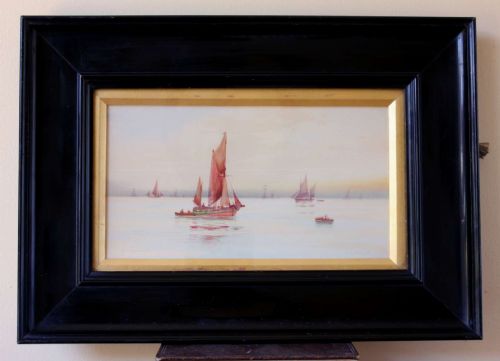
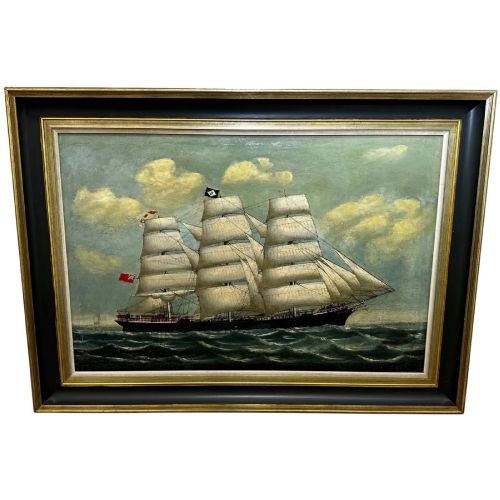
Black framed maritime art brings together historic seascapes and stark timber borders that focus the eye squarely upon the water.
Black Framed Maritime Art
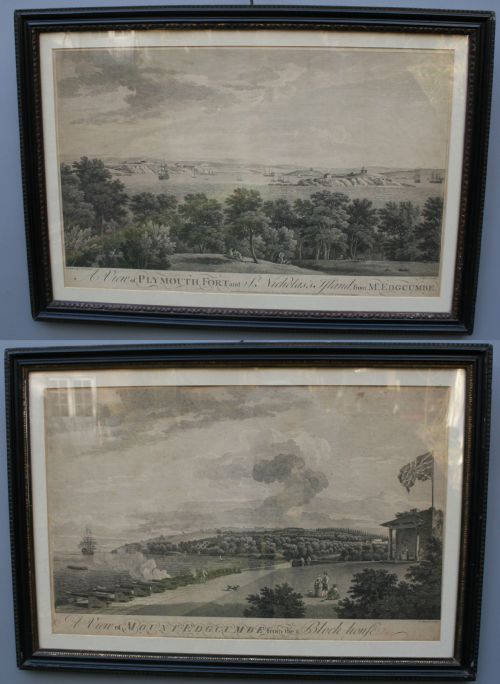
These works comprise oil paintings, watercolours, aquatints, engravings, and pencil sketches, capturing clipper ships, naval docks, and coastal scenes. Dating stretches from the mid eighteenth century through to the mid twentieth century, encompassing Georgian, Victorian, and later periods.
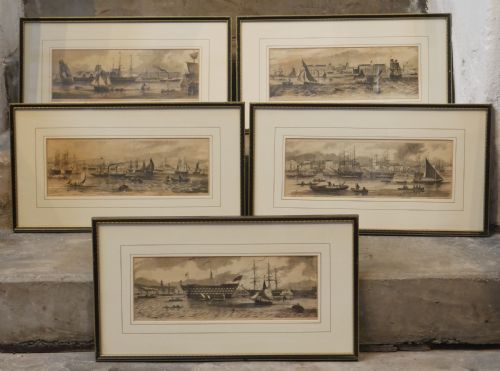
The dominant forms on this page include oil on canvas, hand-coloured prints, and charcoal drawings enclosed within dark timber or ebonised surrounds. Buyers encounter single sheets as well as pairs and sets, such as London docks engravings and aquatints of the English coast.
Geographic origins and subjects span local British harbours, Welsh bays, and global waters including Brazilian coastal scenes and South Sea fisheries. Each piece relies on its stark framing to anchor the maritime narrative upon the wall.
Materials and construction
Makers employed traditional media such as oil paint, watercolour, ink, and pencil applied to canvas, paper, and card. Engravings and aquatints provide detailed linear definition, often enhanced by hand-colouring.
Framing relies primarily on wood, finished with dark ebonising or simple black paint to contrast with the lighter tones of maritime paper and canvas works. Glass frequently protects the works on paper, shielding delicate watercolours and charcoal from atmospheric damage.
Black Framed Maritime Art Retail Price Guide 2026
Typical asking prices for black framed maritime art among the pieces listed under this phrase on Sellingantiques today, from the lower quarter to the upper quarter. They describe what is for sale here now, not the wider market.
The documented periods stretch from the mid 1700s through the Victorian era into the 1950s.
Assessing quality in framing and works
Quality rests upon the precision of the draughtsmanship and the original fidelity of the maritime subject matter, whether depicting specific vessels like the clipper Slieve Roe or general coastal topography. Contemporary framing often lacks the character of period ebonised wood matched closely to the age of the artwork.
Condition plays a vital role, distinguishing works with crisp ink lines and stable paint layers from those showing heavy foxing or paper discolouration. Hand-coloured aquatints and original watercolours demand careful preservation of their pigments within their protective surrounds.
Lai Fong·W J Huggins·Snaffles·John Scott Russell
The Black Framed Maritime Art Glossary
- Aquatint
- An intaglio printmaking technique that produces tonal areas resembling watercolour washes. It was frequently used for nineteenth-century coastal views.
- Ebonised
- Wood finished to resemble ebony, typically by staining or painting it black. This finish is characteristic of many nineteenth-century maritime frames.
- Engraving
- A printmaking method where an artist cuts lines directly into a metal plate with a burin. It offers sharp, precise detail ideal for depicting ship rigging and docks.
- Seascape
- A work of art depicting the sea, ships, or coastal views. It forms the primary subject matter for this category of framed works.
Black Framed Maritime Art: Frequently Asked Questions
What periods do these pieces span?
The selection ranges from mid eighteenth-century views to mid twentieth-century photographs and watercolours. Victorian and nineteenth-century examples dominate the offerings.
Buyers will find that stylistic conventions shift from formal topographical engravings to more expressive realisms over this timeline.
How should I hang black framed maritime art?
The dark timber and ebonised frames suit studies, libraries, and hallways with neutral or moody wall colours. Pair smaller engravings in sets to create a balanced wall display.
Keep pieces away from direct sunlight to protect vulnerable watercolours and paper supports behind glass.
Are these works original or reproductions?
The listings feature original oil paintings, period watercolours, hand-signed sketches, and antique print editions from the dates specified. Each piece originates from the era of its creation rather than being a modern copy.
Examine the medium and paper characteristics to confirm the period manufacture of both the artwork and its mount.
What subjects appear most frequently?
Ships under sail, coastal forts, harbour charts, and specific vessels such as clippers and shipwreck scenes form the core subjects. Naval docks and regional British coastal waters also feature strongly.
Global maritime routes appear through occasional Brazilian and South Sea fishing depictions.