




Victorian Secretaire Bookcase
A victorian secretaire bookcase combines a towering library cabinet with a fitted writing drawer, offering a dual purpose that suited nineteenth-century domestic life.

Victorian Secretaire Bookcase
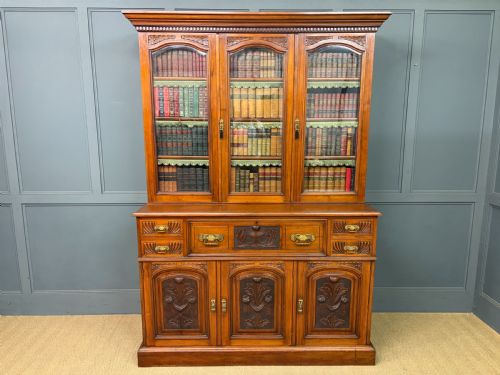
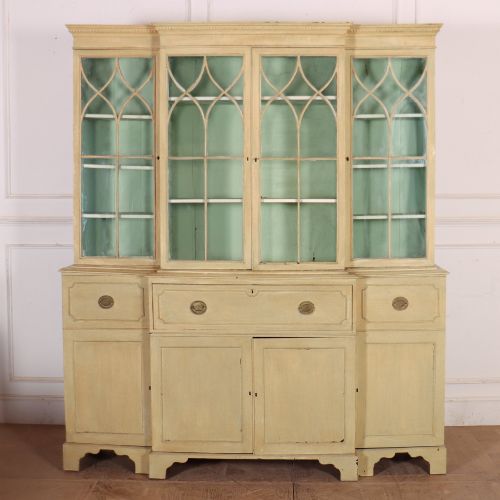
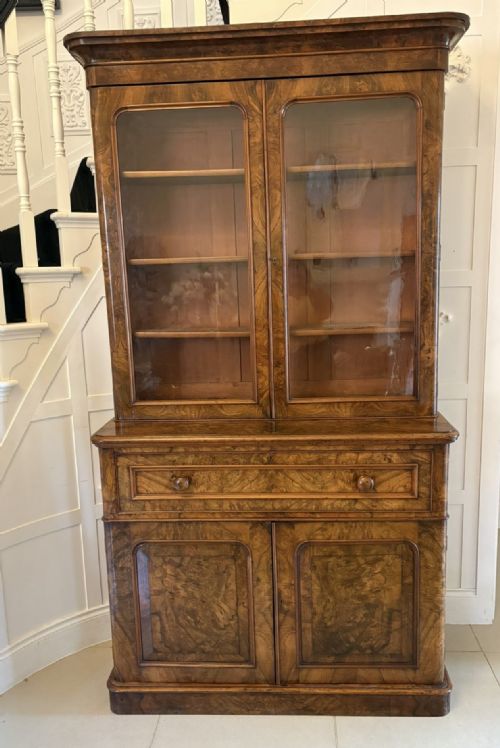
A victorian secretaire bookcase provides upper display shelving behind glazed doors above a lower cabinet, anchored by a central drawer that folds down for writing. These architectural pieces stand tall in principal rooms, housing both book collections and personal correspondence.
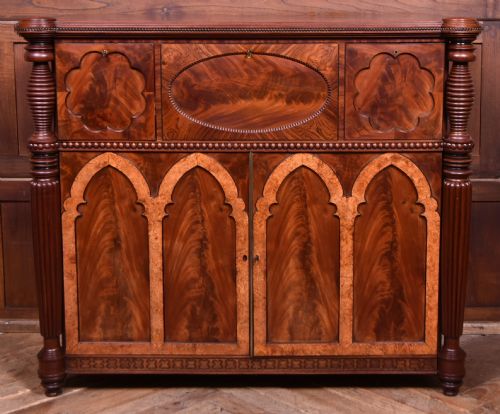
Mahogany and walnut predominate among the surviving examples, shaped in styles ranging from straightforward Victorian utility to Gothic Revival and Regency influences. Most examples divide into two manageable sections for transport, separating the glazed bookcase top from the bureau base.
Variations include cylinder fronts, drop-front drawers, and tambour mechanisms that conceal pigeonholes and small drawers. These fitted interiors often feature leather writing surfaces and tiny compartments for letters and inkwells.
How they were made
Cabinet makers constructed the carcases using solid timbers like mahogany, oak, and walnut, often applying figured veneers such as burr walnut, flame mahogany, and pollard oak to the primary display surfaces. Secondary woods inside drawers typically include pine or oak.
Glazing bars form geometric patterns on the upper cabinet doors, holding panes of glass that protect the library contents from dust. Brass hardware secures the doors and drawers, while hand-tooled leather inserts provide a durable writing surface within the drop-front section.
Victorian Secretaire Bookcase Retail Price Guide 2026
Typical asking prices for victorian secretaire bookcase among the pieces listed under this phrase on Sellingantiques today, from the lower quarter to the upper quarter. They describe what is for sale here now, not the wider market.
Secret drawers within secret drawers wait behind tiny locked compartments, ready to hide love letters or lost postage stamps from curious guests.
What varies in quality
The choice of veneer sets the visual hierarchy, with book-matched burr walnut or flame mahogany commanding greater attention than plain timber. Finely figured grain patterns require expert selection and matching across large drawer fronts and cabinet doors.
Internal complexity dictates the calibre of the piece, distinguishing simple drop-front drawers from elaborate cylinder mechanisms fitted with secret compartments and satinwood pigeonholes. The crispness of carved mouldings and the integration of brass panels further separate standard utility items from top-tier commissions.
Gillows
The Victorian Secretaire Bookcase Glossary
- Secretaire
- A writing drawer or compartment featuring a fold-down front that conceals pigeonholes and small drawers. This mechanism transforms a standard chest or bookcase into a compact desk.
- Burr Walnut
- A specialised wood grain obtained from walnut tree growths, prized for its swirling, mottled patterns. Cabinet makers applied it as a veneer on high-end Victorian furniture.
- Glazed
- Fitted with glass panes in the doors to display books while protecting them from dust. These doors often feature wooden or brass latticework framing the glass.
- Escritoire
- A writing cabinet or desk, often used interchangeably with bureau in nineteenth-century terminology. These pieces provide a dedicated surface for correspondence.
- Cylinder Top
- A curved, quarter-circle wooden shutter that rolls back into the cabinet body to reveal a writing desk. This mechanism covers the fitted interior when not in use.
Victorian Secretaire Bookcase: Frequently Asked Questions
How do I use a secretaire drawer?
The front of the top drawer pulls forward and hinges downward on quadrants or brass arms, creating a flat writing platform. This reveals an interior fitted with small drawers and pigeonholes.
Once finished writing, the flap lifts back into place and locks, concealing papers and stationery while restoring the clean lines of the cabinet front.
Are these bookcases difficult to move?
Most examples separate into two distinct sections: an upper glazed bookcase and a lower base containing the secretaire drawer and cupboards. This modular construction assists with transport and placement in rooms with standard ceiling heights.
Removing the glass shelves and doors before moving further reduces weight and protects vulnerable elements during relocation.
What is the difference between mahogany and walnut versions?
Mahogany pieces tend to date from the earlier Victorian decades, presenting a rich, dark reddish-brown tone and a sturdy formal presence. Walnut examples often emerge from the mid to late Victorian periods, utilising intricate burr veneers for a highly figured, lighter brown aesthetic.
Both timbers provide structural durability, but walnut cabinets frequently showcase more decorative grain patterns across the primary facade.
How do I care for the leather writing surface?
The leather insert inside the drop-front requires occasional dusting and gentle cleaning with appropriate leather balms to prevent drying and cracking. Avoid using excessive moisture or household chemical sprays near the gold-tooled borders.
Keeping the writing flap closed when not in use also protects the leather from direct sunlight and fading over time.