
Victorian Scottish Art
Victorian Scottish art brings rugged Highland landscapes and meticulous craftsmanship into a room through atmospheric canvases, rich textiles, and sturdy vernacular furniture.
Victorian Scottish Art
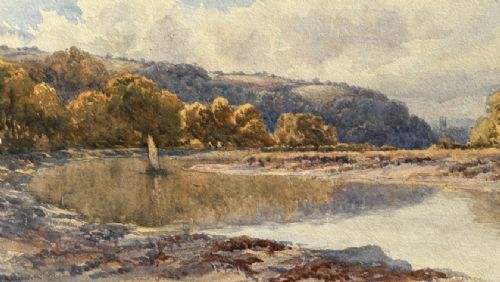
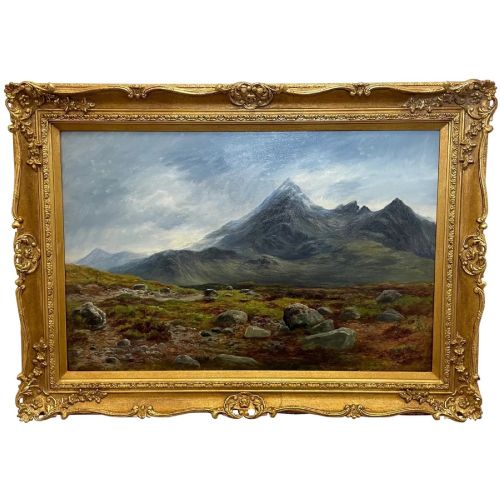
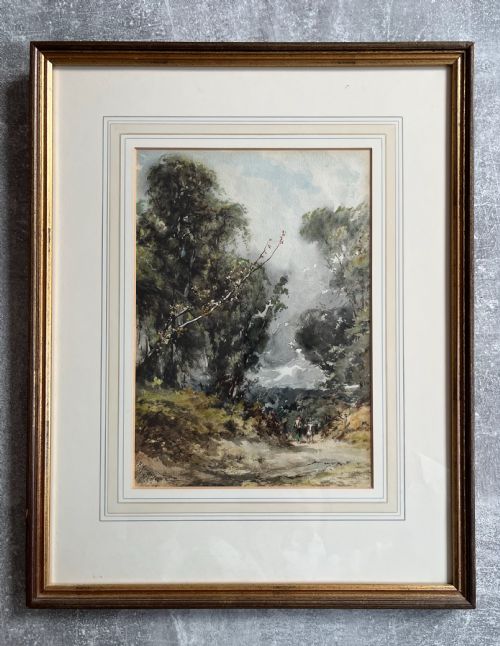
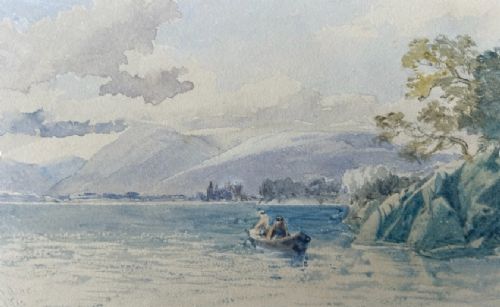
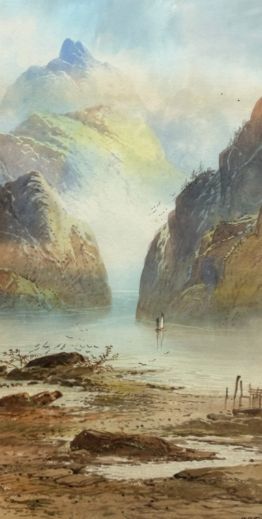
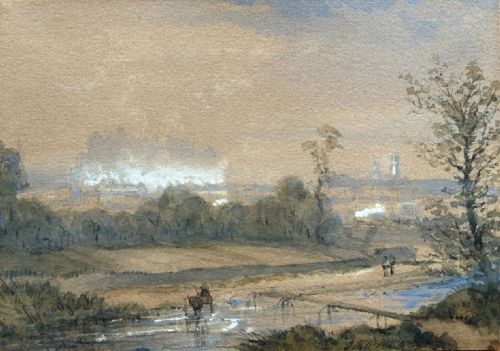
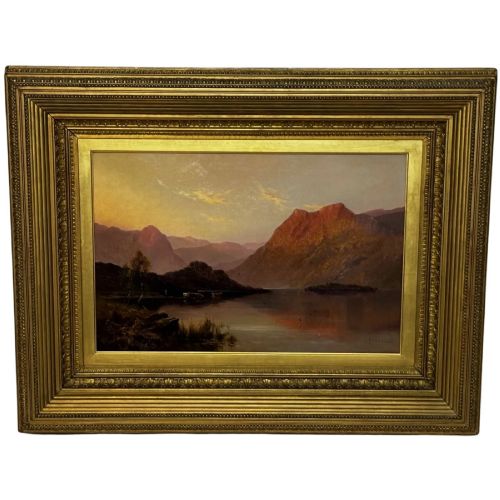
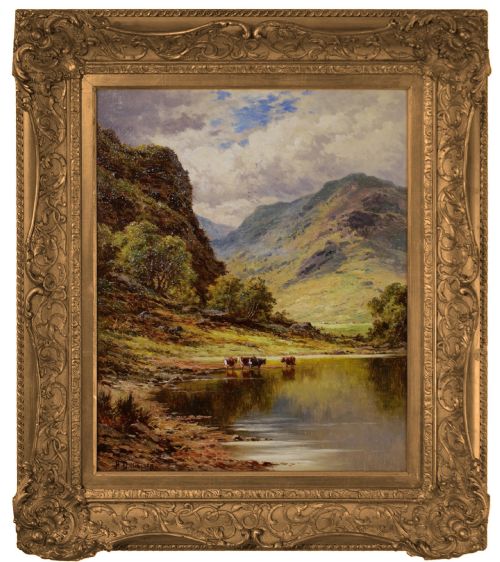
Victorian Scottish art captures the distinctive character of nineteenth-century Scotland through varied creative expressions ranging from sweeping oil paintings of lochs to practical domestic objects. When exploring victorian scottish art on this page, the buyer encounters a diverse selection reflecting both grand landscape traditions and utilitarian craft. Oil paintings on canvas and watercolours on paper form the visual core, depicting Highland cattle, moody glens, and specific locales like Loch Lomond and Edinburgh.
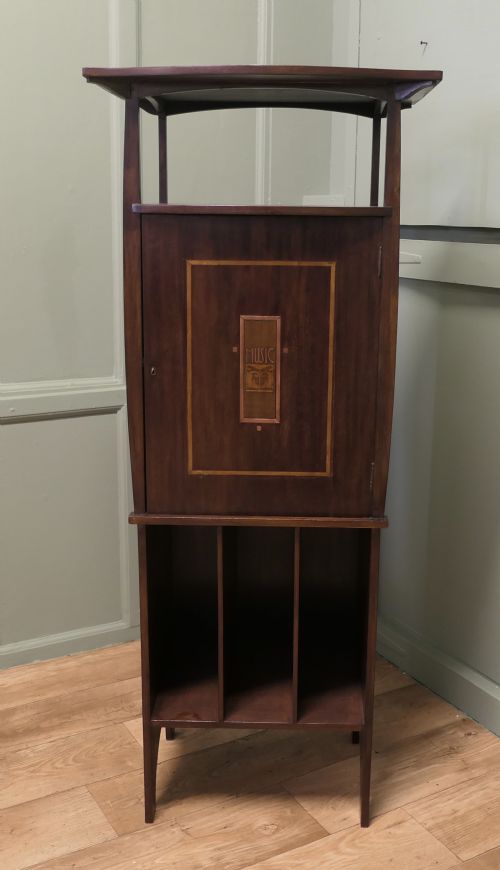
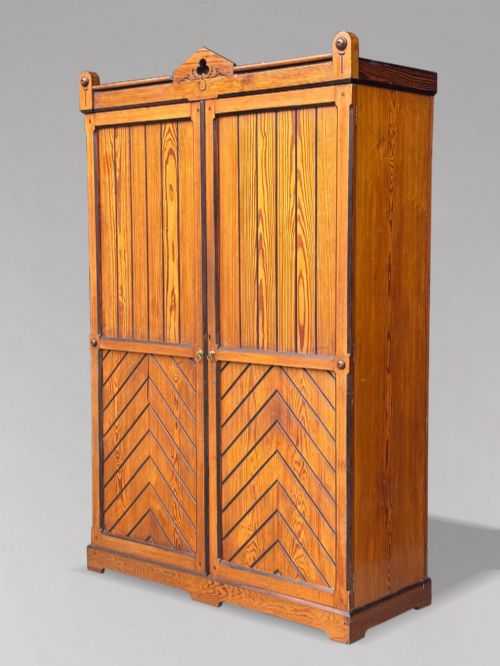
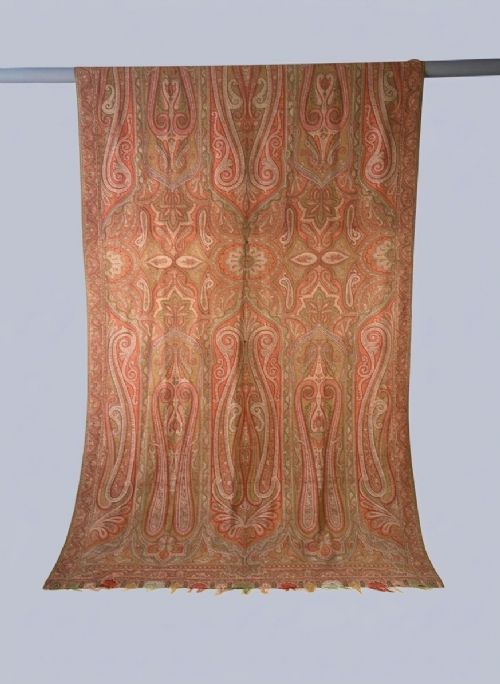
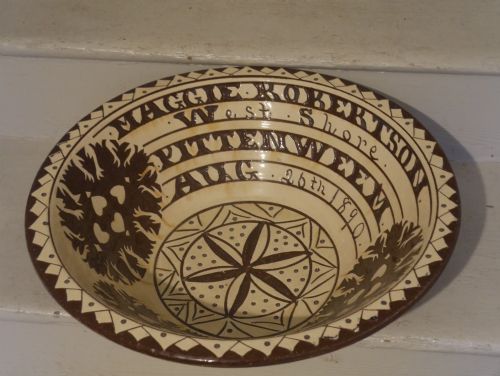
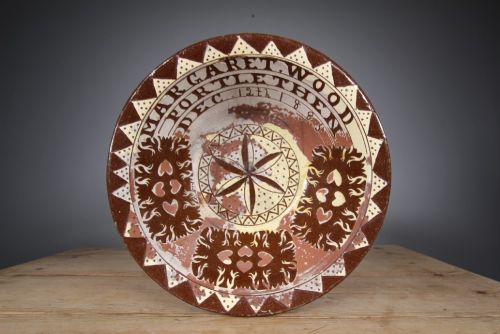
Beyond framed fine art, the category extends to functional pieces and decorative items that embody the period's regional identity. Buyers meet items such as Arts and Crafts pine wardrobes, music cabinets, slipware pottery dairy bowls, and intricate hardstone pebble jewellery. Tartanware desk accessories and wool shawls also appear, illustrating how nineteenth-century makers applied Scottish motifs to everyday articles.
The objects span several decades of the nineteenth and early twentieth centuries, capturing shifts in taste from romantic Victorian realism to the structural integrity of the Arts and Crafts movement. Whether selecting a large landscape painting by a named artist or a regional slipware bowl, the buyer engages with material culture rooted firmly in Scottish workshops and landscapes.
Materials and construction methods
Painters of the era utilised oil paint and watercolour on stretched canvas, linen, panel, or heavy paper, often framing finished works in giltwood or gesso mouldings. The physical application ranges from thin, controlled watercolour washes to thick impasto in oils that captures the texture of Highland heather and wool.
Furniture makers and craftspeople relied on native timbers like oak and pine, alongside mahogany, shaping them through traditional joinery to produce wardrobes, desks, and Arts and Crafts music cabinets. Ceramic pieces such as Seaton Pottery bowls were thrown in clay and finished with slipware glazes, while textile works involved fine wool weaving for tartan shawls and intricate stone-setting for hardstone pebble brooches.
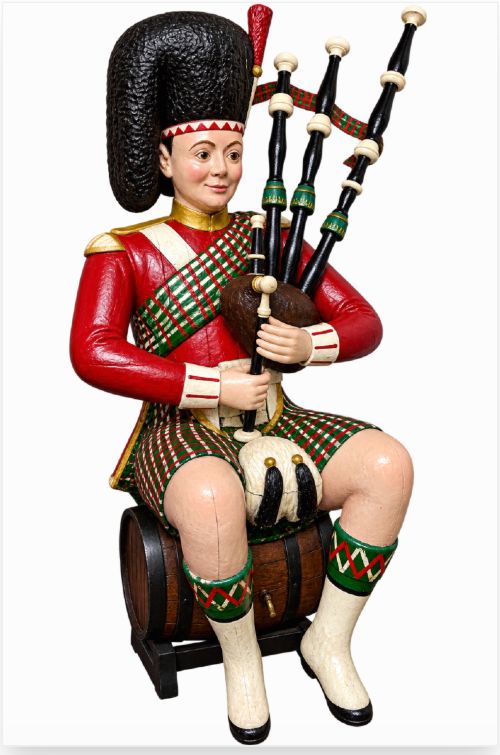
Tradesmen carved wooden Highland bagpipers to stand outside shops, advertising musical wares with silent Scottish pride.
Distinctions in quality
Quality in painted works rests upon the artist's command of light, atmospheric depth, and anatomical accuracy in figures and animals, distinguishing a master's observation from a formulaic studio production. Brushwork vitality and composition reveal whether a canvas captures a genuine Scottish locale with conviction or merely applies standard picturesque tropes.
In three-dimensional objects like furniture and pottery, construction integrity and material selection define the upper tier. Dense timbers, sound joinery, well-preserved slipware glazes, and crisp silver mounts on hardstone jewellery separate robust, high-status workshop pieces from utilitarian survivals that have suffered heavy wear.
GM Elwood·JS Henry·Seaton Pottery·James Hamilton·William Watson Jnr·Joseph Farquharson
The Victorian Scottish Art Glossary
- Gesso
- A plaster-like mixture applied to wood frames before gilding. It provides a smooth surface that can be moulded into decorative relief patterns.
- Impasto
- Paint applied thickly to a canvas so that it stands out from the surface. This technique preserves the physical gesture of the brush and catches real light.
- Slipware
- Pottery decorated with a thin mixture of clay and water applied before firing. It creates contrasting surface patterns beneath a clear glaze.
- Hardstone
- Opaque semi-precious stones cut and polished flat for jewellery. Scottish examples frequently utilise local jaspers, agates, and bloodstones set in silver.
- Tartanware
- Wooden souvenirs and desk accessories painted with geometric tartan patterns. They were produced extensively in the nineteenth century with specific clan designations.
Victorian Scottish Art: Frequently Asked Questions
What subjects dominate Victorian Scottish paintings?
Paintings from this era focus heavily on romanticised natural scenery, featuring dramatic mountain ranges, misty lochs, and coastal views. Cattle, sheep, and figures in traditional dress frequently inhabit these landscapes.
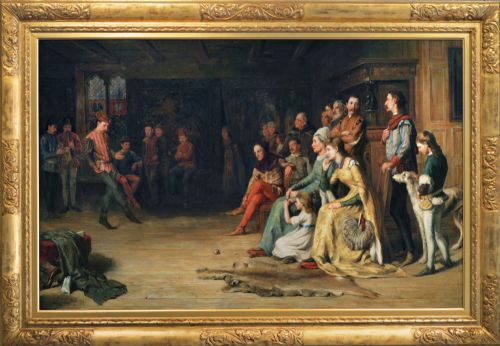
Artists also recorded historical genre scenes, domestic interiors, and quiet rural moments, drawing inspiration from the distinct geography and folklore of Scotland.
What is Tartanware?
Tartanware comprises wooden domestic and desk objects painted with precise miniature tartan patterns. Common items include stamp cases, boxes, and small storage containers.
Manufacturers labelled these pieces with specific clan names, making them popular souvenirs during the Victorian era's widespread fascination with Highland culture.
How were hardstone brooches worn?
Hardstone pebble jewellery, particularly silver-mounted brooches set with Scottish agates and jaspers, served to fasten heavy wool garments like plaids and shawls. They combined practical durability with regional decorative appeal.
The stones were locally sourced and polished to showcase natural banding and colour variations before being arranged in geometric mosaic designs.