
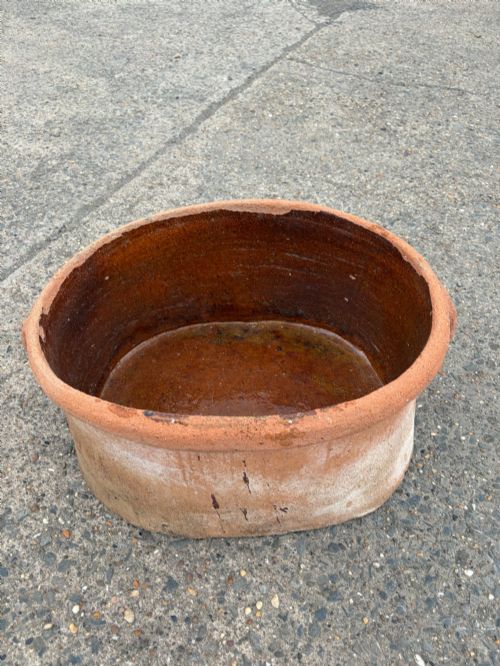


Victorian Salt Glaze Pottery
Victorian salt glaze pottery brings rugged nineteenth-century stoneware into modern rooms through heavily textured jugs, ewers, and garden ornaments.
Victorian Salt Glaze Pottery
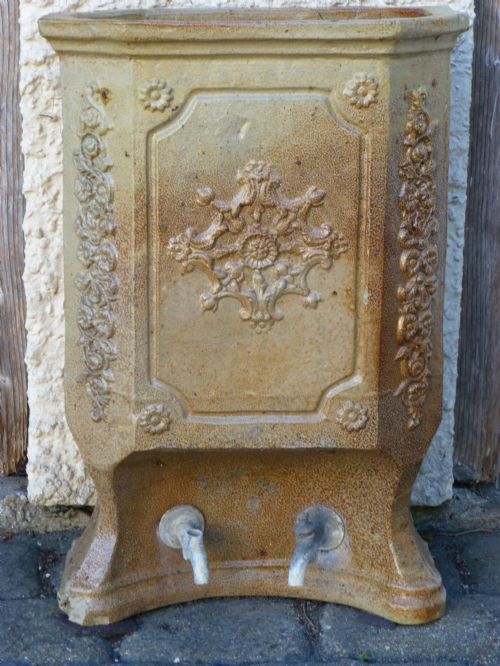
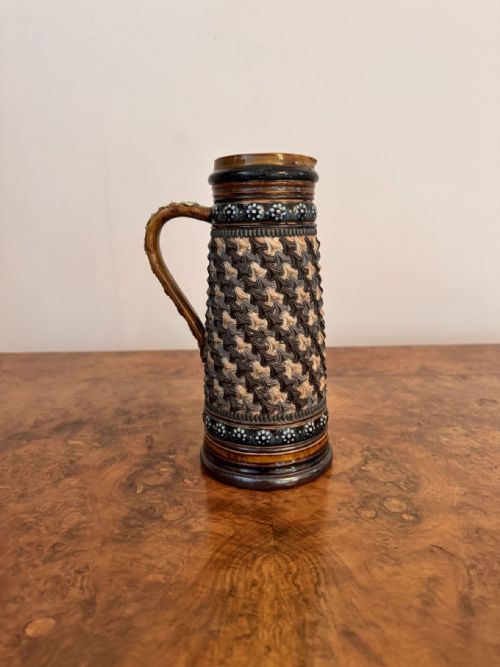
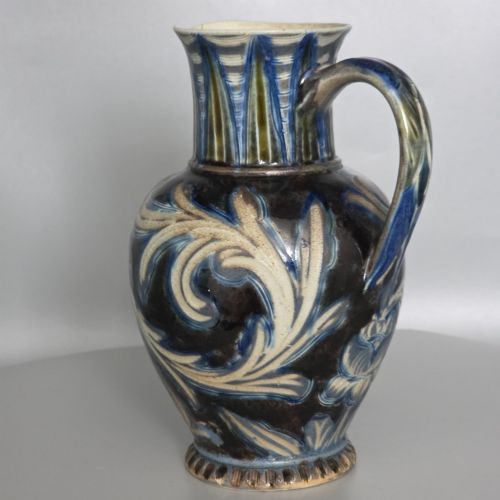
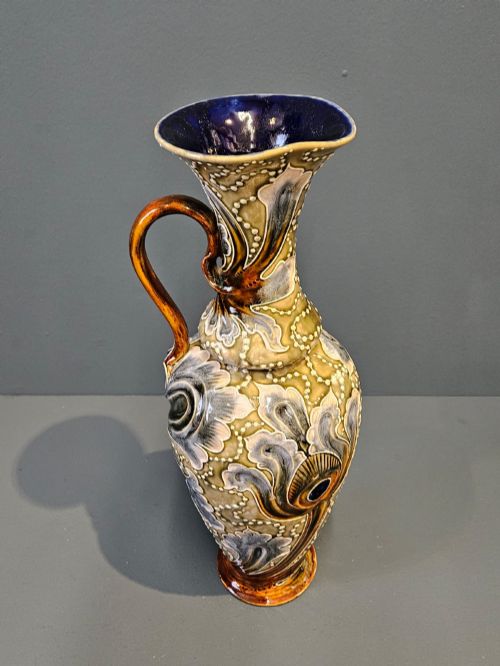
Victorian salt glaze pottery encompasses utilitarian and decorative vessels produced across the nineteenth century, ranging from simple tavern jars to elaborate art pottery. Buyers searching for victorian salt glaze pottery encounter robust stoneware items shaped into jugs, pitchers, vases, water filters, and garden lions.
The selection on this page leans heavily toward domestic vessels and decorative wares produced by major factories and regional potteries. Jugs and pitchers dominate the forms, alongside jardiniere planters, stick stands, and specialised tavern containers.
Origins span English workshops, notably Doulton Lambeth, alongside French stoneware fountains, German jardinieres, and Scottish garden ornaments. Pieces date from the mid-nineteenth century through the final decades of the Victorian era.
Materials and production techniques
Potters threw dense stoneware clay on wheels or pressed it into moulds, creating heavy bodies capable of holding liquids without porous seepage. Common materials include utilitarian stoneware, terracotta, and glazed ceramic, frequently enhanced with sterling silver mounts or brass fittings.
Makers achieved the characteristic pebbled surface texture by throwing common salt into the kiln during high-temperature firing, which reacted with the silica in the clay body to form a durable sodium silicate glaze. Additional ornamentation included applied cream sprigging, incised patterns, and hand-painted artistic decoration by studio ceramicists.
Materials span salt-glazed stoneware, terracotta, and glazed ceramic, frequently accented with sterling silver rims and brass hardware.
Standards of craftsmanship and design
Quality in victorian salt glaze pottery rests on the crispness of the salt glaze texture and the precision of the applied decoration. Superior examples display even orange-peel texturing across the stoneware body without dry patches or excessive kiln gloss.
Artistic execution separates standard utilitarian crocks from exhibition pieces, particularly in works bearing the signatures or monograms of recognised studio artists. The integration of precious metal rims, such as hallmarked sterling silver mounts, elevates the standing of domestic jugs and beakers.
Doulton Lambeth·Emma Shute·Emily Stormer·Florence Barlow·Royal Doulton
The Victorian Salt Glaze Pottery Glossary
- Salt glaze
- A vitreous coating formed on stoneware by throwing common salt into the kiln at the peak of firing. This chemical reaction produces a pitted texture resembling the skin of an orange.
- Stoneware
- A heavy, dense ceramic fired at high temperatures until semi-vitrified and completely waterproof. It resists acids and hard wear, making it ideal for kitchenalia and storage vessels.
- Sprigging
- The technique of moulding small decorative clay motifs separately and applying them to the surface of a vessel before firing. These reliefs often feature contrasting cream-coloured details against a darker body.
- Jardiniere
- A large ornamental ceramic pot or stand designed to hold a potted plant or floral arrangement. These vessels frequently feature intricate incised patterns or Art Nouveau styling.
- Puzzle jug
- A historical drinking vessel with a perforated neck and multiple spouts that forces the drinker to solve a riddle or cover hidden holes to imbibe without spilling.
Victorian Salt Glaze Pottery: Frequently Asked Questions
What is victorian salt glaze pottery?
Victorian salt glaze pottery comprises heavy stoneware vessels and decorative items produced during the nineteenth century using salt-firing techniques. These pieces include utilitarian jugs, garden ornaments, and artistic vases.
The style bridges industrial manufacturing and studio arts, featuring distinctive pebbled textures and durable ceramic bodies designed for daily use or display.
How do you clean salt glazed stoneware?
Clean salt glazed stoneware gently using warm water and a soft cloth to protect the textured surface and any applied slip decoration. Avoid harsh scouring pads that might scratch the vitreous glaze.
Items with sterling silver mounts require specialised silver care to prevent tarnish from reaching the ceramic body.
Were these pots used for food?
Many nineteenth-century pieces served practical domestic functions, including storage jars, water filtration fountains, and tavern soup containers. Stoneware was prized for food storage because it remained hygienic and impervious to liquids.
Decorative art pottery jugs and vases were primarily intended for display or formal dining rather than heavy kitchen labour.
How do I identify a Doulton Lambeth piece?
Doulton Lambeth items typically feature factory stamp marks impressed into the stoneware base, often accompanied by the initials or monograms of individual studio artists. The decoration frequently incorporates detailed incising and applied sprigged reliefs.
Many pieces also showcase specialised stylistic elements associated with the Arts and Crafts and Art Nouveau movements.