
Victorian Salon Armchair
When choosing a victorian salon armchair, you select a piece of sophisticated 19th-century seating designed to combine parlour elegance with comfortable reception rooms.
Victorian Salon Armchair
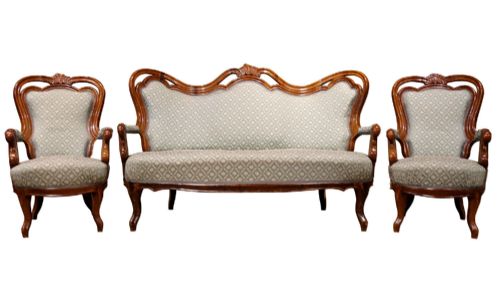
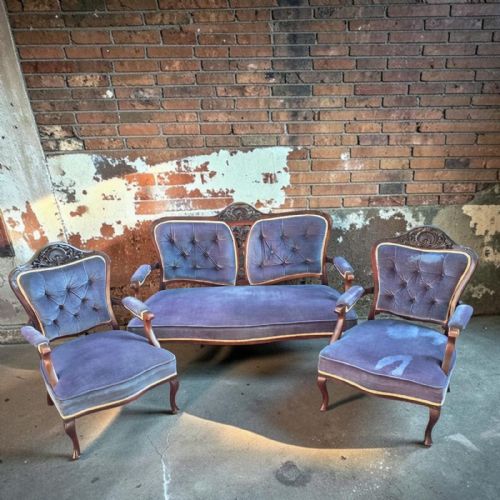
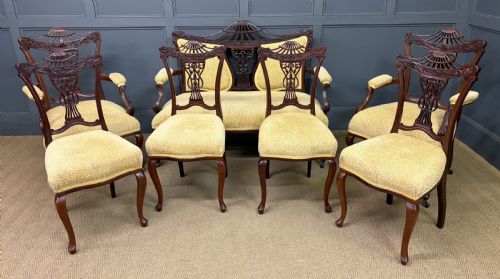
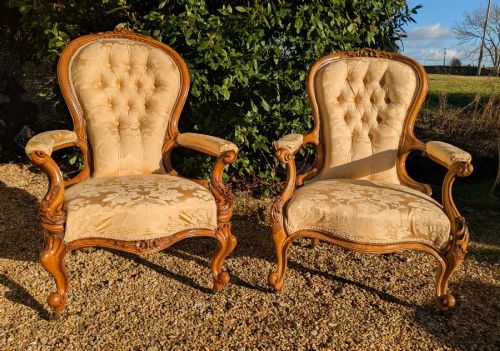
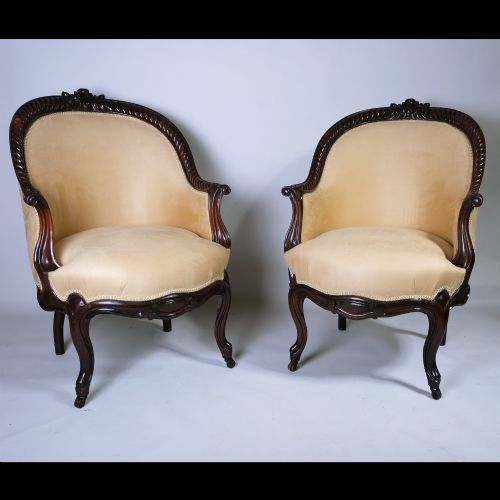
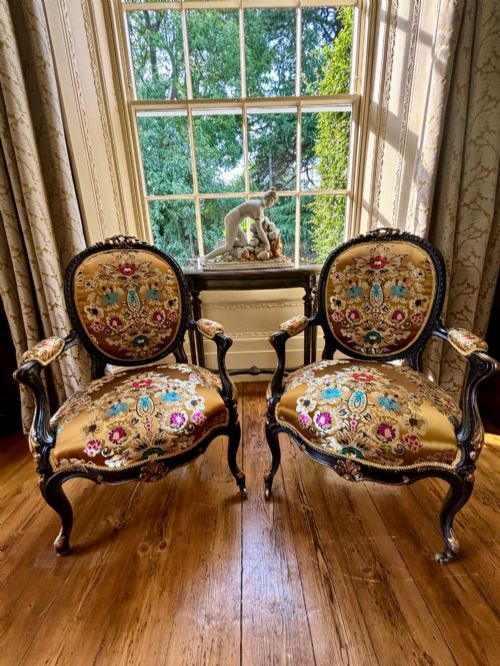
A victorian salon armchair represents the refined seating developed for the formal reception rooms of the nineteenth century. These seats appear singly, in pairs as ladies and gents chairs, or as part of larger parlour suites.
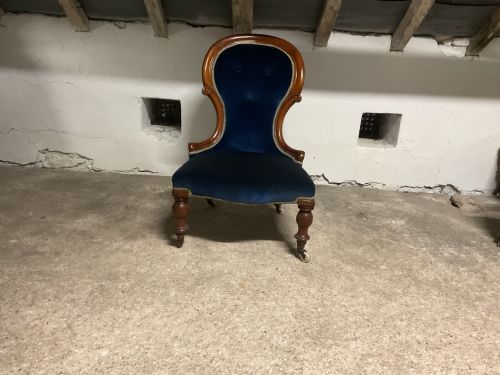
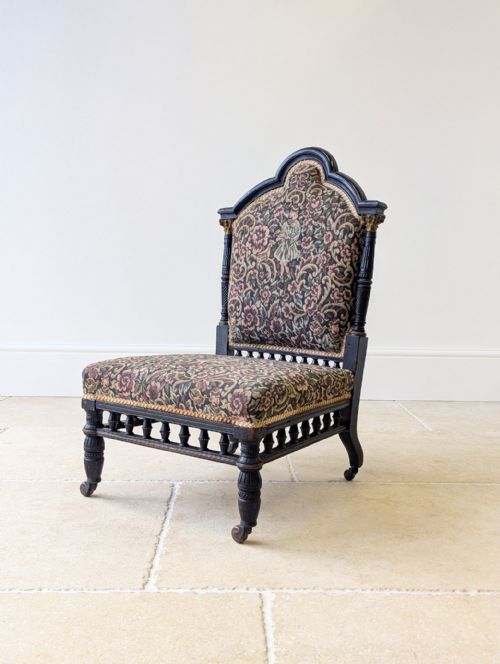
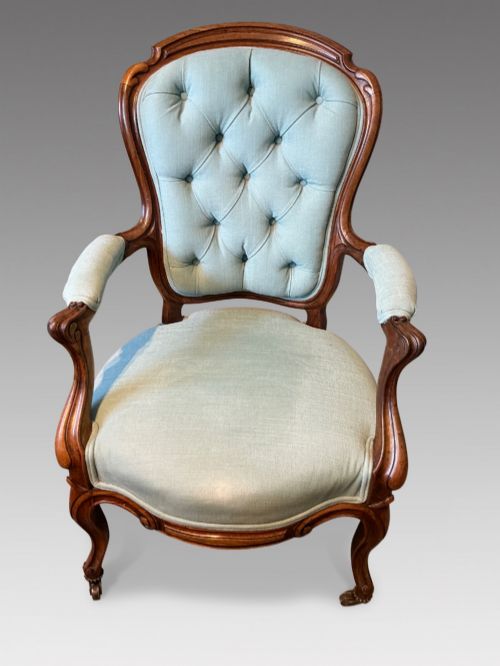
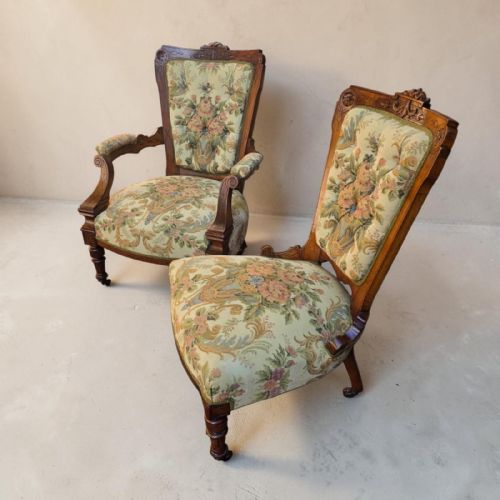
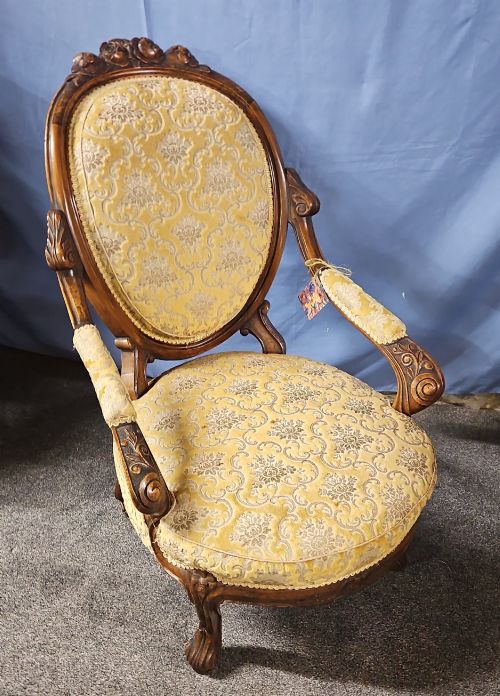
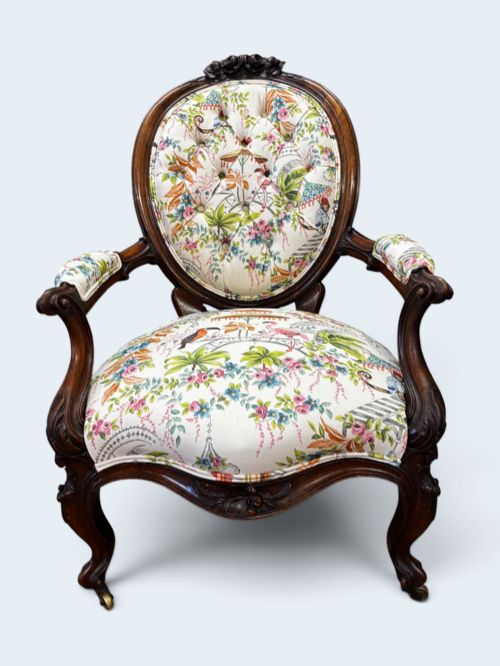
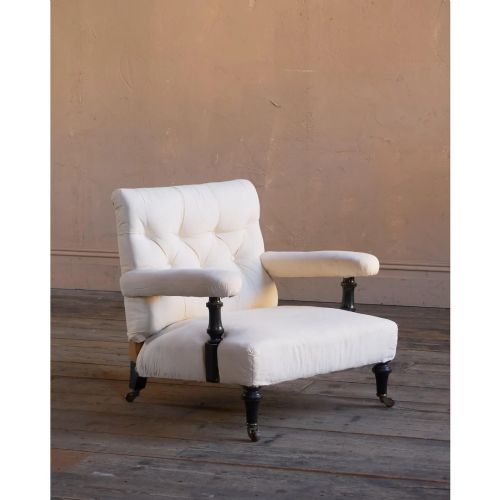
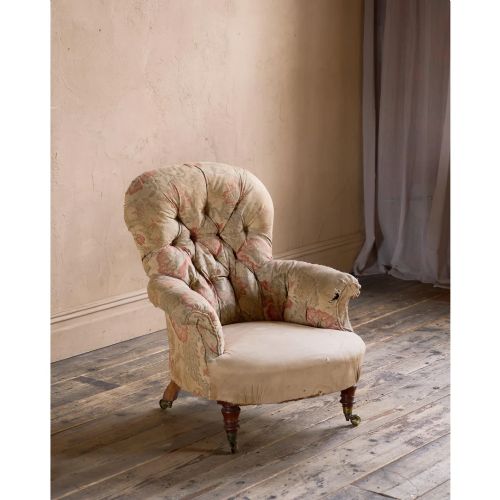
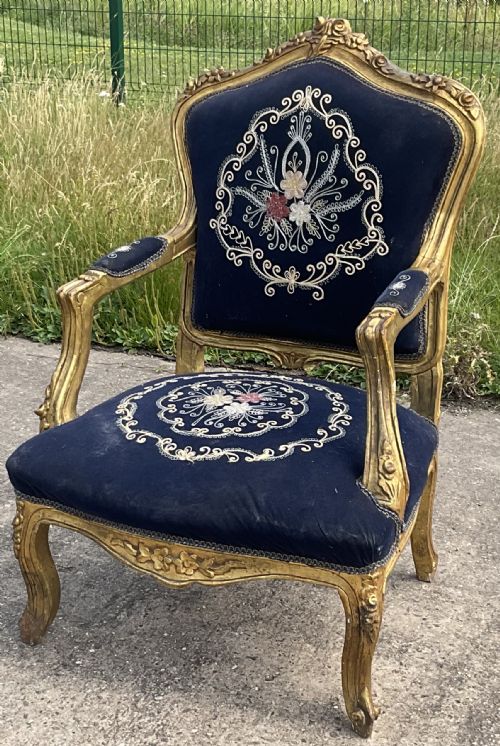
The prevalent forms found in this collection include open armchairs, spoon-back designs, low nursing chairs, and show-frame armchairs. Walnut and mahogany frame woods predominate, frequently paired with buttoned upholstery or damask fabrics.
Originating largely from the mid to late nineteenth century, these pieces reflect the shifting revival styles from rococo curves to aesthetic movement simplicity. Buyers encounter everything from compact bedroom chairs to generously proportioned drawing-room seats.
How They Were Made
Cabinetmakers utilised dense timbers such as walnut, mahogany, rosewood, and occasional ebonised wood to build sturdy show-frames. These wooden structures often featured hand-carved cabriole legs, scroll arms, or elaborate crest rails.
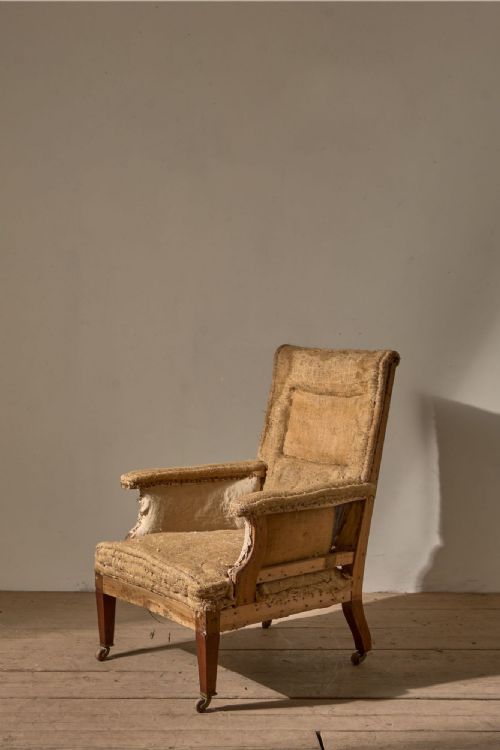
Upholstery techniques defined the comfort of the seat, employing deep buttoning, springs, and stuffing covered in velvet, silk, or damask fabrics. Brass castors frequently supported the feet, allowing easier movement across nineteenth-century carpets.
Victorian Salon Armchair Retail Price Guide 2026
Typical asking prices for victorian salon armchair among the pieces listed under this phrase on Sellingantiques today, from the lower quarter to the upper quarter. They describe what is for sale here now, not the wider market.
Some gentleman chairs arrived paired with smaller ladies seats, offering a matched set for Victorian fireside debates.
What Varies in Quality
The crispness and depth of the timber carving set superior frames apart from plainer commercial output. Master workshops invested considerable labour in sculptural walnut and mahogany flourishes that remain sharp and well-defined.
Proportion and scale dictate the visual success of the chair, with top-tier examples offering balanced curves and harmonious framing. The integrity of the show-wood construction and the quality of the timber grain determine the standing of individual pieces.
Mellier & Co·Holland & Sons
The Victorian Salon Armchair Glossary
- Spoon-back
- An upholstered chair back shaped in a concave oval resembling the bowl of a spoon. This ergonomic contour hugs the sitter's spine.
- Show-frame
- A wooden armchair structure where polished timber remains largely visible around the upholstered panels. This highlights the cabinetmaker's joinery and wood selection.
- Cabriole leg
- A furniture leg that curves outward and then tapers inward, ending in a pad or scroll foot. It draws inspiration from animal limbs.
- Buttoned upholstery
- A textile covering secured with deep indentations formed by sewn-in buttons. This technique keeps internal stuffing evenly distributed.
- Fauteuil
- An open-framed armchair with padded armrests and an exposed wooden structure. The term originates from French seating design.
Victorian Salon Armchair: Frequently Asked Questions
How do I date a victorian armchair?
Dating relies on observing stylistic shifts from early rococo revival curves toward later aesthetic movement ebonised finishes. Timber choices and carved details also offer clues to the decade of manufacture.
Mid-century pieces tend to feature rich mahogany and walnut with undulating spoon-backs. Later examples incorporate ebonised surfaces or lighter structural frames.
Were these chairs used in bedrooms?
Certain smaller forms, such as low nursing chairs and bedroom armchairs, were specifically intended for private chambers. Their compact dimensions suited dressing rooms and personal sitting areas.
These pieces share the craftsmanship of larger parlour suites but offer lower seating heights. They provided comfortable resting places for private quarters.
How do I care for antique upholstery?
Preserving the fabric requires gentle vacuuming with a soft attachment to remove surface dust. Direct sunlight should be avoided to prevent textile fading.
Polished wood frames benefit from occasional waxing with appropriate cabinet wax. Keeping the room at a stable humidity protects both the internal stuffing and the timber.