





Victorian Ruby Pendant
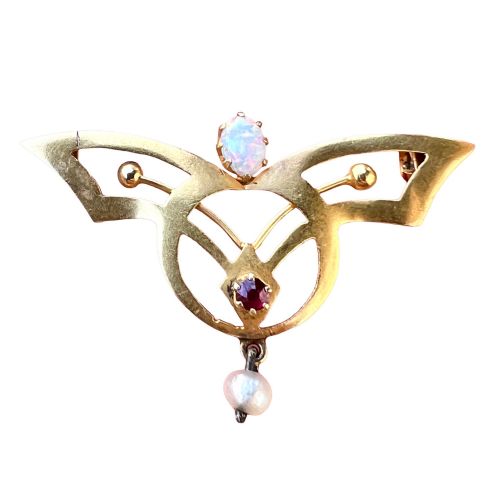
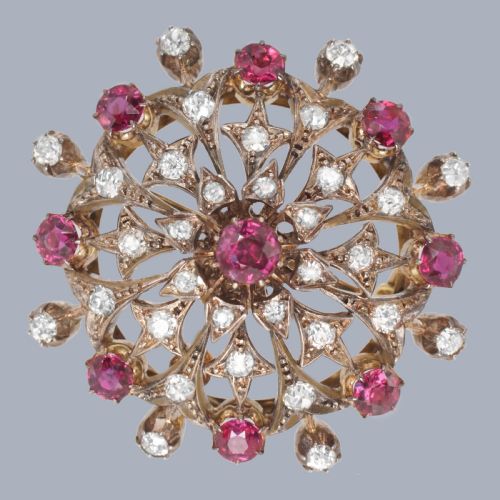
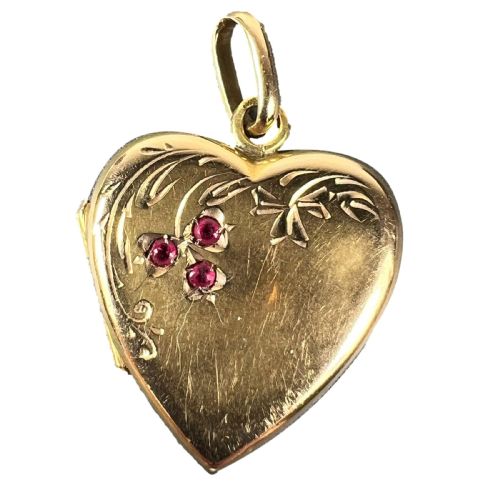
A victorian ruby pendant is a piece of historical jewellery that combines rich red stones with period gold or silver work.
Victorian Ruby Pendant
When you search for a victorian ruby pendant, you encounter delicate neck ornaments designed during the nineteenth century, often incorporating pearls, diamonds, and coloured gemstones.
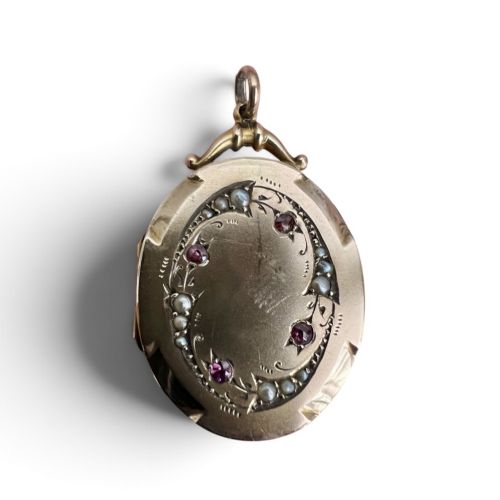
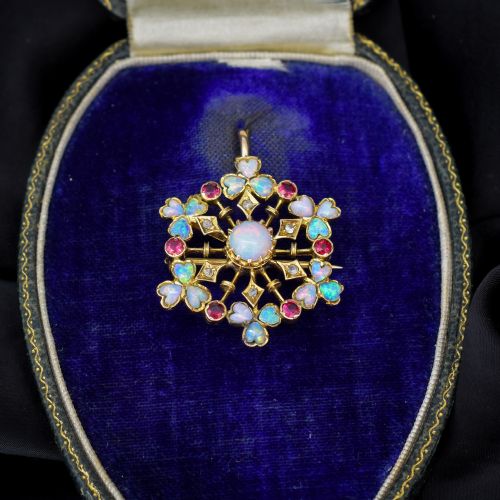
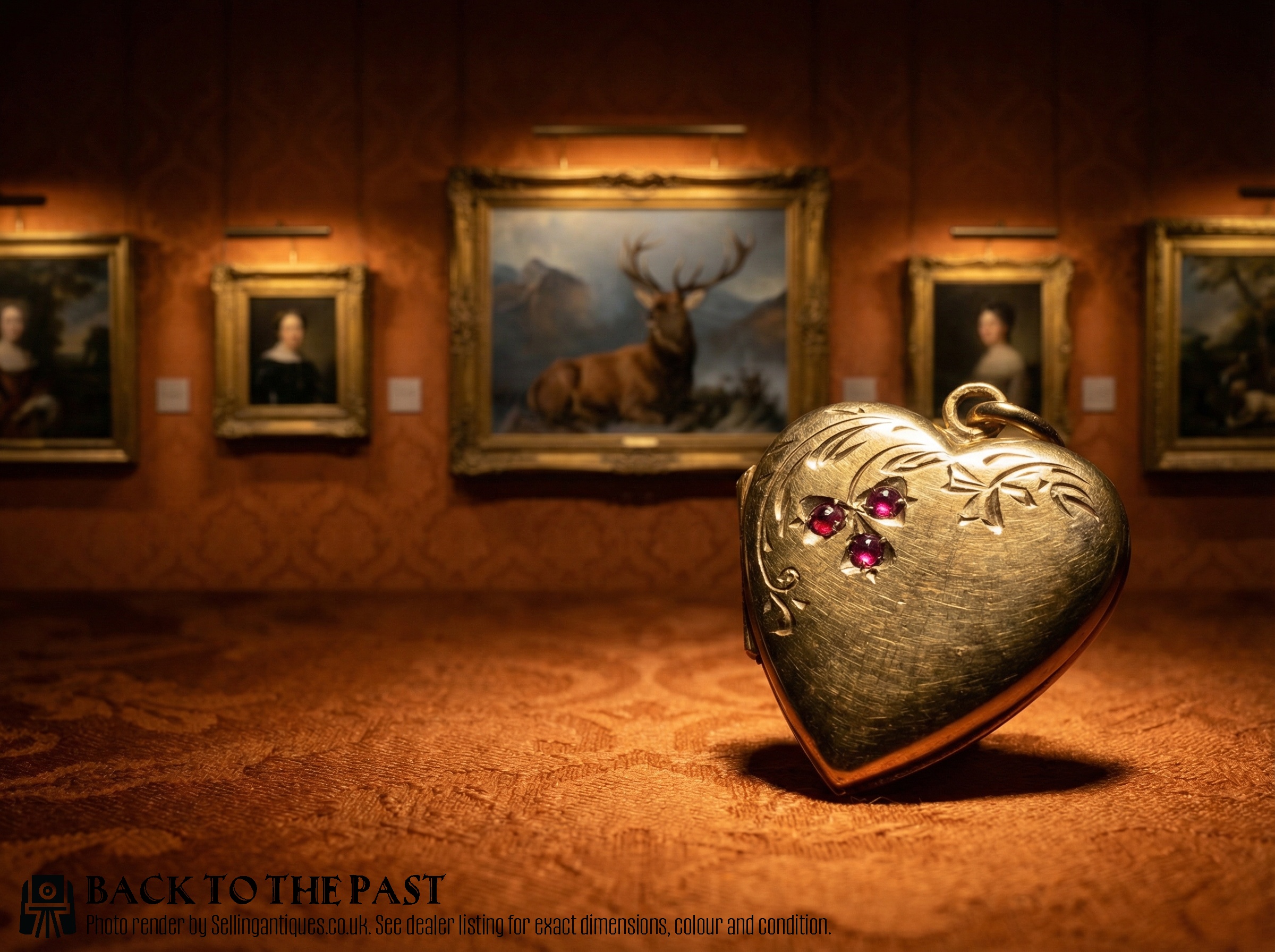
The versions most commonly met on this page include convertible brooch-pendants, floral clusters, and sentimental heart motifs set in yellow gold or silver-topped gold.
These items originate primarily from British and French makers, spanning the mid to late nineteenth century alongside related Edwardian examples.
How They Were Made
Goldsmiths utilised varying purities of gold, predominantly nine-carat, fifteen-carat, and eighteen-carat yellow and rose gold, alongside silver for mounting stones securely.
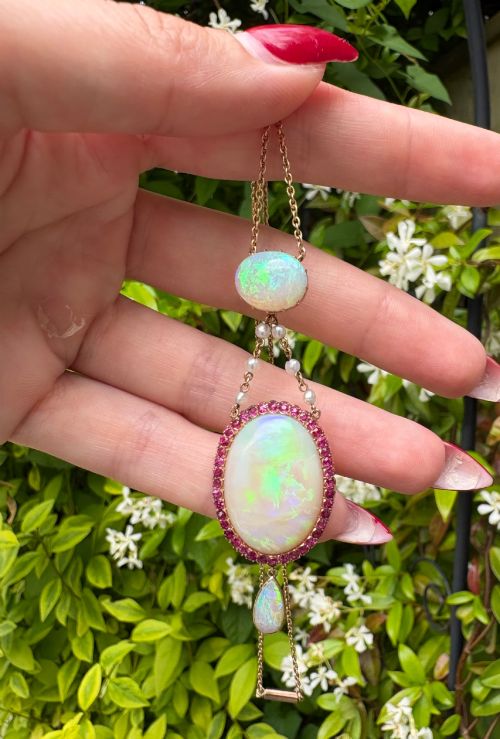
Rubies were combined with rose-cut and old-cut diamonds, seed pearls, and enamel, using hand-bezel and collet settings fashioned by period artisans.
Victorian Ruby Pendant Retail Price Guide 2026
Typical asking prices for victorian ruby pendant among the pieces listed under this phrase on Sellingantiques today, from the lower quarter to the upper quarter. They describe what is for sale here now, not the wider market.
Listings feature items incorporating rubies alongside opals, emeralds, sapphires, and diamonds set in silver, platinum, and various carats of gold.
What Varies in Quality
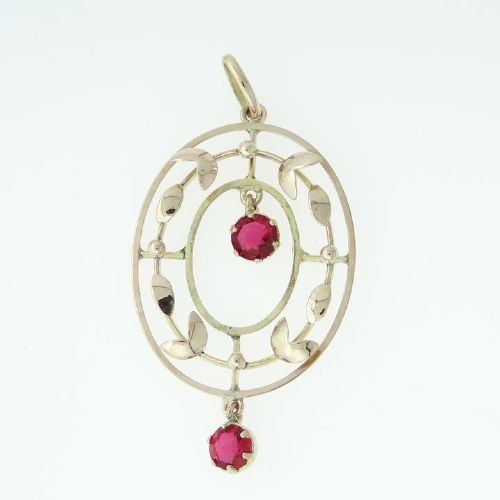
The distinction between tiers rests upon the origin and treatment of the gemstones, particularly whether rubies are natural and untreated versus simulated or paste replacements.
Superior construction involves intricate metalwork such as repoussé details, integrated multi-functional fittings for brooches and necklaces, and the proportional balance of surrounding diamonds.
The Victorian Ruby Pendant Glossary
- Collet
- A flat collar of metal that holds a gemstone in place by pushing the upper edge over the girdle. This technique provides a smooth, secure border around rubies and diamonds.
- Paste
- Hand-cut lead glass used to imitate gemstones in period jewellery. It offers brilliant light refraction but lacks the hardness of natural minerals.
- Repoussé
- A metalworking method where the design is hammered into relief from the reverse side. It creates dimensional floral or animal motifs on gold mounts.
- Rose-cut
- A vintage diamond cutting style featuring a flat base and a domed crown with triangular facets. It produces a soft, candlelit gleam rather than modern brilliance.
Victorian Ruby Pendant: Frequently Asked Questions
How do I wear a convertible pendant?
Many period pieces feature hidden loops and removable pins that allow them to function as both a brooch and a necklace ornament. You simply thread a chain through the bail or secure the pin fastening to garments.
Ensure the catch mechanism is secure before wearing the item on clothing to prevent loss.
Are the rubies always natural?
The stones vary across these examples, encompassing natural untreated gems, heated stones, and historical paste or simulated alternatives. Each piece relies on its specific material composition.
Examination under magnification often reveals inclusions that distinguish natural corundum from glass substitutes.
How should I clean my pendant?
Use warm water, mild soap, and a soft brush to remove dust from settings, taking care not to submerge fragile pearls. Professional ultrasonic cleaning is unsuitable for pearls and certain treated stones.
Dry the piece thoroughly with a soft cloth before storing it in a lined box.
How do I date these pieces?
Dating relies on stylistic clues, metal hallmarks, and setting techniques characteristic of the nineteenth and early twentieth centuries. Structural changes from the mid-Victorian era to the Edwardian period guide the timeline.
Comparing construction methods with dated archival examples helps narrow the period of creation.