
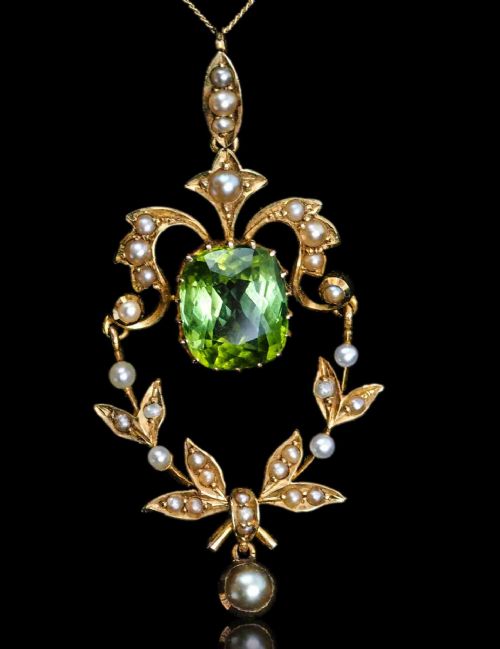


Victorian Gemstone Necklace
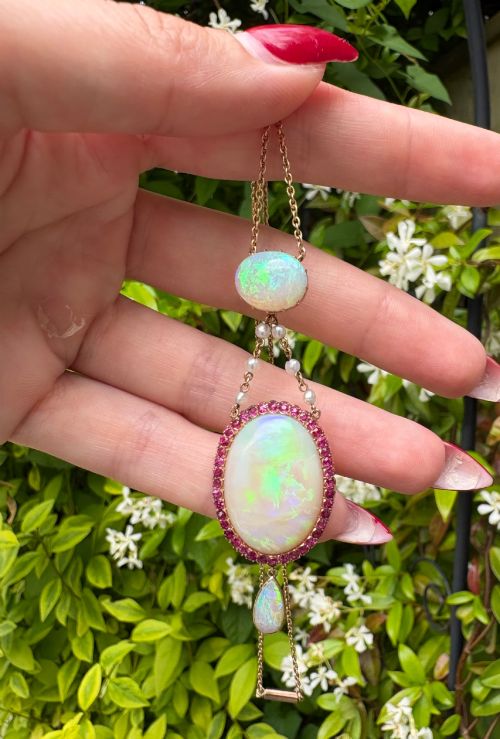
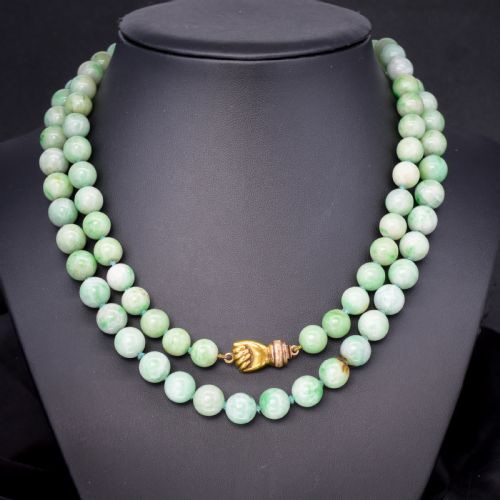
A victorian gemstone necklace brings together coloured stones and precious metals from the nineteenth and early twentieth centuries.
Victorian Gemstone Necklace
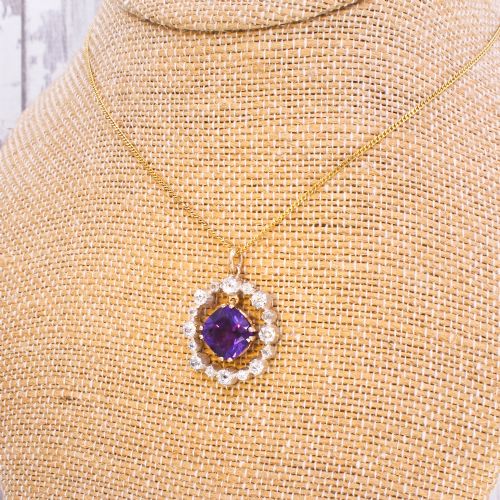
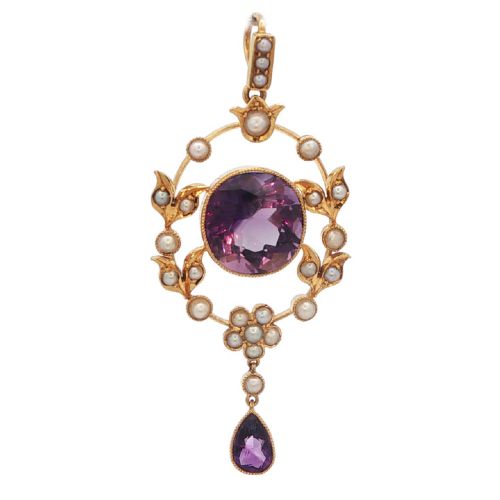
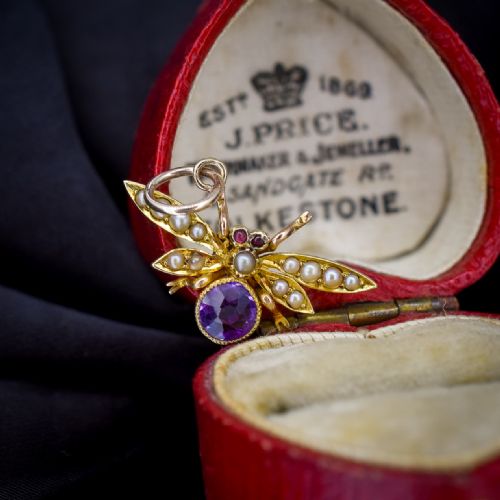
When you search for a victorian gemstone necklace, you find pieces set with amethysts, garnets, opals, peridots and pearls mounted in gold or silver. The most common examples on this page are pendants and necklaces featuring central amethysts surrounded by seed pearls, often dating from the nineteenth century.
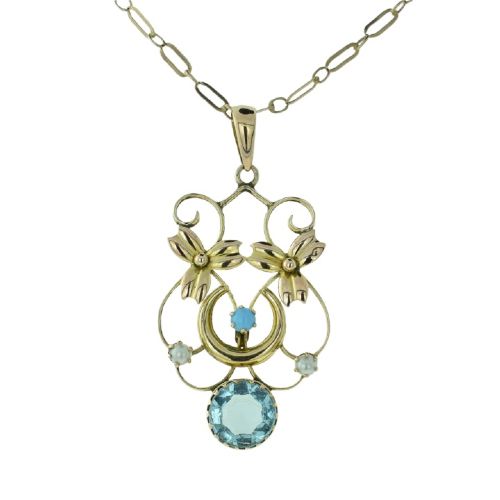
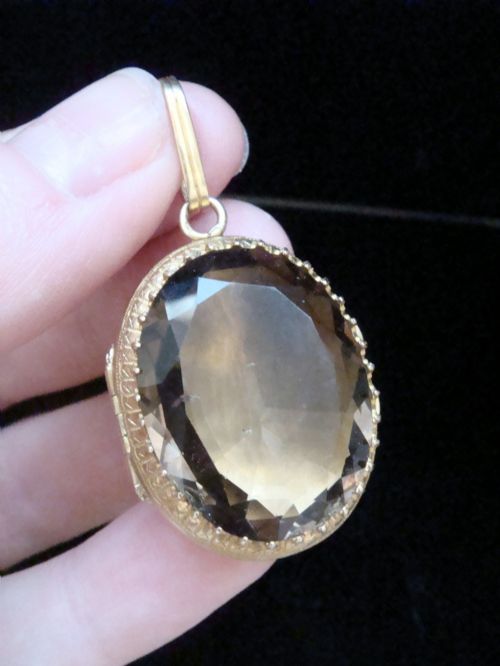
These items take various forms, including drop pendants, fringe necklaces, locket pendants and convertible pendant brooches. Makers utilised stones such as turquoise, citrine, tourmaline and diamonds alongside traditional gold and silver settings.
Pieces span early Victorian origins through to Edwardian, Art Nouveau and Arts and Crafts styles. They reflect the diverse aesthetic tastes of the period, ranging from foliate designs to geometric clusters and multi-gem arrangements.
How they were made
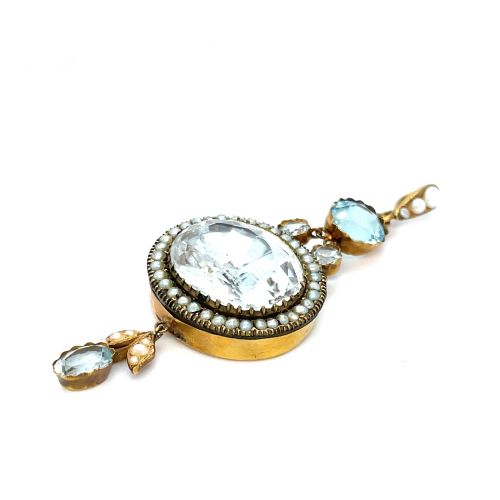
Goldsmiths worked primarily in 9ct, 14ct, 15ct and 18ct yellow and rose gold, occasionally combining silver and platinum settings to enhance diamond sparkle. Stones were hand-cut, including old cut diamonds, oval cut sapphires, faceted citrines and foil back aquamarines.
Craftsmen incorporated seed pearls, natural pearls and conch pearls, securing them alongside coloured gemstones in intricate collet and claw settings. Many items combined multiple manufacturing techniques, such as enamel work, fringe drops and modular fittings that allowed pendants to convert into brooches.
Listings feature 15ct gold frequently, a hallmark standard that was unique to the British empire between the mid-nineteenth and early twentieth centuries.
What varies in quality
Quality rests on the depth of colour and clarity of the central gemstones, such as deep Ceylon sapphires, Burma rubies and substantial amethysts. Finer examples display meticulous stone matching, particularly where seed pearls or multiple garnets form a cohesive fringe or cluster.
The sophistication of the metalwork distinguishes superior pieces, visible in hand-chased foliate details, secure settings and well-executed conversions between pendants and brooches. Maker attribution and the presence of original boxes further elevate the standing of individual items.
Murrle Bennett·Hamilton & Co
The Victorian Gemstone Necklace Glossary
- Foil back
- A technique where a thin sheet of metallic foil is placed behind a gemstone to reflect light and enhance its colour. This method appears frequently in nineteenth-century jewellery.
- Seed pearl
- A very small, natural or saltwater pearl, often drilled and threaded onto wire or silk. They are commonly used in clusters surrounding larger central stones in Victorian designs.
- Fringe necklace
- A necklace featuring dangling drops or pendants suspended at intervals along the main chain. Bohemian garnet versions are typical examples of this layout.
- Pendant brooch
- A versatile piece of jewellery fitted with both a suspension loop and a pin backing. This allows the item to be worn either on a chain or fastened to clothing.
- Old cut
- A diamond cutting style predecessor to the modern brilliant, characterised by a high crown, small table and deep pavilion. These cuts display a distinctive warm candlelight sparkle.
Victorian Gemstone Necklace: Frequently Asked Questions
How do I wear a convertible pendant brooch?
These versatile items feature a hidden or hinged bail alongside a secure pin finding on the reverse. You can thread a gold chain through the loop to wear the piece as a necklace during the day.
By tucking the chain away and fastening the pin, the item transforms into a substantial brooch for a lapel or evening wear.
What is the difference between Victorian and Edwardian styles?
Victorian pieces often feature heavier gold work, bold coloured gemstones like amethysts and garnets, and sentimental motifs including hearts and foliate designs. They span a lengthy era of changing industrial and aesthetic influences.
Edwardian designs tend to favour lighter settings, frequently combining diamonds, pearls and platinum or white gold for an airy, lace-like appearance.
How should I care for antique pearl and gemstone jewellery?
Pearls are organic and sensitive to harsh chemicals, perfumes and cosmetics, so you should put your necklace on last after applying makeup. Clean them gently with a soft, dry cloth rather than submerging them in liquid cleaners.
Store each piece in a separate compartment or box to prevent harder gemstones like diamonds and amethysts from scratching softer materials.
Can I replace a missing seed pearl?
Replacing a missing seed pearl requires a specialist jeweller who can source a pearl matching the historical size, drilled hole and lustre of the originals. Because these pearls are often threaded tightly or held in delicate settings, professional intervention ensures the surrounding metalwork remains undisturbed.