


Antique Filigree Pendant
When you handle an antique filigree pendant, you hold a delicate piece of wirework history that brings intricate pattern and period charm to the neck.
Antique Filigree Pendant
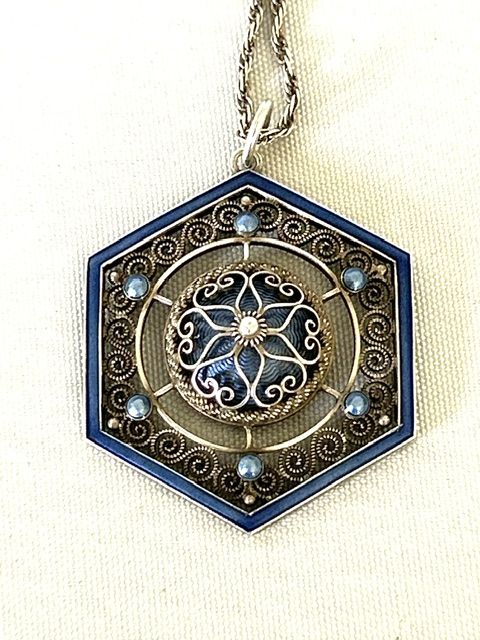
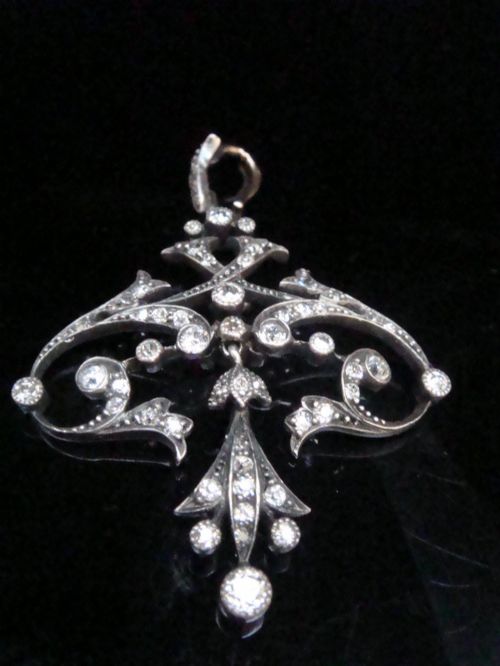
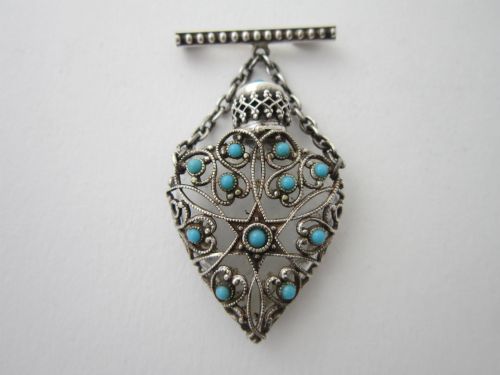
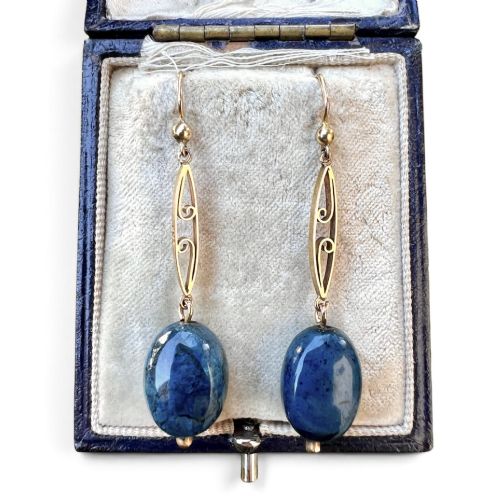
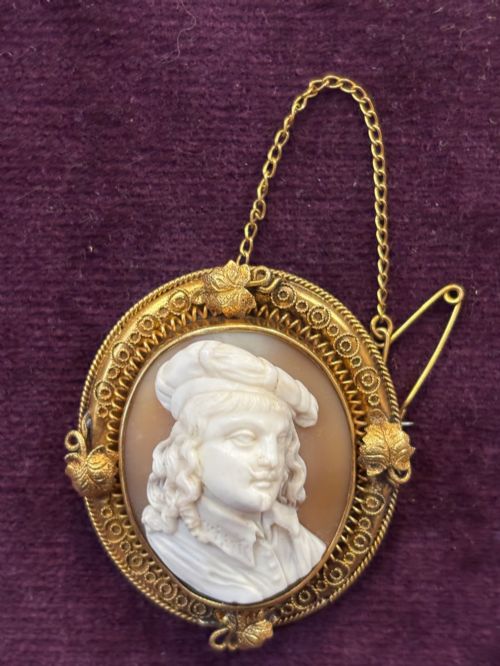
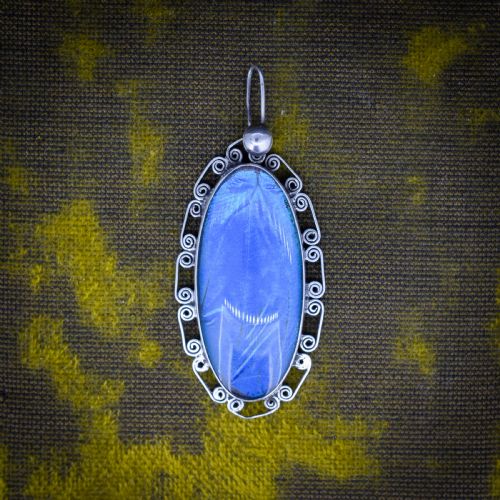
An antique filigree pendant is an ornamental piece of jewellery featuring fine twisted metal threads soldered together to create openwork motifs. These items emerge primarily from Victorian, Edwardian, and Art Deco periods, spanning the nineteenth and twentieth centuries.
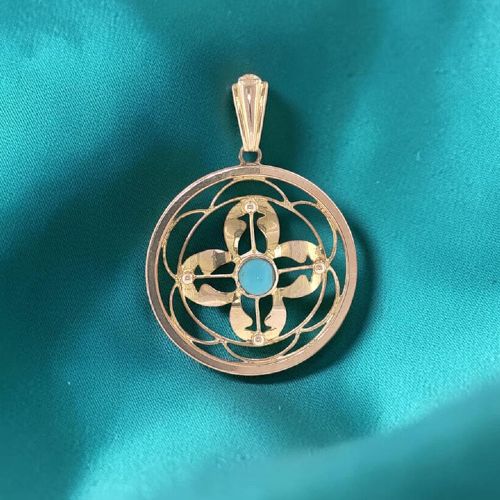
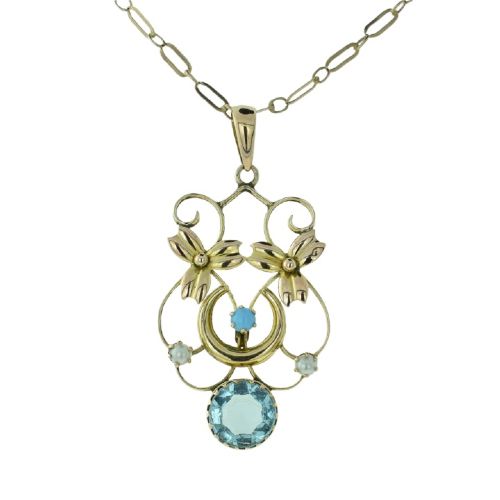
The most common versions met on this page combine silver or gold settings with stones such as turquoise, amethyst, pearl, and diamond. Buyers encounter various forms including lavalieres, lockets, and drop designs alongside regional expressions like Ottoman style and Turkmen cordiform work.
Makers ranged from individual workshops to notable names such as Marius Hammer and Carl Bucherer, utilising metals and gems to form distinctive pendant necklaces. These ornaments reflect stylistic shifts from organic Art Nouveau curves to geometric Art Deco lines.
How they were made
Goldsmiths and silversmiths drew metal into fine wires, flattening or twisting them before shaping them into scrolls and openwork lattices. These delicate wire assemblies were then soldered to a solid metal backing or structured as self-supporting lace-like frameworks.
Jewellers set stones including diamonds, amethysts, topazes, and seed pearls directly into the metal framework or held them securely with collets and bezels. Enamel work, such as guilloche, often added vibrant colour to the silver or gold body of the pendant.
Listings feature silver and gold settings combined with diamonds, turquoise, seed pearls, and amethysts across Victorian and Art Deco periods.
What varies in quality
The distinction between ordinary and exceptional work lies in the density and precision of the wirework. Master artisans created complex, tightly soldered lattices without messy solder residue, while lesser examples display uneven spacing and heavier, rigid construction.
The selection of materials also dictates the tier of the piece. Top examples incorporate precious platinum or high-carat gold paired with well-matched natural gemstones, whereas simpler versions rely on lower-grade silver or glass components.
Marius Hammer·Carl Bucherer
The Antique Filigree Pendant Glossary
- Filigree
- Ornamental work consisting of fine wire, usually of gold or silver, soldered together in delicate patterns. It forms the primary decorative element of these pendants.
- Lavalier
- A pendant featuring a dangling stone or drop suspended from a shorter chain or central link. This style gained popularity during the Edwardian era.
- Guilloche
- An ornamental technique in which a very precise, intricate repeating pattern is mechanically engraved into a metal surface. Enamel is frequently applied over this engraving for translucent colour.
- Cordiform
- Heart-shaped in outline. This term describes specific ethnic pendants like the Turkmen Asyk.
- Collet
- A band or collar of metal that holds a gemstone in place within a setting. It provides a clean border around the face of the stone.
Antique Filigree Pendant: Frequently Asked Questions
How do I care for antique filigree pendants?
Clean these delicate items gently with a soft brush and warm soapy water, avoiding harsh chemical dips that can damage fragile wirework and softer gems like pearls.
Store them individually in lined boxes to prevent the fine metal threads from catching on other pieces of jewellery.
What periods do these pendants come from?
The listings span from the early nineteenth century through the Victorian and Edwardian eras, extending into Art Deco and Mid-Century designs.
Stylistic markers such as symmetrical geometry or flowing botanical curves help indicate the specific era of manufacture.
Are chains usually original to the pendant?
Many pendants survive without their original neckchains, meaning dealers frequently pair them with complementary period-appropriate chains made of matching silver or gold.
Examining the link styles and metal purity marks helps determine if the chain and pendant share the same era.
How do I identify silver filigree work?
Look for hallmarks stamped on the jump rings or reverse sides that indicate the purity of the silver and sometimes the country of origin.
Handmade wirework often exhibits slight irregularities under magnification, distinguishing true antique construction from modern cast reproductions.