


Victorian Glass Locket
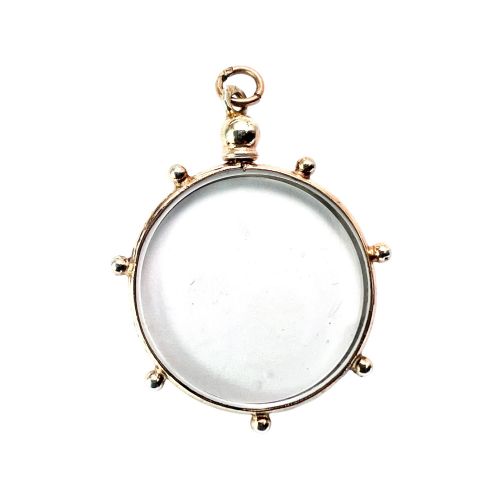
These Victorian glass locket pieces combine precious metals with glazed compartments designed to hold intimate mementoes close to the heart.
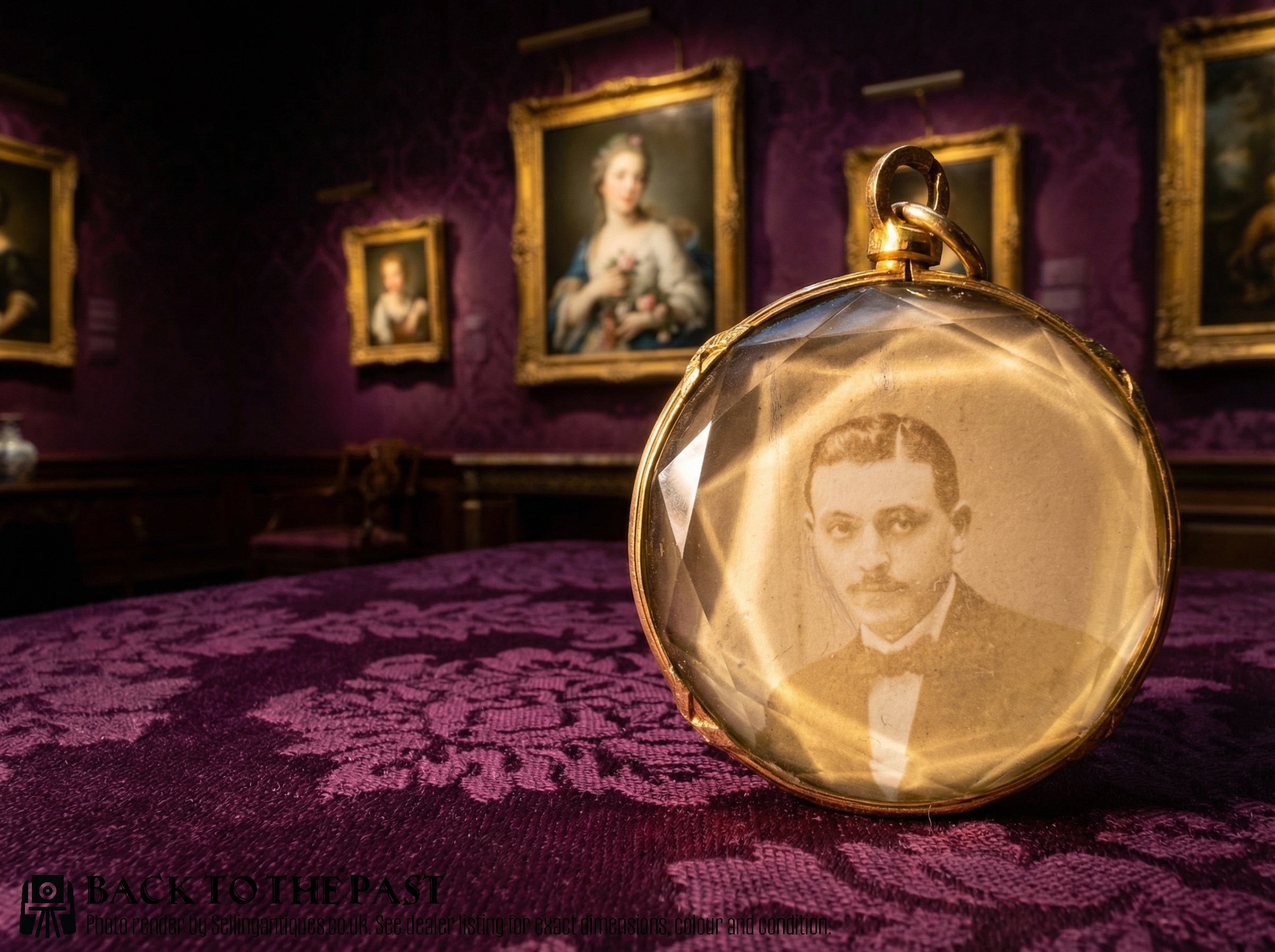
Victorian Glass Locket
Beyond standard pendant formats, the inventory incorporates hybrid objects such as mourning rings, scent bottles, and shaker bangles where loose seed pearls or stones shift behind glass panels. These pieces frequently draw upon Georgian and Edwardian design traditions, reflecting evolving sentiments in jewellery manufacture.
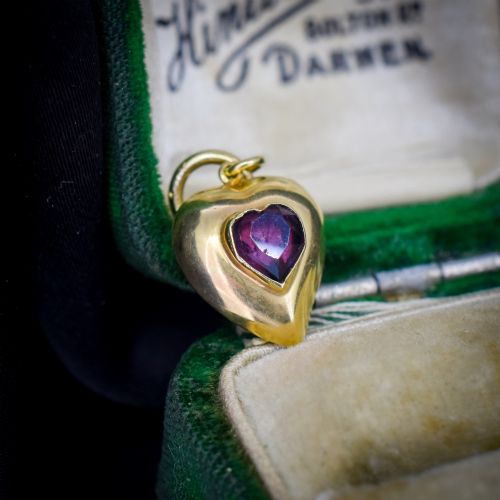
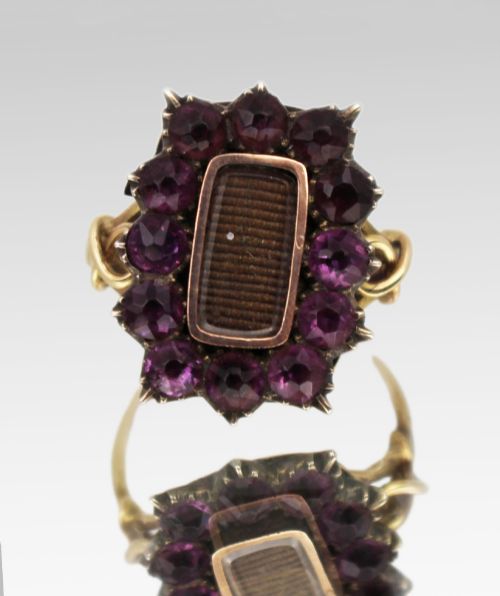
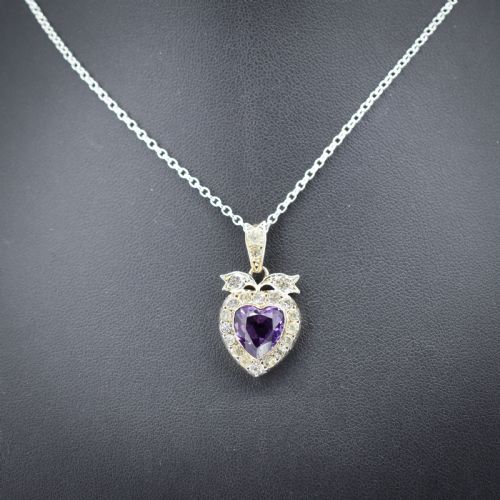
The materials utilised range from plain silver and rolled gold to substantial eighteen-carat yellow and rose gold mountings. Pieces often incorporate paste stones, amethysts, garnets, enamel work, and meticulously arranged hair work to enhance their decorative appeal.
Materials and Construction
Metals form the structural foundation of these items, utilising silver, gold on silver, and solid nine-carat, eighteen-carat, and twenty-one-carat gold mountings. Makers also employed rolled gold techniques to achieve durable finishes without solid precious metal costs.
Glass components are carefully integrated to create transparent compartments, held in place by screw mechanisms, bezels, or hinged picture frames. These glazed sections frequently protect delicate interior contents such as seed pearls, enamel details, and intricate hair work.
Victorian Glass Locket Retail Price Guide 2026
Typical asking prices for victorian glass locket among the pieces listed under this phrase on Sellingantiques today, from the lower quarter to the upper quarter. They describe what is for sale here now, not the wider market.
Some lockets doubled as scent bottles, ensuring the wearer was prepared for both sentimental reflection and sudden odours.
Distinctions in Quality
Quality manifests in the precision of the metalwork, distinguishing between ornate, hand-finished gold frames and simpler silver or rolled gold mounts. The complexity of the internal arrangement, such as detailed hair work or secure screw closures, further separates standard production from finer examples.
The selection of auxiliary materials also dictates overall standard, with genuine gemstones like garnets or high-grade old cut paste stones elevating a piece above simpler glass settings. The integrity of the glazed panels and the robustness of the opening mechanism determine the enduring utility of the locket.
The Victorian Glass Locket Glossary
- Glass top screw locket
- A pendant featuring a glazed compartment secured by a threaded bezel ring. This design allows the wearer to unscrew the frame and update the enclosed photograph or memento.
- Shaker locket
- A jewellery piece with a transparent glazed cavity containing loose decorative elements such as seed pearls or small stones. These components move freely within the sealed compartment when worn.
- Paste
- Hand-cut and polished lead glass used to imitate gemstones. In these pieces, old cut paste provides the brilliance of diamonds or coloured stones like amethyst.
- Hair work
- The Victorian craft of arranging human hair into intricate decorative patterns for memorial jewellery. These delicate designs are typically placed beneath the glass cover of a locket or ring.
Victorian Glass Locket: Frequently Asked Questions
What goes inside a glass locket?
These pieces typically enclose miniature portraits, pressed botanicals, or detailed arrangements of human hair created as memorials or tokens of affection. Some variants feature shaker compartments that hold loose seed pearls rather than fixed items.
Owners can often access these compartments via hinged frames, screw bezels, or snap closures to insert or adjust the internal memento.
How do I date a Victorian locket?
Dating relies on examining the hallmarks, metal purity marks, overall style, and specific manufacturing techniques present in the piece. Pieces span the Georgian, Victorian, and Edwardian eras, often showing stylistic overlaps between periods.
Materials such as rolled gold, eighteen-carat gold, and specific paste stone cuts also provide chronological clues when compared against documented jewellery history.
Are glass lockets fragile?
While the glazed panels require careful handling to avoid cracking or scratching, the surrounding gold and silver mountings provide robust protection. Everyday wear is generally safe provided the piece is not subjected to sharp impacts.
Secure settings and thick glass plates help preserve the internal mementoes, though older threaded bezels should be turned gently during maintenance.
Can I wear a locket daily?
Many owners wear these pendants and charm configurations regularly, though delicate forms like hair work lockets or bangle attachments benefit from mindful care. Avoiding exposure to water, harsh chemicals, and physical strain helps preserve the integrity of the glass and metal.
Checking the security of the clasp and any screw-top bezels ensures the contents remain safely sealed during use.