




Victorian Photo Pendant
These Victorian photo pendant designs are miniature sanctuaries for likenesses, offering wearable sentiment in precious metals and stones.
Victorian Photo Pendant
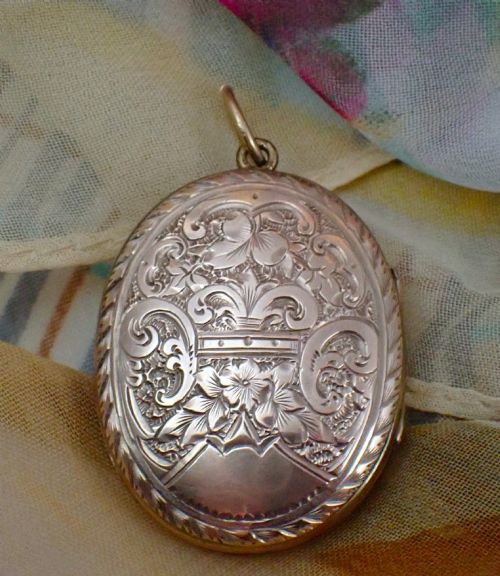
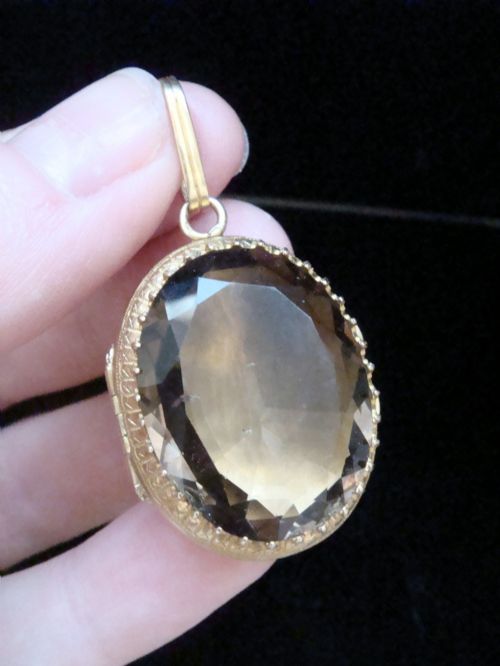
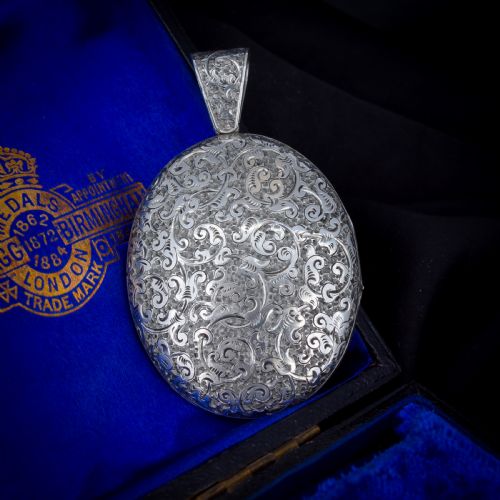
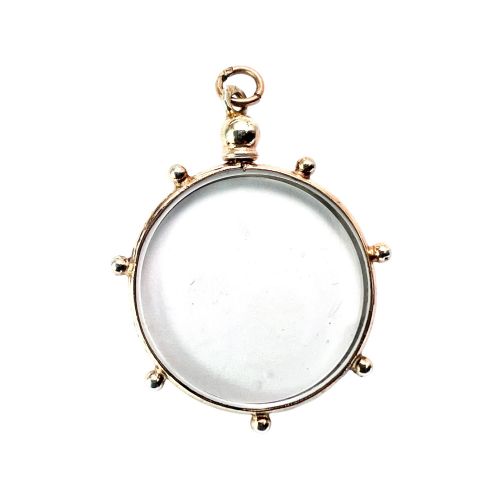
A Victorian photo pendant is a hinged or double-fronted container designed to hold a small portrait close to the wearer. These pieces bridge the gap between personal memento and high-status jewellery, functioning as both personal keepsakes and miniature works of art.
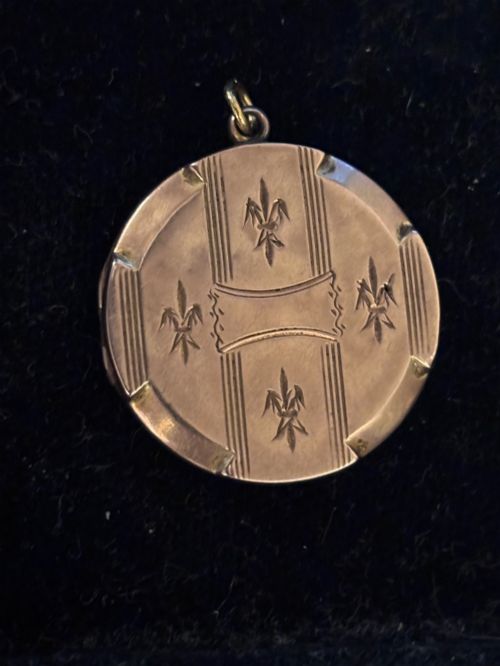
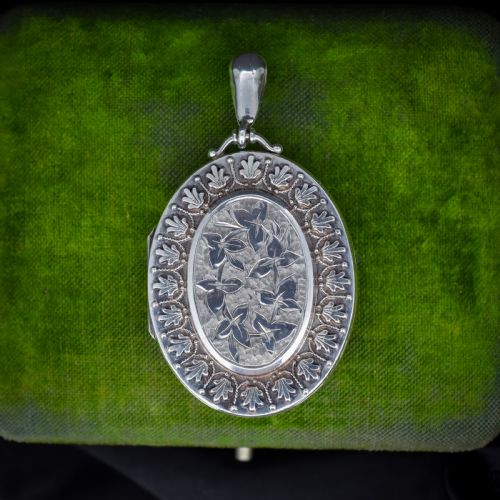
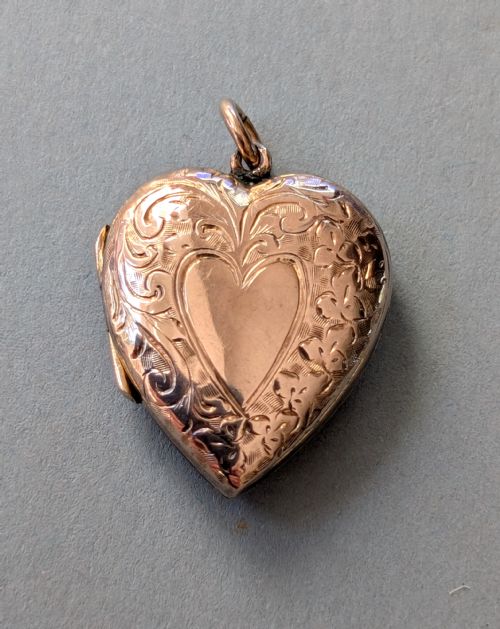
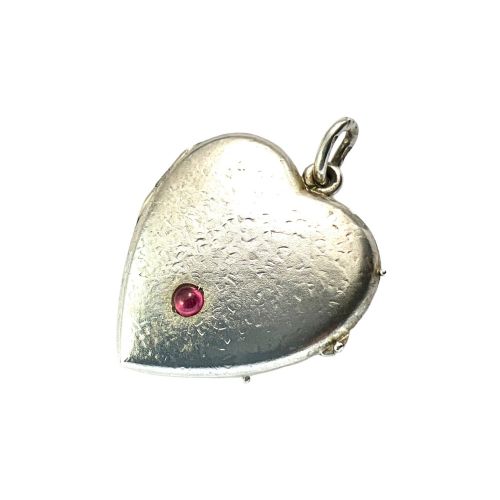
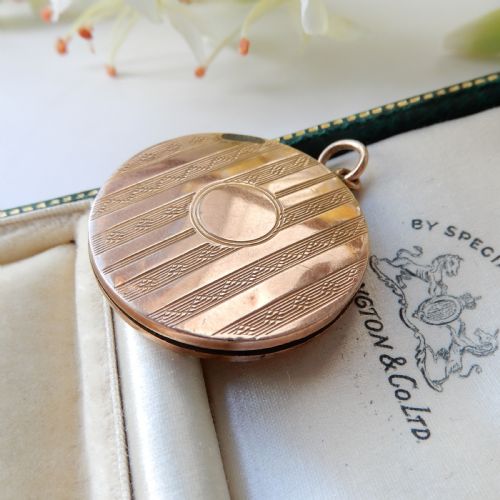
Most examples found here appear as lockets or combined locket pendants in sterling silver or various gold karats. Forms range from simple oval and round lockets to specialised shapes like horseshoes, witches hearts, and items mimicking pocket watches.
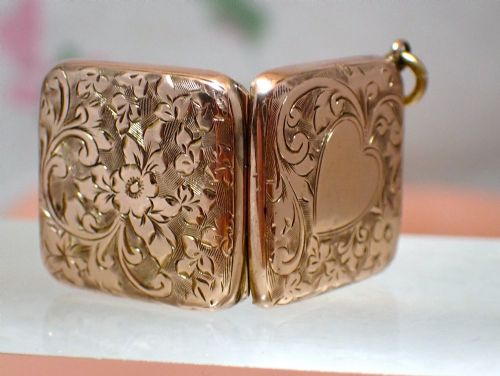
The aesthetic leans heavily on the Victorian period and French Napoleon III style. Pieces often integrate surface decoration such as floral engraving, swallows, flower baskets, and snakes alongside gemstone accents.
Materials and construction
Construction relies primarily on precious metals including sterling silver, 9ct rose gold, yellow gold, 15ct gold, 18ct yellow gold, and gold gilt. Metals are worked into hinges, bezels, and wirework to secure internal photo compartments.
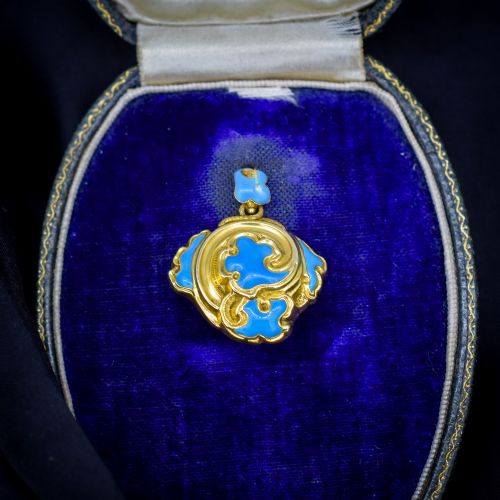
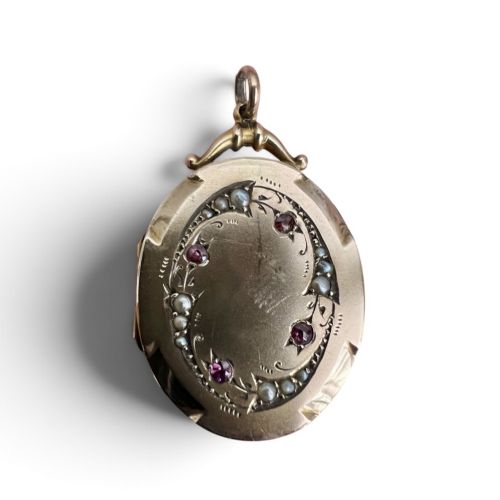
Gemstone embellishment forms a significant part of the manufacturing technique. Turquoise, seed pearls, rose cut diamonds, and enamel are integrated into bezels and clusters around the central photo frames.
Victorian Photo Pendant Retail Price Guide 2026
Typical asking prices for victorian photo pendant among the pieces listed under this phrase on Sellingantiques today, from the lower quarter to the upper quarter. They describe what is for sale here now, not the wider market.
The documented forms include standard oval and round shapes alongside specialised silhouettes like horseshoes, swallows, and items mimicking pocket watches.
Factors that distinguish the work
Quality separates along the complexity of metalworking and the integration of decorative elements. Hand engraving, such as detailed feather patterns on swallow birds or fine floral motifs, demands high levels of manual skill compared to stamped or plain surfaces.
The choice of materials and stones dictates the tier of the piece. Solid higher karat golds and detailed cluster borders set with seed pearls, turquoise, or rose cut diamonds represent more ambitious manufacturing than simpler silver or gilt items.
The Victorian Photo Pendant Glossary
- Seed pearl
- Very small, naturally occurring pearls often used in tight clusters to frame central compartments or create delicate floral patterns in Victorian jewellery.
- Double fronted
- A locket design featuring two opening faces or compartments for displaying multiple photographs simultaneously without needing to open the main body.
- Wirework
- A technique involving fine gold or silver wires twisted and soldered into intricate ornamental patterns, commonly seen on high-end Victorian pieces.
- Enamel
- A glassy substance fused to the surface of metal through firing, used to add permanent colour and pattern to the exterior of the pendant.
Victorian Photo Pendant: Frequently Asked Questions
How do I open a Victorian photo pendant?
Most pieces rely on a tiny hinge and a thumbnail notch along the rim to release the snap closure. Care must be taken not to force older gold or silver hinges.
Internal frames or glass covers often hold the photograph in place, sliding out or lifting via a tiny lip inside the cavity.
Can I put a modern photo inside?
Yes, modern photographs can be trimmed down with sharp scissors to match the exact interior dimensions of the bezel. Thin paper works best so the locket closes flush.
Original paper photographs or hair mementoes already inside should be preserved carefully if they remain intact from the nineteenth century.
How do I clean silver and gold photo pendants?
Gentle wiping with a soft, dry microfibre cloth removes surface oils without disturbing delicate engravings or soft stones like turquoise and pearls. Moisture can damage old paper photographs stored inside.
Harsh chemical dips must be avoided entirely, particularly on pieces containing seed pearls, enamel, or closed-back foil-backed diamonds.
Were these worn as necklaces or fobs?
They served multiple functions depending on the design and weight, appearing on long chains around the neck or suspended from shorter watch chains as fobs. Heavier items mimicking pocket watches or fitted with swivel rings were frequently attached to waistcoats.
Lighter silver and gold variations with fixed suspension loops were intended primarily for neck chains.