

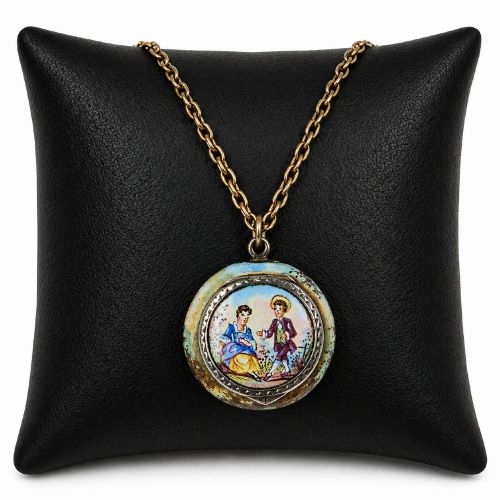


Antique Silver Medallion
An antique silver medallion brings historical character to your jewellery collection, offering tangible connections to past achievements and personal sentiments.
What these pieces are
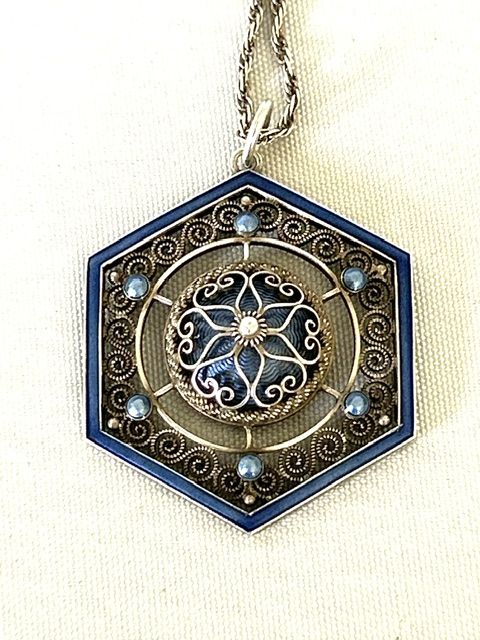
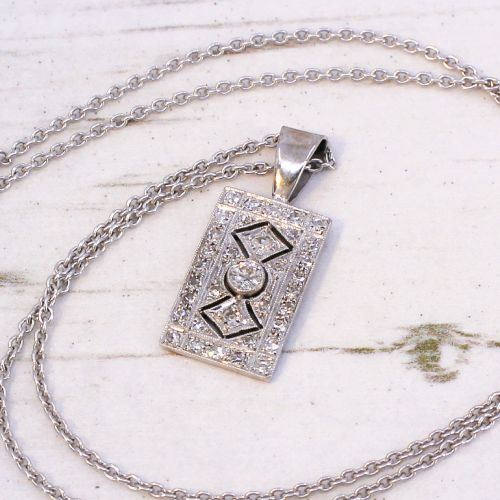
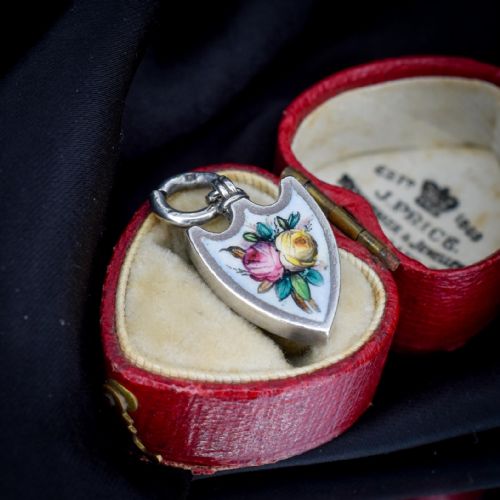
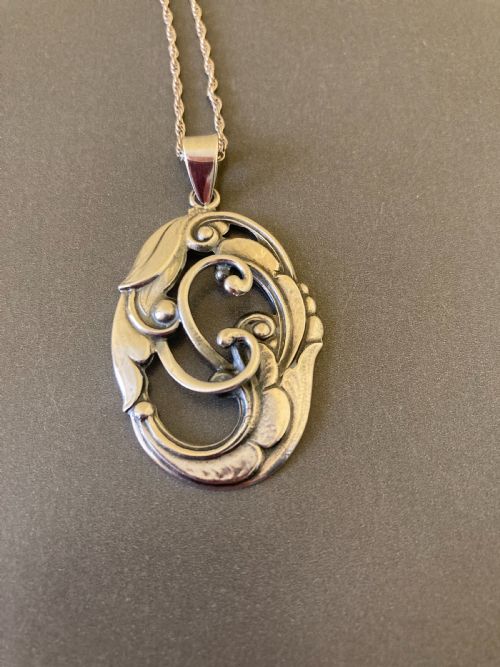
The forms range from engraved photo locket pendants and Art Nouveau designs to sports medals and novelty pieces like darts boards. Many carry specific dates or commemorative inscriptions, tying them directly to past events and organisations.
Origins span British and French workshops, encompassing styles from the Victorian era through Edwardian and Art Deco periods. These items served as wearable honours, keepsakes, and decorative accessories rather than mere currency.
How they were made
Silversmiths utilised solid silver and sterling silver as the primary metals, sometimes combining the base with enamel, pearls, and gemstones for visual contrast. Construction often involved stamping, casting, and intricate hand engraving to produce detailed surfaces and crisp lettering.
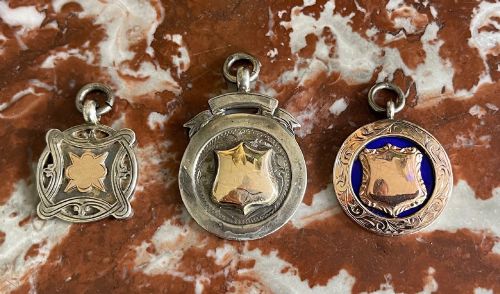
Many medallions integrate functional elements such as suspension loops for watch fobs or hinged compartments for photographs, demonstrating sophisticated small-scale metalworking. Interior linings of satin, velvet, or leatherette appear in fitted housings, protecting the delicate metalwork and embellishments.
Retail Price Guide 2026
Typical UK retail prices for silver medallion, calculated from the Sellingantiques database of over a million retail prices indexed since 2003. This retail price guide relies exclusively on Sellingantiques data; no external sources or auction records are used, so the figures do not describe the wider market.
What varies in quality
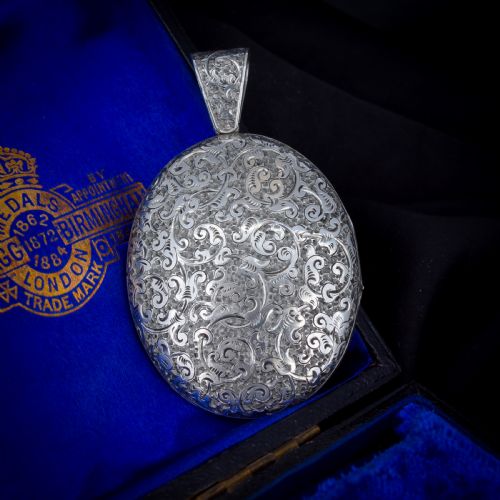
The distinction between ordinary and exceptional pieces lies in the crispness of the hand engraving and the complexity of the design. Superior examples display deep, sharp relief and well-executed lettering that remains clear despite age and handling.
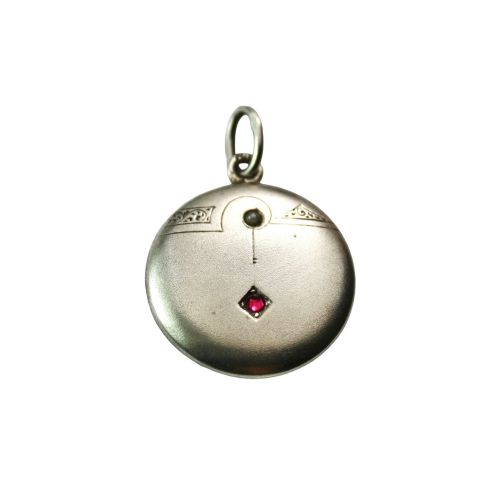
Material integration also dictates quality, particularly where enamel work, baroque pearls, or gemstones are present. Better items feature undamaged enamel with vibrant colours and secure stone settings that sit flush within the silver frame.
The Antique Silver Medallion Glossary
- Medallion
- A large medal-like metal piece worn as a pendant or carried as a fob. These objects often commemorate specific events, clubs, or personal achievements.
- Watch Fob
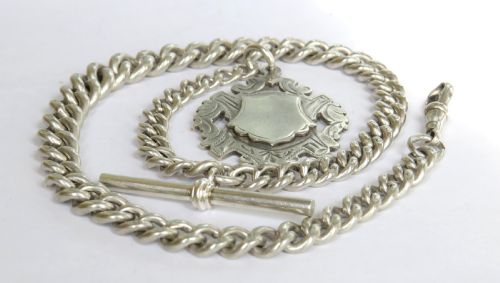
- A short chain or ornament attached to a pocket watch, frequently featuring a small silver medallion or seal at the end. Victorians used these daily as functional dress accessories.
- Sterling Silver
- An alloy of silver containing a high proportion of pure silver by mass, ensuring durability and a bright finish. British items often carry hallmarks to confirm this standard.
- Enamel
- A glassy substance fused to the surface of the metal through firing, adding decorative colour and pattern. It requires careful handling to prevent chipping over time.
Frequently Asked Questions
What is an antique silver medallion?
An antique silver medallion is a metal piece created for commemoration, award, or personal adornment, typically originating from the nineteenth or early twentieth century. These items capture specific historical moments, sporting victories, and artistic movements in durable silver.
Collectors prize them for their miniature artistry and the social history embedded in their inscriptions and designs. They function today as distinctive pendants and wearable pieces of history.
How were watch fobs used?
Watch fobs hung from the pockets of waistcoats alongside pocket watches, serving both decorative and practical purposes to pull the watch free. The attached medallions often displayed the crest of a sports club or a prize association.
Over time, these fobs transitioned from functional timekeeping accessories into standalone pendants. Today, they offer a direct glimpse into Victorian and Edwardian organisational life.
How do I identify Victorian pieces?
Victorian medallions often feature heavy cast silver, ornate scrollwork, and deep hand engraving characteristic of the nineteenth century. Design motifs frequently draw upon Neo-Renaissance styles or traditional Scottish pebble jewellery.
Examining the specific lettering styles and accompanying hallmarks helps narrow down the exact decade of manufacture. The presence of photographic compartments also points firmly toward later Victorian locket development.
Are Art Deco medallions different?
Art Deco medallions embrace geometric lines, stylised motifs, and simplified forms distinct from the ornate curves of earlier periods. These pieces frequently commemorate sporting events from the nineteen-thirties with crisp, modern typography.
The aesthetic shifts away from heavy floral engraving toward clean planes and industrial influences. This style reflects the rapid design changes occurring between the first and second world wars.