

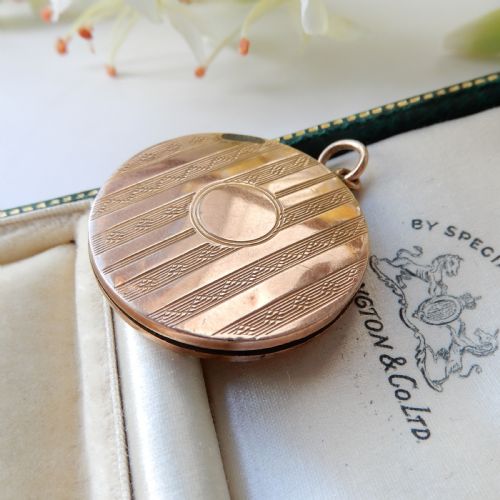


Antique Keepsake Pendant
An antique keepsake pendant holds a tiny portrait, a lock of hair or a dried flower close to the heart.

Antique Keepsake Pendant
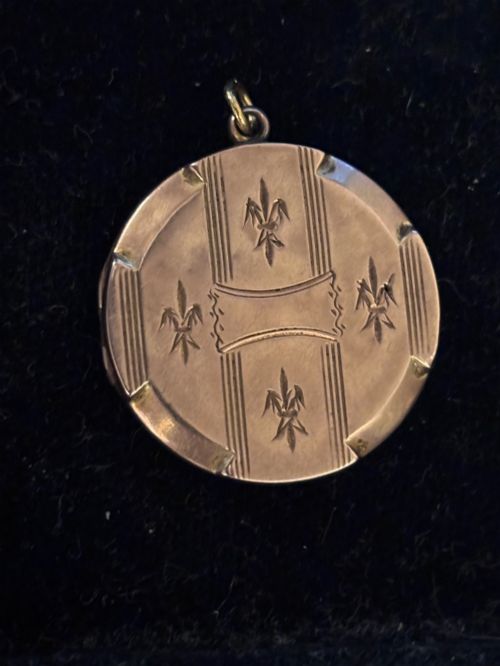
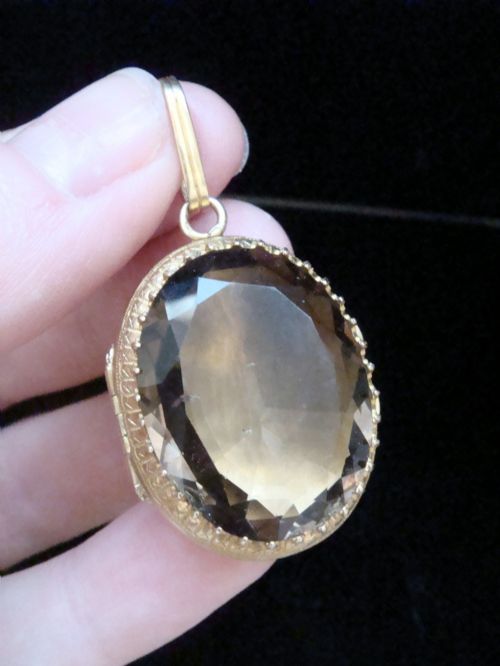
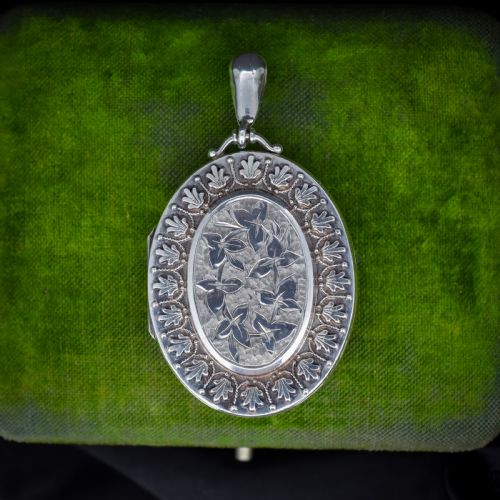
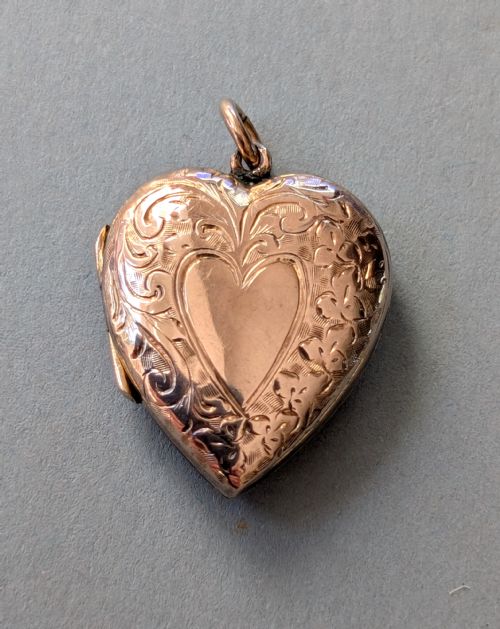
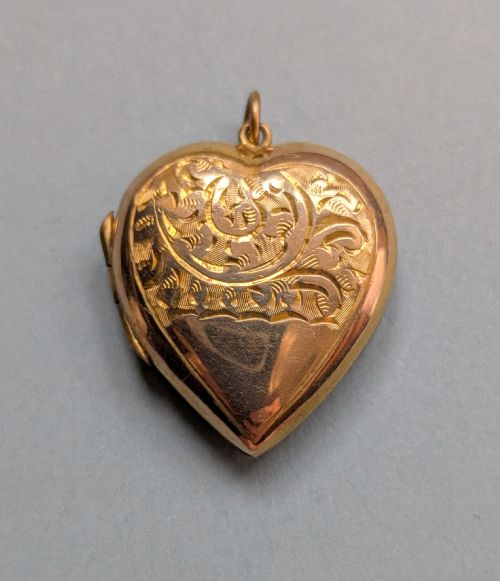
An antique keepsake pendant is a small, hinged metal container designed to hold personal mementos like photographs or hair. These pieces span periods from the Georgian era through the Victorian and Edwardian epochs up to the mid-twentieth century.
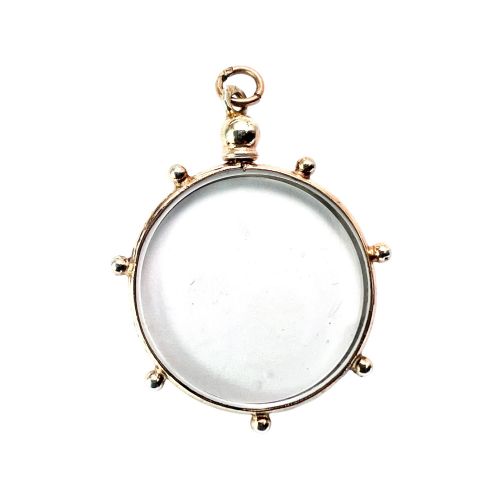
Makers utilised these hinged vessels for sentiment, creating pieces that functioned simultaneously as jewellery and as portable shrines. Many incorporate glass panels or internal frames to secure photographic portraits and mourning tokens.
How They Were Made
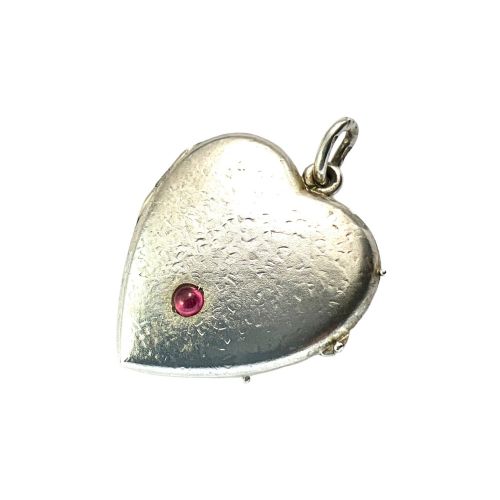
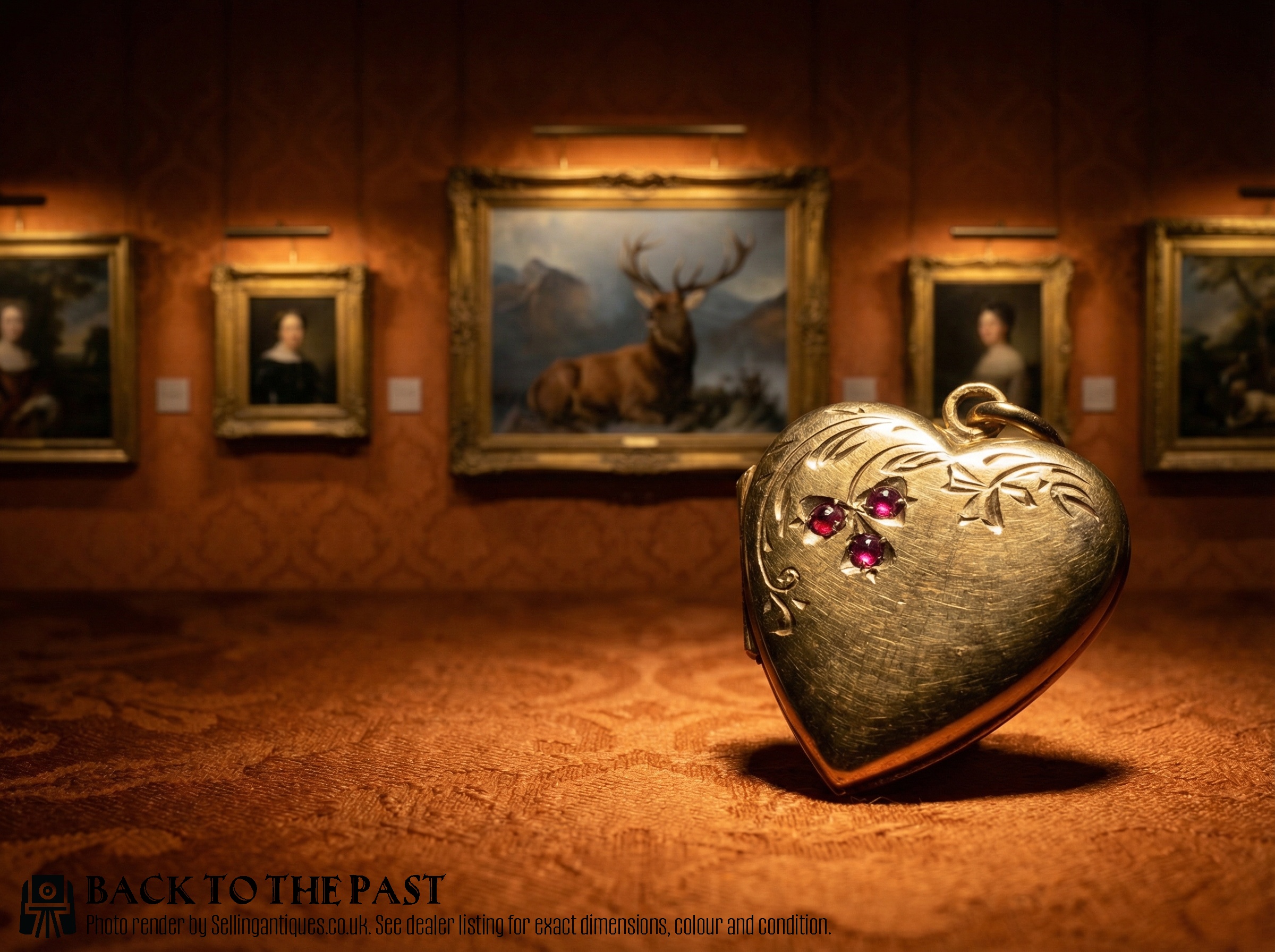
Goldsmiths and silversmiths shaped these pieces from sterling silver, solid gold, and gold back and front construction methods. High carat yellow and rose gold frequently houses precious stones like diamonds, garnets, rubies, sapphires, and turquoise alongside pearls.
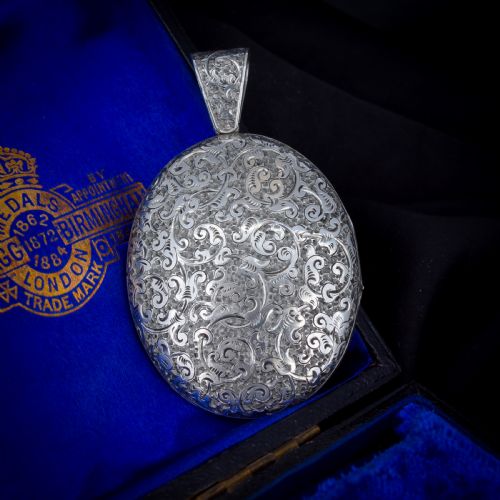
Surface decoration relied on hand engraving, floral motifs, swallows, ivy, and engine turned detailing. Certain examples incorporate specialised glass tops, screw fittings, and hand-painted miniatures set within intricate frames.
Antique Keepsake Pendant Retail Price Guide 2026
Typical asking prices for keepsake pendant among the pieces listed under this phrase on Sellingantiques today, from the lower quarter to the upper quarter. They describe what is for sale here now, not the wider market.
What Varies in Quality
Quality rests upon the weight of the metal and the complexity of the hand engraving rather than mere age alone. Solid gold and heavy sterling silver specimens with crisp engine turned patterns sit distinctly above lighter stamped pieces or gold back and front versions.
The integrity of the hinge and the secure click of the bezel closure dictate durability and practical utility. Pieces adorned with genuine old cut diamonds, natural sapphires, or detailed painted miniatures command attention through superior lapidary work and artistic execution.
B & F
The Antique Keepsake Pendant Glossary
- Locket
- A small ornamental case worn on a chain around the neck, used to hold items of sentimental value. These hinged vessels open to reveal internal compartments for photographs or hair.
- Engine turned
- A decorative technique involving precise geometric patterns carved into metal by a lathe. This mechanical engraving creates repetitive linear motifs found on Georgian and Victorian pieces.
- Mourning locket
- A piece of jewellery dedicated to the remembrance of a deceased person. These often contain woven hair, black enamel, or portraits behind glass panels.
- Gold back and front
- A manufacturing method where the exterior surfaces exposed to view are made of solid gold fused to a base metal core for structural strength. This technique allowed makers to produce robust pieces with a precious exterior.
Antique Keepsake Pendant: Frequently Asked Questions
How do I open an antique keepsake pendant?
Most pieces feature a tiny catch, lip, or push-button mechanism along the outer rim. Applying gentle fingernail pressure opposite the hinge usually releases the spring or snap.
Avoid using sharp metal tools to pry open stubborn cases, as this easily damages the soft gold or silver edges. If a hinge feels seized, professional jeweller assistance prevents cracking the internal bezel frames.
Can I put a modern photo inside?
Modern photographs require careful trimming with sharp scissors to match the precise internal oval, circle, or heart dimensions. Thin photographic paper slides easily behind the existing glass or into the metal framing without buckling.
Older pieces were designed for thin paper portraits or painted miniatures rather than thick modern card stock. Removing original historic photographs or hairwork is discouraged to preserve the historical integrity of the piece.
Are these pendants suitable for daily wear?
Solid gold and heavy silver examples handle everyday wear quite well when treated with sensible care. Lighter hollow constructions or delicate gold back and front models demand caution against impacts and heavy pressure.
Removing the necklace before swimming, sleeping, or strenuous exercise protects fragile glass panels and antique hinges from unnecessary strain.
How do I date a Victorian piece?
Dating relies heavily on stylistic clues, motifs, and material hallmarks stamped inside the metal rim or bail. Early Victorian designs often lean toward heavy mourning themes, while later Aesthetic Movement pieces favour swallows and nature motifs.
Comparing the clasp type, engraving style, and gem settings against documented period examples provides a reliable window of origin.