

Victorian Locket Pendant
A victorian locket pendant combines intimate memorial or keepsake compartments with intricate period craftsmanship, offering a wearable piece of history.

Victorian Locket Pendant
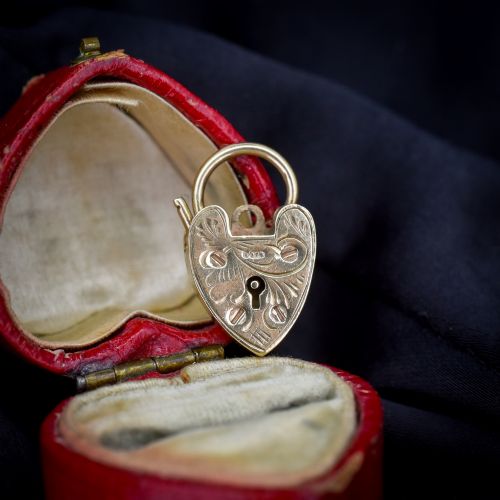
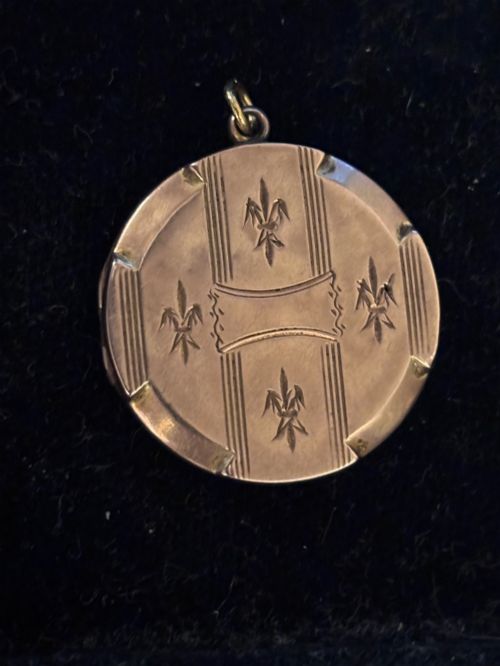
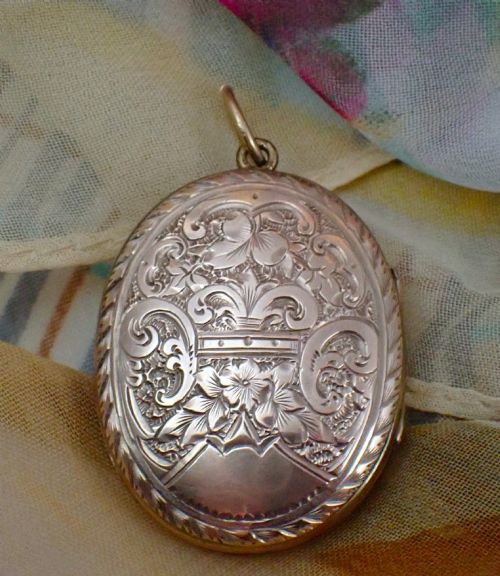
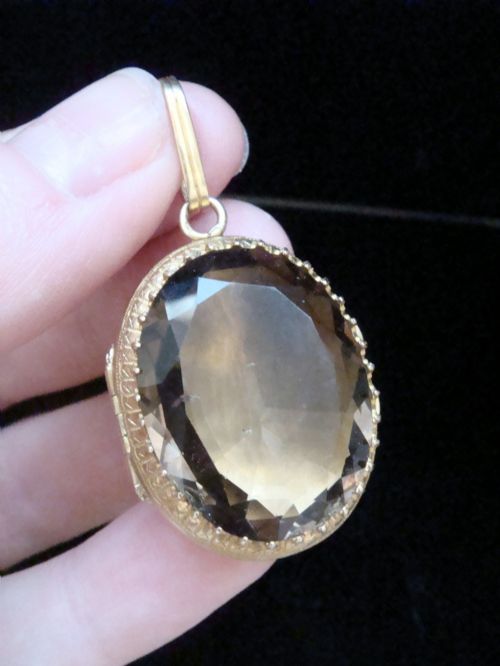
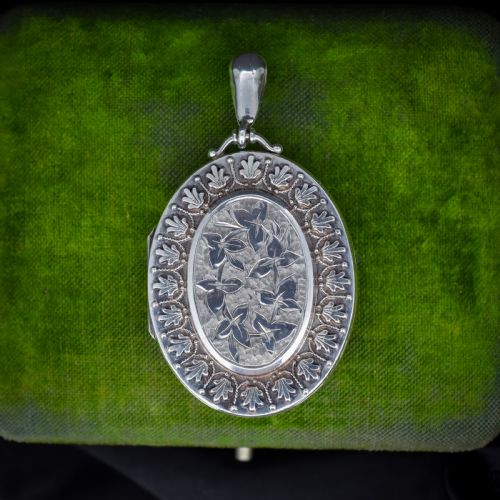
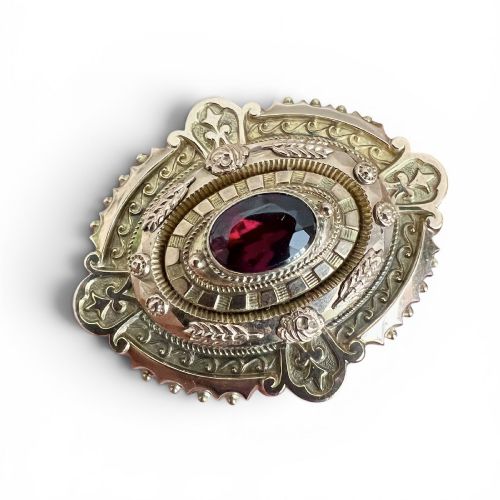
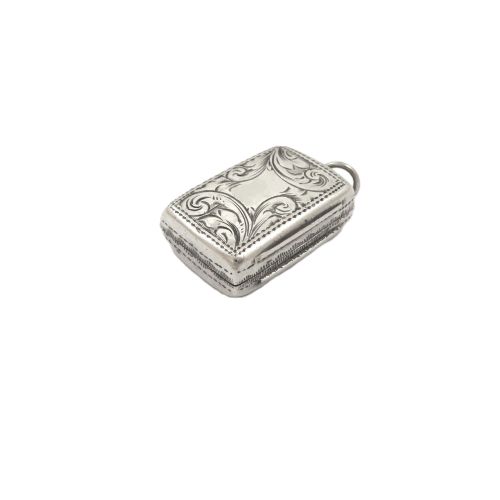
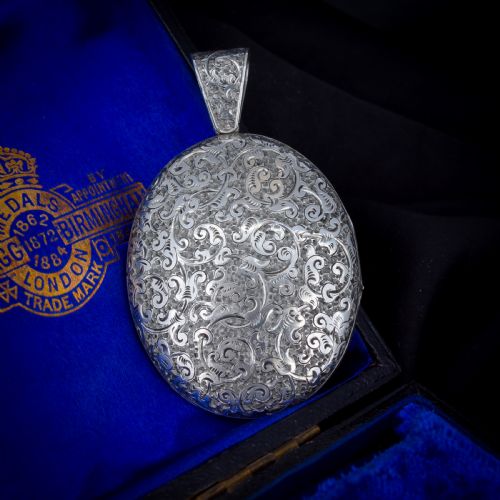
Buyers encountering this category will find a strong representation of silver and gold items, often decorated with motifs like ivy, birds, flowers, and geometric engravings. Many examples combine pendant and brooch fittings, reflecting the versatile jewellery designs popular in the Victorian era.
How They Were Made
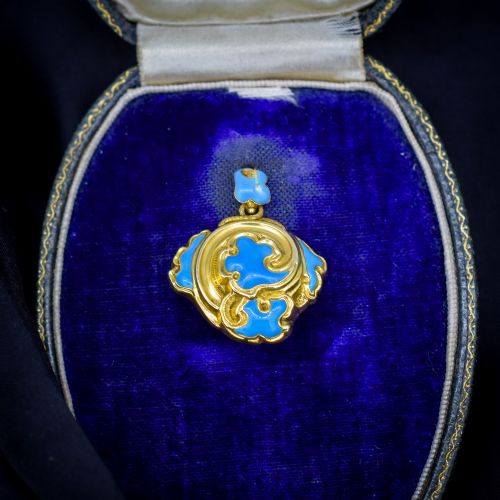
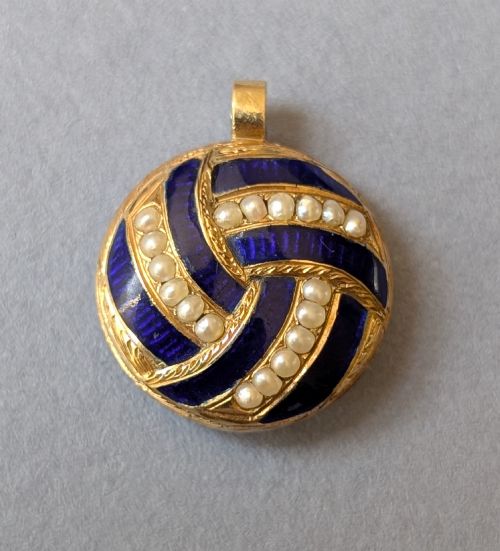
Goldsmiths and silversmiths utilised solid gold, sterling silver, and rolled gold techniques, frequently employing back and front construction where precious metal plates bonded to a base metal core provided durability at a lighter weight. Enamelling, hand-engraving, and filigree work added complex surface decoration to the metal bodies.
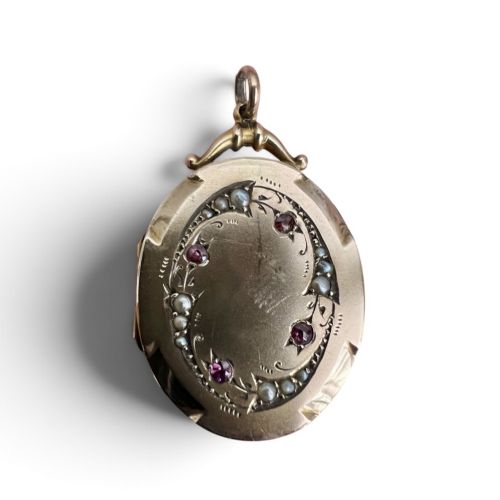
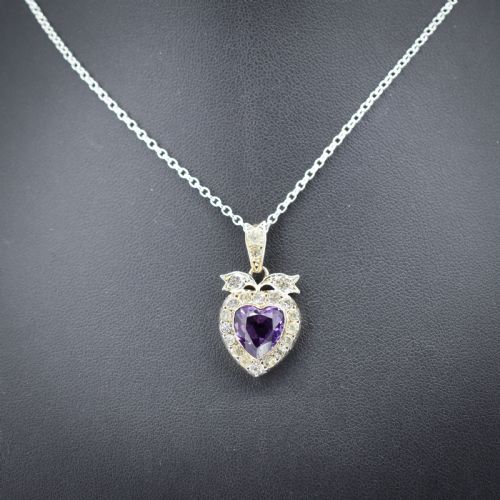
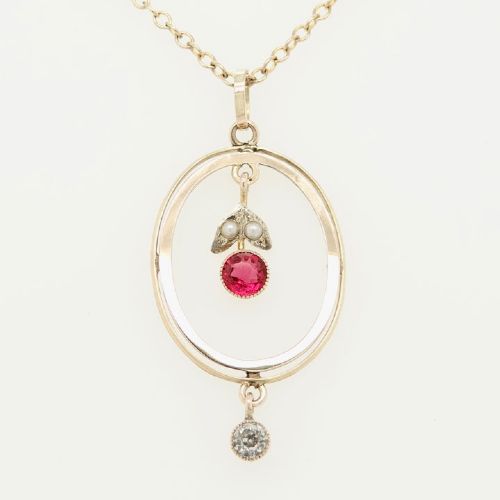
Gemstone setting involved rubies, pearls, diamonds, turquoise, and garnets integrated into star settings, cluster borders, or Etruscan revival granulation. Glass covers and internal hinged frames were expertly fitted to secure miniature photographs or hair mementoes safely inside.
The listings demonstrate a wide material palette spanning sterling silver, rolled gold, and high-carat yellow and rose gold.
What Varies In Quality
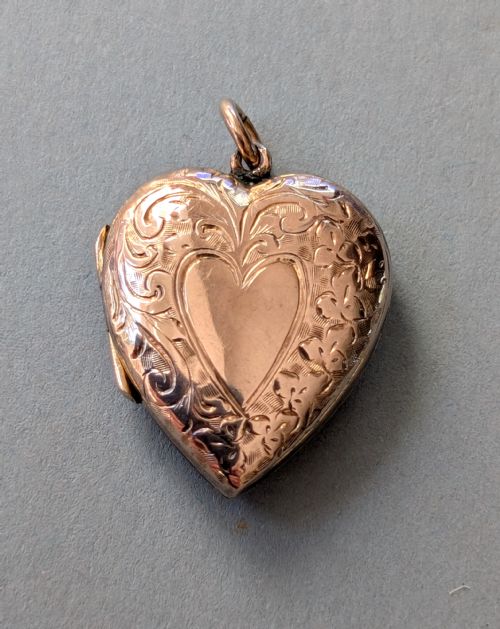
The degree of craftsmanship is evident in the precision of the hinge mechanisms, the crispness of hand-engraved flora and fauna motifs, and the structural integrity of the internal bezels. Solid high-carat gold and substantial sterling silver pieces demonstrate superior longevity compared to thinner rolled gold variants.
The selection and arrangement of gemstones, such as well-matched seed pearls or old-cut diamonds, alongside finely preserved enamel work or intact glass photo compartments, elevate the refinement of individual pieces.
The Victorian Locket Pendant Glossary
- Back and front
- A method of construction where thin sheets of gold are applied over a base metal core to create an affordable yet durable locket.
- Etruscan revival
- A nineteenth-century design style inspired by ancient archaeological discoveries, characterised by delicate granulation and wirework.
- Mourning locket
- A commemorative piece of jewellery designed to hold hair or a portrait in remembrance of a deceased person.
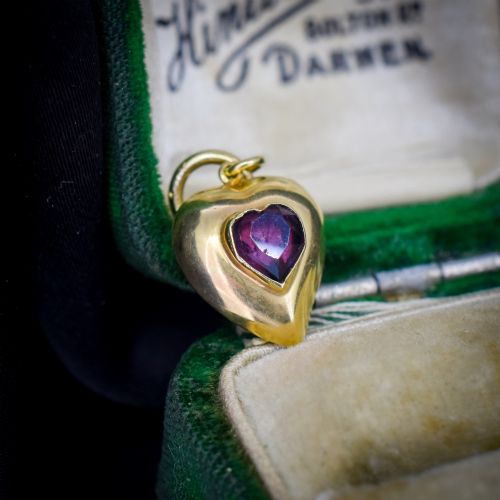
- Puffy heart
- A three-dimensional, hollow heart-shaped pendant popular during the Victorian and Edwardian periods.
- Vinaigrette
- A small ornamental box or locket containing a perforated grille over a sponge soaked in aromatic vinegar.
Victorian Locket Pendant: Frequently Asked Questions
What fits inside a victorian locket pendant?
These hinged pieces typically contain internal rims or glass compartments designed to hold small paper photographs, locks of woven hair, or thin fabric mementoes.
Many examples feature dual-sided spaces or multi-photo frames allowing multiple keepsakes to be stored securely within the closed metal case.
How do I care for silver and gold lockets?
Precious metals and historical components require gentle cleaning with a soft, dry cloth to remove surface oils without damaging delicate engravings or bezels.
Keep these items away from harsh chemical dips and store them flat in lined boxes to protect glass panels and internal hinges from pressure.
Are these pendants suitable for daily wear?
While durable, antique hinged items benefit from careful handling due to their age and the delicate nature of internal photo frames and clasps.
Removing the necklace during physical activities prevents accidental strain on the bail, chain connections, and opening mechanisms.
How do I distinguish Victorian from Edwardian pieces?
Victorian designs often feature heavier, ornate ornamentation such as Etruscan granulation, deep hand-engraving, and solemn memorial motifs.
Edwardian items frequently transition towards lighter, airier aesthetics incorporating delicate seed pearl borders and platinum or pale gold settings.