



Victorian Silver Locket
A victorian silver locket is an opening hinged pendant for holding small portraits or keepsakes, prized for intricate hand engraving and historic charm.
Victorian Silver Locket
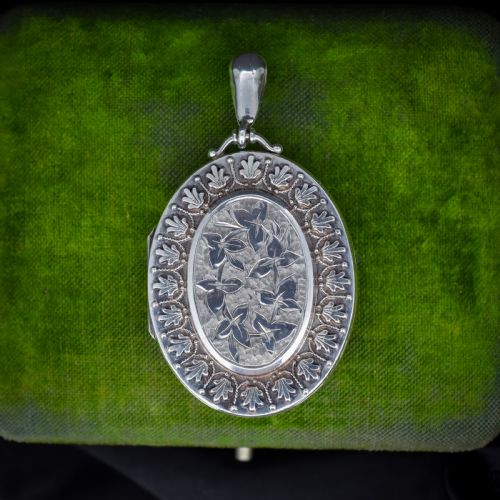
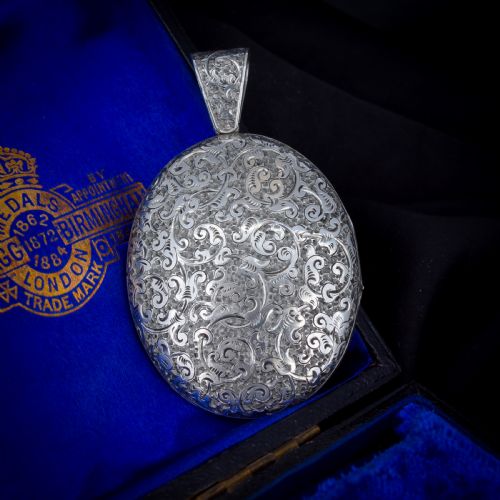
When you search for a victorian silver locket, you encounter hinged enclosures designed to hold photographs, hair mementoes, or tiny painted portraits close to the heart. The pieces on this page span the Victorian and Edwardian eras, with many dating from the middle to late nineteenth century.
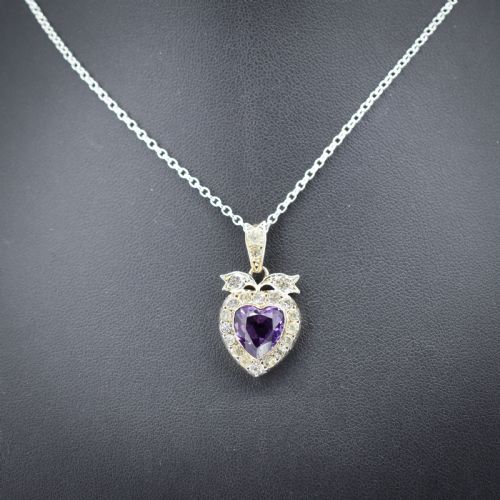
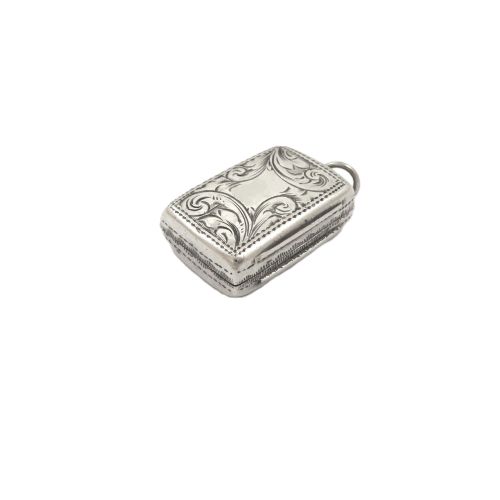
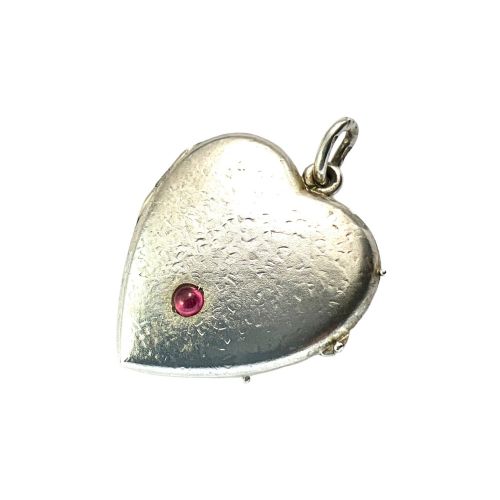
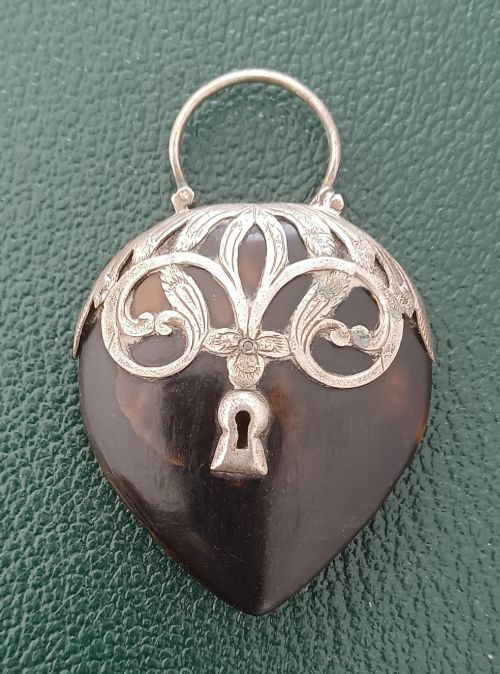
The most common form is the oval or heart-shaped sterling silver pendant, frequently decorated with hand engraving such as ivy leaves, floral motifs, or swallows. Alongside standard photo lockets, the selection includes vinaigrettes, padlocks, and combination pieces originating from British workshops and occasionally continental makers.
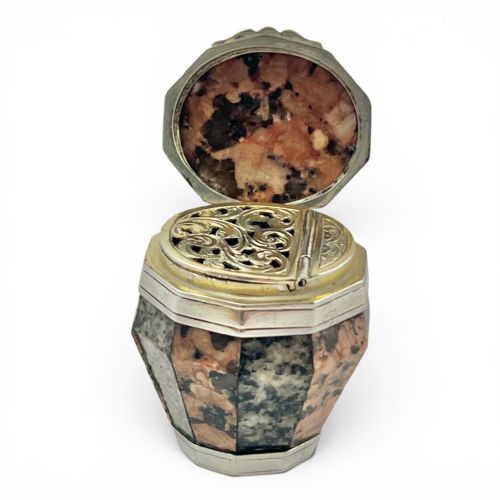
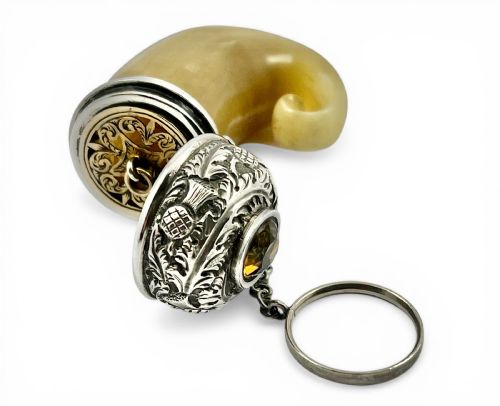
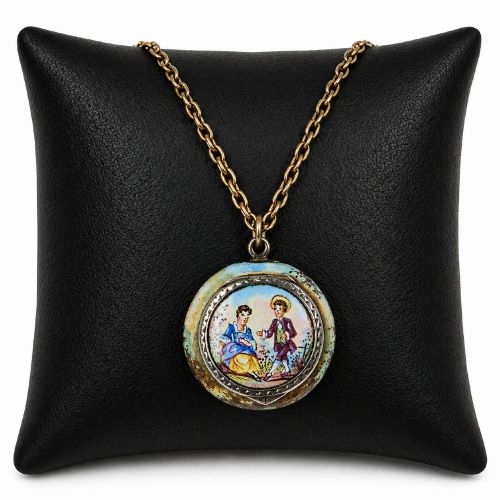
The materials paired with the silver extend beyond plain metal to include enamel, seed pearls, pastes, and Scottish stones like granite and citrine. Whether suspended from a long book chain or a simple silver link necklace, these items served as both personal memorials and fashionable ornaments.
How they were made
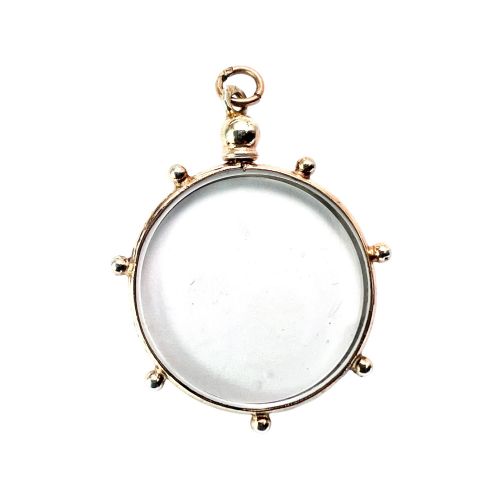
Silversmiths constructed these pieces primarily from sterling silver or silver-mounted materials, utilising techniques like hand engraving, repoussé, filigree, and applied gold details. Many cases incorporate internal bezels and glass frames to secure delicate photographic portraits or miniature watercolours safely behind the hinged covers.
Specialised regional workshops added distinct local touches, such as Scottish pebble jewellery featuring banded agates and granite set in silver mounts, or Viennese enamelled designs. Hallmarks stamped into the metal often record the assay office, such as Birmingham, and the specific year of creation.
Victorian Silver Locket Retail Price Guide 2026
Typical asking prices for victorian silver locket among the pieces listed under this phrase on Sellingantiques today, from the lower quarter to the upper quarter. They describe what is for sale here now, not the wider market.
Listings feature sterling silver, gold, enamel, glass, seed pearls, paste, and Scottish stones like granite, horn, and citrine across the Victorian and Edwardian periods.
What varies in quality
Condition and completeness also define the piece, particularly whether the interior bezels, original glass covers, and retaining rings remain intact. Hallmark clarity and the inclusion of original matching chains or book chains elevate the overall integrity of the survivor.
Minshull And Latimer·Sampson Mordan
The Victorian Silver Locket Glossary
- Vinaigrette
- A small ornamental box or locket containing a perforated grille, formerly used to hold a sponge soaked in aromatic vinegar. These pieces often doubled as secret photo compartments.
- Book chain
- A wide necklace constructed from interlocking rectangular metal links that resemble the spine of a book. They were frequently paired with large lockets during the Victorian period.
- Repoussé
- A metalworking technique where the artisan hammers the design from the reverse side to form a raised relief on the front. This method created the three-dimensional floral and organic scenes seen on many lockets.
- Padlock locket
- A pendant shaped like a functional padlock, often engraved with floral patterns or set with gemstones. These symbolised security and committed affection.
Victorian Silver Locket: Frequently Asked Questions
What did people keep inside a victorian silver locket?
Owners typically placed miniature paper photographs, hand-painted watercolour portraits, or woven locks of human hair inside these hinged compartments. These served as private mementoes of absent family members, departed loved ones, or cherished romantic partners.
The double-sided and multi-frame variants allowed wearers to carry several portraits simultaneously. Some examples also incorporated tiny scent sponges or dried floral tokens alongside the photographic images.
How do I date a victorian silver locket?
Dating relies heavily on hallmarks stamped onto the silver, which can indicate specific assay offices and production years like those from Birmingham in the 1880s. Stylistic clues such as Aesthetic Movement swallow motifs or heavy repoussé floral work also point to specific decades within the nineteenth century.
Changes in form, from early Victorian book chain pairings to late-century novelty shapes like horseshoes and padlocks, help narrow the timeframe. Examining the construction of the hinge and the style of the interior photo bezels provides further chronological context.
Can I still put new photographs inside these lockets?
Many pieces retain their original interior metal frames and glass covers, which can accommodate appropriately trimmed modern photographs. Care must be taken when opening old hinges and lifting delicate bezels to avoid stressing the antique metal.
Because the internal dimensions vary widely between individual items, photographs must be measured and cut by hand to fit the specific oval, heart, or rectangular shape. Keeping the original historic photograph inside adds to the provenance and character of the piece.