

Vintage Silver Pendant
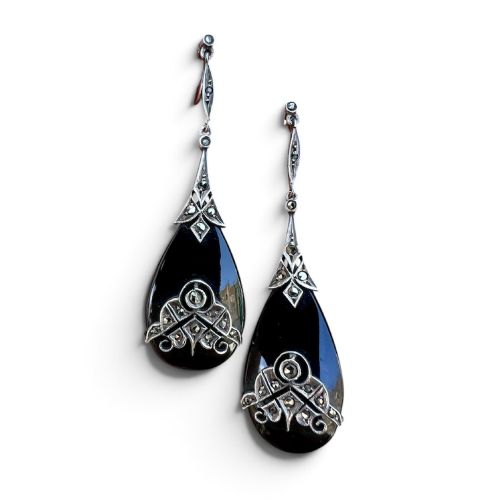
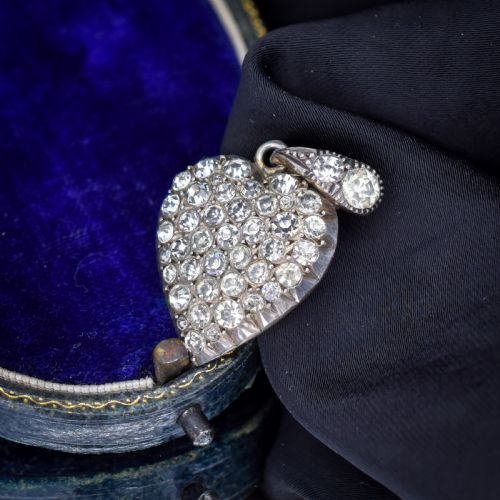
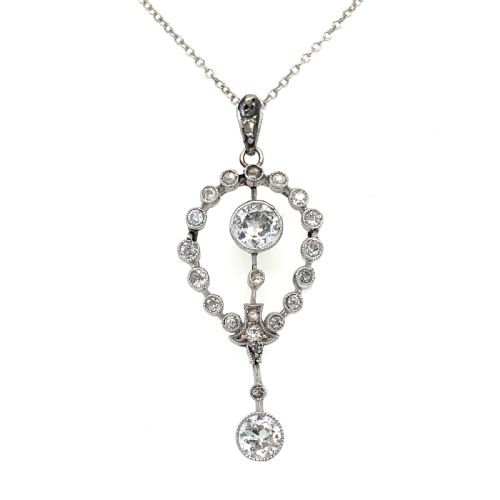
A vintage silver pendant holds the eye with disciplined metalwork and small, bright stones, spanning decades of quiet craft from the Victorian years onward.
Vintage Silver Pendant
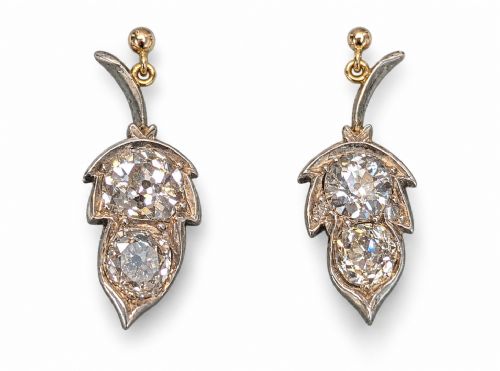
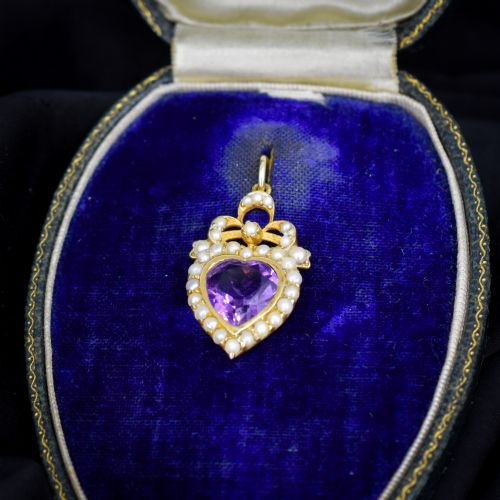
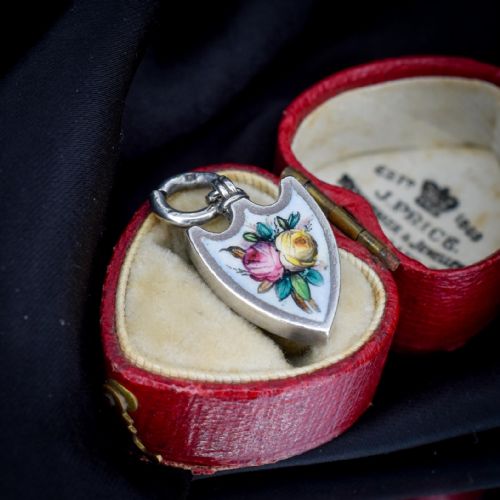
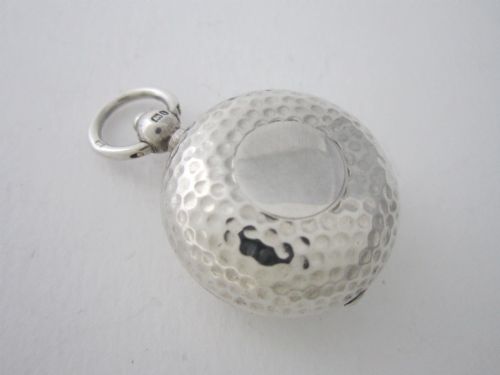
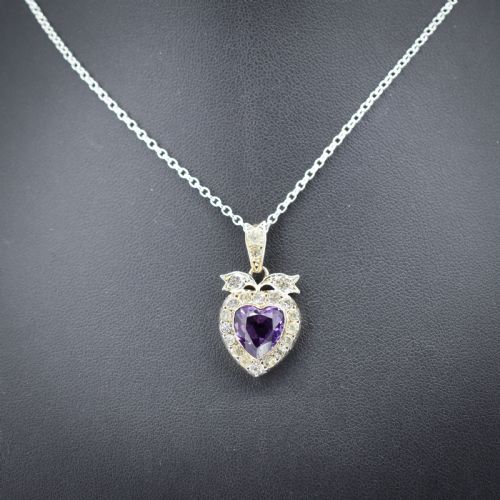
A vintage silver pendant gathers small, wearable ornaments meant to hang from a chain around the neck, drawing on styles from the Victorian era through the mid-century. When searching for a vintage silver pendant, a buyer encounters pieces shaped as hearts, shields, lockets, and enamel flowers.
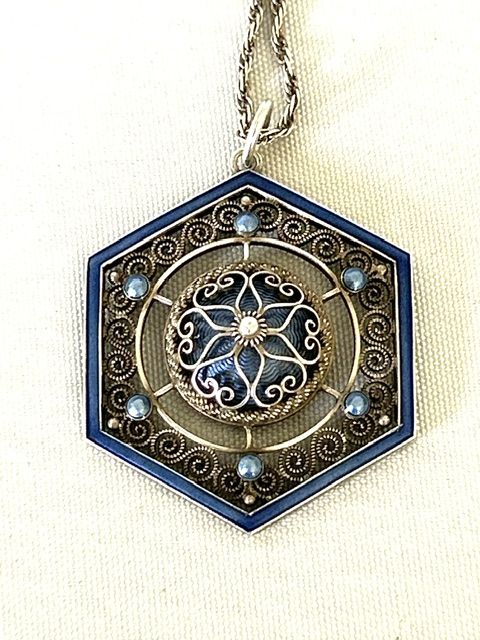
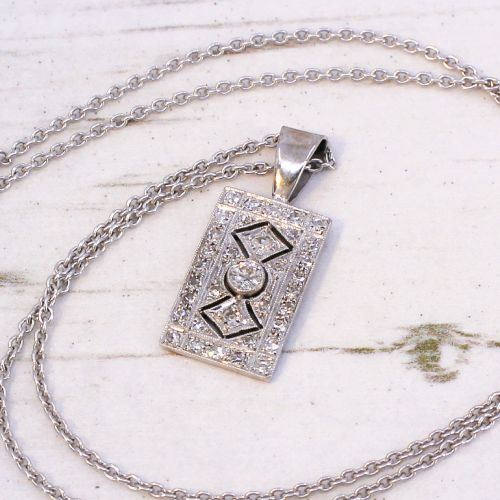
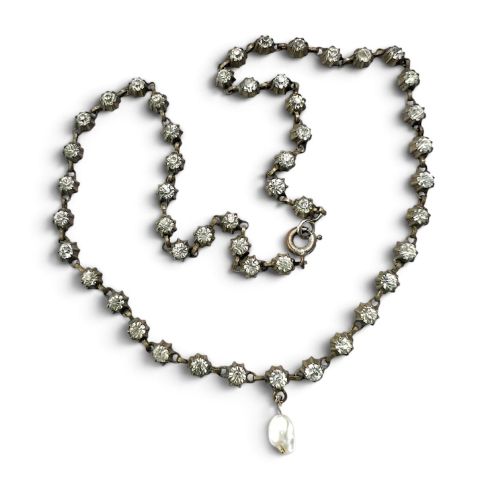
The selection ranges from early twentieth-century guilloche enamel drops to geometric Art Deco designs and simple sterling silver settings holding amethysts, pastes, or diamonds. These ornaments reflect the changing tastes of workshops across Britain, Scandinavia, and continental Europe.
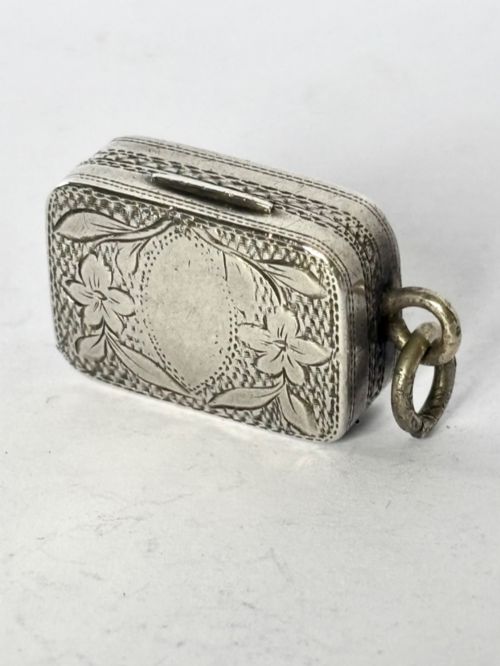
Many examples arrive with their original chains or collar attachments, while others stand alone as individual charms and lockets designed to hold small portraits or mementoes. The form adapts from delicate Edwardian lavallieres to bolder modernist drops.
How they were made
Makers shaped these pieces primarily from sterling silver and standard silver alloys, often combining them with gold accents, platinum, or gilt finishes. Stones such as diamonds, paste, crystal, and amber were set by hand into pierced and engraved frames.
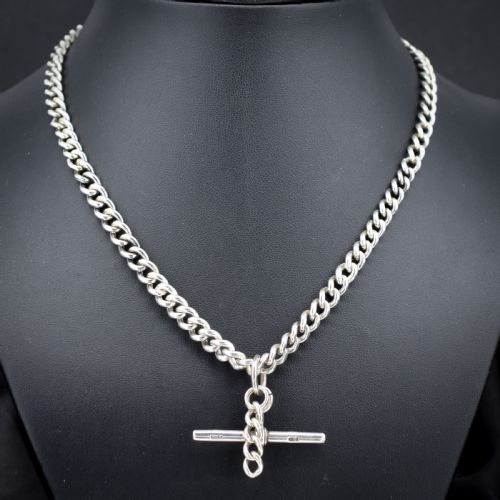
Enamelling techniques, particularly guilloche work, added translucent colour over engine-turned metal bases in shades of blue, violet, and green. Links were hand-assembled into curb chains, and lockets were hinged with precision to secure portraits inside.
Listings feature silver, sterling silver, gold, glass, enamel, diamond, crystal, and platinum across Edwardian, Victorian, Art Deco, and mid-century periods.
What varies in quality
The measure of quality in these ornaments rests upon the crispness of the hand-engraving, the depth and evenness of the enamel work, and the security of stone settings. Finer examples display precise geometric symmetry in Art Deco pieces or delicate botanical detailing in Edwardian and floral designs.
The integrity of the original linkages, clasps, and hinge mechanisms separates ordinary production from superior workshop output. Well-preserved surfaces retain their original tool marks and patination without excessive polishing or structural distortion.
Marius Hammer·Émile-Jacques Ruhlmann·Crisford and Norris·Henry Williamson·David Andersen·Unn Tangerud·Bjorn Sigurd Ostern·Hroar Prydz·Charles Horner·Samuel Pemberton
The Vintage Silver Pendant Glossary
- Sterling silver
- An alloy containing a high proportion of pure silver combined with other metals to ensure durability in jewellery. This standard metal forms the foundation of most vintage pendants and chains.
- Guilloche enamel
- A decorative technique where a transparent enamel layer is applied over metal engraved with repetitive geometric patterns. This method creates a shimmering effect found on many Scandinavian and British pieces.
- Lavalliere
- A pendant style featuring a central drop suspended from a necklace, popular during the Edwardian period. It often incorporates gemstones or pearls arranged in symmetrical floral or ribbon motifs.
- Locket
- A small hinged pendant designed to open and enclose a miniature photograph, lock of hair, or dry memento. These objects feature engraved or polished exterior covers.
Vintage Silver Pendant: Frequently Asked Questions
How do I date a silver pendant?
Dating relies on hallmarks stamped into the silver, stylistic cues like geometric Art Deco lines or Edwardian filigree, and the construction methods used for hinges and settings. Examining these details alongside accompanying chains provides a clearer timeline of origin.
Makers' marks and registration numbers stamped on the reverse further narrow the manufacturing decade, linking the ornament to specific working years and registry offices.
Are enamel pendants fragile?
Enamel consists of fused glass powder, meaning it withstands normal daily wear but remains vulnerable to sharp impacts or deep drops against hard surfaces. Careful handling prevents chipping along the edges where the glass meets the silver frame.
Storage in dedicated soft pouches away from heavier metal items protects the glazed surface from scratches and preserves the translucent colour over time.
Can I replace the chain on a vintage pendant?
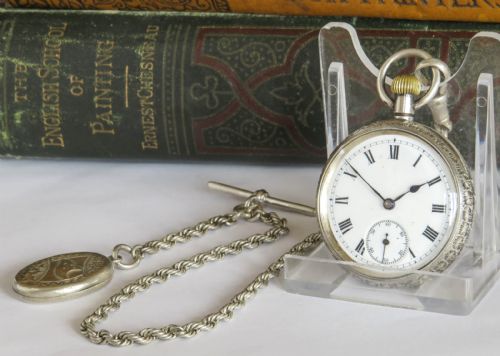
Changing the chain is common practice, provided the suspension loop on the pendant accommodates the ring or bail of the new chain. Many pieces survived alongside period-appropriate curb or albert chains that match the metal weight and colour.
Matching the silver tone and link style ensures the replacement chain complements the proportions and historical character of the original pendant.