


Engraved Silver Pendant
These engraved silver pendant pieces span from Georgian to Art Deco periods, bringing personal silver ornamentation straight from past decades into daily modern wear.
Engraved Silver Pendant
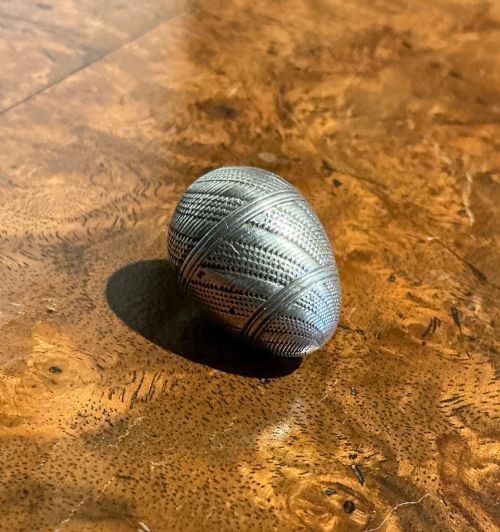
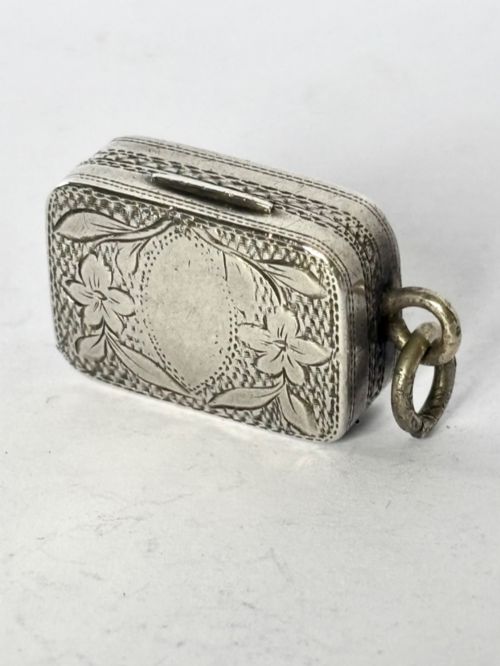
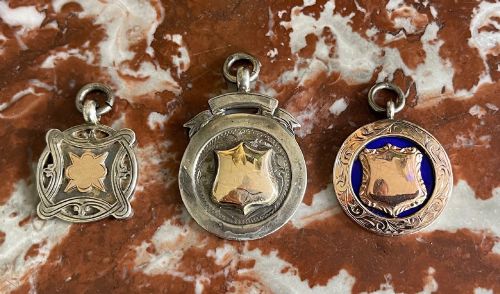
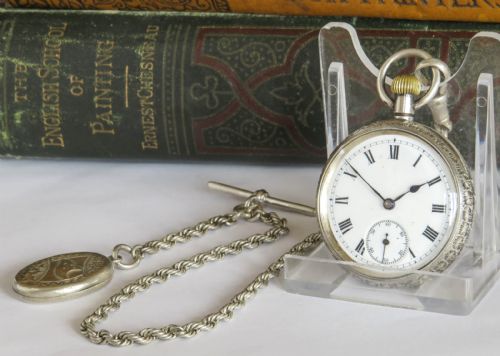
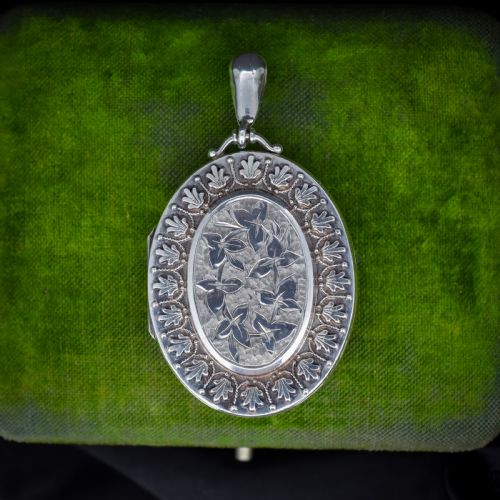
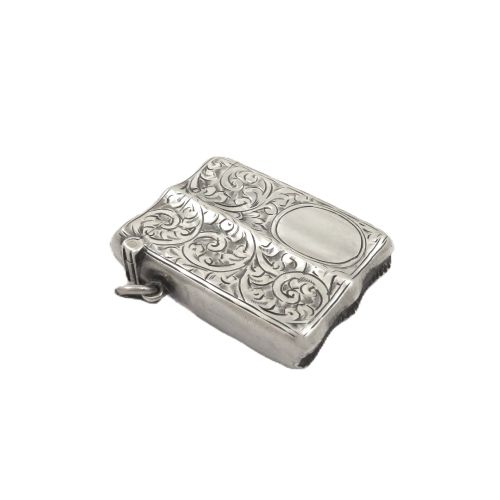
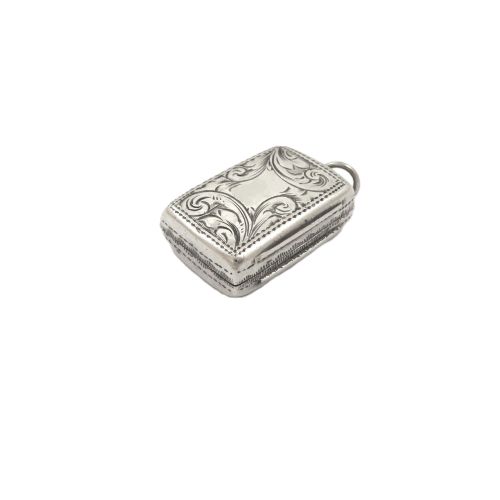
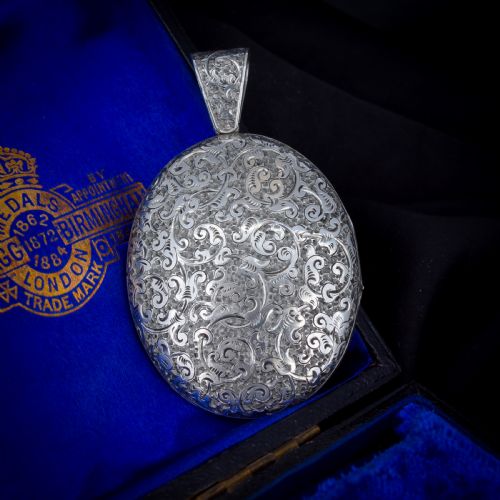
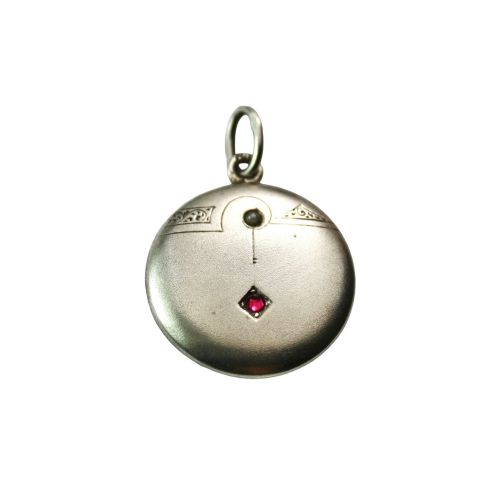
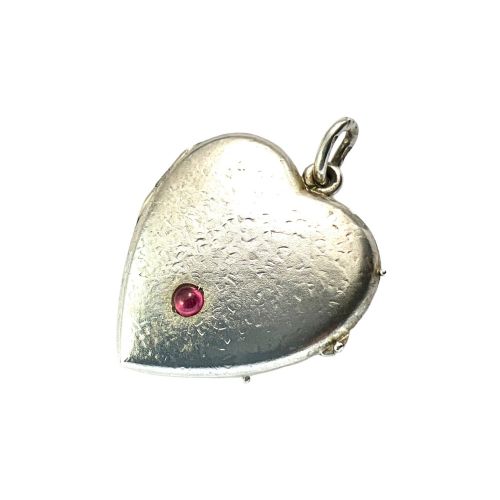
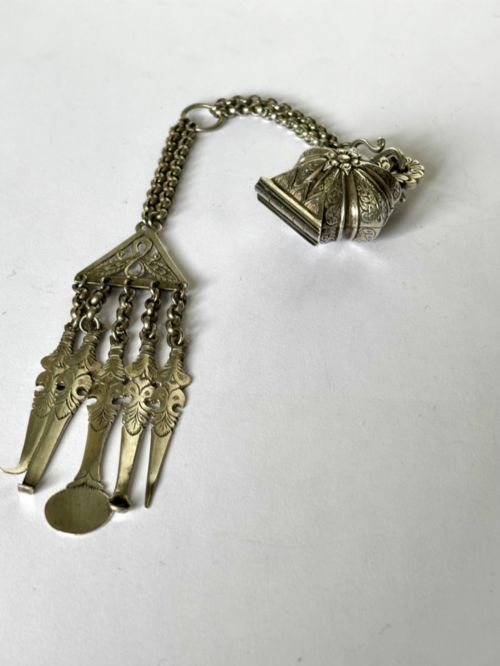
When you search for an engraved silver pendant, you encounter a varied selection of personal silver items that span the Georgian, Victorian, Edwardian, and Art Deco periods. The pieces on this page lean heavily towards Victorian lockets, watch fobs, and vinaigrettes, alongside Edwardian sovereign cases and Art Deco medallions.
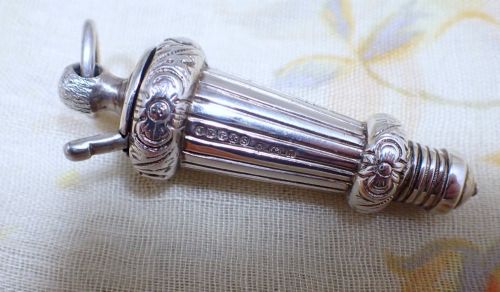
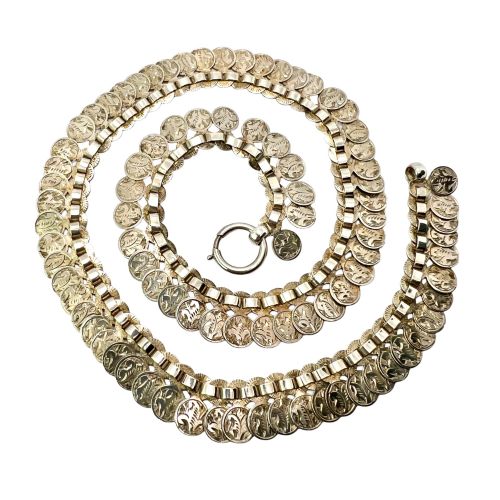
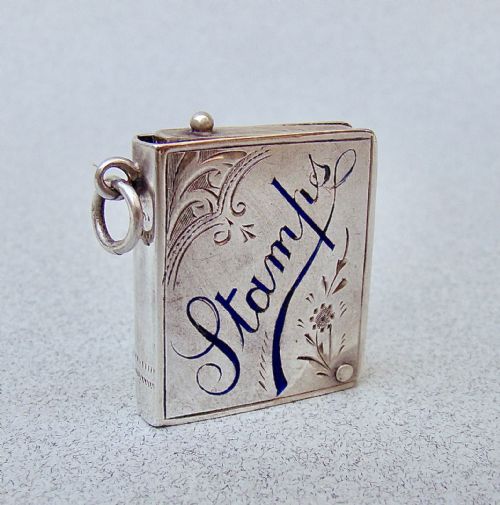
Makers utilised sterling silver and silver-gilt, often incorporating engraving, enamel, gemstones, and paste to decorate the surface. Forms range from simple photo lockets and coin necklaces to stamp cases and whistles.
Materials and technique
The objects are formed predominantly from sterling silver or standard silver, sometimes finished with silver-gilt or paired with gold, pearl, paste, and Scottish agate. Metalworkers shaped these materials through casting, stamping, and heavy forming.
Decoration relies heavily on hand engraving, creating floral, ivy, swallow, and geometric motifs across the metal surface. Enamel and gemstone settings occasionally add colour and contrast to the silver body.
Engraved Silver Pendant Retail Price Guide 2026
Typical asking prices for engraved silver pendant among the pieces listed under this phrase on Sellingantiques today, from the lower quarter to the upper quarter. They describe what is for sale here now, not the wider market.
Some lockets were designed to carry secret locks of hair alongside miniature portraits, keeping departed loved ones physically close throughout the Victorian day.
Quality and execution
Depth and precision of the hand engraving distinguish finer pieces from simpler utilitarian items, with crisp floral and animal motifs marking out superior work. The weight of the silver and the structural integrity of hinges on lockets and sovereign cases also set examples apart.
Maker marks and clear silver hallmarks provide tangible evidence of origin and standard, lifting documented pieces above unmarked alternatives.
SAMUEL PEMBERTON·CRISFORD & NORRIS·ALBERT ERNEST JENKINS·HENRY CHARLES FREEMAN
The Engraved Silver Pendant Glossary
- Vinaigrette
- A small ornamental box with an internal pierced grille, designed to hold a sponge soaked in aromatic vinegar. These date predominantly from the Georgian and Victorian eras.
- Locket
- A small hinged case worn on a chain to hold a portrait or lock of hair. Victorian examples frequently feature elaborate hand-engraved foliage or swallows.
- Sovereign case
- A pocket or pendant container engineered to hold British gold sovereign coins securely. Edwardian specimens often show circular spring-loaded mechanisms.
- Watch fob
- A small ornament or medallion attached to a pocket watch ribbon or chain. They frequently take the form of engraved sports medals or shields from the early twentieth century.
Engraved Silver Pendant: Frequently Asked Questions
What are engraved silver pendants used for?
These items served various personal functions in past centuries, ranging from holding miniature portraits and locks of hair to carrying postage stamps or sovereign coins.
Today, buyers wear them suspended from chains as decorative necklaces or charm holders, repurposing pocket watch fobs, lockets, and medallions for modern jewellery wear.
How do I date an antique silver locket?
Dating relies on hallmarks stamped into the metal, stylistic clues such as Aesthetic Movement motifs, and the specific engraving techniques used on the surface.
Victorian pieces often display deep hand-engraved ivy or floral patterns, whereas Art Deco examples shift towards geometric lines and marcasite ornamentation.
Are these pieces made of solid silver?
The listings predominantly feature sterling silver or unmarked silver, alongside silver-gilt items where a gold wash is applied over the silver base.
Heavier items like solid silver lockets and sovereign cases indicate substantial metal content rather than plated construction.
How should I care for antique silver jewellery?
Antique silver benefits from gentle cleaning with a soft microfibre cloth to maintain the natural patina accumulated over the decades.
Avoid harsh chemical dips, particularly on pieces containing enamel, pearls, paste, or agate, as these sensitive materials require careful handling.