


Victorian Picture Pendant
A victorian picture pendant holds a miniature likeness or photograph close, offering both sentiment and wearable craft.
Victorian Picture Pendant
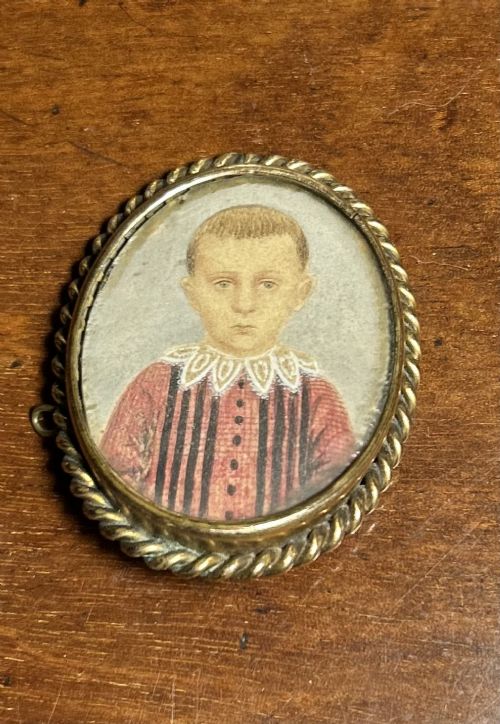
A victorian picture pendant combines personal keepsake with jewellery, framing portraits, photographs or hair beneath glass. These pieces appear most frequently as lockets or glazed frames made during the nineteenth century, though related examples stretch into the Edwardian era and mid twentieth century.
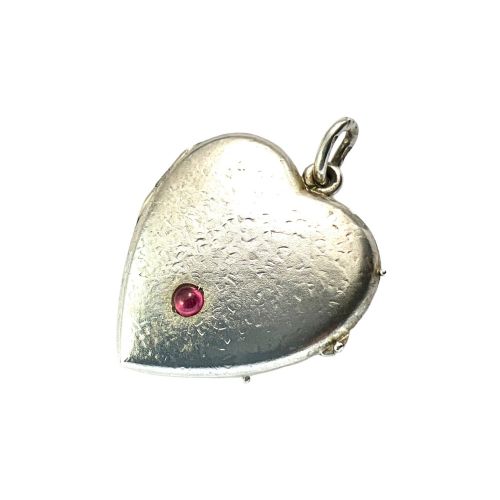
Forms span simple round and oval lockets to elaborate cross shapes and heart designs, often suspended from silver or gold chains. Many open to reveal dual photo compartments or miniature paintings executed on card or enamel.
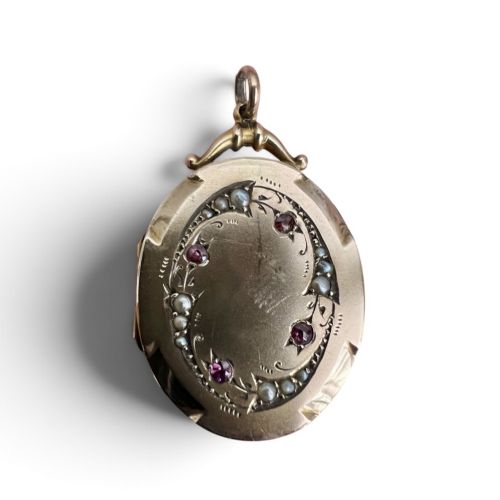
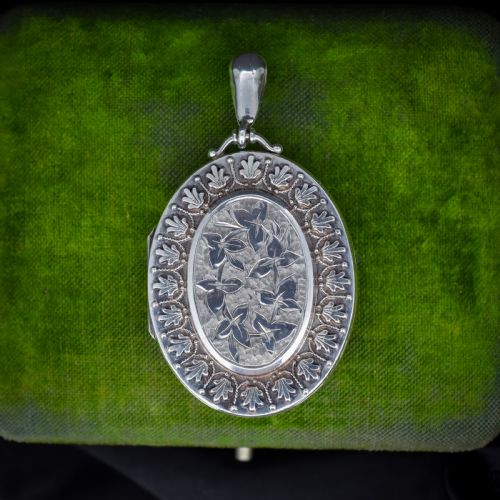
The aesthetic bridges domestic remembrance and high craftsmanship, incorporating motifs such as swallows, flower baskets, ivy, and star patterns set with pearls, garnets, or diamonds.
Materials and construction
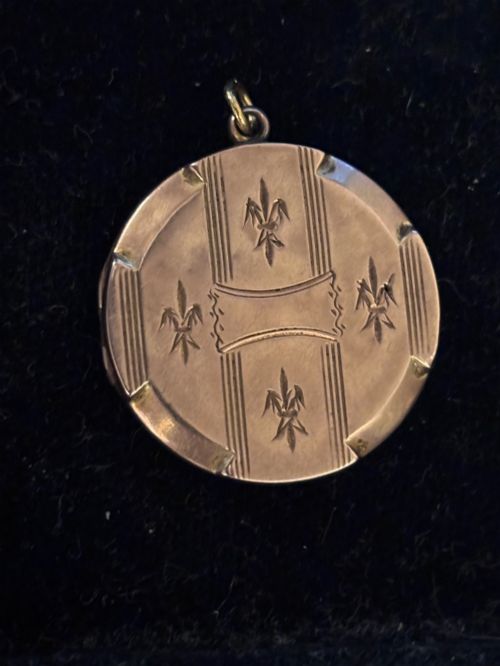
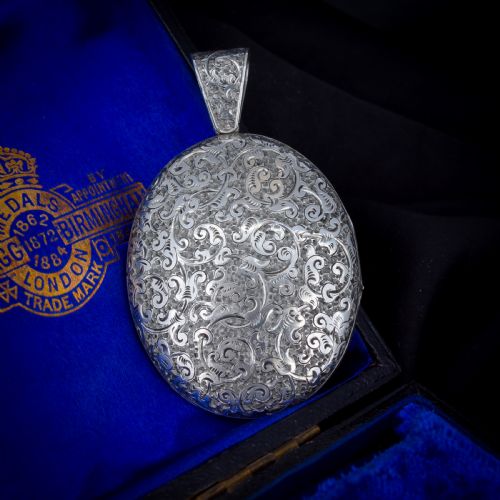
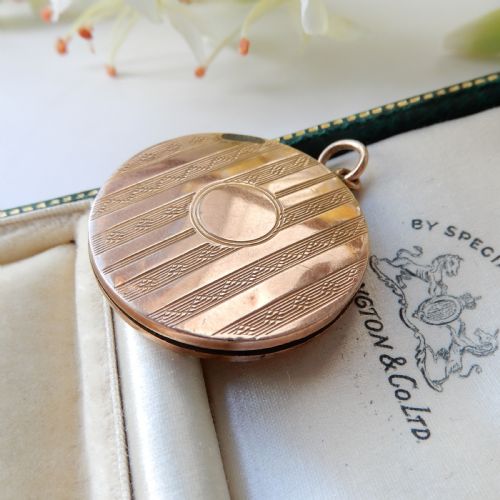
Metals range from sterling silver and gold back and front constructions to solid nine carat and eighteen carat yellow gold, alongside French yellow gold alloys. Goldsmiths employed engine turned detail, ornate hand engravings, filigree wirework, and cast motifs like the fleur de lis.
Glazed compartments protect the internal portraits and hairwork, bordered by split pearls, blue enamel, rubies, turquoise, pastes, or rose cut diamonds. Backings often incorporate hinged bezels and secure clasps designed for daily wear.
Listings feature yellow gold, sterling silver, and rolled gold across Victorian, Edwardian, and mid twentieth century dates.
Judging quality and execution
Quality rests upon the precision of the hand engraving, the delicacy of applied filigree, and the purity of the metal used. Pieces featuring painted miniature portraits or genuine rose cut diamonds stand apart from standard photographic lockets through artistic skill and gemstone selection.
The integrity of the internal glass bezels and the crispness of decorative motifs like swallows, ivy, or star patterns dictate the overall finish. Heavier gold weight and fully integrated French or British hallmarks elevate an example above unmarked or rolled gold alternatives.
The Victorian Picture Pendant Glossary
- Back and front
- A manufacturing method where precious gold sheets cover a base metal core for durability. This technique allowed makers to produce substantial lockets at a lower cost.
- Engine turned
- A mechanical engraving method creating intricate geometric patterns on metal surfaces. It provides a precise, repeating texture across the background of the piece.
- Portrait miniature
- A hand painted likeness executed on ivory, vellum, or card, usually housed behind glass. These small works required exceptional skill from specialist artists.
- Filigree
- Fine wirework soldered into open lace like patterns of scrolls or leaves. It gives gold or silver pendants a light, ornate appearance.
- Memorial glazed locket
- A piece designed to hold hairwork or mourning mementos beneath a transparent glass cover. These items served as tangible reminders of departed family members.
Victorian Picture Pendant: Frequently Asked Questions
What is a picture pendant?
A picture pendant is a wearable piece of jewellery designed to display a portrait, photograph, or miniature painting. They often feature hinged covers or glazed frames to protect the image inside.
Most examples double as lockets, allowing the wearer to keep personal mementos hidden against the body on a chain or brooch pin.
How do I date a locket?
Dating relies on stylistic clues, materials, and any hallmarks stamped onto the metal. Victorian pieces often display hand engraved foliate patterns, natural motifs, or memorial hairwork.
Later Edwardian and mid century examples introduce different clasp mechanisms and sleeker profiles while maintaining the core tradition of holding personal imagery.
Can I put my own photos inside?
Most of these lockets retain their original internal frames, glass covers, and metal bezels designed to hold small cut photographs. You can carefully slide modern paper portraits behind the existing glass.
Take care with antique glass and bezels, as they can be fragile after a century or more of handling.
What is the difference between a locket and a pendant?
A pendant is any decorative ornament suspended from a necklace, while a locket specifically opens to enclose a space for pictures or locks of hair. Many items combine both functions by featuring glazed picture frames that also open on a hinge.
Victorian makers frequently designed these pieces to serve as both brooches and hanging pendants simultaneously.