


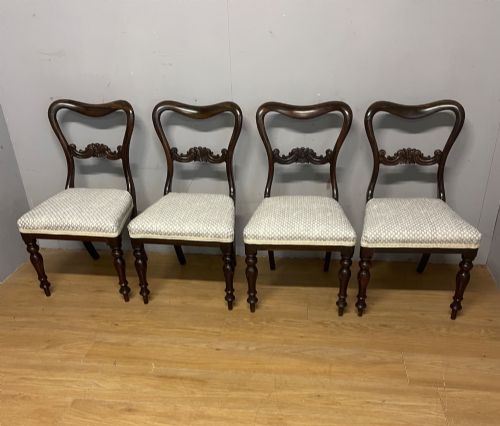

Victorian Rosewood Seat
Solid rosewood framing and polished upholstery define a Victorian rosewood seat, offering period elegance and durability for any room.
Victorian Rosewood Seat
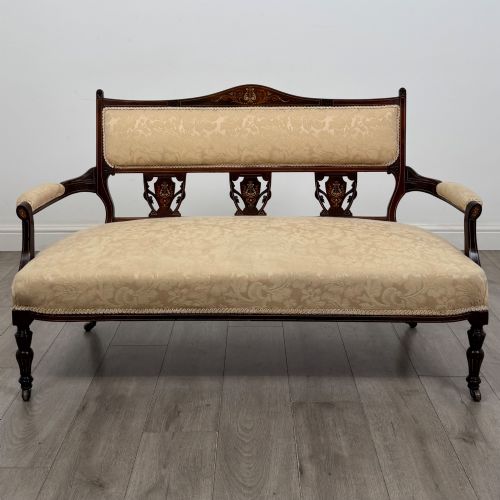
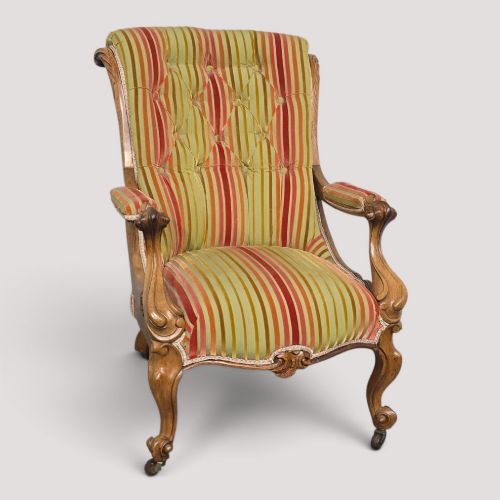
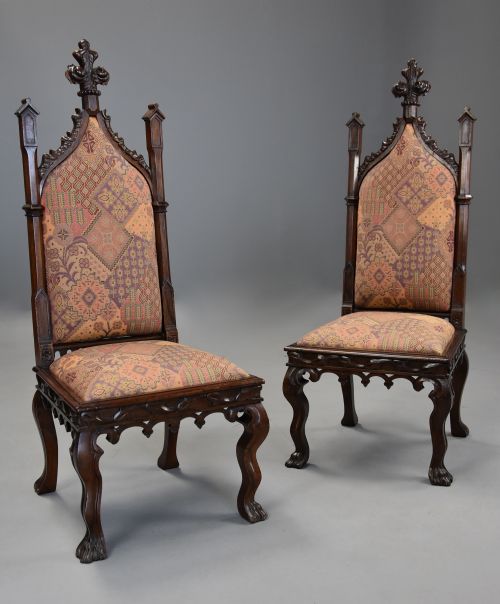
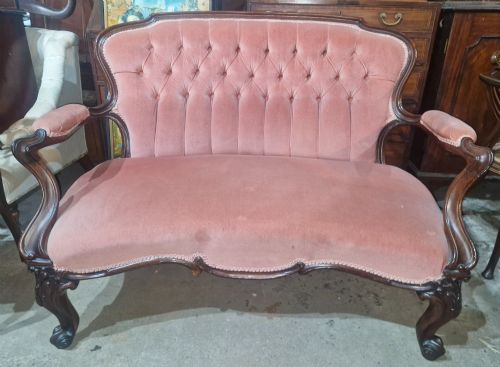
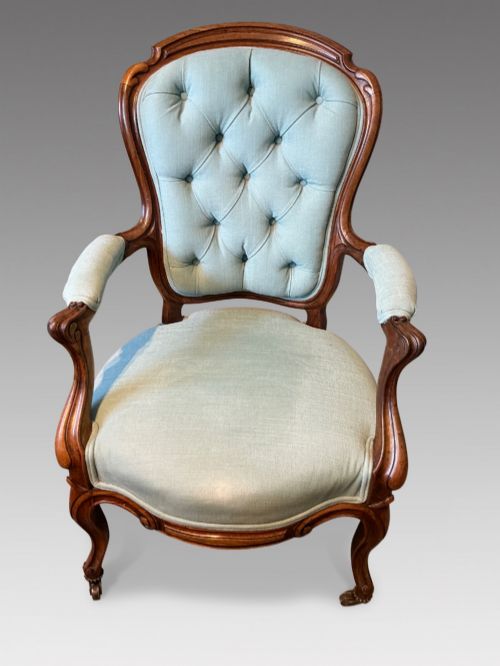
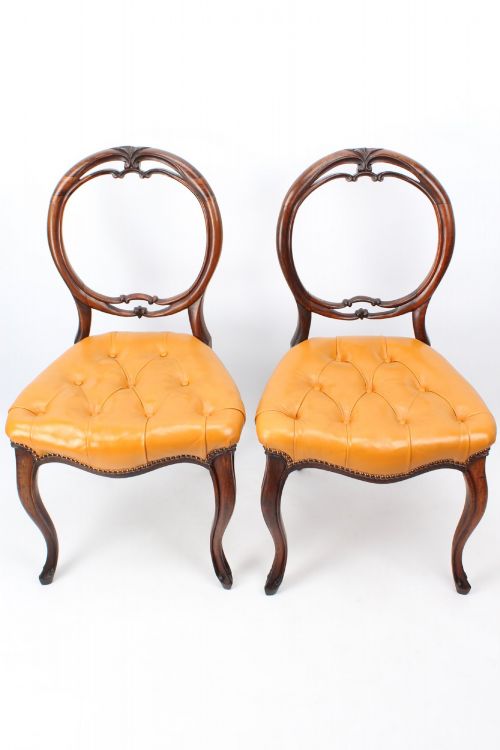
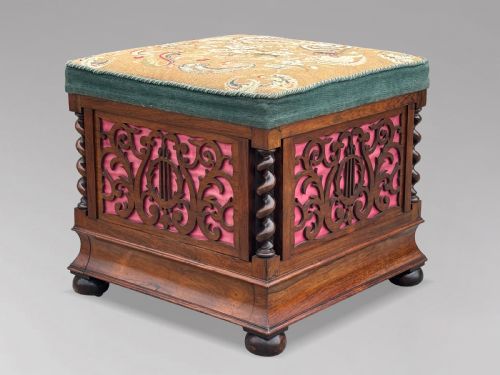
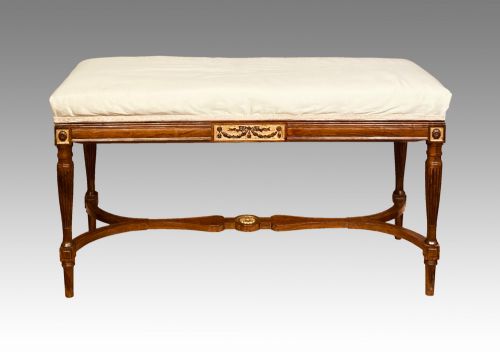
A victorian rosewood seat encompasses diverse furniture forms ranging from dining chairs and armchairs to window seats, stools, and settees originating across the nineteenth century. The most common versions met on this page include balloon back dining chairs, piano stools, and upholstered window seats dating from the mid-Victorian era around eighteen sixty.
Makers and workshops produced these pieces in various regional British styles, incorporating influences such as Gothic Revival, Regency, and William IV alongside standard Victorian forms. Seating ranges from single side chairs and library armchairs to large multi-seat sofas and chaise longues designed for drawing rooms and parlours.
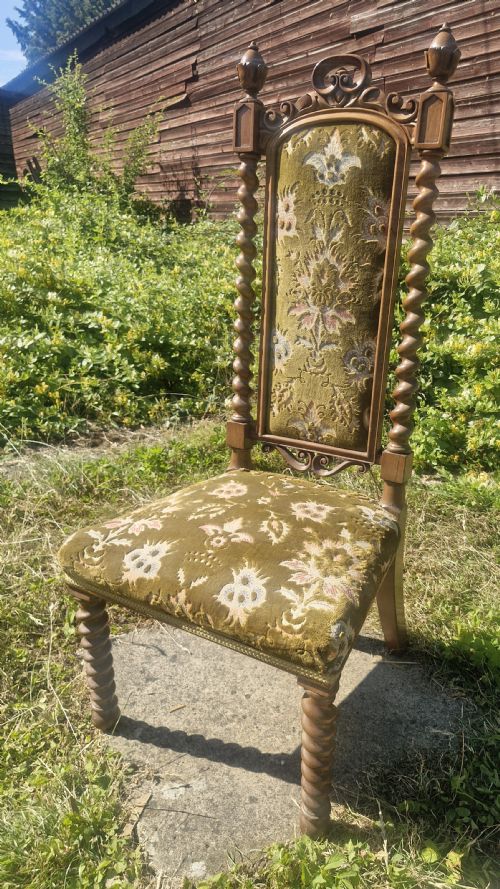
The selection includes specialised items like nursing chairs, footstools, and revolving piano stools, demonstrating the wide domestic utility of rosewood timber throughout the period. Examples span from early Victorian pieces to late nineteenth-century inlaid variants featuring arts and crafts touches.
Distinctions in construction and design
The degree of hand-carving and the intricacy of figured rosewood grain differentiate standard production from finer workshop pieces. Superior examples exhibit precise joinery, well-balanced proportions in balloon backs or cabriole legs, and high-grade original textiles on the upholstery.
Attribution to documented makers or the presence of maker labels elevates certain items, reflecting superior cabinet-making standards of the nineteenth century. The depth of the timber polish and the preservation of original needlework or leather seating surfaces further distinguish the upper tier.
Object types range from dining chairs and library armchairs to piano stools, window seats, and multi-seat settees.
W.A. Willcocks·Charles Nosotti·J. Herbert McNair·Charles Wadman·Shoolbred & Co.
The Victorian Rosewood Seat Glossary
- Balloon back
- A chair back shaped like a continuous, curved oval resembling a balloon, typical of mid-Victorian dining chairs. This design provided ergonomic support while showcasing the grain of the rosewood timber.
- Cabriole leg
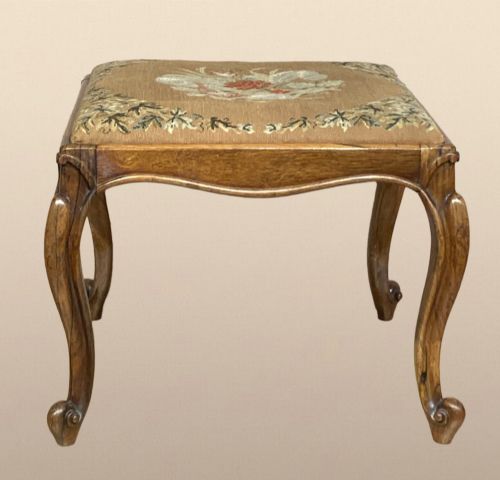
- A furniture leg that curves outward and then tapers inward with a graceful arch, ending in a pad or scroll foot. This shape draws heavily on eighteenth-century revival styles seen across Victorian seating.
- Marquetry
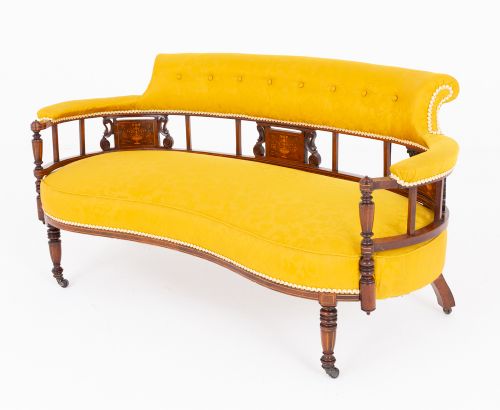
- Decorative inlay work using various woods and materials to create pictorial patterns on flat surfaces. It appears on late-period rosewood frames and window seat borders.
- Needlepoint
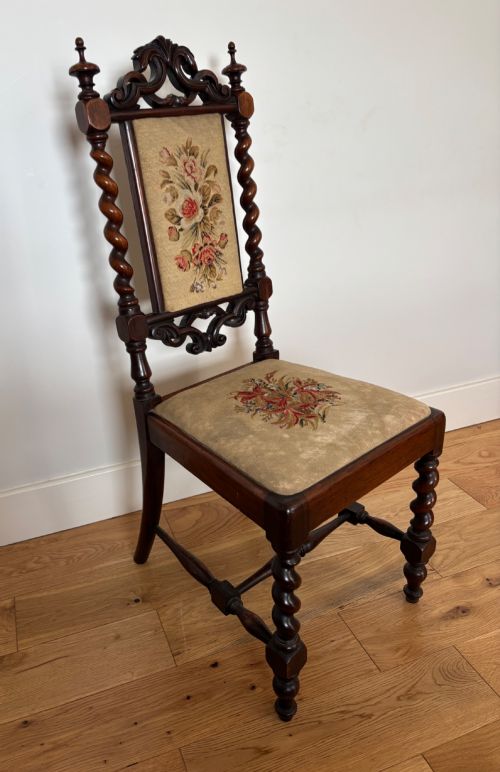
- Stitched textile work using canvas ground, frequently utilised for period seat upholstery. Surviving examples often display intricate floral or geometric patterns from the nineteenth century.
Victorian Rosewood Seat: Frequently Asked Questions
How do I identify a Victorian rosewood seat?
Look for dense, dark reddish-brown timber with characteristic dark grain patterns, combined with nineteenth-century forms like balloon backs or cabriole legs. Construction methods typically involve solid framing and period upholstery techniques.
Compare the proportions and decorative details against standard Victorian design motifs to confirm the period.
Were these seats used in specific rooms?
Yes, different forms served distinct domestic spaces, such as drawing room settees, library armchairs, and bedroom nursing chairs. Piano stools and window seats were specifically built for music rooms and bay windows.
Each seating type was proportioned for its intended function within the Victorian home.
How do early and late Victorian styles differ?
Early Victorian and William IV examples tend to feature heavy solid rosewood frames, bold carving, and classical revival lines. Late Victorian pieces frequently incorporate delicate marquetry inlay and lighter structural forms influenced by arts and crafts movements.
Comparing the decorative motifs helps establish the approximate decade of manufacture.