

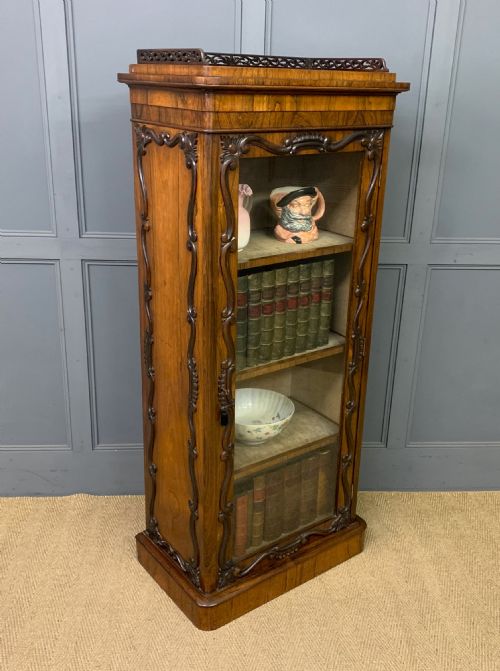

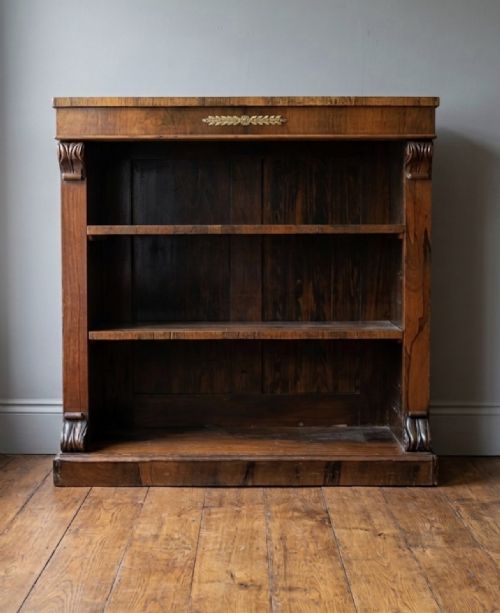
Victorian Rosewood Display Cabinet
When you search for a victorian rosewood display cabinet, you meet timber dense and dark, built to hold and show china, books, and curios.
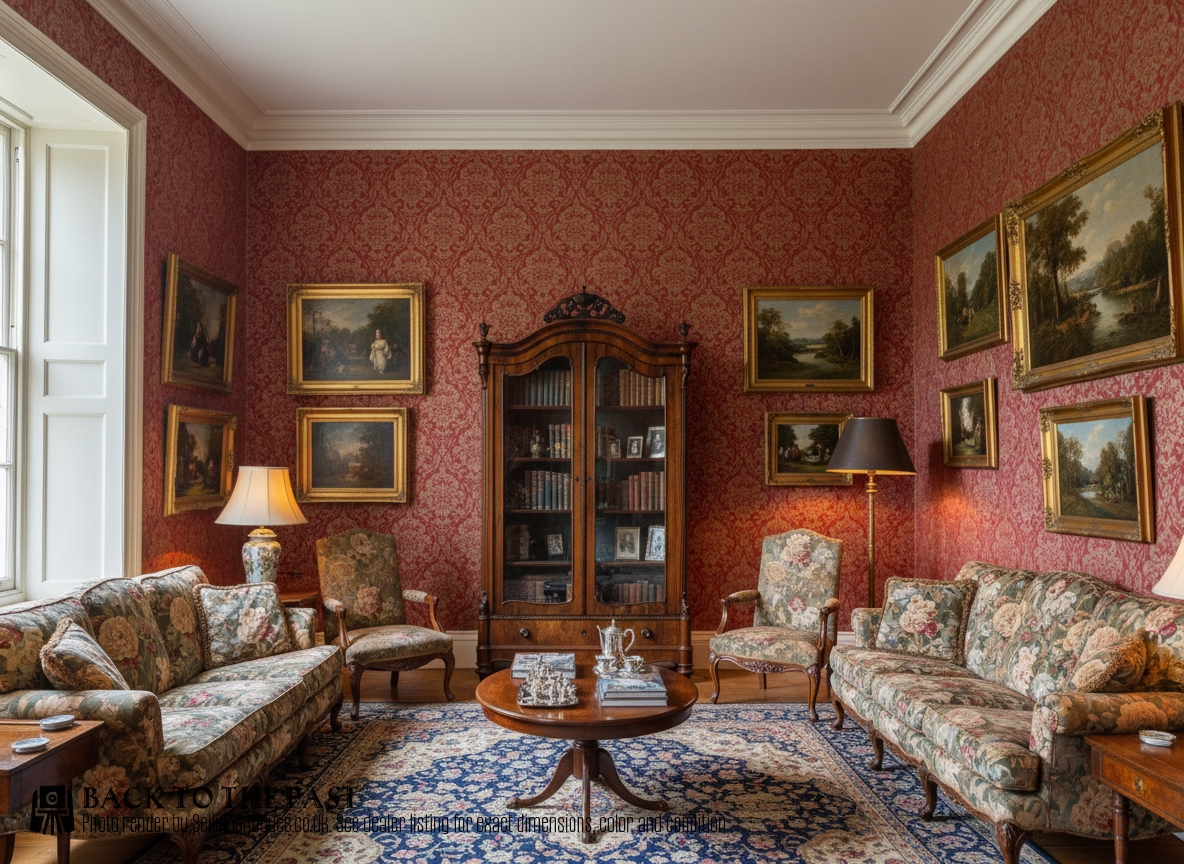
Victorian Rosewood Display Cabinet
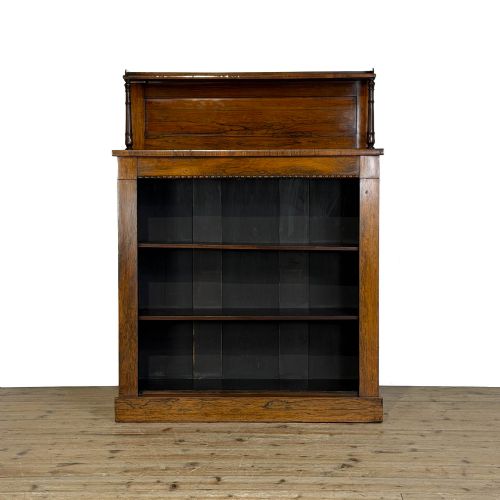
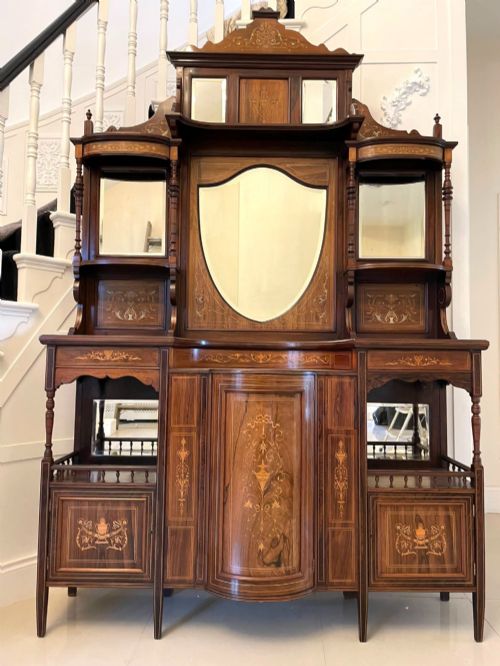
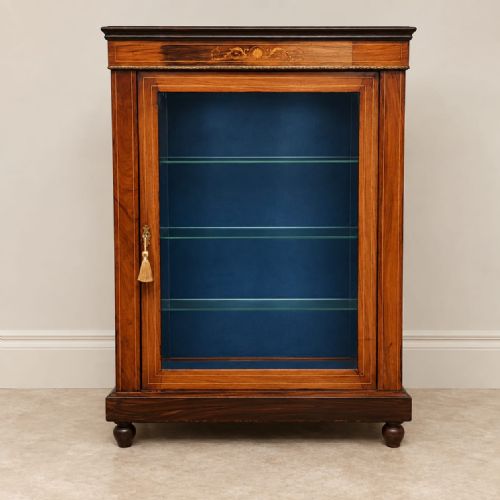
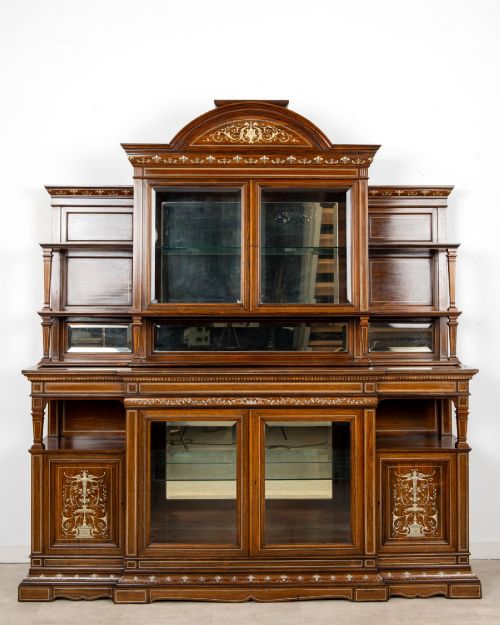
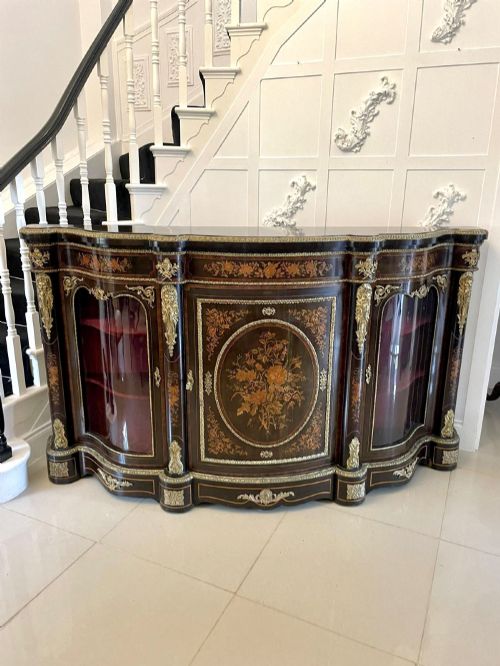
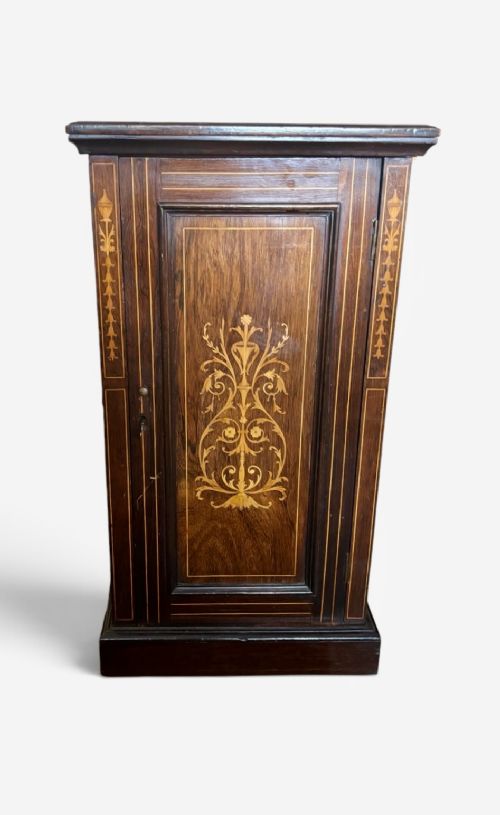
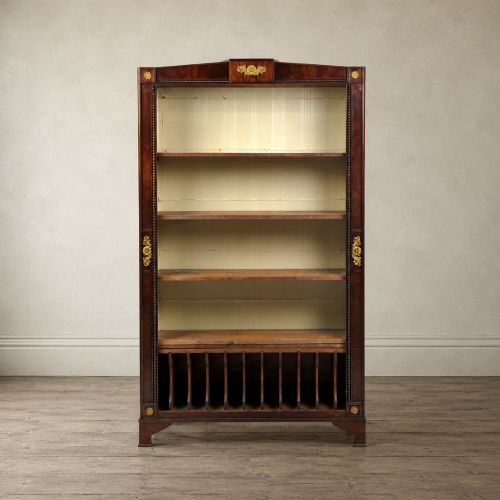
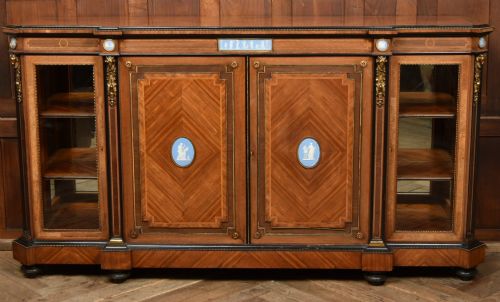
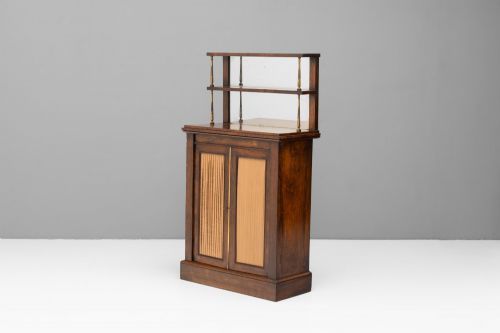
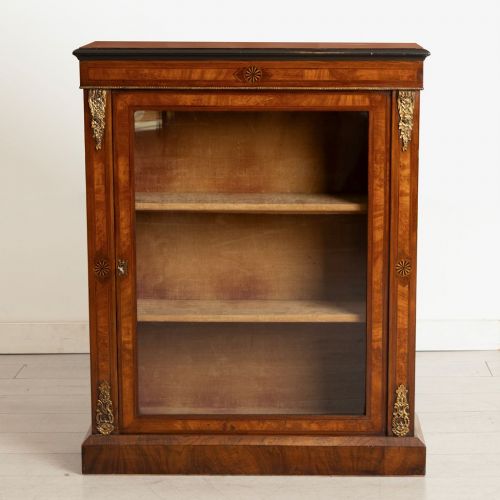
A victorian rosewood display cabinet on this page covers a broad range of nineteenth century forms, from upright pier cabinets and narrow music cabinets to low credenzas and open bookcases.
Makers shaped these pieces during the Victorian and Regency periods, spanning the decades from eighteen-fifty to nineteen-hundred, adopting French Chateau, Renaissance Revival, and Aesthetic Movement styles.
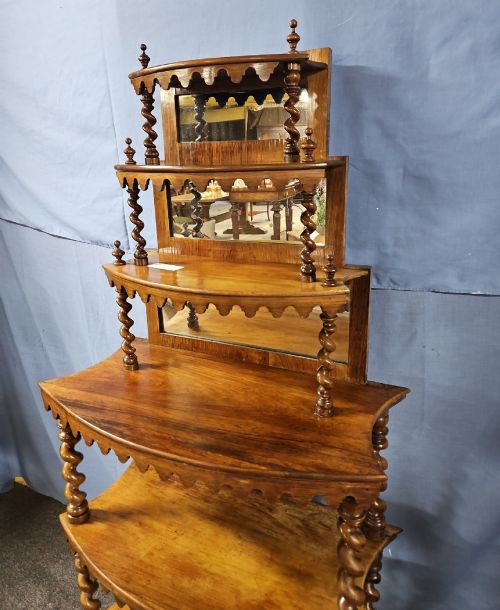
You will encounter wall-hanging corner units alongside freestanding glazed cabinets and mirrored sideboards, each designed to exhibit treasured possessions in nineteenth-century interiors.
Materials and Construction
Craftsmen built these pieces using rosewood, frequently applied as veneers over secondary timbers, combined with glass panels for doors and mirrored backs to reflect light inside.
Decoration relied on contrasting inlays of satinwood, boxwood, and ebony, alongside ormolu mounts, brass details, and intricate floral marquetry.
Structures include glazed doors, open shelving, and serpentine shapes formed during the mid and late nineteenth century.
Several cabinets doubled as music repositories, keeping nineteenth-century sheet music neatly filed behind glazed rosewood doors.
Distinctions in Execution
Quality rests in the precision of the marquetry and inlay work, where satinwood and boxwood sit flush within the dense rosewood grain.
Higher grade pieces display refined ormolu mounts, well-figured veneers, and superior joinery in structural elements like glazed doors and shaped serpentine fronts.
Collinson & Lock·James Winter·Edwards & Roberts
The Victorian Rosewood Display Cabinet Glossary
- Pier Cabinet
- A low cabinet designed to stand against the narrow section of wall between windows. These pieces often feature single glazed doors and inlaid rosewood surfaces.
- Credenza
- A grand sideboard or cabinet used in nineteenth-century dining rooms and drawing rooms. Examples frequently combine glass display doors with mirrored backs and extensive marquetry.
- Marquetry
- Decorative patterns formed by fitting together thin slices of wood veneer such as satinwood and ebony. This technique creates floral and geometric designs across cabinet doors and top surfaces.
- Ormolu
- Gilded bronze mounts applied to furniture for decorative effect. These metal ornaments accent the corners, borders, and friezes of better quality cabinets.
- Shodona
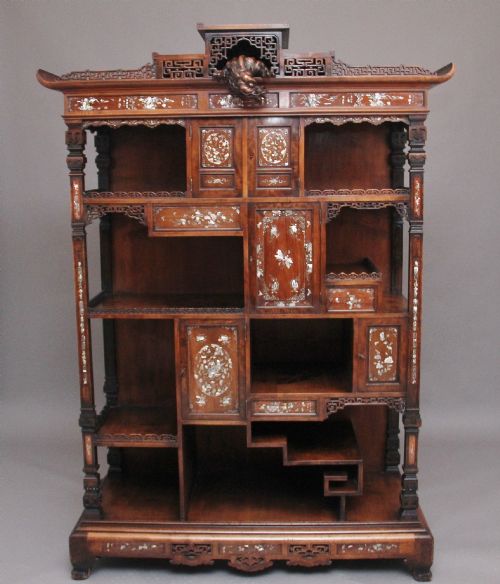
- A Japanese-inspired cabinet form found in nineteenth-century English interiors. These pieces reflect the aesthetic movement and Japonisme tastes of the period.
Victorian Rosewood Display Cabinet: Frequently Asked Questions
What is a pier cabinet?
A pier cabinet is a narrow, upright piece built to fit the wall space between windows. These cabinets typically feature a single glass door to protect books or ceramics.
The form became popular during the Victorian period, offering display space in smaller drawing-room wall sections without blocking light.
How do I identify a credenza?
A credenza is a low, substantial cabinet or sideboard that often includes central glass display sections flanked by cupboards. They frequently incorporate mirrored backs.
These pieces served formal nineteenth-century rooms as both storage surfaces and display cases for valuable porcelain and silver.
What is rosewood veneer?
Rosewood veneer consists of thin sheets of richly figured tropical hardwood applied over a stable secondary timber carcass. This method allowed makers to display dramatic grain patterns efficiently.
Veneering was standard practice for better quality nineteenth-century furniture, preventing warping while showing off dark, oily grain.
Where were these cabinets used?
These cabinets stood in Victorian drawing rooms, parlours, and libraries to hold books, sheet music, and decorative ornaments. Glazed doors kept dust away from delicate collections.
Their varied forms allowed them to occupy corners, wall piers, or long stretches of room depending on the specific cabinet type.