
Antique Continental Cabinet
An antique continental cabinet brings centuries of European craftsmanship and rich timber into a room, offering both practical storage and a strong visual focal point.
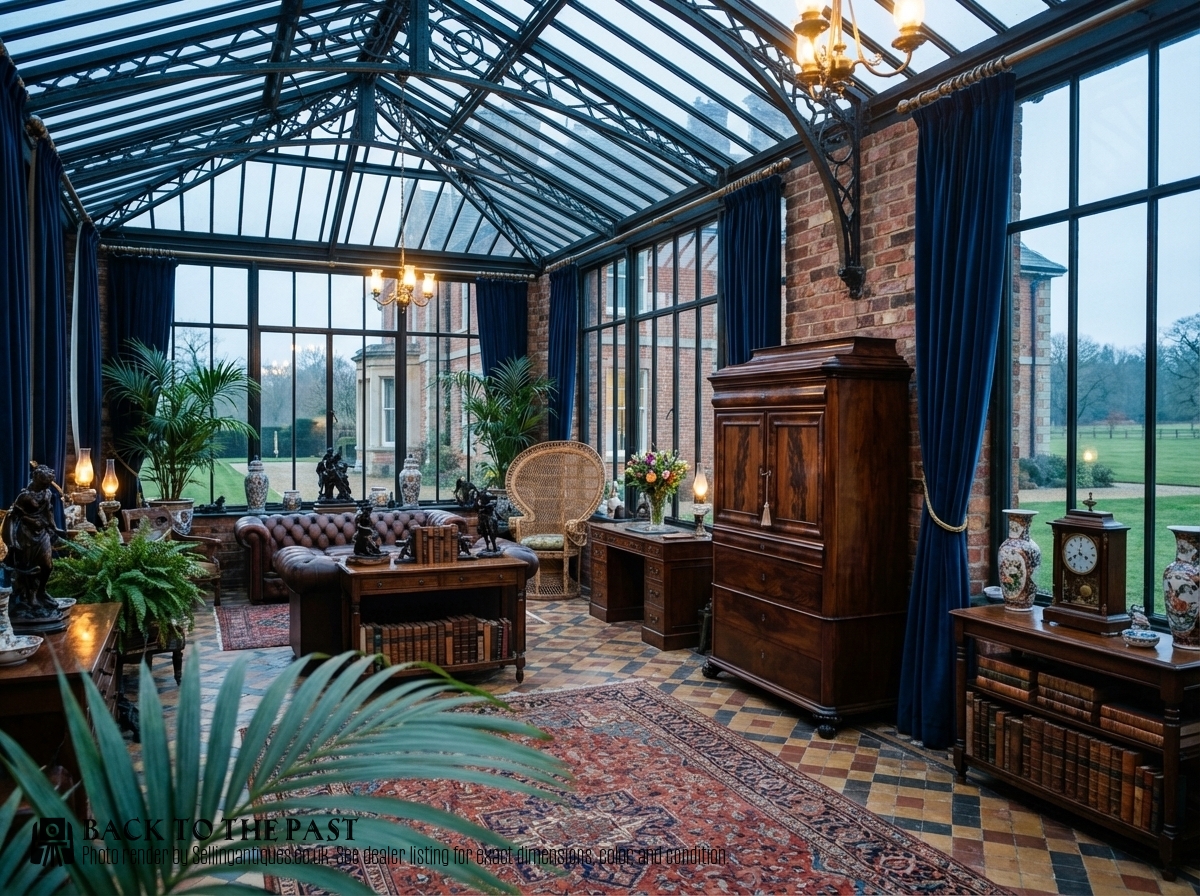
Antique Continental Cabinet
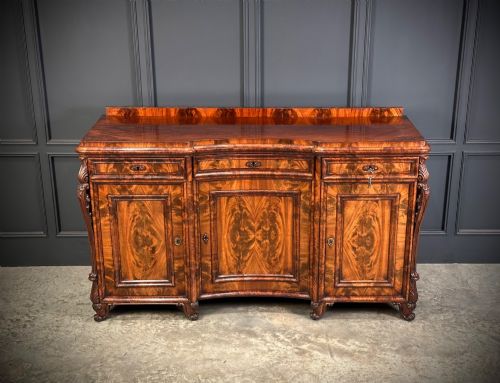
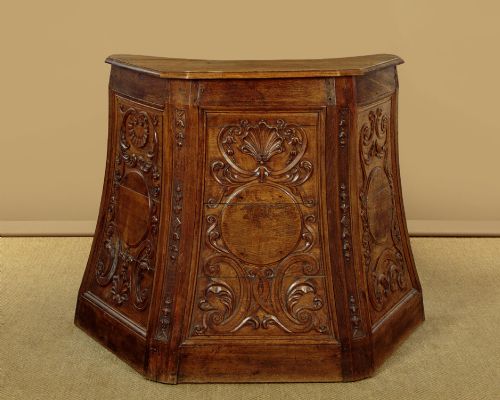
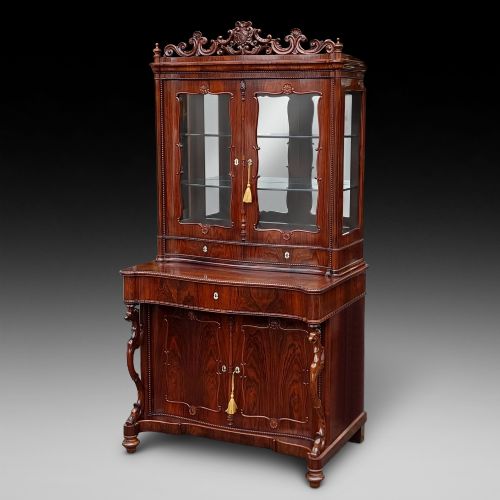
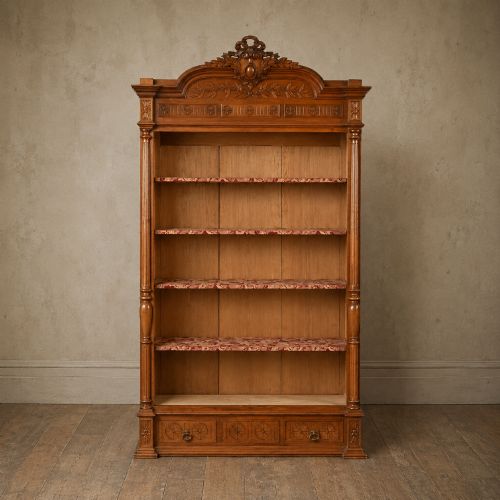
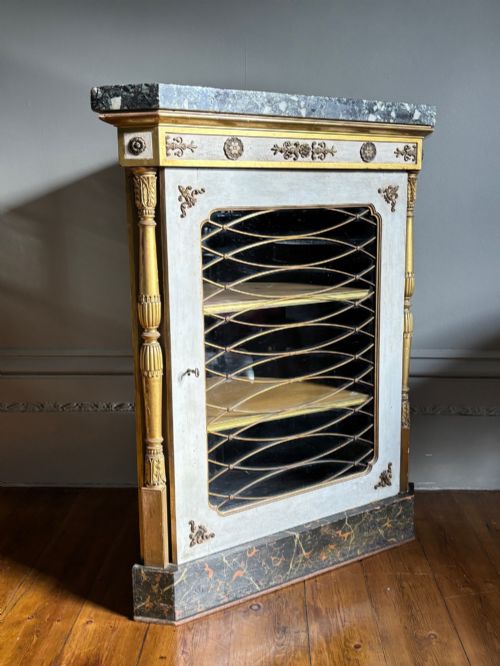
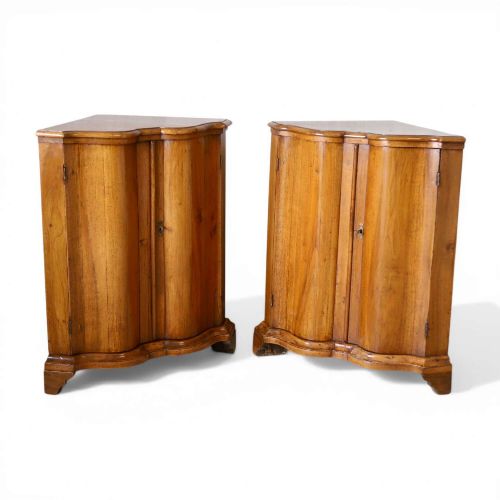
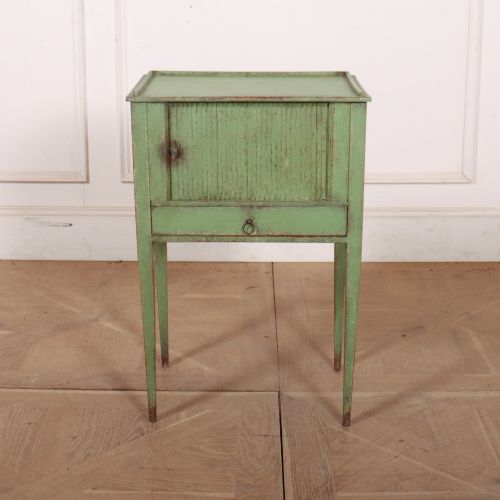
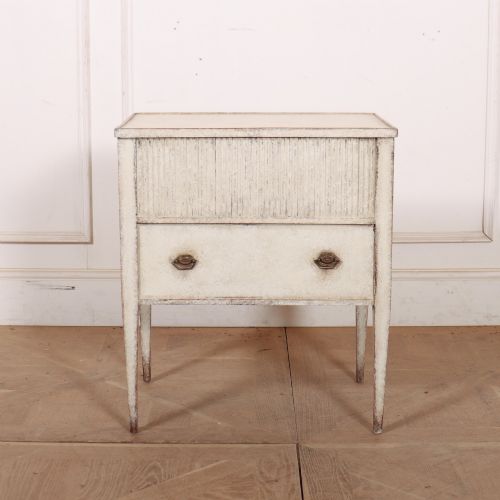
When you search for an antique continental cabinet, you encounter a broad spectrum of European storage furniture spanning from the seventeenth century through to the Victorian era. These pieces range from modest bedside tables and corner cupboards to imposing armoires, bookcases, and intricately decorated display cabinets.
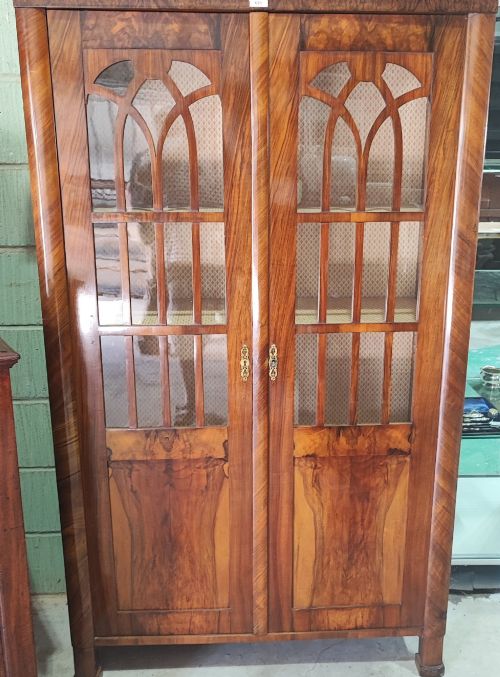
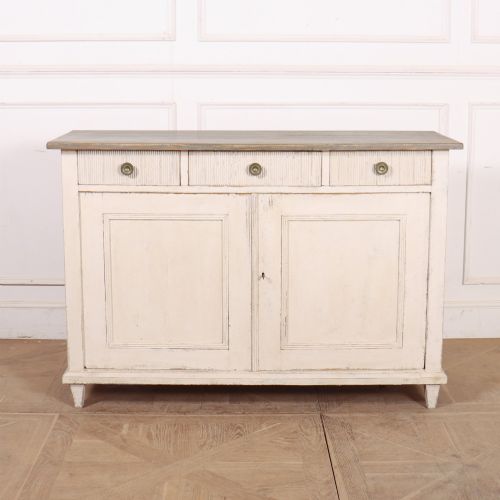
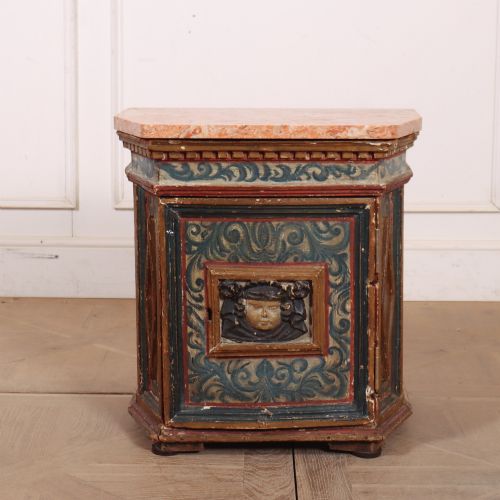
The selections on this page demonstrate the vast geographical reach of European cabinet-making, featuring walnut, oak, and painted pine items originating from Italy, Germany, Austria, France, and the Netherlands. Regional styles vary widely, encompassing the austere geometric lines of Biedermeier design alongside the exuberant curves of Italian Baroque and Rococo forms.
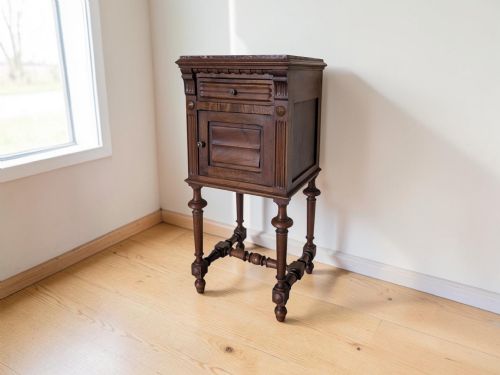
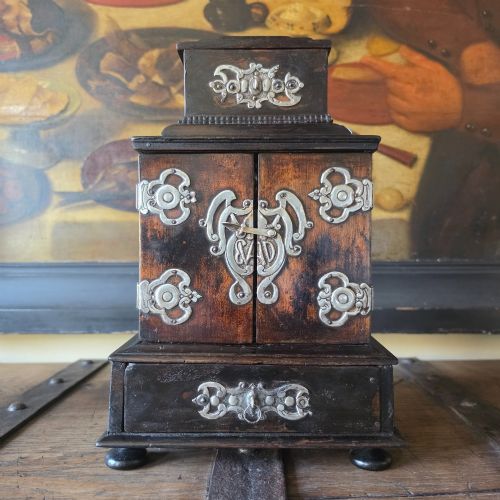
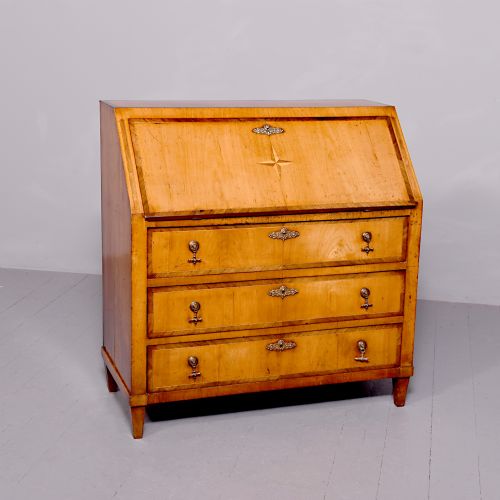
Buyers frequently meet pieces designed for specific domestic functions, such as linen presses, secretaires, apothecary chests, and bedside cabinets topped with marble. Each format reflects the distinct interior customs and architectural traditions of its continental origin.
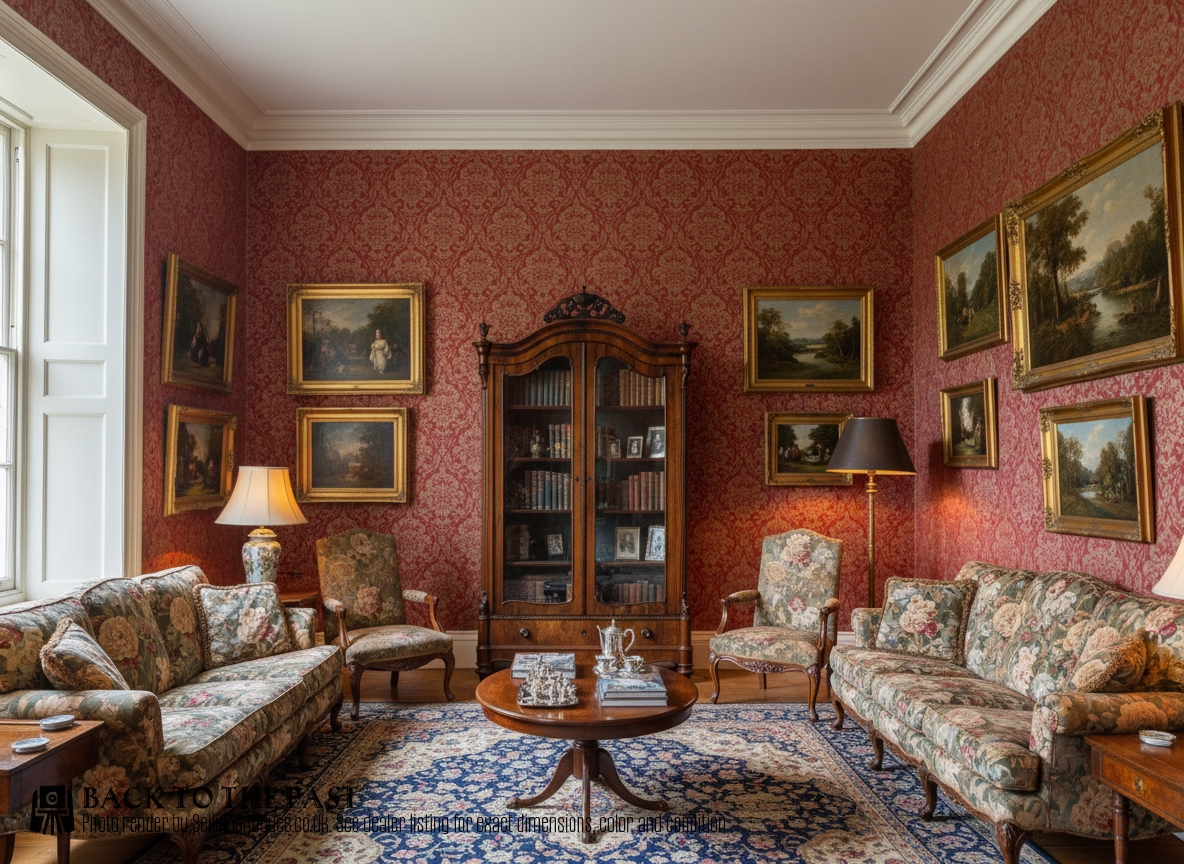
Materials and construction
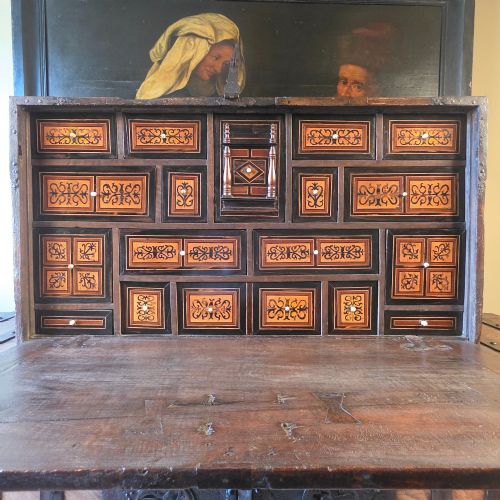
Cabinet-makers relied heavily on durable timbers such as walnut, oak, and mahogany as foundational woods, often elevating the visual impact through figured veneers, burr sections, and delicate inlay work in contrasting woods. Pine and fruitwoods served commonly in regional provincial pieces, particularly those destined for painted finishes.
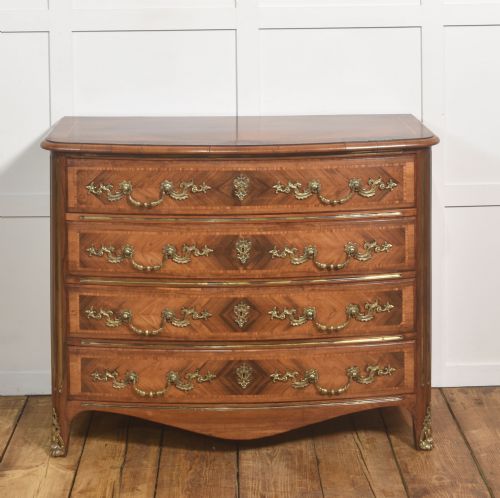
Structural embellishments frequently incorporated brass hardware, gilt mounts, and inset marble tops, particularly on nineteenth-century bedside and chest formats. Joinery techniques balanced solid framing with meticulous hand-carving, especially visible on Gothic revival panels and Baroque moulding details.
Listings feature walnut as the dominant primary timber, accompanied by oak, pine, mahogany, and extensive painted wood surfaces.
Distinctions in quality
The pinnacle of the range is defined by the integrity of the timber selection, such as richly figured walnut or finely matched burr veneers, paired with crisp, deep hand-carving that retains its original sharpness. Lesser examples rely on simpler secondary woods with minimal surface decoration or later painted alterations.
Proportion and architectural balance set exceptional pieces apart, where cornices, bases, and doors align harmoniously without heavy restoration. The refinement of interior fittings, original brass mounts, and the preservation of early surface patination also signal superior craftsmanship.
The Antique Continental Cabinet Glossary
- Biedermeier
- A style of Central European furniture from the mid-nineteenth century prioritising clean lines, minimal ornamentation, and the natural grain of blonde woods like walnut and birch.
- Marquetry
- The art of applying thin veneers of various woods in decorative patterns onto a structural carcase to form pictorial or geometric designs.
- Secretaire
- A cabinet or bureau featuring a fitted writing drawer with a fold-down front concealing small compartments and pigeonholes.
- Enfilade
- A long sideboard or cabinet designed to sit against a wall, traditionally part of a suite of rooms arranged in a straight line.
- Bombe
- A heavily curved or swelling convex shape typical of Rococo and Baroque case furniture, requiring advanced woodworking skill to achieve.
Antique Continental Cabinet: Frequently Asked Questions
Where were these cabinets made?
These cabinets originate from various regions across mainland Europe, including Italy, Germany, Austria, France, and the Netherlands, each bringing distinct local timber preferences and design vocabularies to the workshop.
Makers in different provinces utilised whatever native woods were abundant, resulting in polished walnut pieces from urban centres and painted pine or fruitwood furniture from rural alpine districts.
How do I date an older cabinet?
Dating relies on observing construction methods, timber choices, and stylistic cues characteristic of specific periods like the seventeenth, eighteenth, or nineteenth centuries. Hand-cut dovetails, secondary wood usage, and the evolution from heavy Baroque carving to refined Biedermeier simplicity provide reliable chronological markers.
Surface patination and the nature of any hardware or veneers further assist in placing a piece within a particular decade or reign.
Can I use a bedside cabinet in a modern bedroom?
These compact cupboards and tables adapt effortlessly to contemporary living, providing enclosed bedside storage alongside surfaces suitable for lamps and books. Their varied heights and finishes allow them to contrast sharply against minimalist decor or complement traditional interiors.
Marble tops found on many continental bedside examples offer a durable, resilient surface for daily bedroom use.
What is the difference between an armoire and a wardrobe?
An armoire is a traditional continental cupboard, often larger and more architecturally ornate than a standard wardrobe, historically utilised for storing weapons, linens, or valuables before clothes-hanging became standard.
Many earlier examples feature internal shelving rather than hanging space, reflecting their original purpose as general utility cupboards in European homes.