
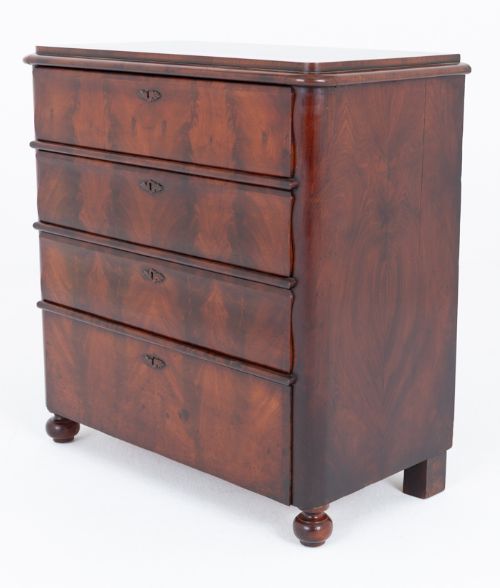
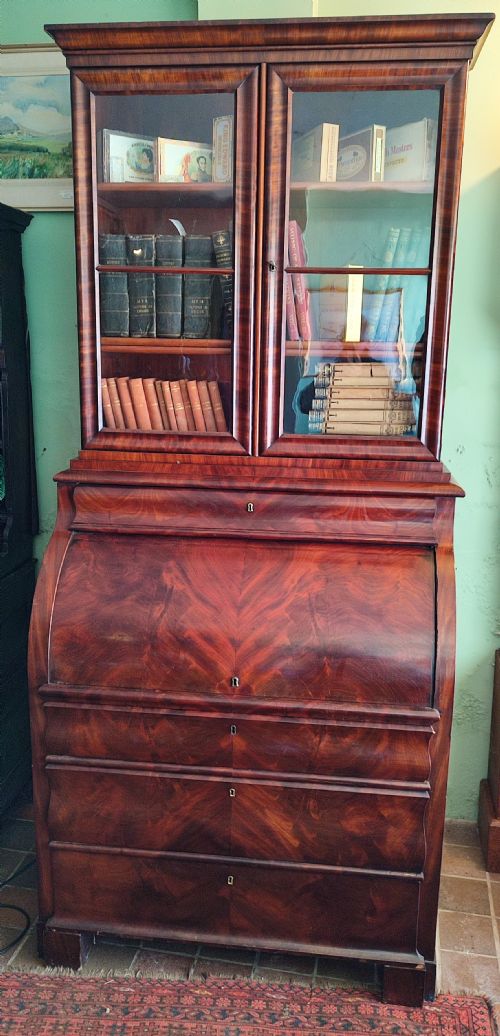


German Biedermeier Cabinet
These german biedermeier cabinet selections bring functional nineteenth-century timber forms and painted porcelain vessels into modern interiors.
German Biedermeier Cabinet
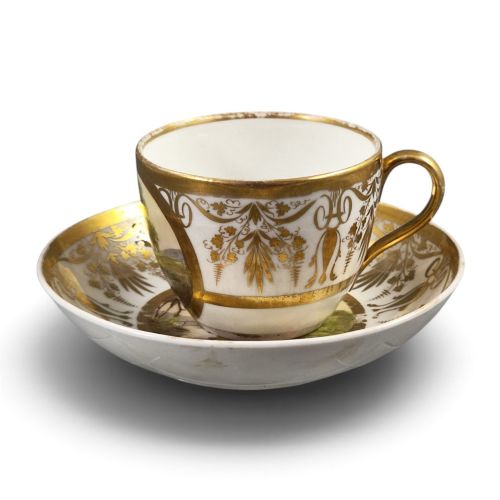
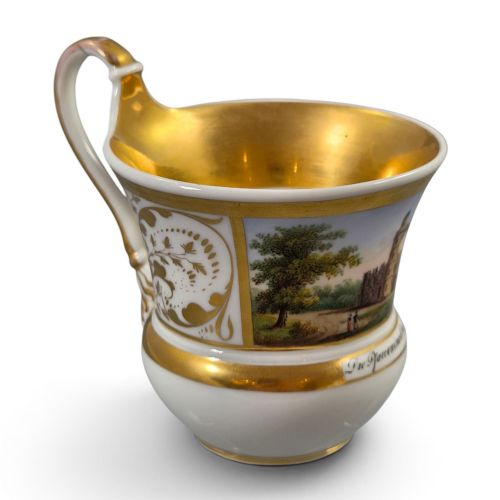
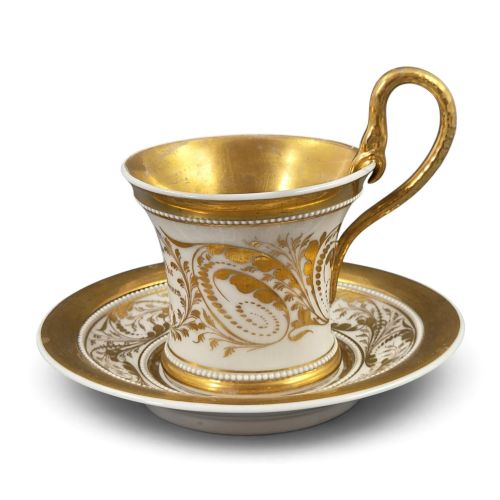
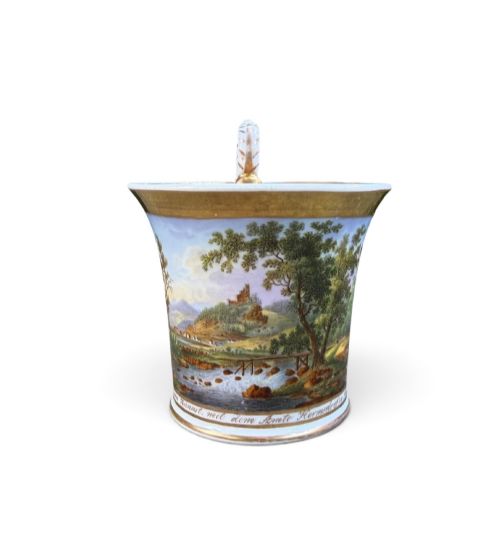
A german biedermeier cabinet covers large timber furniture alongside smaller porcelain drinking vessels termed cabinet cups. The furniture includes mahogany and birch pieces such as chest of drawers, bureau bookcases, escritoires, and wardrobes.
The objects span the nineteenth century, drawing on neoclassical restraint and Biedermeier design principles. Buyers encounter dark woods, ebonised details, and topographical porcelain painted with landscapes.
Materials and construction
Woodworking relies on flame mahogany veneer and solid birch, often paired with ebonised wood highlights. Cabinetmakers constructed storage pieces with drop-front writing surfaces and fitted interior compartments.
Porcelain items utilise hard-paste porcelain decorated with gilding, gold leaf, and enamel painting. Makers applied hand-painted landscapes to cabinet cups and presentation vessels.
Listings feature nineteenth-century furniture and porcelain across mahogany, birch, ebonised wood, and hard-paste porcelain.
Distinctions in quality
Superior timber examples display carefully matched grain patterns across flame mahogany veneer and birch surfaces. Finely executed ebonised details and stable structural joinery elevate the standing of larger furniture.
Porcelain quality depends on the precision of topographical painting and the application of gold leaf or gilding. Crisp landscape details distinguish finer cabinet cups from standard production pieces.
The German Biedermeier Cabinet Glossary
- Cabinet cup
- A decorative porcelain vessel produced for display rather than ordinary tea service. These cups often feature topographical landscape paintings and extensive gilding.
- Escritoire
- A writing cabinet featuring a drop-front panel that conceals small drawers and pigeonholes. This form provides a compact workspace within domestic rooms.
- Flame mahogany veneer
- A thin slice of timber applied to a secondary wood base, showing a distinctive flickering grain pattern. Furniture makers utilised this technique on prominent exterior surfaces.
- Hard-paste porcelain
- A durable ceramic material fired at high temperatures using kaolin and petuntse. Berlin factories utilised this composition for presentation cups.
German Biedermeier Cabinet: Frequently Asked Questions
What is a Biedermeier escritoire?
An escritoire is a compact writing cabinet featuring a drop-front writing flap. Inside, it contains small compartments and drawers for correspondence.
These pieces combine practical storage with restrained nineteenth-century design.
How do cabinet cups differ from teacups?
Cabinet cups are decorative porcelain pieces intended for display rather than daily drinking use. They frequently feature detailed topographical landscapes and gold leaf decoration.
Factories like KPM Berlin produced these items for presentation and collection.
What woods were used in these pieces?
Cabinetmakers utilised mahogany, flame mahogany veneer, birch, and ebonised wood. These timbers provided smooth surfaces suited to neoclassical and Biedermeier styles.
Dark finishes and figured grains define the visual character of the furniture.
How do you date a Biedermeier cabinet?
Dating relies on timber selection, veneer techniques, and stylistic markers from the nineteenth century. Records associate construction methods with the Georgian, Victorian, and mid-century periods.
Associated porcelain pieces often carry factory marks from Berlin workshops.