
19th Century Storage Press
A 19th century storage press delivers substantial architectural presence and deep utility, holding household textiles and garments within period timbers.
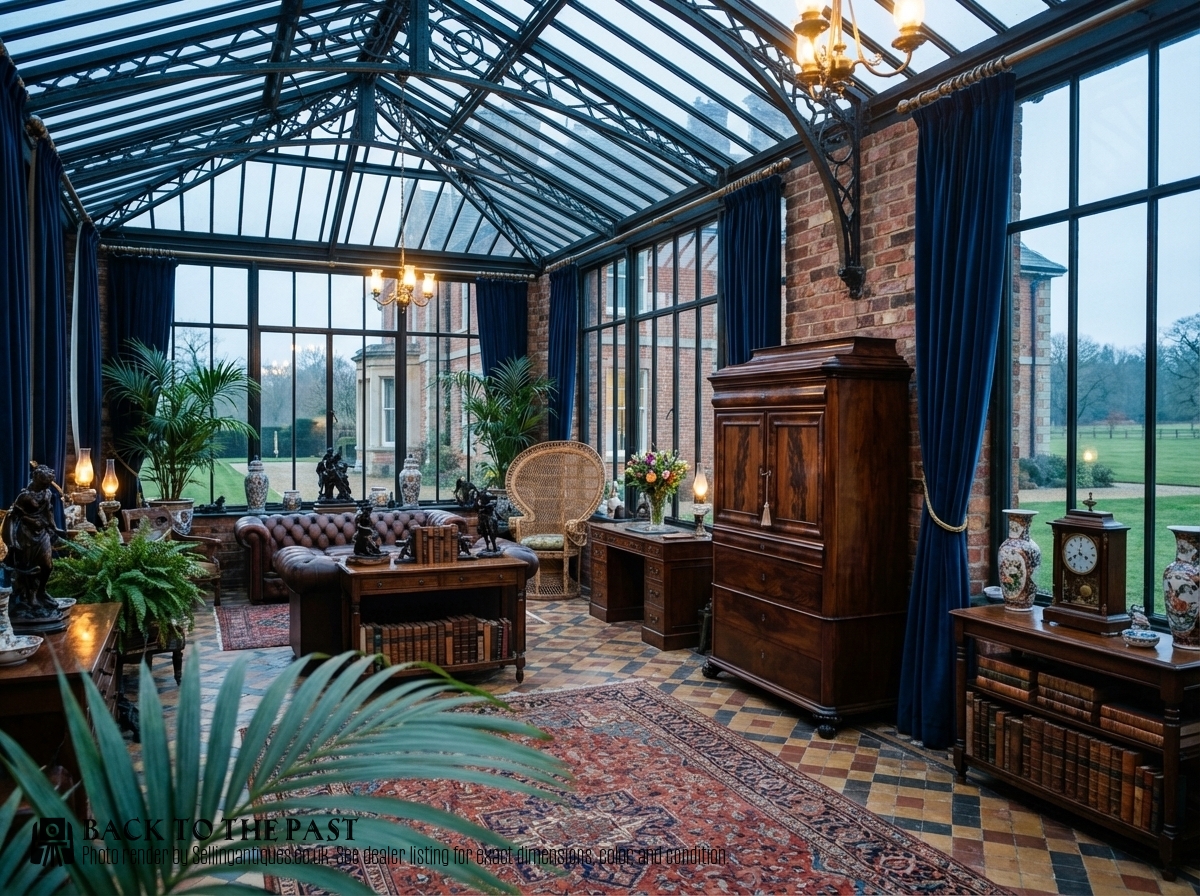
19th Century Storage Press
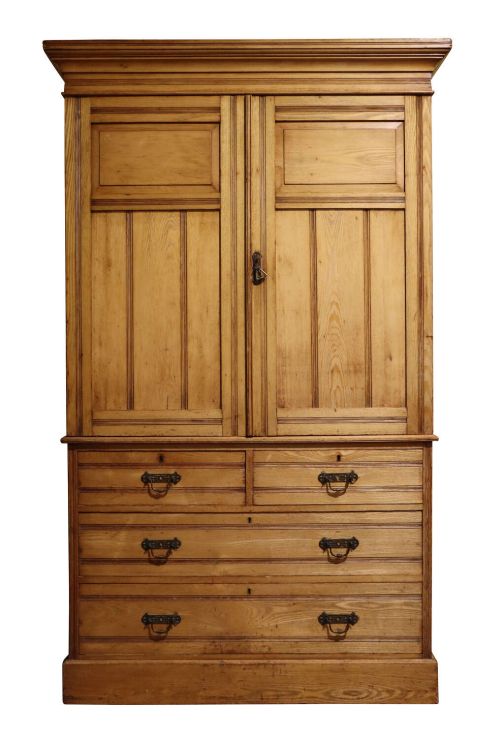
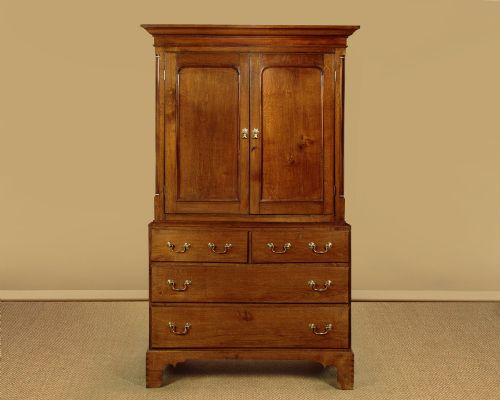
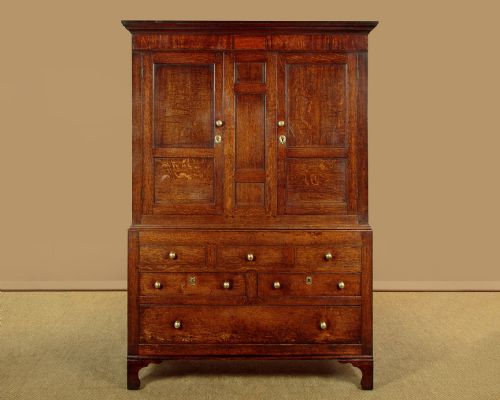
A 19th century storage press encompasses traditional linen presses, housekeeper cupboards, wardrobes, and compactums designed to organise domestic interiors. Pieces from this era span Georgian, Regency, Victorian, and provincial European styles, reflecting both formal cabinet-making and regional vernacular traditions.
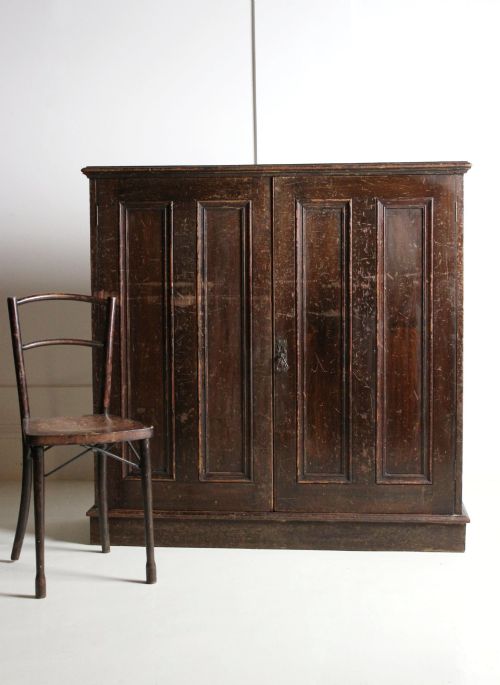
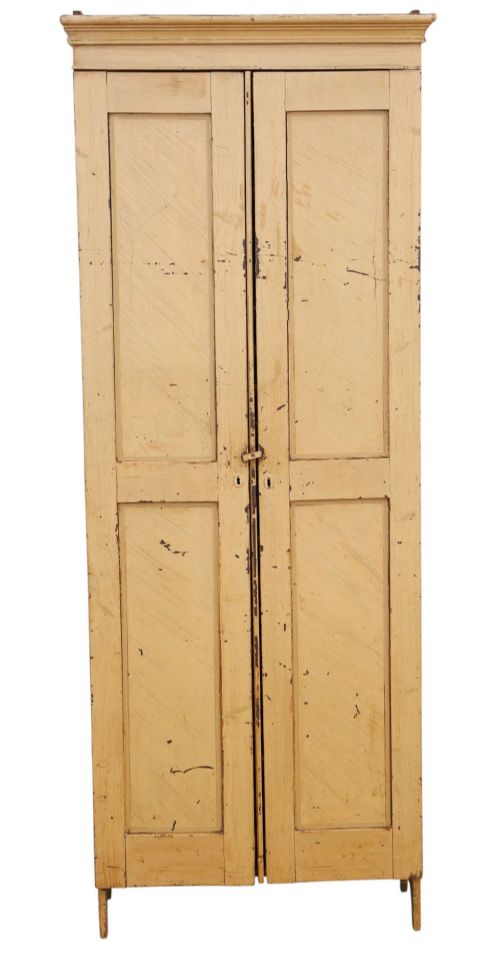
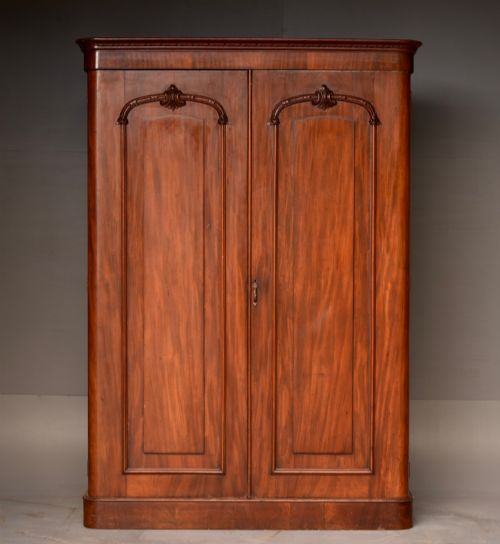
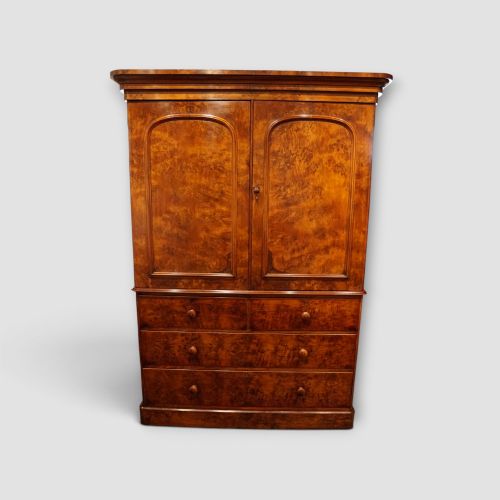
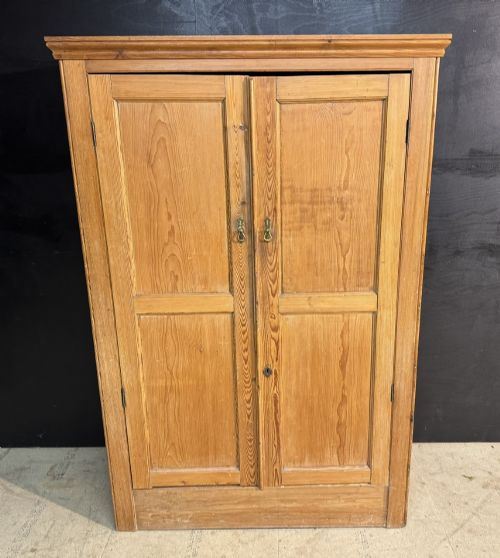
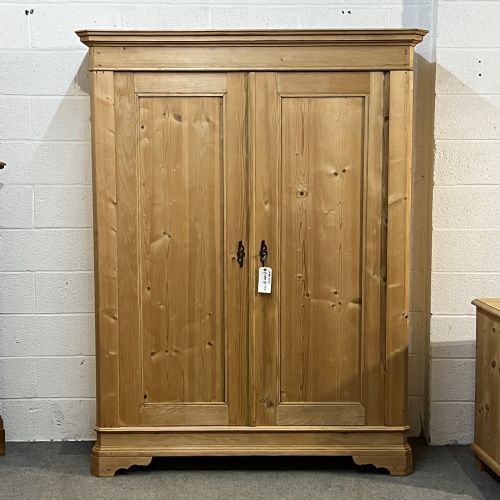
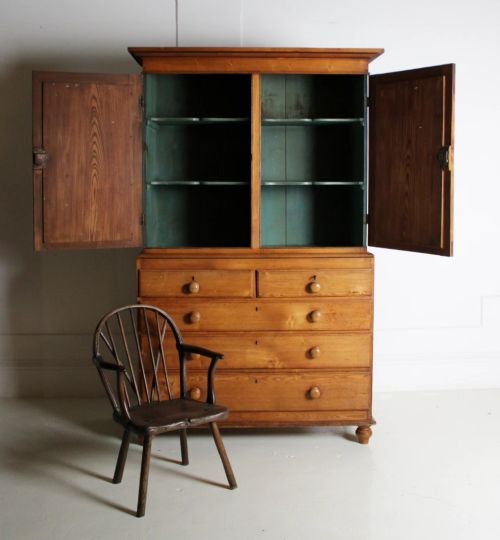
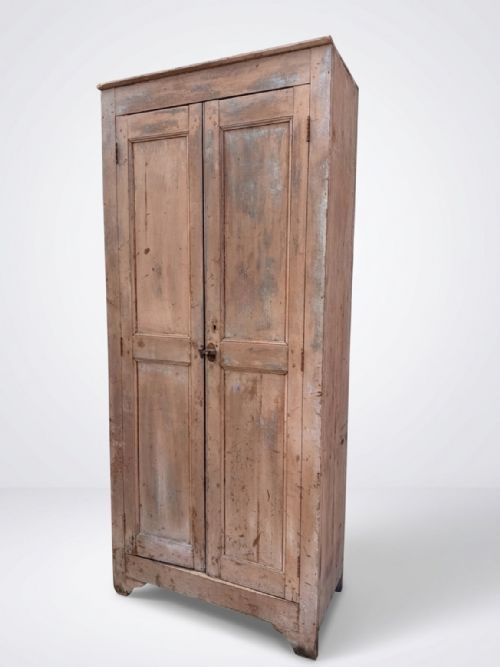
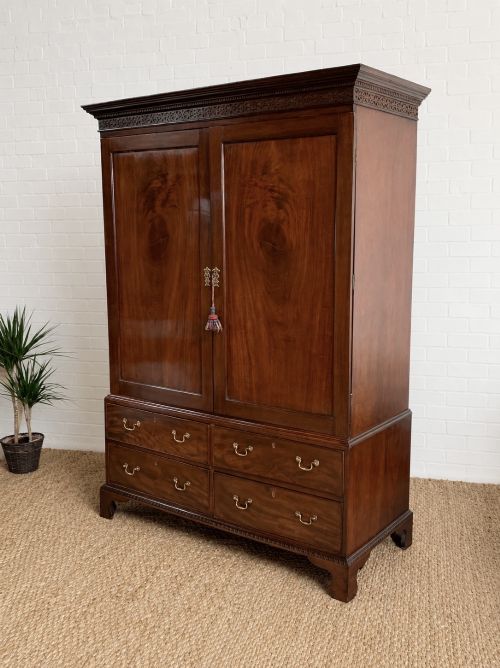
The versions most commonly encountered on this page are pine and mahogany cupboards or linen presses originating from British and French workshops. These range from tall painted kitchen larders to grand mahogany cabinets featuring upper cupboard doors and lower banks of drawers.
How they were made
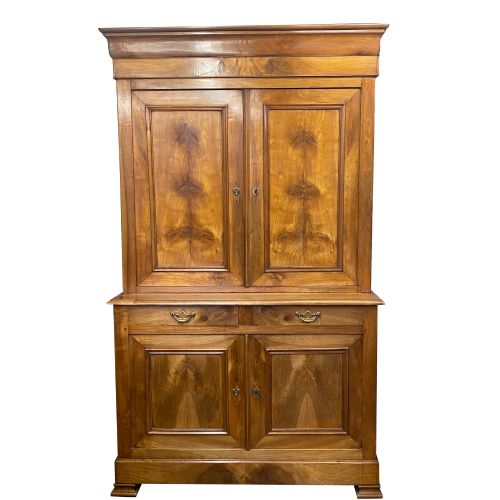
Construction relies heavily on solid native and continental timbers such as mahogany, oak, walnut, ash, and pine, frequently enhanced by decorative veneers like flame mahogany, burr walnut, and birds eye maple. Structural joints are traditionally dovetailed and pegged, reflecting durable carpentry methods suited to heavy domestic storage.
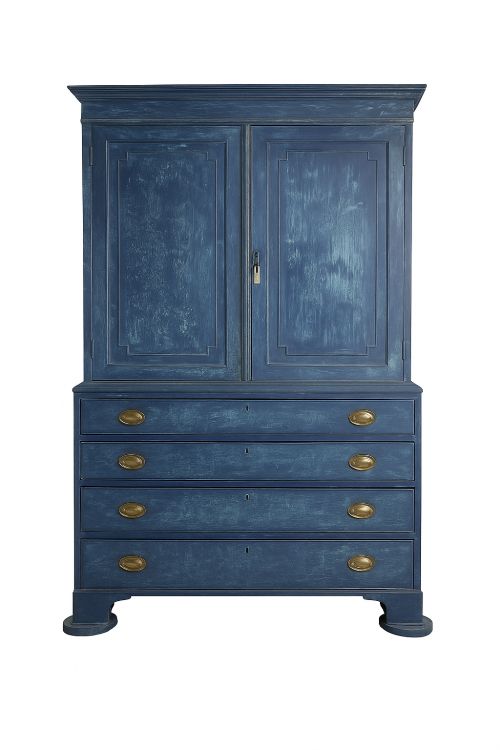
Surface finishes vary widely across the inventory, encompassing natural waxed hardwoods, elaborate blind fretwork cornices, crossbanding, and original or scumble painted coats. Metal hardware, including brass handles and iron hinges, provides functional contrast to the wooden carcases.
Secondary woods and surfaces span scumble painted finishes, solid cherry wood, birds eye maple, and original pine paint.
What varies in quality
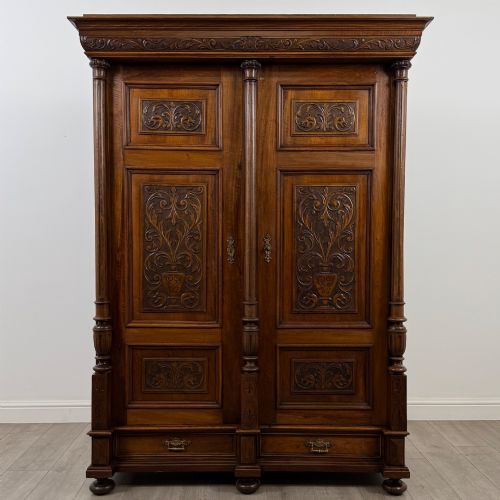
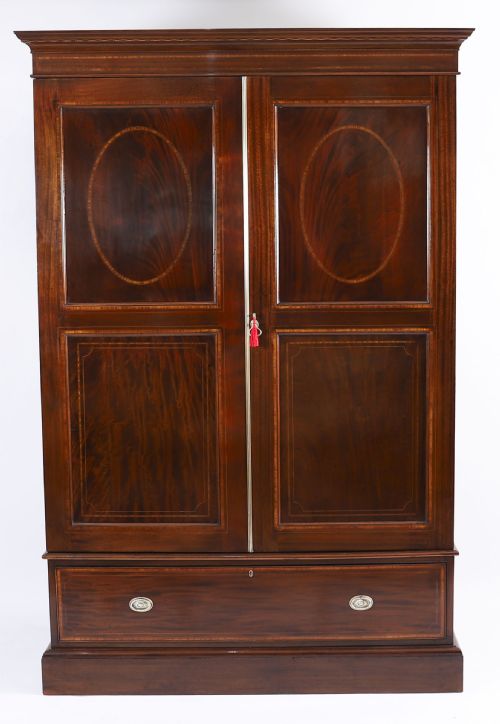
The distinction between standard utility storage and finer cabinet-making lies in the selection of timbers and the sophistication of decorative detailing. Pieces exhibiting figured veneers, crossbanding, and carved cornices demonstrate a higher level of workshop ambition than plain utilitarian carcases.
Proportion and structural integrity dictate the standing of a press within its type, with balanced proportions and original surface treatments such as untouched paint or undisturbed wax retaining greater historical continuity.
Maple and Co·Heals
The 19th Century Storage Press Glossary
- Linen Press
- A tall dual-purpose cabinet comprising an upper section with sliding trays or shelves for textiles and a lower section with chest drawers. These pieces evolved to keep household linens flat and protected from dust.
- Compactum
- A multi-functional wardrobe designed to maximise interior storage by combining hanging space, shelves, and drawers within a single unified carcase. They often feature low profiles or compact footprints relative to their capacity.
- Housekeeper Cupboard
- A large kitchen or utility room storage piece, typically constructed from solid pine or fruitwoods, used for provisions and household goods. They frequently appear in regional painted or scumbled finishes.
- Crossbanding
- A decorative technique where veneer strips are applied across the grain around the border of a panel or drawer front. This method frames the primary timber and adds visual depth to mahogany and walnut furniture.
- Blind Fretwork
- Carved ornamentation applied to a flat surface in an intricate geometric or interlaced pattern without piercing through the wood. It is commonly found along the cornices of formal 19th century mahogany pieces.
19th Century Storage Press: Frequently Asked Questions
What is a 19th century storage press?
A 19th century storage press is a large wooden cabinet built to hold garments, linens, or household provisions. These items typically combine shelving, hanging space, or sliding trays with lower drawer storage.
Cabinet-makers constructed them in various regional and formal styles, ranging from grand mahogany Georgian designs to utilitarian painted pine country cupboards.
How were linen presses used historically?
Historically, linen presses stored household textiles flat within sliding trays to prevent creases before the widespread use of domestic wardrobes. The lower drawers held bulkier items, while the upper compartments kept fabrics clean.
In larger country houses, housekeeper versions also served as central storage for dry goods, tableware, and domestic supplies.
How do I style a storage press at home?
Integrating a large storage press into a modern interior requires allowing the piece adequate wall space to display its natural proportions and timber grain. Their substantial scale makes them ideal focal points for hallways, bedrooms, or spacious kitchens.
Interior shelving and deep drawers accommodate modern clothing, linens, or media equipment while preserving the historic exterior character.
How do I tell a linen press from a wardrobe?
A traditional linen press is distinguished by its split elevation, featuring a shallow upper section originally built for sliding linen trays and a deep chest of drawers below. Wardrobes are taller vertical structures designed primarily for hanging garments on internal rails.
Compactums blur these distinctions by incorporating hanging space, shelving, and drawers into a single integrated carcase design.