


Victorian Reticulated Porcelain
Victorian reticulated porcelain brings together intricate pierced ceramic work and hand-painted decoration from the nineteenth century.
Victorian Reticulated Porcelain
When you search for victorian reticulated porcelain, you encounter highly decorative ceramics featuring openwork lattice patterns, pierced borders, and intricate cut-out designs. These items span the nineteenth century, including periods such as 1880, 1890, and 1900, reflecting the decorative tastes of the Victorian era.
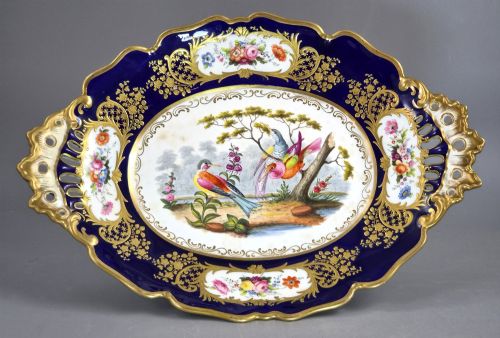
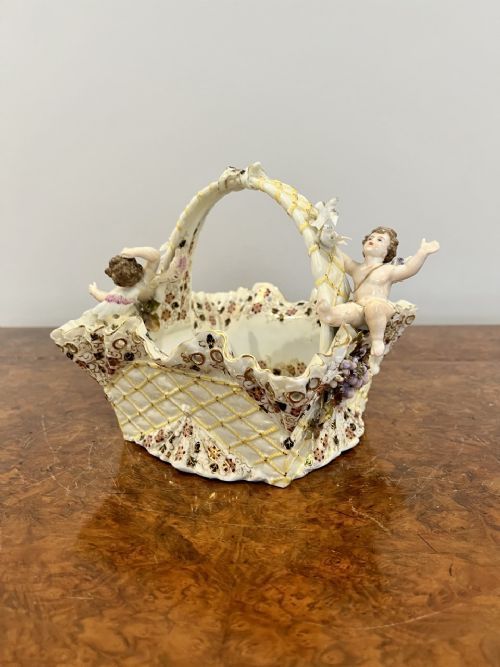
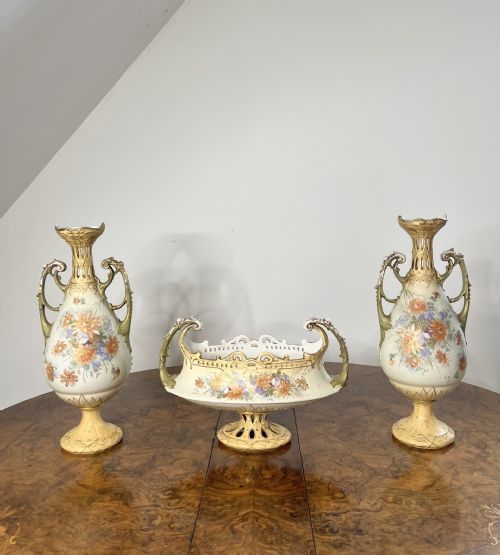
The objects listed on this page encompass a variety of forms designed for display and ornamental use. You will most frequently meet cabinet plates, decorative plates, centrepieces, ewers, baskets, and vases created by prominent English and continental makers.
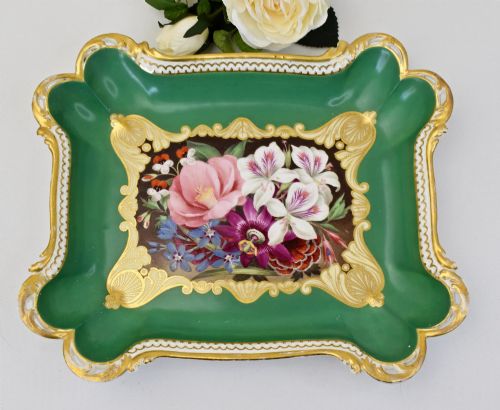
The style of these pieces often incorporates influences from the Aesthetic Movement, Rococo Revival, and Neoclassical designs. Many examples combine pierced ceramic bodies with hand-painted details, gilding, and enamel work to achieve a rich decorative effect.
How victorian reticulated porcelain was made
Makers utilised porcelain and ironstone as the primary ceramic bodies for these pieces, shaping them into complex vessels and plates before firing. The characteristic openwork or reticulation was typically carved or pierced by hand into the soft clay before the initial kiln firing.
Glaze was applied to seal the ceramic body, often followed by detailed hand-painting using enamel colours. Artisans then added gold leaf, gilt, and gilding to accentuate handles, rims, and pierced borders, requiring secondary firings to set the metallic decoration.
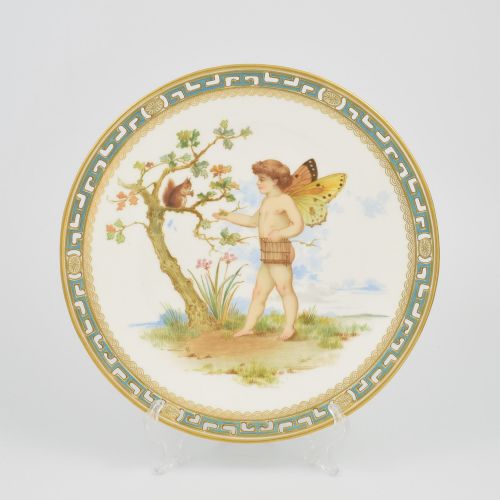
Squirrels and fairy figures peer out from the intricate pierced porcelain branches of nineteenth-century cabinet plates.
What varies in quality
The precision and complexity of the pierced work separate standard items from the finest examples. Delicate, clean-cut lattice patterns and finely carved openings demand exceptional skill from the ceramicist, distinguishing superior pieces from simpler moulded alternatives.
The standard of hand-painted decoration significantly influences the overall merit of an object. Detailed painterly scenes, carefully rendered birds, figures, or florals by known artists demonstrate a higher level of craftsmanship than mass-produced transfer printing.
Coalport·Minton·Royal Vienna·John Ridgway·Meissen·Grainger Worcester·Plaue Schierholz·Royal Worcester·Vion et Baury·Mason's Ironstone
The Victorian Reticulated Porcelain Glossary
- Reticulated
- Pierced or openwork ceramic design resembling a net or lattice. This technique required cutting through the unbaked clay body.
- Gilding
- The application of gold leaf or powdered gold to the surface of porcelain. It highlights rims, handles, and pierced borders.
- Ewer
- A large jug with a wide spout and elaborate handle, often used for decorative display on tables or sideboards during the nineteenth century.
- Cabinet plate
- An ornamental plate intended for display in a cabinet or on a wall rather than for dining purposes. These often feature detailed hand-painted scenes.
- Centrepiece
- A large decorative vessel or figurative group placed in the middle of a dining table or sideboard. They frequently incorporate fruit bowls or flower holders.
- Ironstone
- A heavy, durable type of ceramic developed in the nineteenth century as a robust alternative to porcelain. It takes enamel and gilt decoration effectively.
Victorian Reticulated Porcelain: Frequently Asked Questions
How were these pieces used?
These items served primarily as ornamental objects for display in drawing rooms, cabinets, and dining tables. Centrepieces held fruit or flowers, while cabinet plates were mounted or exhibited on stands.
They demonstrated the owner's refined taste and wealth during the nineteenth century, functioning as decorative focal points rather than utilitarian tableware.
How do I care for antique porcelain?
Handle these pieces with clean, dry hands, supporting both the base and the body when moving them. Avoid exposure to sudden temperature changes and direct sunlight, which can affect the enamel and gilding.
Dust gently with a soft, dry brush and wash only when necessary using tepid water and mild soap, avoiding harsh scrubbing on gilt surfaces.
How can I identify the maker?
Look for painted, impressed, or printed marks on the base of the ceramic body. Factory ciphers, pattern numbers, and artist signatures provide clues to the origin and date of production.
Comparing stylistic elements, such as specific handle shapes or floral motifs, helps attribute unmarked pieces to particular workshops or periods.