


Victorian Purdonium Scuttle
A victorian purdonium scuttle is a domestic fireside fuel container designed to store coal neatly beside the fireplace.
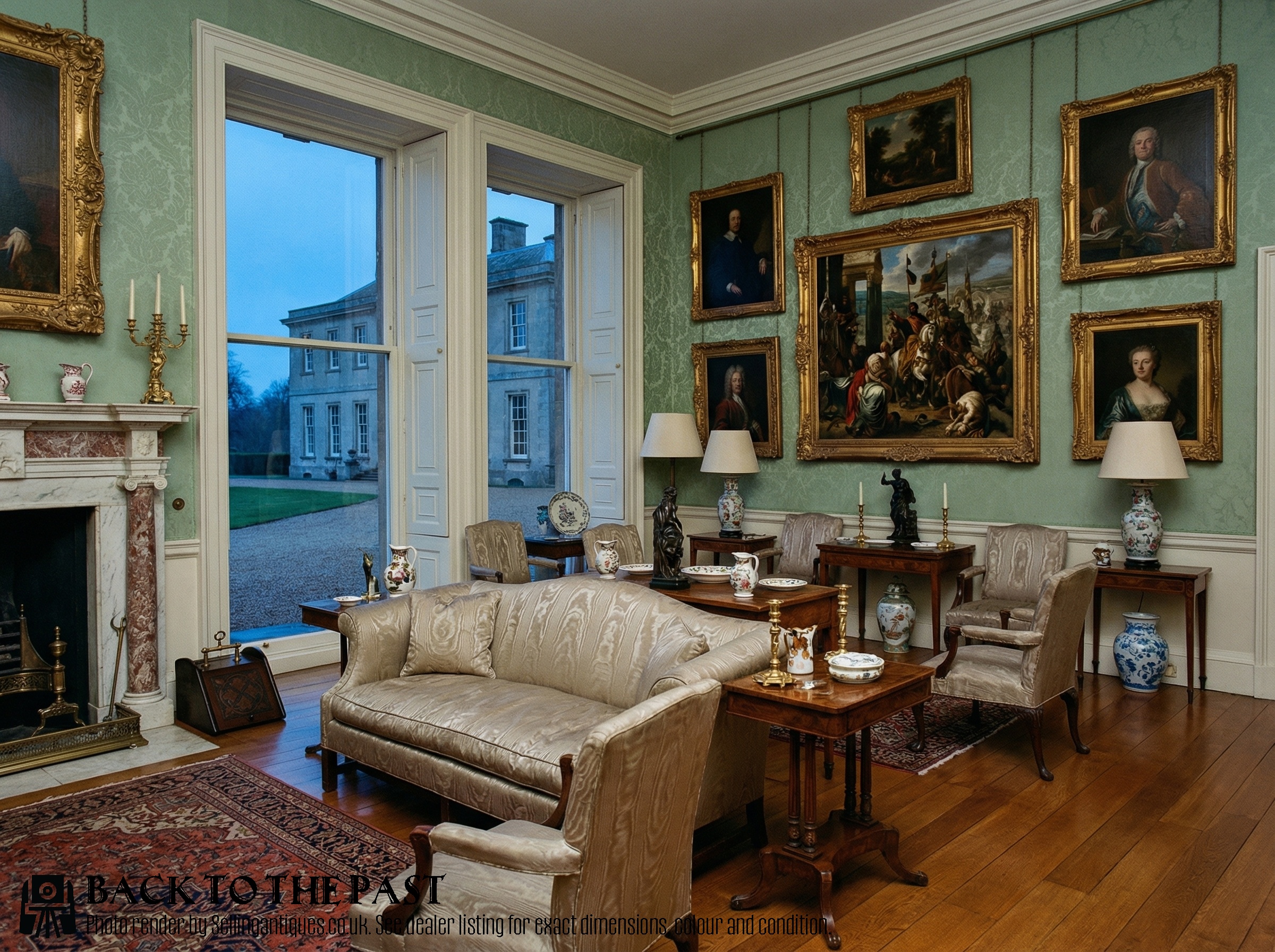
Victorian Purdonium Scuttle
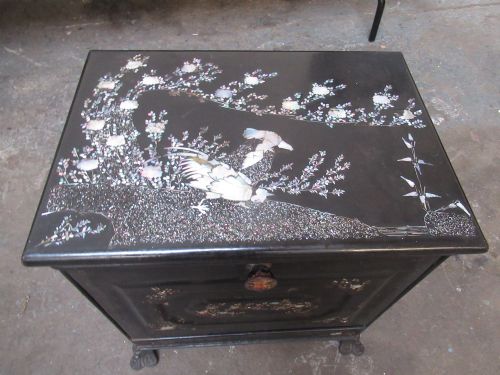
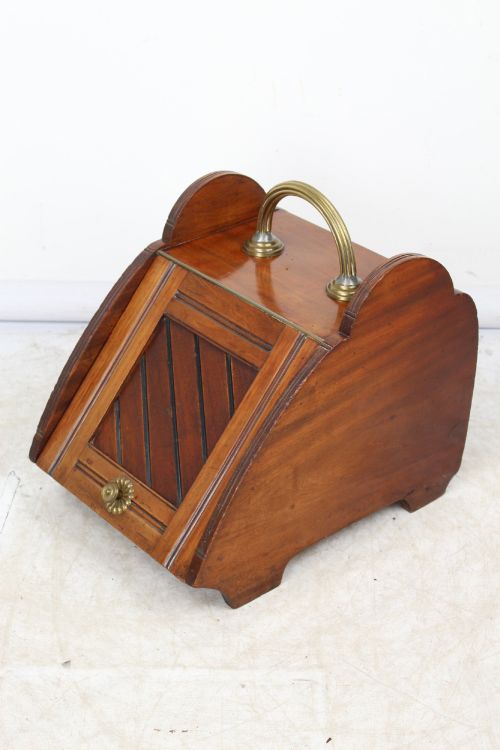
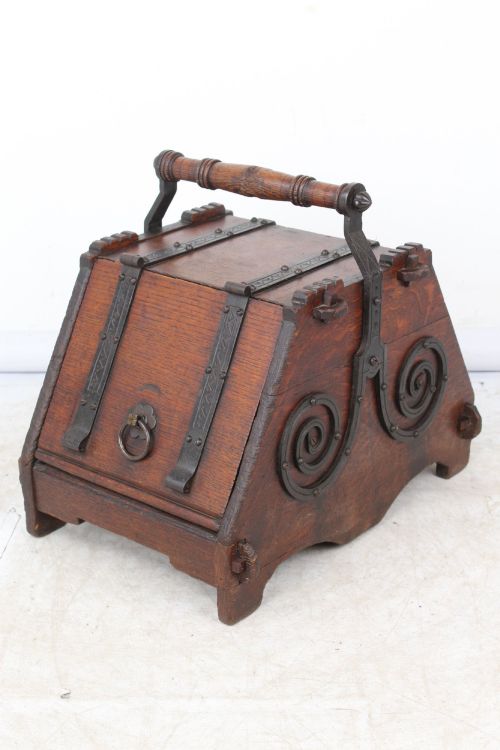
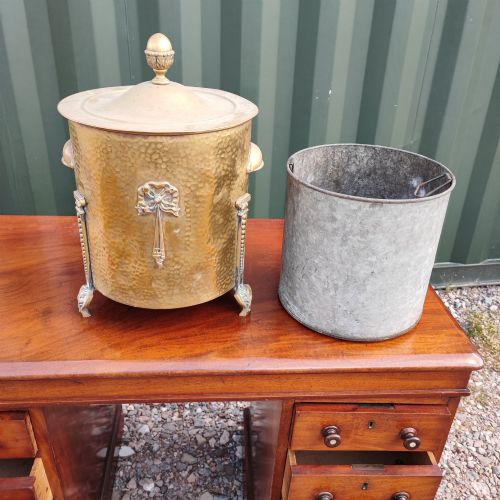
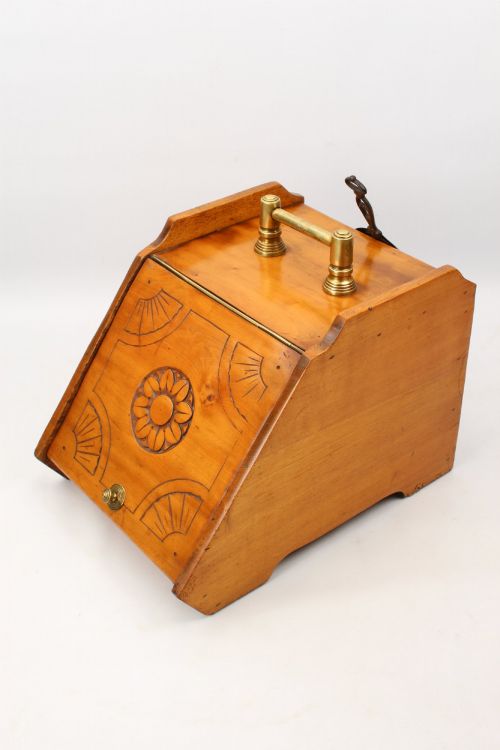
A victorian purdonium scuttle serves as a practical fireside accessory, appearing primarily as wooden cabinets with drop fronts or as lidded metal buckets.
The materials span mahogany, oak, walnut, rosewood, brass, copper, iron, and toleware, reflecting the stylistic shifts of the nineteenth and early twentieth centuries.
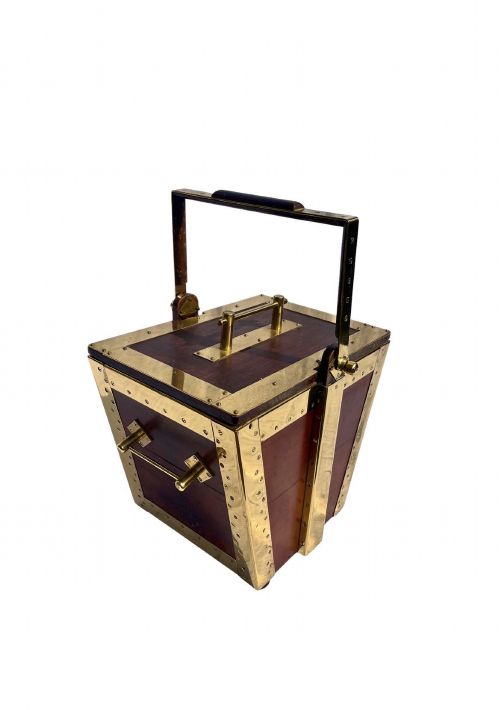
Cabinet purdoniums often include internal metal liners and matched shovels, while bucket forms rely on swing handles for carrying fuel.
How They Were Made
Cabinet forms utilise hardwoods such as oak, walnut, and mahogany, frequently enhanced by surface carvings, brass mounts, and inlaid details.
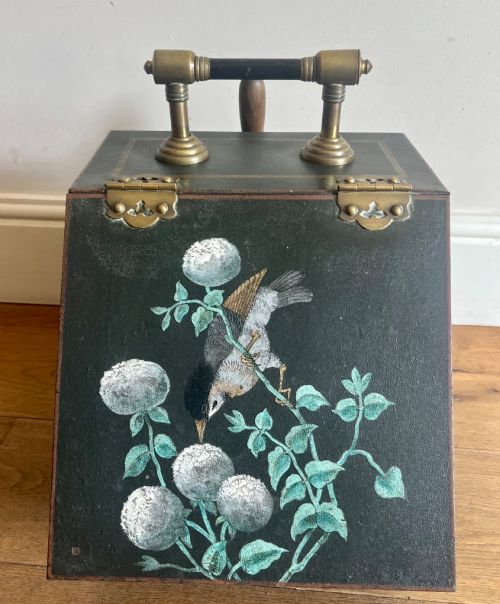
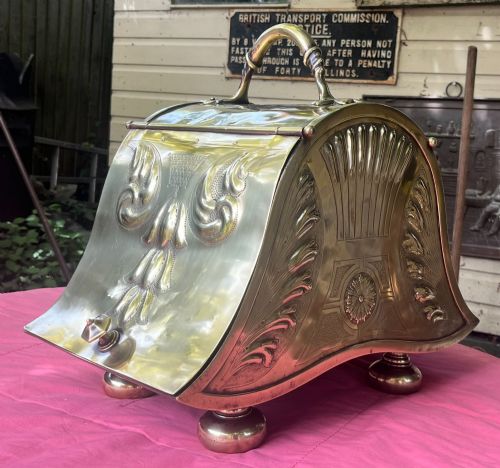
Metal versions employ hammered or spun brass and copper, sometimes paired with iron components and painted finishes like toleware.
Internal construction incorporates removable metal liners to handle coal dust and protect the surrounding timber structure.
Some Victorian coal scuttles take the distinct, spiralling form of a nautilus shell.
What Varies in Quality
Quality depends upon the calibre of timber selection and the precision of decorative carving, brass mounting, and inlay work.
Christopher Dresser·Benham & Froud·William Soutter & Sons
The Victorian Purdonium Scuttle Glossary
- Purdonium
- A designated coal box or cabinet designed to house solid fuel by the fireplace. This form often incorporates a sloping drop-front door.
- Toleware
- Lacquered or enamelled metalware, typically iron, decorated with painted designs. It appears on lighter scuttles.
- Liners
- Removable metal inserts placed inside wooden coal boxes to catch debris and moisture. They protect the timber from wear.
- Gothic Revival
- A design style drawing on medieval architectural motifs. Pieces in this category utilise pointed arches and heavy hardware.
- Aesthetic Movement
- A nineteenth-century design current emphasising visual beauty. Items from this movement display refined decorative details.
Victorian Purdonium Scuttle: Frequently Asked Questions
What is a purdonium?
A purdonium is a specialised coal box developed during the nineteenth century to store domestic fuel near the hearth in an enclosed cabinet.
These pieces typically feature a hinged drop front or sloping lid designed to conceal the coal and contain dust.
How do you use a purdonium?
A purdonium sits beside the fireplace to hold coal or logs for daily burning. The interior metal liner lifts out for cleaning and replenishing fuel.
Many examples include a matching shovel or scoop stored in a dedicated side compartment or rack.
What metals were used?
Fireside containers utilise brass, copper, iron, and painted toleware. Brass and copper appear in polished buckets, bins, and decorative mounts.
Iron provides structural durability for internal fittings and shovel components.
How do you date a scuttle?
Dating relies on stylistic markers and timber types, spanning the Victorian, Edwardian, and Arts and Crafts periods. Carved oak and walnut point toward the mid to late nineteenth century.
Later Edwardian examples often feature lighter construction and simpler brass hardware.