




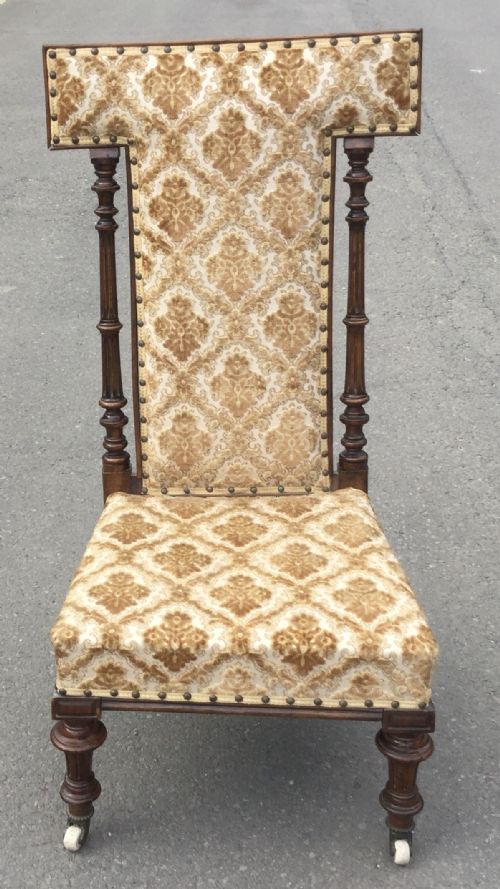


Victorian Prie Dieu
A victorian prie dieu is a low devotional chair built for private prayer, offering a distinct blend of upright posture and rich nineteenth-century timber.
Victorian Prie Dieu
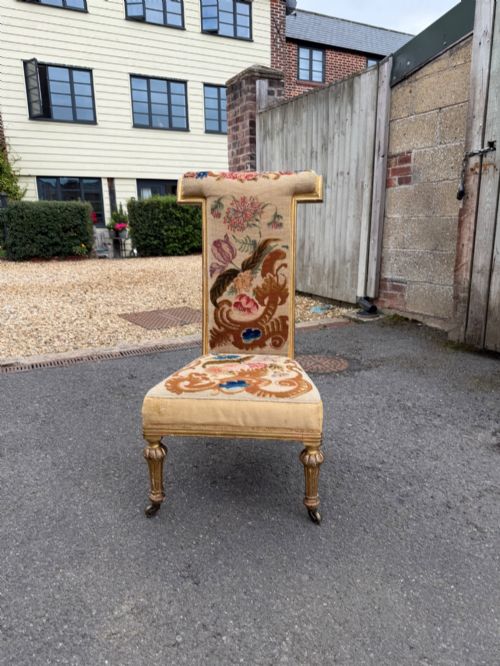
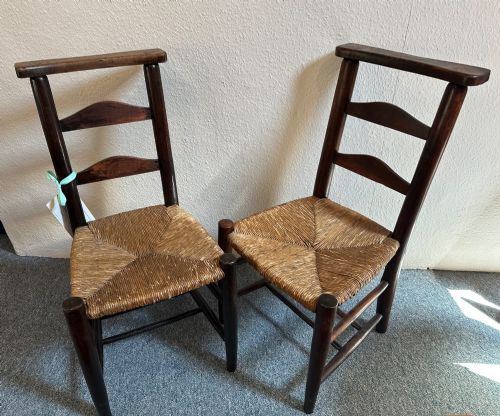
A victorian prie dieu functions primarily as a kneeling and devotional seat designed for domestic or chapel prayer during the nineteenth century. These items typically feature a low upholstered seat and an upper rest rail intended for leaning or supporting books.
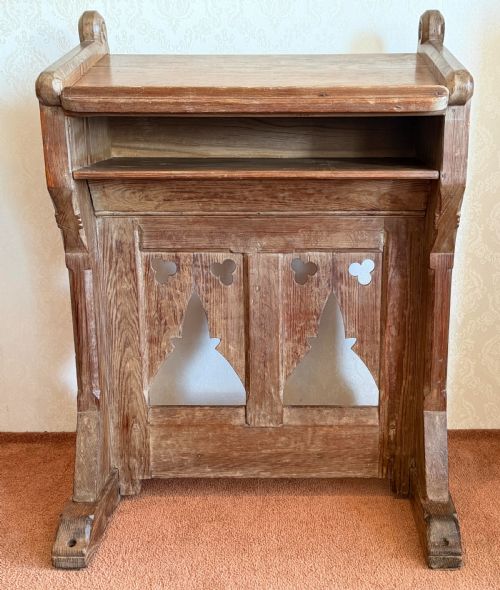
Buyers on this page most frequently encounter rosewood or walnut framed examples alongside robust oak interpretations. The forms range from simple occasional chairs to more elaborate ecclesiastical designs bearing Gothic revival details.
Makers utilised various regional styles, producing everything from slender domestic bedroom pieces to heavy carved church furnishings. The surviving pieces bridge the gap between private devotion and Victorian interior ornamentation.
Materials and construction methods
Cabinetmakers constructed these frames using dense hardwoods like rosewood, walnut, mahogany, and oak, often turning or carving the timbers into barley twist legs and elaborate crests. Ebonised finishes and brass mounts appear on select variations.
Upholstery forms a central component of the construction, utilising textiles such as velvet, original beadwork, needlepoint, and tapestry woolwork secured over padded prayer boards.
Victorian Prie Dieu Retail Price Guide 2026
Typical asking prices for victorian prie dieu among the pieces listed under this phrase on Sellingantiques today, from the lower quarter to the upper quarter. They describe what is for sale here now, not the wider market.
Listings feature woods spanning oak, walnut, mahogany, rosewood, and pine, paired with brass fittings and various fabric textiles.
Distinctions in craftsmanship
Quality rests upon the crispness of the timber carving and the integrity of the underlying frame structure. Superior examples display deeply figured rosewood or walnut timbers joined with precision, whereas simpler pieces rely on plain pine or basic oak.
The survival of original needlepoint, beadwork, or tapestry upholstery elevates an example above those requiring modern replacement fabric. Finely turned supports and intricate fretwork indicate superior workshop output.
R Whytock of Edinburgh·Angerstein
The Victorian Prie Dieu Glossary
- Prie Dieu
- A French term meaning pray God, denoting a specialised prayer desk or low devotional chair. These pieces are characterised by a high back rail and a low seat or kneeling platform.
- Gothic Revival
- An architectural and decorative style popular during the nineteenth century that revived medieval forms. This aesthetic introduces pointed arches, tracery, and heavy carved woodwork to church and domestic furniture.
- Barley Twist
- A type of furniture turning resembling a twisted rope. Cabinetmakers utilised this technique extensively on the legs and upright supports of mid nineteenth century chairs.
- Needlepoint
- A form of counted thread embroidery stitched over canvas. It frequently appears as the original upholstery covering on devotional seats.
- Ebonised
- Wood finished with a dark stain or paint to imitate ebony. This treatment was common on Victorian frames to create a stark contrast with colourful textile upholstery.
Victorian Prie Dieu: Frequently Asked Questions
What is a victorian prie dieu used for?
These pieces served as private devotional furniture for prayer and scripture reading within Victorian homes. The low seat and upper rest rail accommodated a kneeling posture.
Over time, many of these seats transitioned into decorative bedroom or nursing chairs as domestic habits shifted away from daily private prayer.
How do I identify a genuine nineteenth century prayer chair?
Examine the timber framing for period characteristics such as rosewood or walnut construction, hand turned barley twist legs, and traditional joinery. Evidence of early upholstery webbing and hand stitched needlework further supports age.
Compare the proportions against documented examples from the Victorian and Gothic revival periods to confirm authenticity.
Are these chairs comfortable for daily seating?
The low seat height and upright padded back are specifically engineered for kneeling and leaning rather than lounging. They function best as occasional accent pieces in a room.
Sitting in them requires an upright posture due to the compact proportions designed for devotional use.
How should I care for original needlework upholstery?
Protect antique textiles from direct sunlight to prevent fading and degradation of the wool and beadwork threads. Gentle vacuuming through a mesh screen helps remove dust without damaging the delicate fibres.
Avoid harsh cleaning chemicals and consult a specialist textile restorer if the fabric requires deeper maintenance.