




Victorian Pot Lids
These victorian pot lids and related lidded ceramic vessels bring transfer-printed scenes and practical nineteenth-century utility directly to a collection.
Victorian Pot Lids
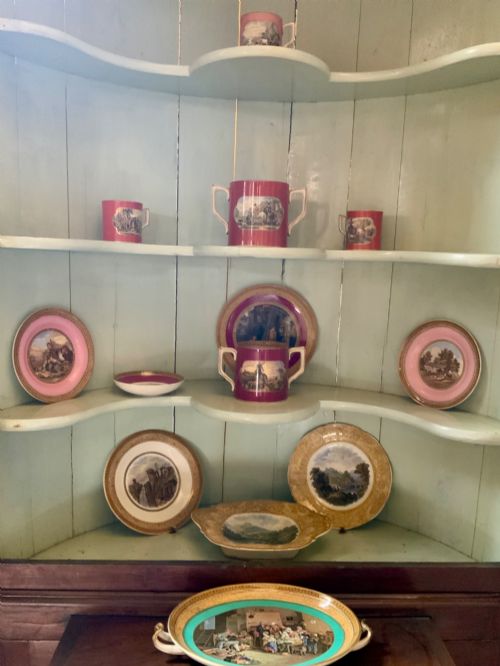
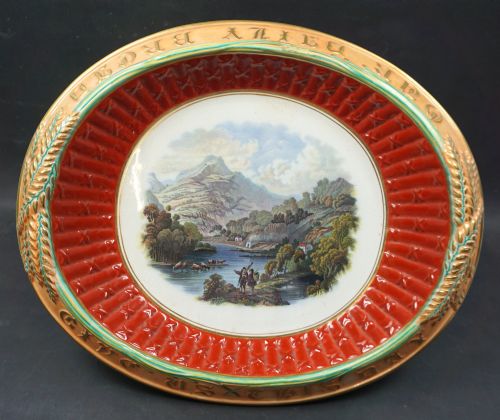
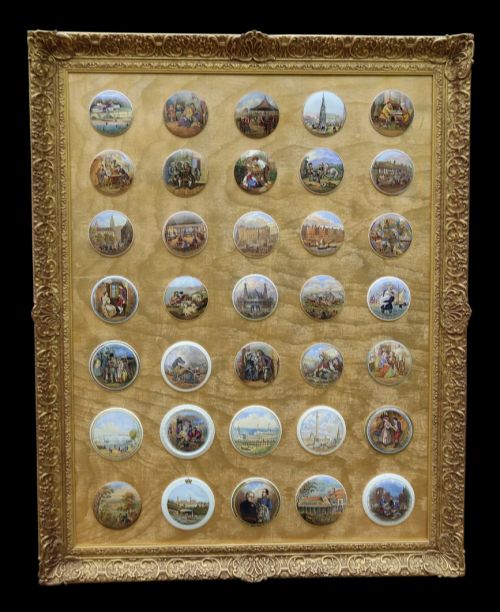
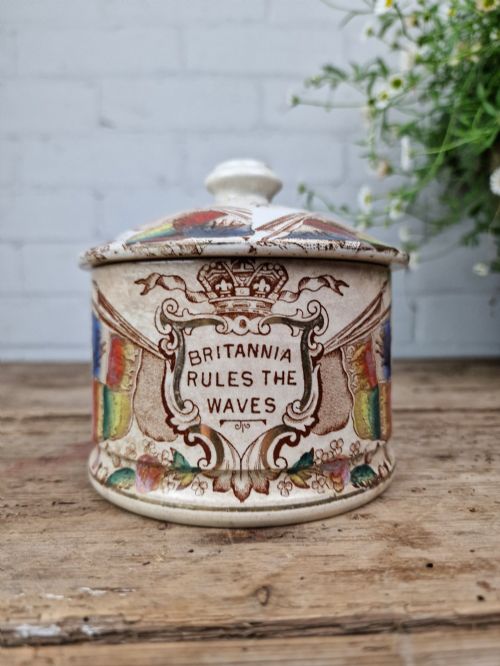
When you search for victorian pot lids, you enter a field dominated by nineteenth-century earthenware and pottery ceramics, notably English Staffordshire Prattware. These items encompass framed collections and individual circular containers originally used for pastes, pomades, and balms. The selection also extends to related lidded pots, ceramic butter dishes, and storage jars from the Victorian era.
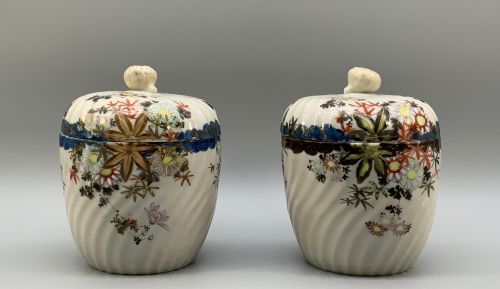
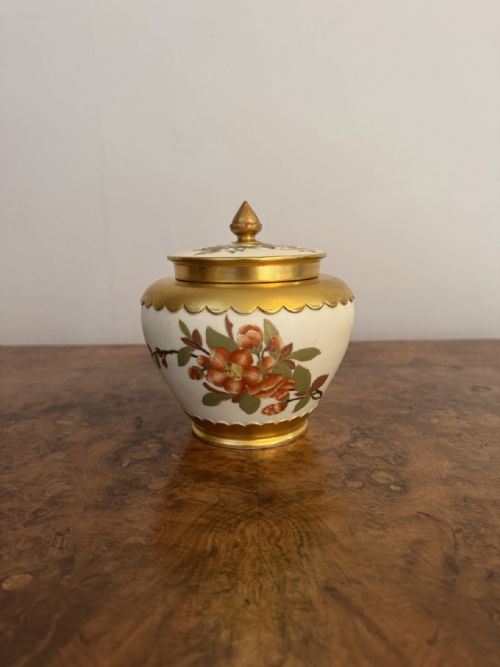
Beyond earthenware, the items appearing under this heading include porcelain lidded jars, stoneware inkwells, and glass dressing table jars mounted in silver. The predominant origin is English, though continental porcelain and Scottish pottery occasionally surface. Buyers meet everything from framed multi-piece Prattware displays to single ceramic tobacco jars and biscuit barrels.
The practical domestic function of these objects defined their manufacture during the nineteenth century. Most started as disposable packaging for commercial goods like tooth paste or cold cream before collectors began preserving the decorative lids. Today, they survive either as individual display plaques or as part of matched container sets.
Materials and technique
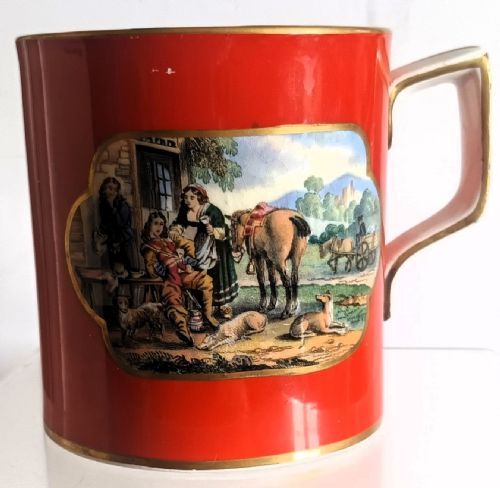
Potters utilised earthenware and porcelain as the primary substrate for these wares, applying transfer-printing techniques to transfer multi-coloured historical, pastoral, or portrait scenes onto the flat or slightly domed surfaces. This process allowed workshops to produce detailed pictorial lids in quantity before a final high-temperature glaze fixed the pigments.
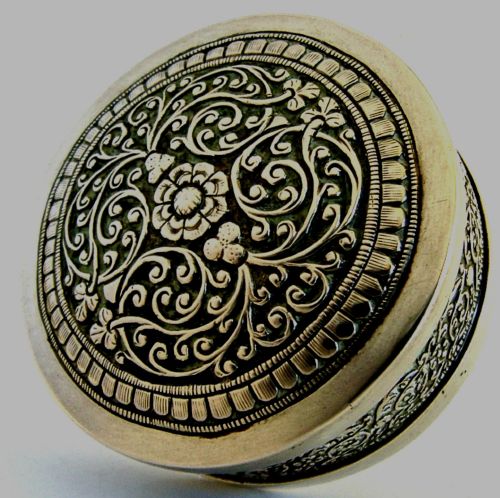
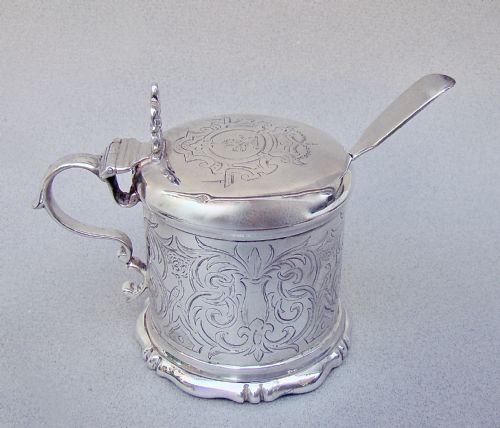
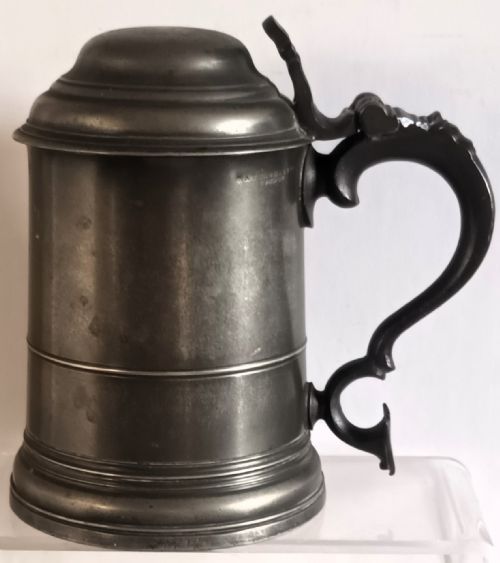
Mounts and companion pieces frequently incorporate sterling silver, silver plate, pewter, brass, and cut glass to complement the ceramic bodies. Makers shaped copper, treen, and stoneware for related utilitarian lidded vessels, combining metal hinges and collars with fired clay and blown glass.
The documented objects span trinket boxes, inkwells, biscuit barrels, mustard pots, and framed Prattware collections.
Separating the range
Quality in these ceramics rests upon the crispness of the transfer-print registration and the stability of the polychrome palette beneath the glaze. Superior examples exhibit sharp facial details in figurative scenes and clean, unblurred colour separation without excessive bleeding at the edges.
The execution of any accompanying metal mounts, such as hallmarked sterling silver rims or hinged brass collars, dictates the tier of the piece. Finer items display hand-engraved detailing on metal elements and carefully fitted lids that seat flush against the earthenware or glass body.
Charles and George Fox·Watts and Harton·Baccarat·Harrods·Royal Worcester·Minton
The Victorian Pot Lids Glossary
- Prattware
- A type of nineteenth-century English earthenware associated with multi-coloured underglaze transfer printing. This technique produced vivid pictorial plaques and container lids depicting genre scenes and historical events.
- Transfer-printing
- A method of applying a printed design from a copper plate onto paper and then onto pottery before glazing and firing. It enabled intricate pictorial decoration on commercial pot lids.
- Earthenware
- A porous pottery body fired at lower temperatures than porcelain and typically covered in an opaque lead or tin glaze. It forms the structural base for the majority of nineteenth-century decorative lids.
- Trinket Box
- A small lidded container used on dressing tables for jewellery or small accessories. These frequently combine glass or porcelain bodies with silver or brass mounts.
- Polychrome
- The use of multiple distinct colours in the decoration of a ceramic surface. In pot lids, this involved painting or printing several pigment layers beneath the final protective glaze.
Victorian Pot Lids: Frequently Asked Questions
What were victorian pot lids used for?
These lids originally served as commercial packaging for items like bear's grease, cold creams, tooth pastes, and pomades sold by nineteenth-century chemists and perfumers. Once the contents were finished, consumers often discarded the base and kept the decorative ceramic lid.
Over time, collectors began gathering and framing these colourful lids as independent works of art rather than preserving them as functional containers. Today they survive primarily as decorative wall plaques or cabinet display pieces.
How do I date a transfer-printed pot lid?
Dating relies heavily on the subject matter, registration marks, and the specific printing techniques employed by the pottery. The mid-to-late nineteenth century saw the peak of this manufacturing style, particularly during the Victorian and Edwardian periods.
Examining the reverse of the ceramic piece and the style of any border ornamentation helps narrow down the decade of production. Comparative study with documented archival pieces remains the standard method for precise attribution.
Are these lids made of porcelain or earthenware?
The majority of traditional pot lids are constructed from fine earthenware rather than porcelain, utilising a porous clay body finished with a glossy glaze. This material accepted the multi-coloured transfer prints effectively during high-temperature kiln firings.
Some related dressing table jars and trinket boxes utilise porcelain, glass, or stoneware instead of standard earthenware. Each material alters the weight, opacity, and surface texture of the finished piece.
How should I display my collection at home?
Many collectors mount individual ceramic lids in shallow wooden frames specifically designed to showcase the pictorial face without damaging the edges. This method allows you to hang them securely on walls much like small paintings.
Alternatively, you can place unmounted pieces on small display stands inside glass cabinets to protect the glazed surfaces from dust and accidental impact. Proper lighting helps highlight the fine details of the multi-coloured transfer prints.