



Victorian Decorative Wall Display
These pieces for Victorian decorative wall display bring nineteenth-century colour and texture into rooms through plates, chargers, and shelves.
Victorian Decorative Wall Display
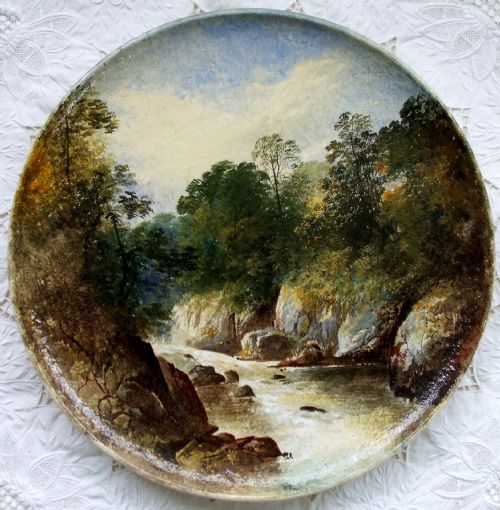
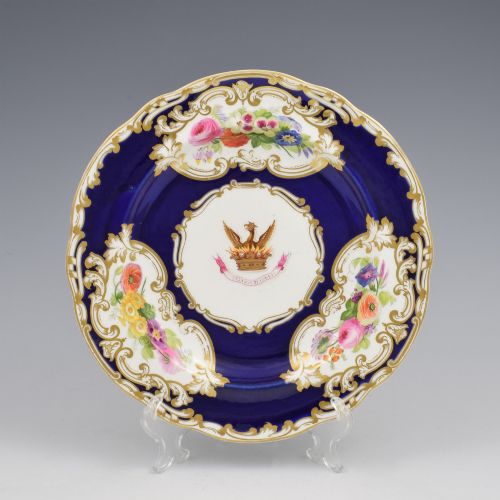
A victorian decorative wall display typically comprises ceramic plates, chargers, plaques, and wooden wall shelves or brackets designed to hang or mount securely. The selection on this page centres heavily on cabinet plates and large chargers made by English potteries and continental factories.
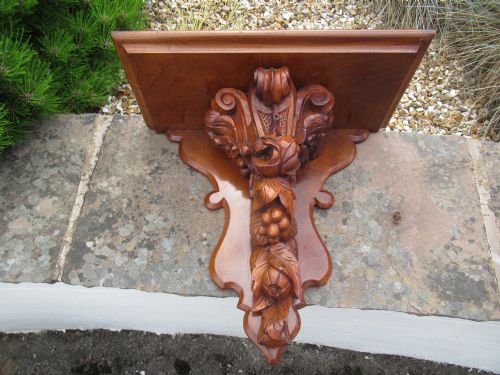
Makers such as Minton, Coalport, and Copeland dominate the ceramic forms, alongside imported Japanese Imari ware and French porcelain. Wooden display options range from walnut and mahogany brackets to inlaid or fretwork shelves intended to hold cabinet porcelain.
The objects span the nineteenth century, with notable concentrations around the eighteen-eighties and eighteen-nineties. Alongside ceramics and woodwork, the listings include repoussé metal chargers, silver-plated dishes, and framed pot lids.
Materials and Technique
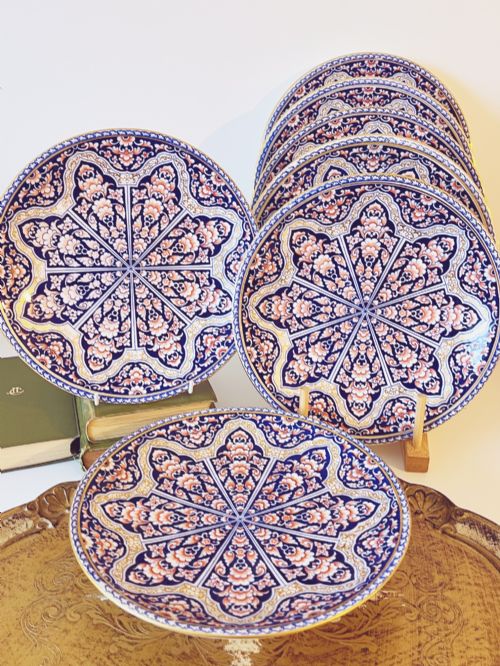
Pottery and porcelain pieces utilise bone china, earthenware, and ironstone decorated with hand-painted enamels, gilding, and specialised techniques like pâte-sur-pâte. Cobalt blue and Imari coloured decoration appear frequently across chargers and cabinet plates.
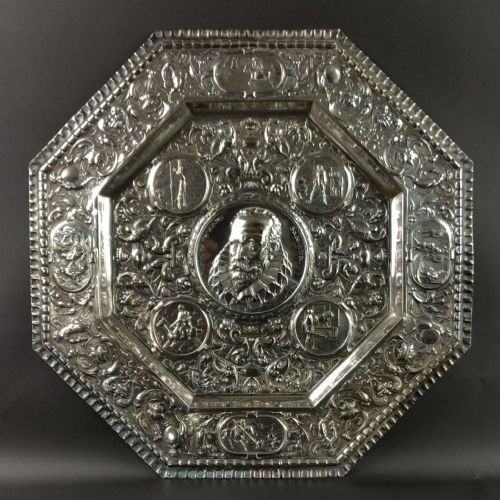
Metal items incorporate bronze, silver plating, and repoussé work, where designs are hammered into relief from the reverse. Wooden shelves and brackets involve carved walnut, mahogany, and oak, frequently featuring inlaid details or gilt mirror plates.
One exceptional wall display includes a preserved tench by taxidermists J. Cooper and Sons.
Markers of Distinction
Quality rests upon the skill of the hand-painted decoration and the crispness of the moulding or carving. Signed ceramic plaques and plates decorated by named artists command greater attention than standard factory output.
The depth and complexity of the relief work distinguish finer metal repoussé chargers from simpler stamped dishes. In woodwork, the intricacy of fretwork and the preservation of original gilt surfaces elevate display shelves.
Royal Crown Derby·Copeland Pottery·Coalport Porcelain·John Ridgway·Royal Vienna·Meissen·J Cooper And Sons·Mintons·Masons Ironstone·Royal Worcester
The Victorian Decorative Wall Display Glossary
- Cabinet plate
- A decorative plate intended for display rather than dining. These pieces often feature elaborate hand-painted scenes or rich gilding.
- Charger
- A large ornamental dish used historically on sideboards or hung upon walls. They appear here in ceramic, metal, and silver plating.
- Pâte-sur-pâte
- A ceramic decoration technique where liquid clay is built up in successive layers to create a cameo-like relief effect. Minton artists utilised this method extensively.
- Repoussé
- A metalworking technique where the artist hammers the design from the reverse side to form a raised relief on the front. This method appears on large nineteenth-century metal chargers.
- Imari
- A style of ceramic decoration characterised by deep cobalt blue, iron red, and gold. Both Japanese originals and Victorian English interpretations appear in these listings.
Victorian Decorative Wall Display: Frequently Asked Questions
How were wall brackets used?
Victorian wall brackets and shelves were mounted in reception rooms to hold cabinet plates, small clocks, or ornaments. They elevated decorative objects to eye level and added architectural interest to plain walls.
Today, these shelves serve the same function, providing a secure wooden or gilt platform for displaying ceramic chargers and porcelain plates.
What is an Imari charger?
An Imari charger is a large decorative plate featuring a distinct palette of rich cobalt blue, iron red, and gold. The style originates from Japanese export ware but was heavily copied by Victorian potteries.
These large plates were manufactured specifically to be hung on walls or stood on sideboards for maximum visual impact.
How do I hang a heavy plate?
Heavy ceramic chargers and cabinet plates require robust, adjustable wire spring hangers or specialised plate display framing that distributes the weight evenly across the rim. Metal and bronze plates often include integrated hanging loops on the reverse.
Ensure that any wall fixture is anchored securely into wall studs or uses appropriate masonry plugs.
What is a pot lid collection?
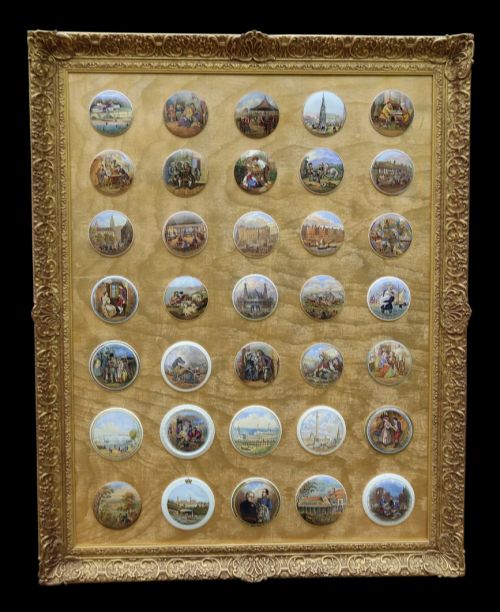
Pot lid collections consist of transfer-printed ceramic lids originally used for packaging cold cream, tooth paste, or balms during the nineteenth century. Victorian collectors mounted these pictorial lids in wooden frames for wall display.
Pratt ware lids are especially common in this format, featuring historical scenes, royal portraits, and landscape views.