


Polychrome Ceramic Pot Lids
Polychrome ceramic pot lids are colourful miniature canvases capturing nineteenth-century scenes, and collectors prize them for their vibrant transfer-printed detail.
Polychrome Ceramic Pot Lids
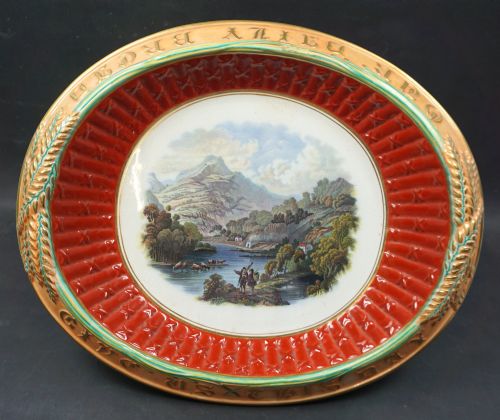
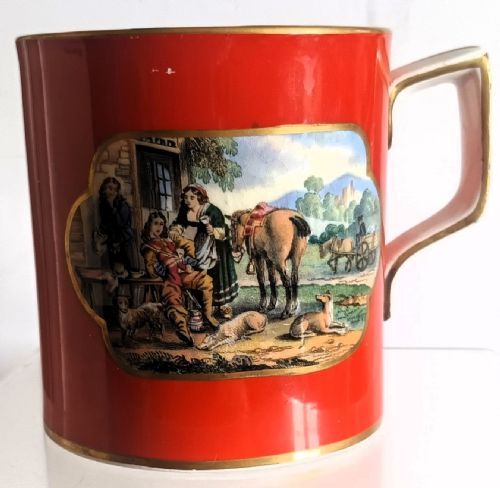
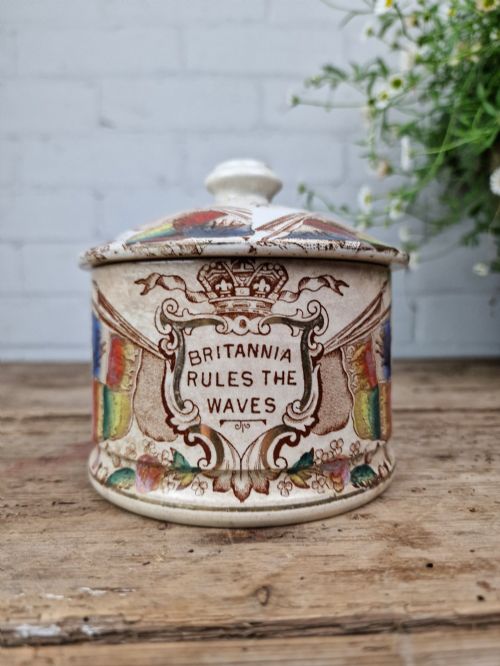
When searching for polychrome ceramic pot lids, collectors seek out small, highly decorated covers originally manufactured to seal pomade, cold cream, and food pastes. These colourful items capture nineteenth-century subjects ranging from pastoral landscapes to literary scenes.
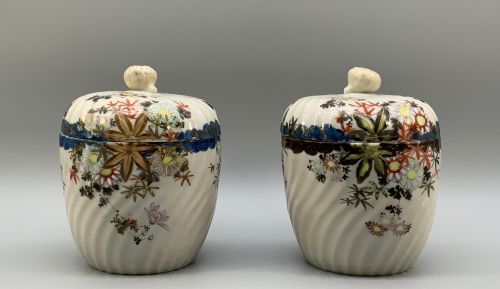
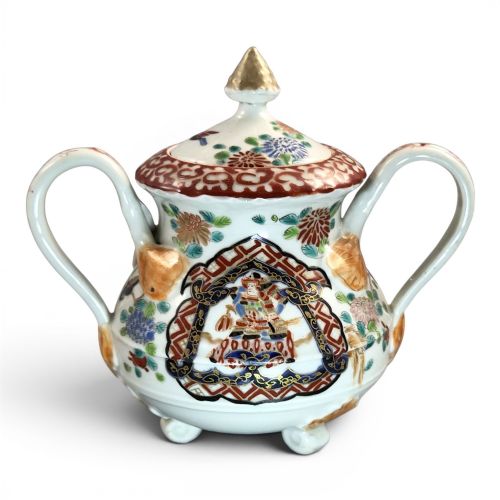
The versions most frequently encountered on this page stem from the Victorian era, particularly English Pratt-ware productions featuring multi-coloured transfer printing. Alongside these, international examples such as Japanese Satsuma jars and Imari sugar bowls expand the aesthetic range.
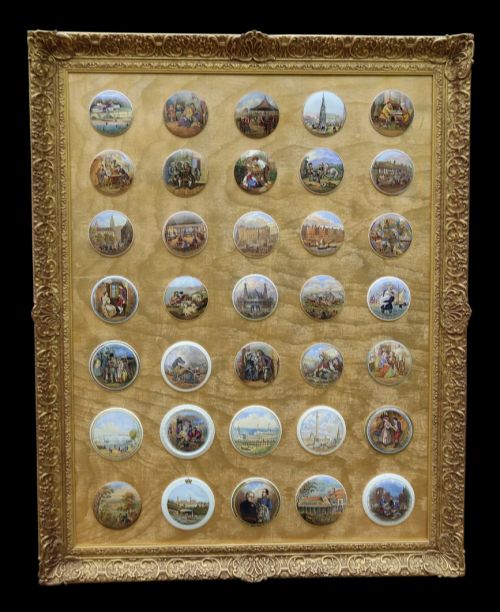
Many of these surviving lids now appear mounted in dedicated frames or paired with their original earthenware and porcelain bases. Their enduring appeal lies in how they condense popular art of the period into a remarkably durable format.
How they were made
The manufacture of these colourful covers relied on complex underglaze or overglaze printing techniques using multiple ceramic colours, where a separate impression was required for each pigment. Skilled artisans then fired the earthenware or porcelain bodies at high temperatures to vitrify the glazes and secure the rich hues.
Some refined examples incorporate additional decorative elements such as hand-painting, enamel highlights, and delicate gilding or gold leaf applied over the glazed surface. This meticulous layering ensured the brilliant colours remained protected against daily wear.
Listings here span the nineteenth century to the mid-twentieth century, uniting English Pratt-ware with Japanese porcelain and Italian maiolica.
What varies in quality
The primary distinction across these colourful pieces lies in the crispness of the transfer printing and the registration of the individual colour plates. Finer specimens display precise alignment without blurring, rendering faces and foliage with exceptional clarity.
The palette itself dictates visual success, with superior examples exhibiting a wide, balanced range of enamel tones rather than dull or muddy hues. Additionally, the complexity of the subject matter and the prestige of the originating pottery elevate certain items above standard utilitarian wares.
Royal Worcester·Fukagawa
The Polychrome Ceramic Pot Lids Glossary
- Pratt-ware
- A type of English pottery famous for multicoloured transfer-printed lids and plaques. This ware was produced in large quantities during the Victorian period.
- Transfer printing
- A decoration technique where an engraved copper plate transfers a design onto paper and then onto the ceramic body. This method allowed intricate multicoloured scenes to be mass-produced.
- Overglaze
- Enamel decoration applied on top of the fired glaze and subjected to a secondary, lower-temperature firing. This technique preserves bright colours that might otherwise burn off at higher temperatures.
- Earthenware
- Porous pottery fired at lower temperatures, commonly used for utilitarian vessels and lids before being glazed. It forms the robust base for much of the nineteenth-century coloured ware.
- Gilding
- The application of gold leaf or powdered gold onto the ceramic surface to enrich the design. It is frequently seen highlighting rims, borders, and significant decorative motifs.
Polychrome Ceramic Pot Lids: Frequently Asked Questions
What were pot lids originally used for?
These colourful ceramic lids served as protective closures for small pots containing cold creams, tooth pastes, bear's grease, and food preserves like fish pastes. Manufacturers used attractive printed scenes to market their everyday household goods directly to Victorian consumers.
Once the contents were finished, the durable lids often outlived their original packaging and were retained as decorative items or collected in framed sets.
How should I display framed pot lids?
Framed collections look best hung at eye level against a neutral wall where their detailed multi-coloured scenes can be easily examined up close. Ensure they are placed away from direct sunlight to protect the enamel colours and any underlying paper components from fading.
If you own unframed lids with their matching jars, display them on shallow shelves or inside glass-fronted cabinets to prevent accidental knocks.
How can I tell a Victorian pot lid from later pieces?
Victorian examples typically display specific transfer-printed subjects, historical figures, or pastoral scenes associated with nineteenth-century Staffordshire potters. The ceramic body underneath is usually heavy earthenware or refined ironstone characteristic of the period.
Later twentieth-century decorative pieces, such as mid-century porcelain items, often feature different maker marks, smoother modern glazes, and distinct painting styles.
Are these colourful lids waterproof?
While the glazed ceramic surface is entirely non-porous and resists moisture, many antique lids were not designed for modern culinary use. Older earthenware bodies can be vulnerable to thermal shock or staining if submerged repeatedly in hot water.
Gentle cleaning with a soft, damp cloth is generally sufficient to maintain their appearance without risking the historical glaze.