


Framed Ceramics
Framed antique ceramics bring together kiln-fired glazes and decorative mouldings, offering interior displays that span Victorian portraits to Edwardian relief plaques.
Framed Ceramics
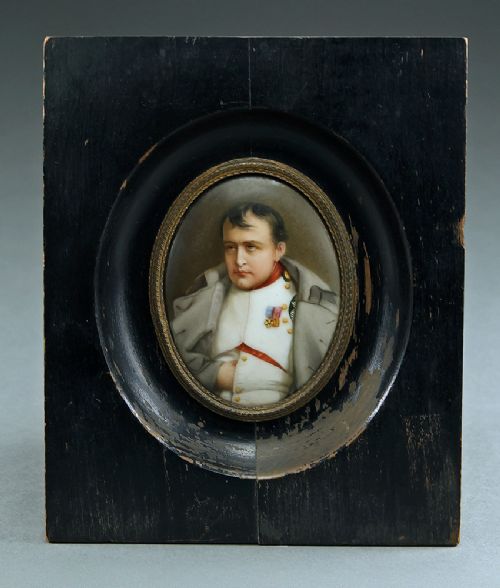
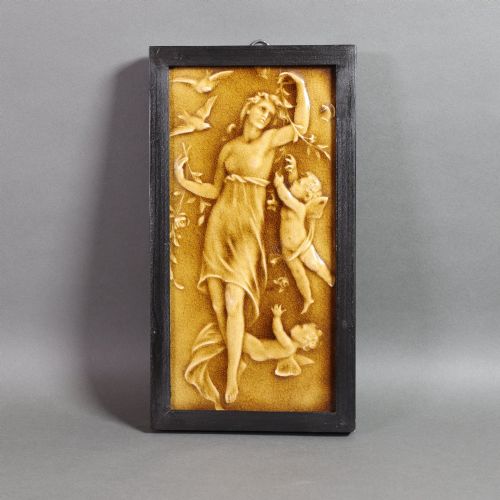
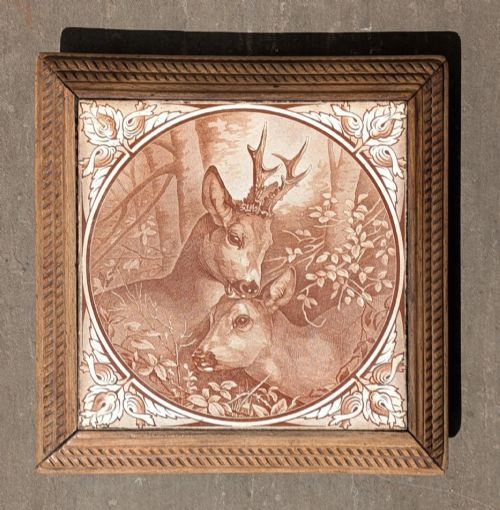
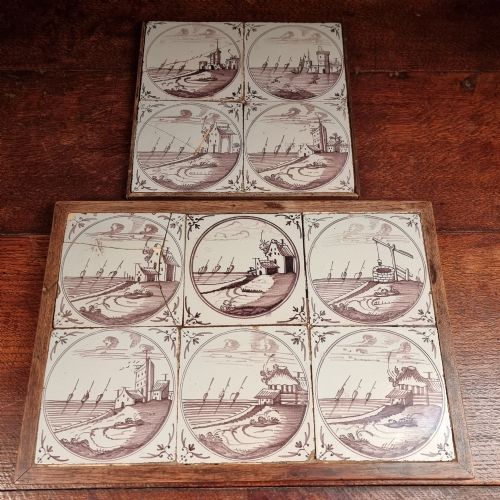
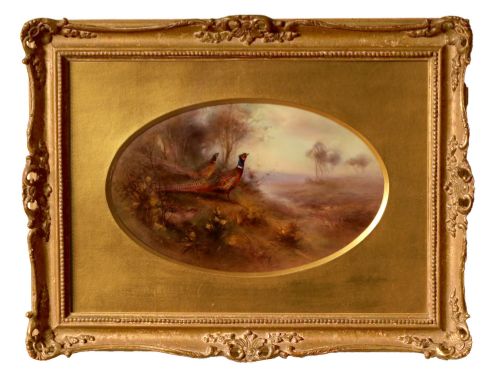
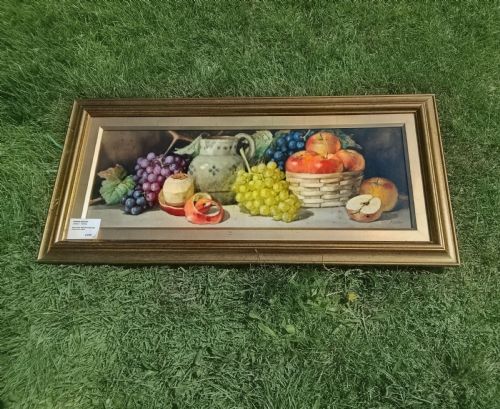
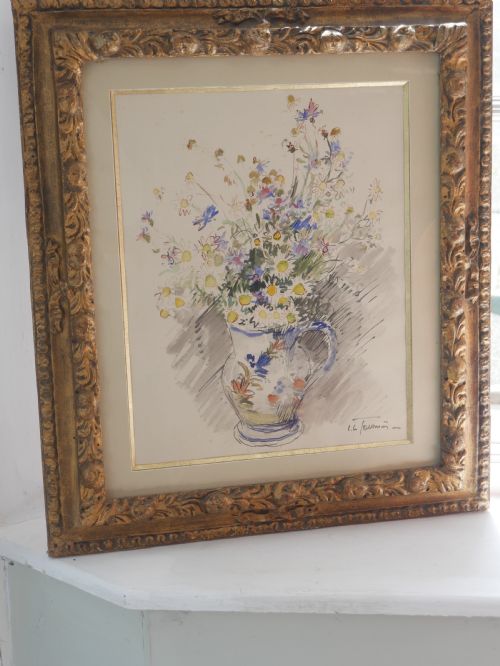
When you search for framed antique ceramics, you encounter wall plaques, tiles, and porcelain panels secured within wood, glass, or giltwood surrounds. These objects function primarily as wall art, capturing miniature paintings and relief sculptures fired directly onto clay or porcelain bodies.
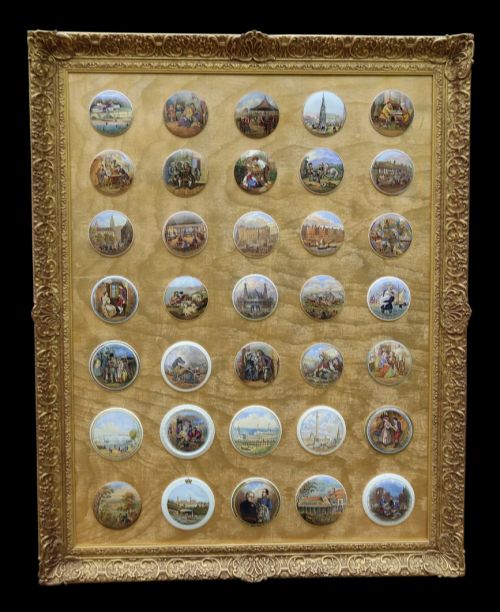
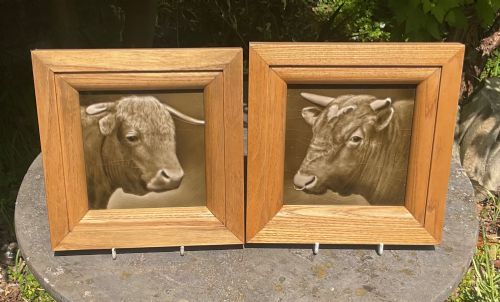
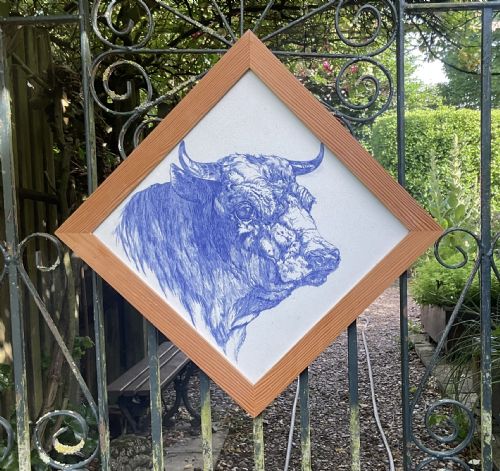
The selections on this page draw from nineteenth-century and early twentieth-century periods, including Victorian, Edwardian, and Art Nouveau styles. Common formats range from individual painted tiles to large KPM plaques and framed collections of pot lids.
Materials and construction methods
Makers utilised ceramic, earthenware, and fine porcelain as the primary surfaces for hand-painted or relief-moulded compositions, frequently incorporating enamels to achieve lasting colour depth. These porcelain and pottery panels were then set into bespoke wood and giltwood frames, sometimes backed by paper or supported with glass.
The decorative surfaces combine traditional kiln-firing techniques with detailed hand-painting, particularly seen in works originating from European factories and domestic potteries. Metal elements such as copper cabochons and brass occasionally complement the framing and mounting of the ceramic centrepieces.
Listings feature items from the nineteenth century through to the nineteen-fifties, employing materials such as porcelain, earthenware, giltwood, and copper.
Factors determining quality
The standard of a piece rests upon the crispness of the porcelain moulding and the skill evident in the hand-painted brushwork. Superior examples display fine control of enamel pigments and delicate detailing, particularly in portraiture and figurative scenes.
The joinery and material of the surrounding frame also influence the overall standard, as original giltwood or carved wooden mounts complement the ceramic insert. Pieces bearing identifiable artist signatures or factory marks from established potteries demonstrate higher workshop execution.
James Stinton·Royal Worcester·Sherwin and Cotton·Mintons·Dresden·KPM·Longwy·Rudolstadt Volstedt
The Framed Ceramics Glossary
- Porcelain
- A hard, white ceramic material vitrified at high temperatures. It provides a smooth, non-porous ground ideal for detailed miniature painting.
- Plaque
- A flat ornamental tablet made of ceramic or porcelain. These items are typically mounted for wall display.
- Giltwood
- Wood carved and coated with gold leaf or a gold-coloured finish. This material is frequently utilised for ornate antique frames.
- Earthenware
- Porous pottery fired at lower temperatures than porcelain. It requires a glaze to become impermeable to liquids.
- Jasperware
- A fine-grained, unglazed stoneware developed in the eighteenth century. It is known for its contrasting moulded neo-classical reliefs.
Framed Ceramics: Frequently Asked Questions
How do I hang framed ceramic art safely?
Ensure the wall fixings match the weight of the piece, as ceramic panels and heavy wooden frames require robust support. Utilise picture wire or brackets rated securely above the total weight of the object.
Keep the display away from areas subject to excessive vibration or moisture changes to protect both the ceramic glaze and the antique frame.
How are antique porcelain plaques cleaned?
Dust the surface gently with a soft, dry brush or a microfiber cloth to remove particles without disturbing the glaze. Avoid liquid cleaners or harsh chemicals, which can damage painted enamel details.
If the glass covering needs attention, apply cleaner to a cloth rather than spraying directly towards the frame or ceramic.
What periods do these pieces date from?
The items span the nineteenth and early twentieth centuries, encompassing Victorian, Edwardian, Arts and Crafts, and Art Nouveau design movements. Dates range from early pieces up to the mid-twentieth century.
Stylistic cues such as moulding techniques and frame construction help distinguish between earlier Victorian items and later twentieth-century works.
Are these ceramic plaques original?
Most pieces retain their period framing and mounting materials, reflecting standard practices of their respective manufacturing eras. Factory marks, signatures, and material ageing offer indicators of period authenticity.
Reviewing the specific details provided for each listing clarifies the relationship between the ceramic plaque and its frame.