



Victorian Post Box
These robust victorian post box examples bring domestic correspondence from country houses and hotels into modern studies.
Victorian Post Box
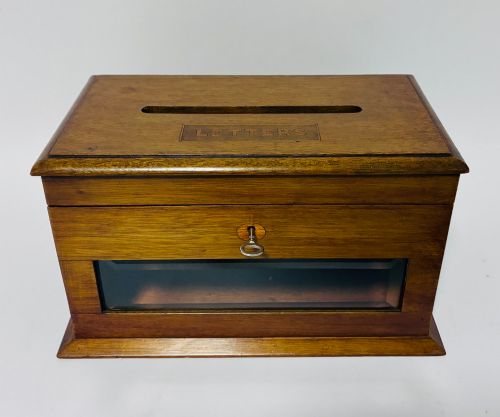
A victorian post box is a desktop or wall-mounted container designed to hold mail in large houses and hotels. The most common form on this page is the country house letter box, built to manage daily correspondence before collection.
Makers shaped these items as substantial oak or mahogany boxes, often brass-mounted and fitted with glazed panels or internal compartments. They range from simple pine trunks and desktop accessories to architectural stationery cabinets.
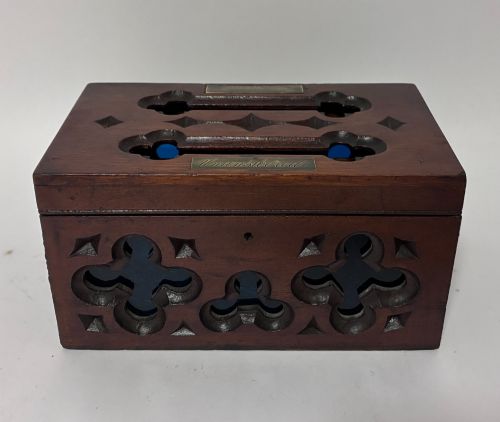
The materials and styles reflect the period of use, spanning Gothic Revival designs, Arts and Crafts oak pieces, and sturdy mahogany models meant for heavy hotel or domestic administration.
Materials and construction
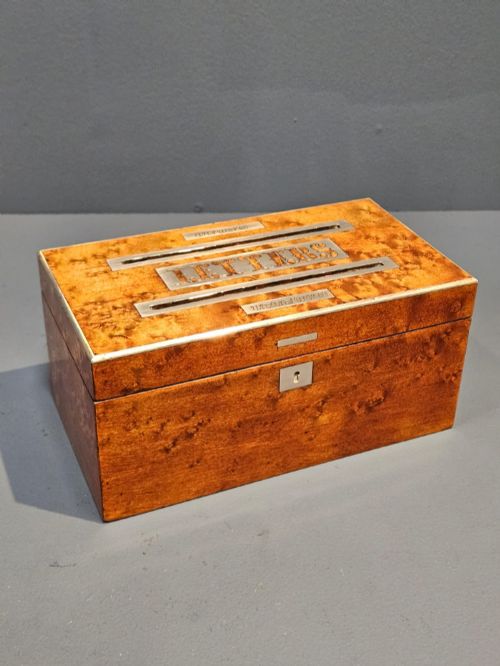
Cabinet makers built these boxes primarily in hardwoods like oak and mahogany, alongside pine and satinwood veneers. Brass mounts, hinges, and slot plates reinforce the corners and openings of these functional containers.
Glass panels occasionally feature in the doors to display contents, while interior divisions organise letters and stationery. Carved details and applied mouldings define the Gothic Revival and Arts and Crafts examples.
Victorian Post Box Retail Price Guide 2026
Typical asking prices for victorian post box among the pieces listed under this phrase on Sellingantiques today, from the lower quarter to the upper quarter. They describe what is for sale here now, not the wider market.
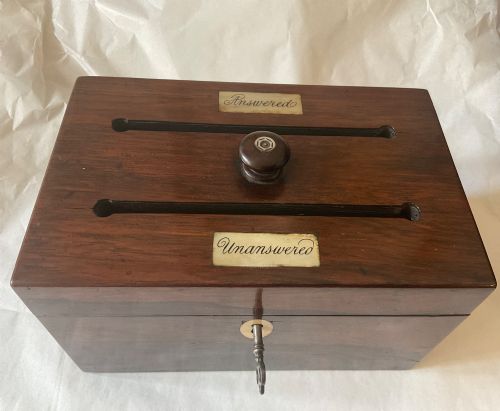
Some boxes include slots for answered and unanswered mail, keeping domestic order among the clutter.
What separates the best pieces
Quality rests in the selection of timber and the precision of the brass hardware. Thick oak boards and well-fitted lock mechanisms elevate a country house box above standard utility items.
The crispness of carved woodwork and the integration of internal compartments dictate the refinement of the piece. Superior examples retain their original brass mounts and fitted interiors without modern replacement parts.
Deakin and Francis
The Victorian Post Box Glossary
- Correspondence box
- A desk accessory intended for holding letters, envelopes, and writing paper. These containers often feature internal dividers and hinged lids.
- Gothic Revival
- A design style drawing on medieval architectural motifs. Pieces in this manner display pointed arches, heavy mouldings, and structural strapwork.
- Arts and Crafts
- A movement prioritising traditional craftsmanship and simple construction. Furniture and boxes from this style show plain oak surfaces and honest joinery.
- Brass mount
- Metal hardware attached to corners and edges for reinforcement and decoration. These fittings protect the wood from daily knocks in busy halls.
Victorian Post Box: Frequently Asked Questions
How were these boxes used?
Household staff or guests placed daily letters inside these containers to await postal collection. They kept correspondence secure and organised in busy country house halls.
Larger models served hotels and institutions, functioning as central deposit points for telegrams and mail before the postal worker arrived.
Where should I place a letter box?
These boxes sit comfortably on hallways tables, desks, or mounted securely to study walls. They function well for holding modern mail, keys, or stationery supplies.
Keep them away from direct sunlight and strong heat sources to protect the polished timber and brass mounts from drying out.
How do I identify the wood types?
Oak appears frequently with a distinct grain pattern, particularly in Arts and Crafts and Gothic Revival pieces. Mahogany offers a darker, smoother reddish-brown surface found in country house and hotel boxes.
Pine and satinwood appear less often, utilised for utility trunks or lighter decorative stationery boxes.
What styles are represented?
The selection includes plain utilitarian pine, robust oak country house boxes, and decorative carved examples. Gothic Revival and Arts and Crafts aesthetics dominate the architectural details.
Some pieces incorporate brass-mounted glass panels or take the form of small stationery cabinets rather than simple letter slots.