



Vintage Post Box
A vintage post box brings domestic history straight to your hallway, offering robust cast iron or rich timber built for daily postal sorting.
Vintage Post Box
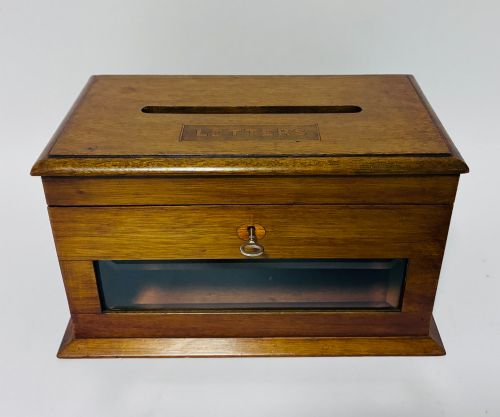
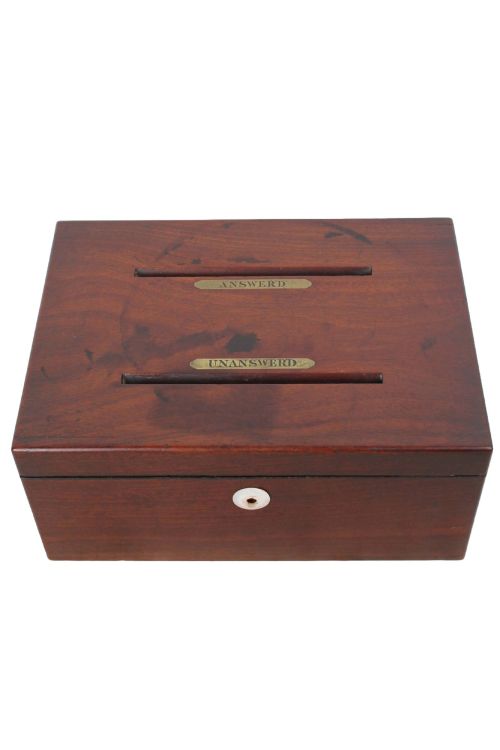
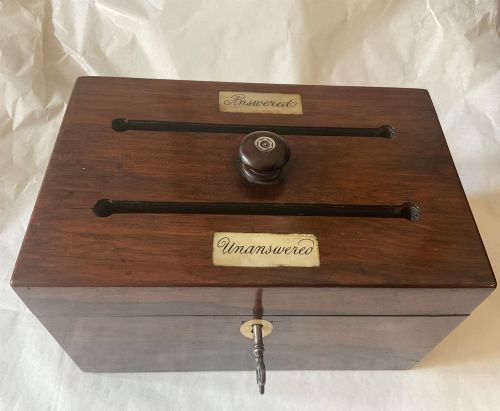
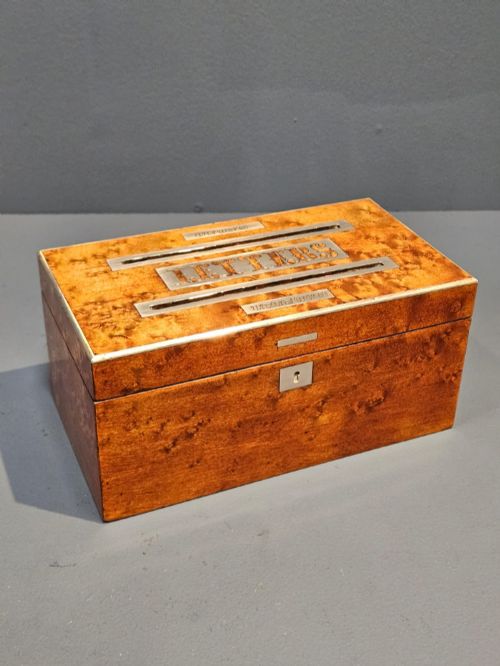
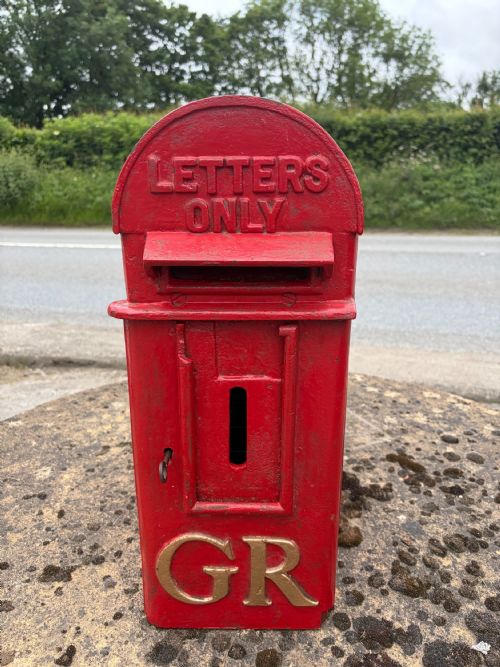
When you search for a vintage post box, you encounter items designed for mail collection in country houses, hotels, and public streets. These objects range from heavy cast iron wall receptacles bearing royal ciphers to tabletop mahogany and oak correspondence boxes.
The pieces you meet most often on this page date from the Victorian and Edwardian eras, alongside later George V examples. They span forms from domestic letter boxes with multiple divisions to large street-facing postal boxes.
Originating primarily from British country houses and public installations, these items served the vital function of gathering daily correspondence before local collection. Their forms reflect the changing methods of postal delivery across the nineteenth and twentieth centuries.
How they were made
Makers utilised durable hardwoods such as mahogany, oak, and burr satinwood for interior correspondence boxes, often mounting them with heavy brass fittings and glass panels. These materials provided the structural strength required for constant daily use in busy households.
Exterior postal boxes relied on heavy cast iron, moulded and cast to withstand outdoor weathering and secure public mail. This metalwork frequently incorporates raised lettering and royal cyphers specific to the reigning monarch of manufacture.
Vintage Post Box Retail Price Guide 2026
Typical asking prices for vintage post box among the pieces listed under this phrase on Sellingantiques today, from the lower quarter to the upper quarter. They describe what is for sale here now, not the wider market.
Materials across these listings concentrate heavily on cast iron for public postal boxes and mahogany or oak for domestic country house letter boxes.
What varies in quality
The distinction between standard utility items and finer examples lies in the selection of timber and the precision of the brass hardware. Superior pieces display carefully figured mahogany or burr satinwood veneers paired with robust, well-cast mounts.
Construction methods also dictate quality, with better boxes featuring dovetailed joints and original locking mechanisms that operate smoothly. Simpler pine or basic metal receptacles lack the refined joinery and decorative detailing found in country house pieces.
The Vintage Post Box Glossary
- Cast Iron
- An iron-carbon alloy poured into moulds to create sturdy, heavy objects. It was the standard material for wall and post-mounted street boxes due to its weather resistance.
- Country House
- A large estate residence that often required dedicated internal postal sorting facilities. Pieces originating from these settings tend to be larger and built from superior timbers.
- Correspondence Box
- A desktop or wall-mounted container specifically built to hold writing paper, envelopes, and incoming or outgoing mail. They frequently feature multiple internal divisions.
- Royal Cipher
- The monogram of the reigning British monarch stamped, cast, or painted onto official items. These ciphers help date cast iron post boxes accurately.
- Veneer
- A thin slice of decorative wood glued over a secondary timber base. Burr satinwood and mahogany veneers appear on finer domestic letter boxes.
Vintage Post Box: Frequently Asked Questions
What is a vintage post box?
A vintage post box is a receptacle designed for collecting and sorting mail, originating from domestic country houses, hotels, or public streets. They encompass everything from tabletop timber correspondence cases to heavy wall-mounted iron pillars.
These items were manufactured to handle the daily volume of letters before postal collection became fully automated. Today, they serve both decorative and practical purposes in modern hallways and studies.
How were they used?
In large country houses and hotels, staff or residents placed outgoing mail inside these boxes for central collection. Wall-mounted street versions received public post until the local postman emptied them.
Internal compartments often kept stationery organised alongside the mail slot. This kept correspondence secure and tidy in busy households.
How do I date a cast iron post box?
You date a cast iron post box by examining the royal cipher and lettering cast into its front face. Initials such as GR or Edward VII correspond to specific monarchical reigns.
Stylistic cues and the presence of manufacturer markings on the iron body also assist in determining the period of production.
Where should I place one at home?
Wall-mounted iron post boxes suit exterior porches or entrance hallways where their weather resistance and robust fixings can be utilised. Timber correspondence boxes function well on desks or hallway tables.
Ensure that the weight of cast iron pieces is supported by appropriate wall anchors rather than standard plaster fixings.