



Victorian Portrait Display
Victorian portrait display unites picture frames, easels, and cabinets that showcase historic likenesses.
Victorian Portrait Display
Victorian portrait display items encompass picture frames, photo frames, display box frames, and easels intended for showing likenesses. These objects emerge from the Victorian and Edwardian periods.
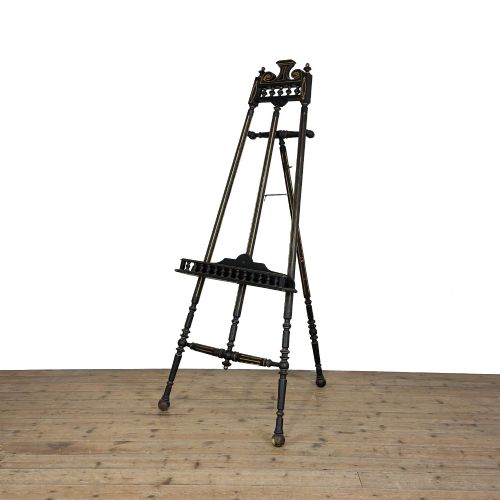
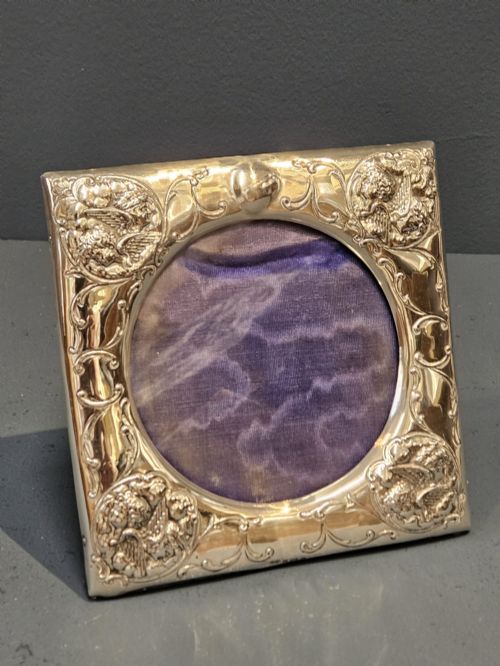
The version most commonly met on this page is the silver photo frame or gilt bronze frame, often accompanied by floor-standing or table-top easels.
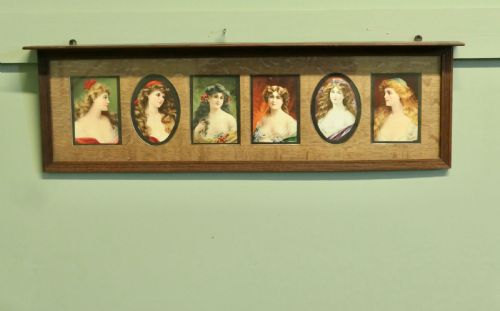
Forms extend to oak shelves holding pre-raphaelite portraits, multi-fold photo frames, and exhibition cabinet plates.
How they were made
Makers utilised metals such as sterling silver, brass, and gold leaf alongside ebonised wood and oak to construct these display pieces. Glass protects the portraits within frames.
Backing materials commonly include blue velvet and paper, while stands incorporate carved Carrara marble or wood.
Reynolds angels peer out from Edwardian silver frames while six-fold screens keep multiple ancestors in view.
What varies in quality
Quality separates through the refinement of metalwork, such as detailed casting on gilt bronze frames or sterling silver work on photo frames. The choice of primary timber, like ebonised wood or oak, marks the distinction.
Execution in decorative styles like French Rococo, Aesthetic Movement, and Arts & Crafts influences the character of each piece.
Coalport
The Victorian Portrait Display Glossary
- Cabinet plate
- A decorative ceramic plate intended for display rather than dining. Coalport Chicago exhibition plates represent this category.
- Gallery easel
- A stand designed to support paintings or frames for viewing. These range from table-top boxes to floor-standing structures.
- Carte de visite
- A small photographic portrait popular in the nineteenth century. Table top display box frames house these items.
- Sterling silver
- A silver alloy containing substantial pure silver used for durable photo frames. Edwardian makers applied this material frequently.
Victorian Portrait Display: Frequently Asked Questions
What is a portrait display easel?
An easel holds pictures, frames, or plates upright for viewing. Versions include floor-standing structures and table-top gallery models.
They appear in oak and ebonised wood, sometimes featuring double-sided designs.
How were photo frames finished?
Photo frames utilised sterling silver, brass, and gilt bronze. Backings incorporated blue velvet and paper.
Protective glass covered the portrait surfaces within these frames.
What periods do these pieces span?
The items originate from the Victorian and Edwardian eras. Dates range across the nineteenth century up to nineteen hundred.
Styles include Aesthetic Movement, Arts & Crafts, and French Rococo.
Where were cabinet plates shown?
Cabinet plates served decorative display purposes during exhibitions and in domestic rooms. Coalport created exhibition examples.
They complement other portrait display items.