
Brown Oak Display Shelf
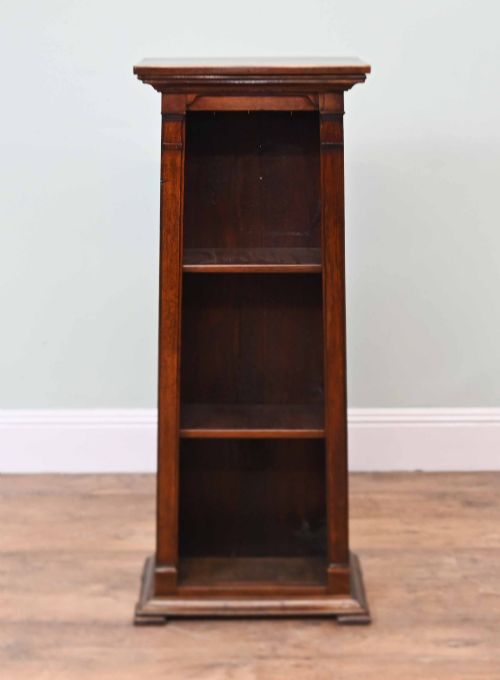
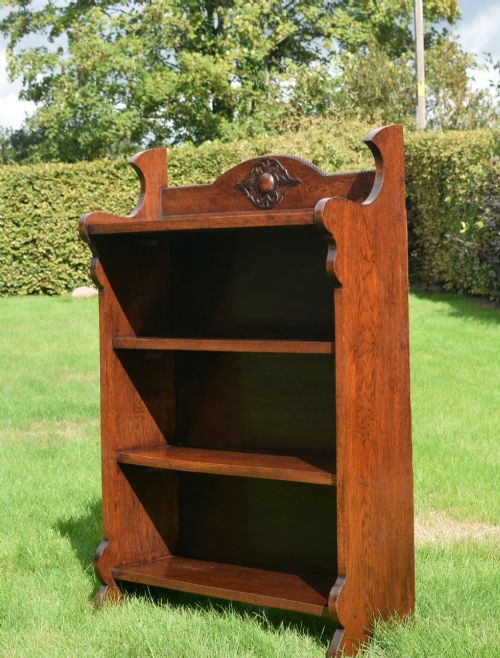
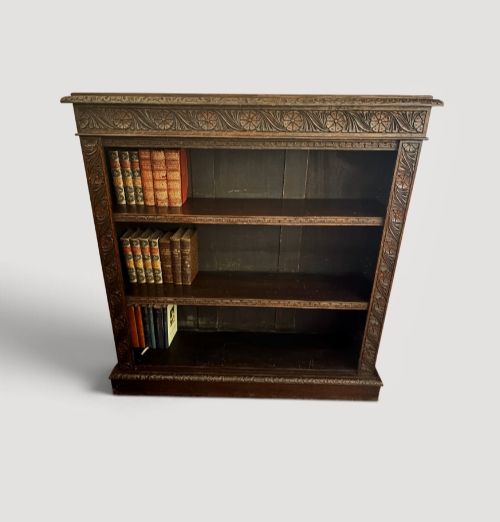
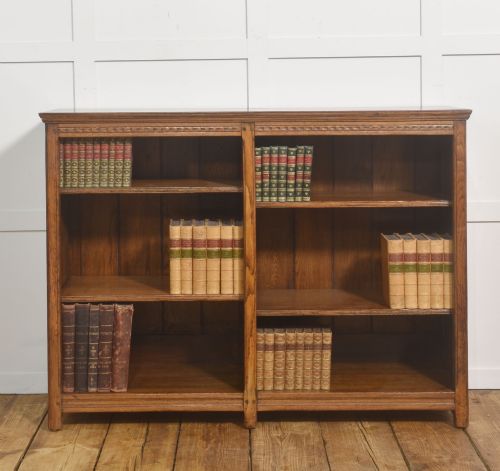
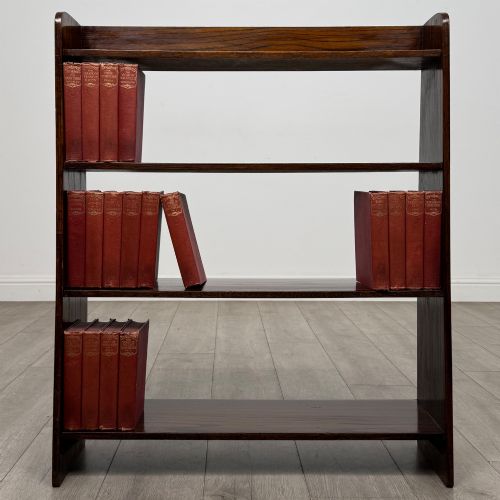
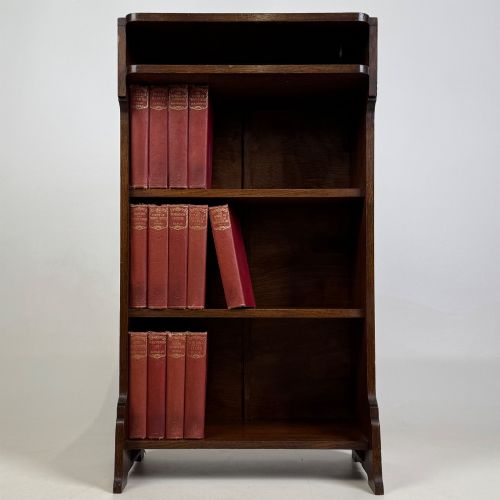
A brown oak display shelf offers sturdy timber grain to hold books, ceramics and treasured objects across Victorian, Edwardian and Art Deco designs.
Brown Oak Display Shelf
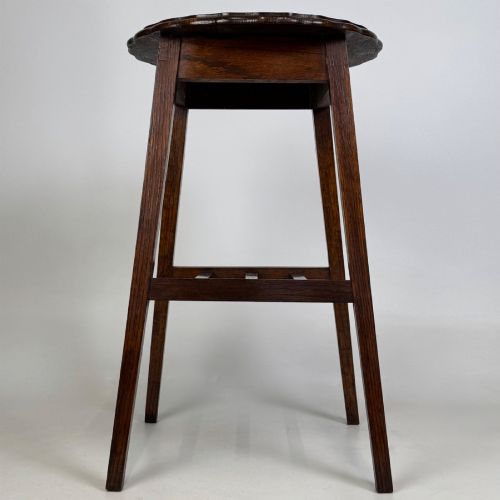
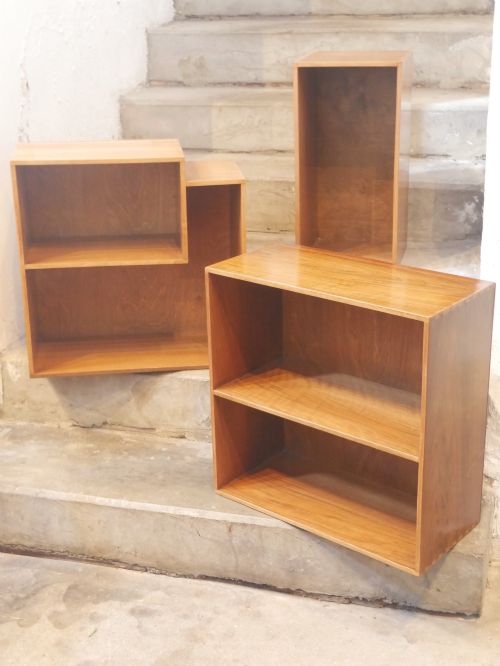
A brown oak display shelf combines practical storage with rich timber character, spanning open bookcases, wall shelves, and plate racks. When searching for a brown oak display shelf, buyers encounter pieces originating from the eighteenth century through to the nineteen-thirties.
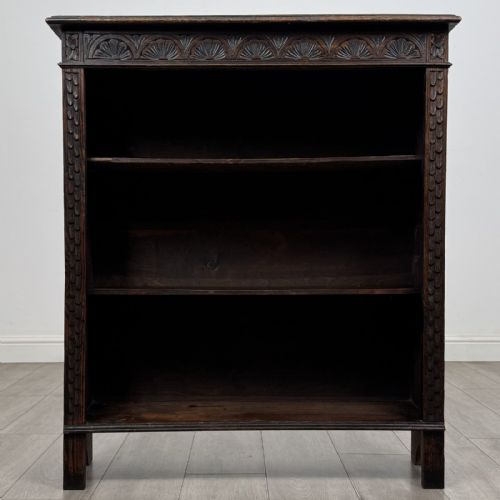
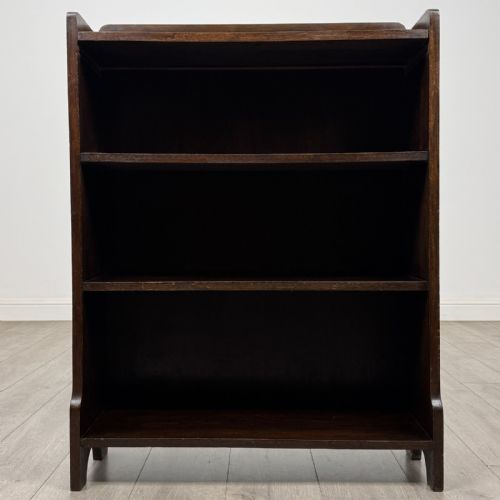
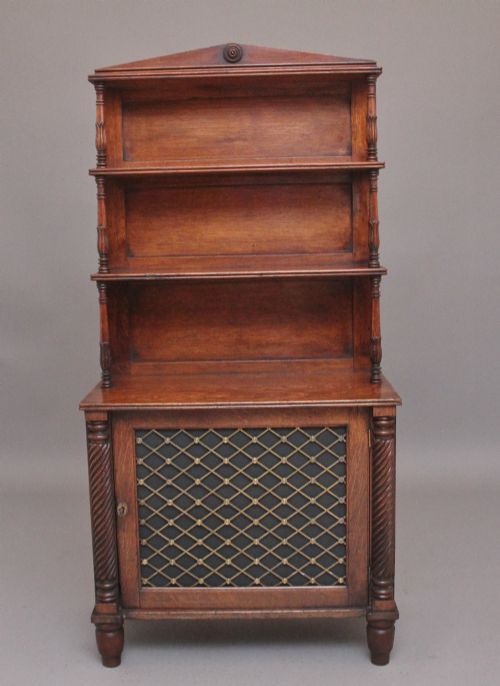
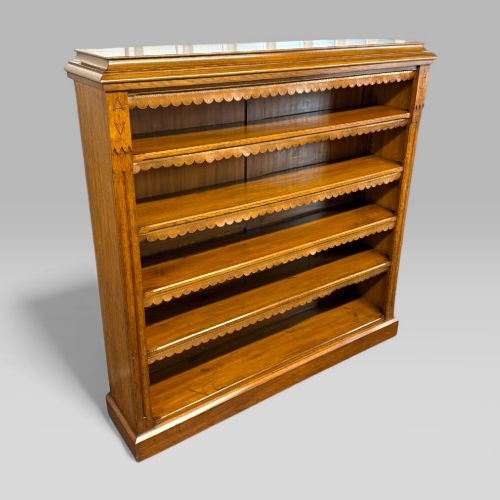
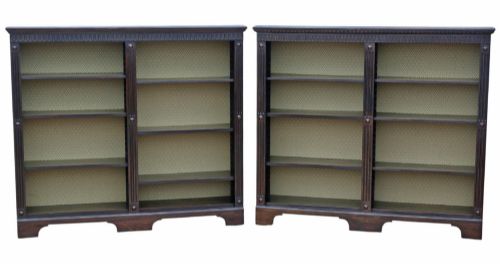
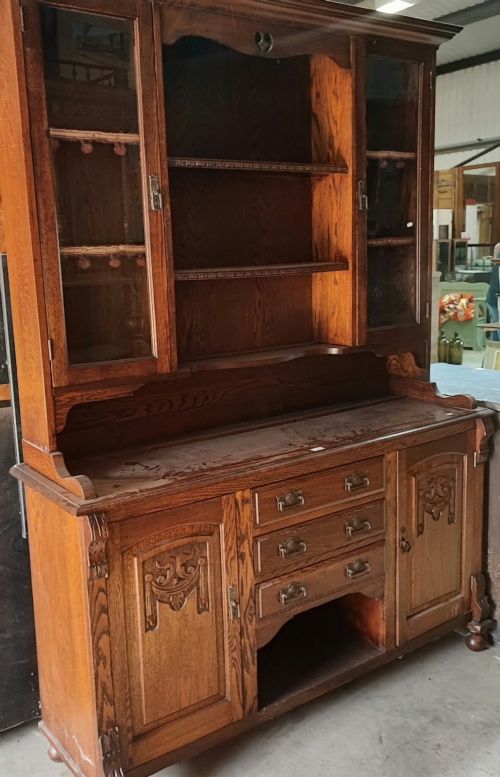
The selection ranges from tall Victorian bookcases with adjustable shelves to compact Edwardian waterfall shelves and Arts and Crafts open units. Many examples integrate brass fittings or glass panels, serving domestic libraries and dining spaces alike.
How they were made
Cabinet makers utilised solid oak and oak veneers, often supported by internal plywood structures in later twentieth-century iterations. Metal hinges, brass fixings, and iron brackets provide structural stability and operational hardware.
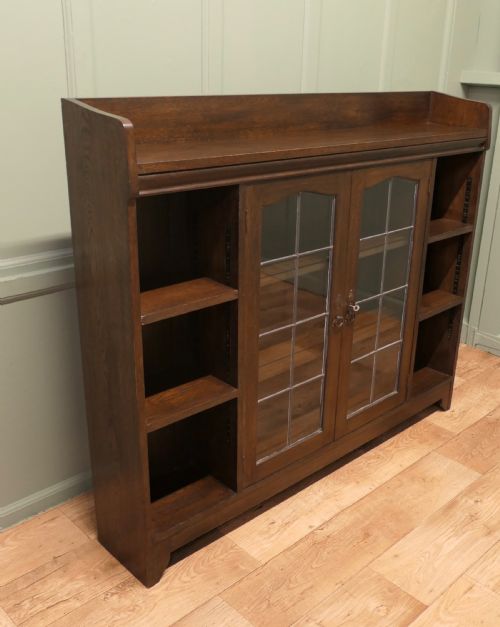
Glazed doors utilise fitted glass panes, while carved decorative elements appear on regional furniture styles such as Jacobean Revival and Arts and Crafts models.
One historic display case preserves a French museum heritage alongside domestic oak bookshelves.
What varies in quality
The integrity of the timber grain and the precision of the joinery define the standard of a piece. Finer examples display thoughtful proportion, careful selection of tiger oak or quarter-sawn figures, and robust framing.
Simpler production methods appear in utility items from the nineteen-thirties, where surface finish and hardware execution distinguish workshop standards.
Heals
The Brown Oak Display Shelf Glossary
- Tiger oak
- A figure in oak timber showing distinct flecking and horizontal medullary rays caused by quarter-sawing. This natural pattern creates a striped appearance resembling tiger markings.
- Delft rack
- A wall-mounted or dresser-top shelf designed specifically for displaying ceramic plates and platters in an upright position. Plates rest against grooved wooden ledges.
- Waterfall bookcase
- A shelving unit where each successive shelf steps back from the one below it, creating a cascading silhouette. The style gained popularity during the Edwardian and Art Deco periods.
- Adjustable shelves
- Shelves fitted with internal vertical tracks, wooden ratchets, or peg supports that allow the height between tiers to be altered. This mechanism provides flexibility for varying book sizes.
- Arts and Crafts
- A design movement prioritising traditional craftsmanship, simple forms, and visible structural honesty over mass production. Pieces from this era often feature hand-cut details and sturdy oak construction.
Brown Oak Display Shelf: Frequently Asked Questions
How do I clean a brown oak display shelf?
Dust timber surfaces regularly with a dry cloth and apply occasional beeswax to maintain the finish.
Avoid chemical sprays or excessive moisture which can damage vintage oak veneers and polished surfaces.
Can I adjust the shelf heights?
Many Victorian and Edwardian bookcases feature adjustable shelves supported by wooden pegs or metal tracks. Fixed-shelf variants are also common in smaller period units.
Check the internal sidewalls of the cabinet for slotted supports before rearranging your items.
What periods do these shelves cover?
The available pieces span from eighteenth-century Georgian plate racks to nineteen-thirties Art Deco bookcases.
Victorian, Edwardian, and Arts and Crafts eras form the majority of the current selection.
Are these shelves suitable for heavy books?
Solid oak construction provides robust weight capacity for everyday library use.
Adjustable shelf mechanisms should be inspected to ensure the support pegs remain secure under heavy loads.