




Arts Crafts Wall Hanging
An arts crafts wall hanging brings texture and handcrafted honesty to an interior through textiles, carved wood and beaten metal.
Arts Crafts Wall Hanging
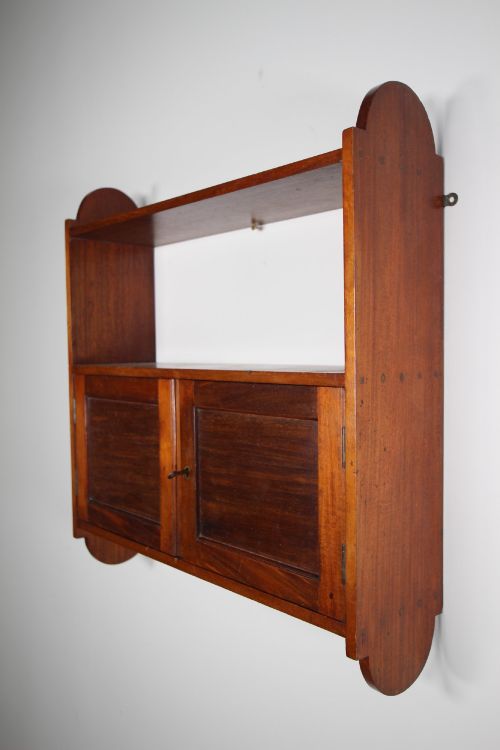
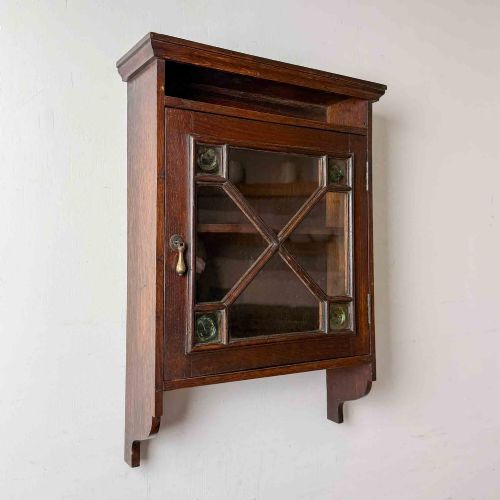
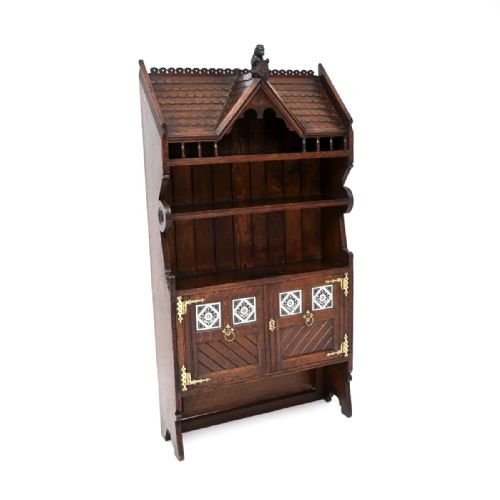
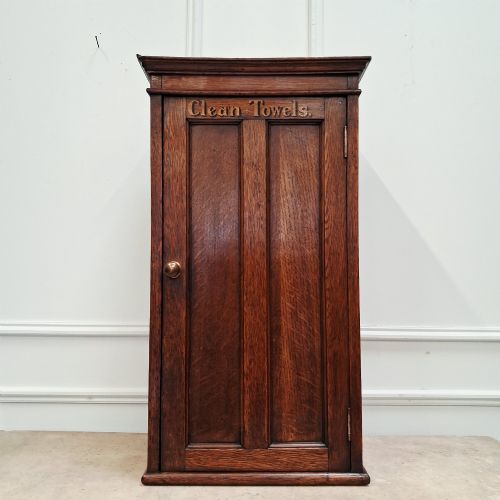
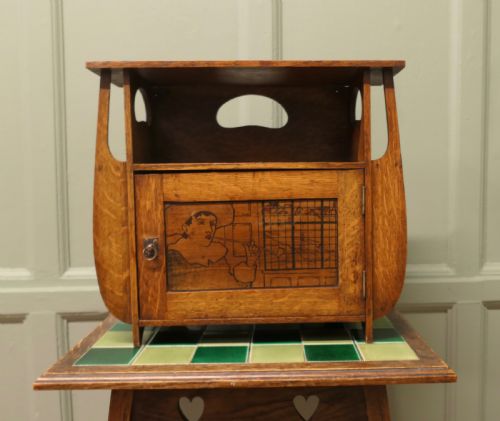
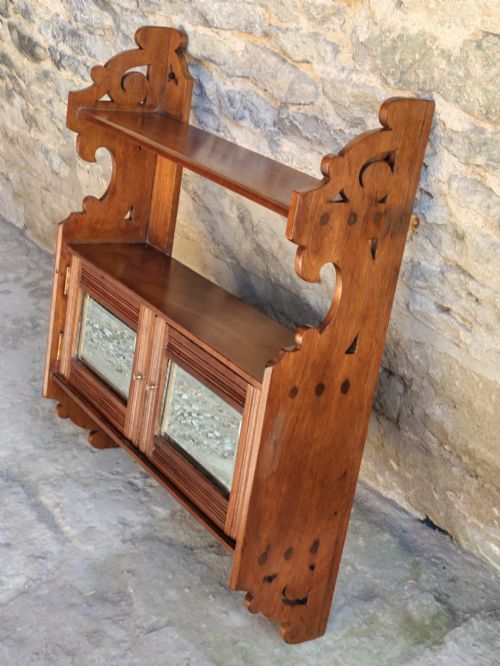
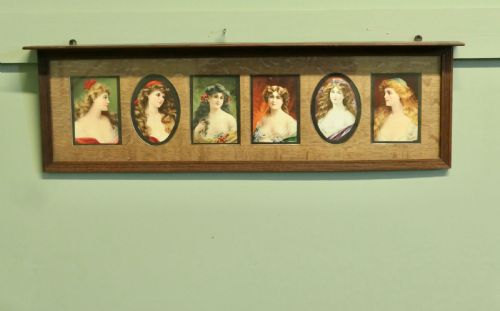
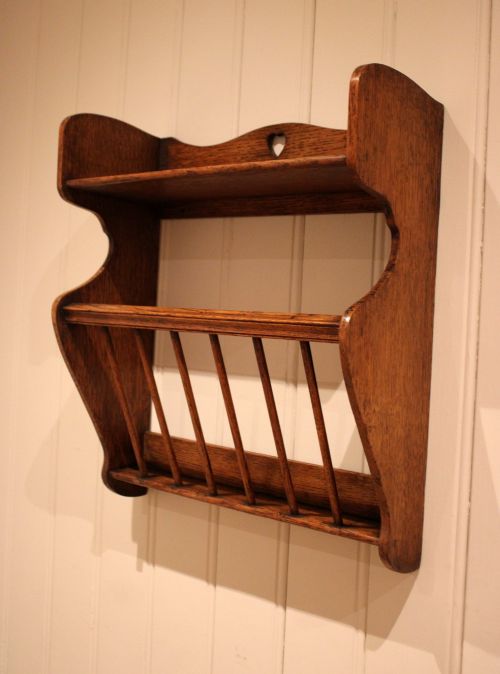
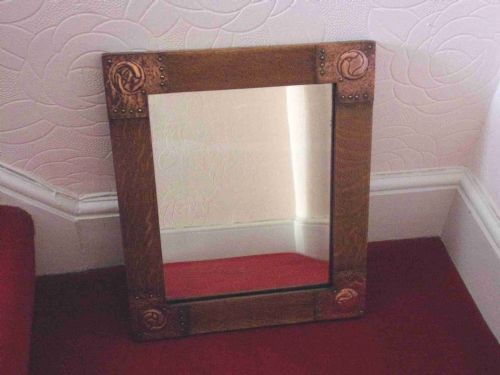
When you search for an arts crafts wall hanging, you encounter a variety of wall-mounted pieces designed to bring utility and hand-worked detail into living spaces. The selection includes embroidered textile panels, carved wooden cupboards, mirrors framed in hammered copper or pewter, and open display shelves.
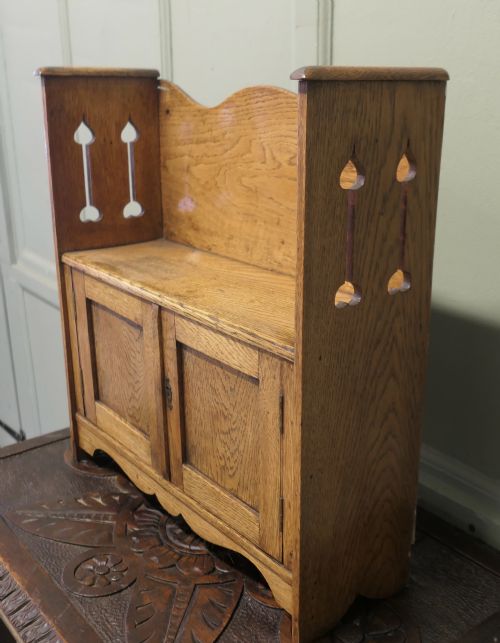
The pieces on this page span the late nineteenth century through to the interwar period, capturing the domestic ideals of the Arts and Crafts movement alongside Aesthetic, Edwardian and Victorian Gothic revivals. Oak predominates as the primary timber, complemented by mahogany, walnut and beech.
Wall cabinets, hanging shelves and mirrors represent the most common forms you will meet in this category. Many incorporate practical compartments, such as key cabinets, salt boxes with spice drawers, and letter racks, combining everyday function with decorative integrity.
Materials and construction techniques
Makers utilised solid timbers like oak, walnut and mahogany, often shaping them through traditional joinery and hand-carving rather than industrial mass production. Carved panels, pegged joints and pokerwork surface decoration reflect a deliberate return to tactile, manual craftsmanship.
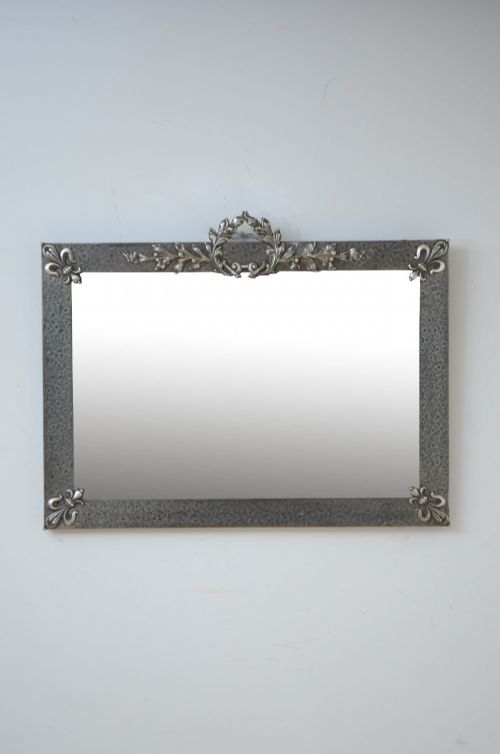
Metalwork forms a vital component, with beaten copper, brass and pewter applied to mirror frames, chargers and plaques. Artisans shaped these metals by hand, leaving characteristic hammer marks that give texture and depth to the surface.
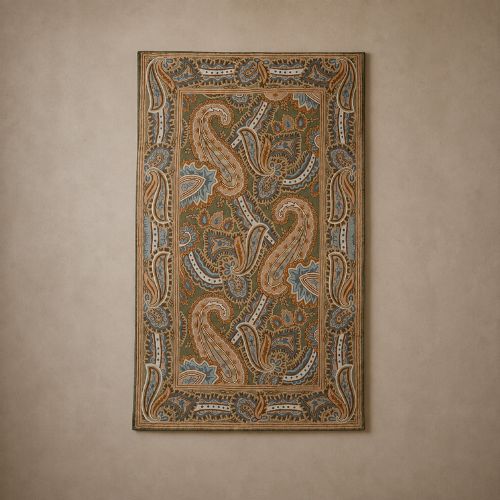
Textiles in this category include embroidered panels and crewelwork executed in wool or mixed fibres on woven grounds. These wall hangings soften domestic interiors, bringing rich colour and pattern derived from natural motifs.
Judging quality in domestic woodwork and metalwork
Quality rests on the depth and definition of the hand-carving and the crispness of the metalwork. Pieces with confident, deeply modelled foliage or figurative work stand apart from simpler, mechanically stamped or shallowly carved alternatives.
Construction methods dictate longevity and visual cohesion. Superior examples feature carefully selected timber grain, secure pegged or dovetailed joints, and integrated hardware like hand-hammered hinges and latches that complement the overall design.
John Moyr Smith·Arthur Simpson·Faulkner Bronze Company
The Arts Crafts Wall Hanging Glossary
- Pokerwork
- The technique of decorating wood or other materials by burning designs with a heated tool. It creates subtle brown shading and tactile contrast on wooden panels and small cupboards.
- Crewelwork
- A traditional form of surface embroidery using wool on a fabric ground. It appears in textile panels designed to hang on walls and introduce colour and texture.
- Beaten metal
- Sheet metal shaped by hand using hammers to create textured surfaces. Artisans applied this technique to copper, brass and pewter for mirror frames and wall plates.
- Aesthetic Movement
- A late nineteenth-century design current emphasising visual beauty above narrative or moral function. Pieces from this context often display refined lines and artistic craftsmanship.
- Corner cupboard
- A triangular cabinet designed to fit neatly into the junction of two walls. These pieces maximise compact floor space while providing display or storage.
Arts Crafts Wall Hanging: Frequently Asked Questions
How do I hang a heavy wooden wall cabinet safely?
Heavy oak wall cabinets require secure fixing directly into wall studs or masonry using appropriate wall anchors. Distribute the weight evenly across the mounting brackets provided on the back of the frame.
Check that the internal fixings holding the shelves and back panels remain tight before loading the cabinet with heavy items like ceramics or books.
What rooms suit an arts crafts wall hanging best?
These pieces suit entrance halls, living rooms and dining areas where their natural timber tones and handcrafted metalwork add warmth and character. Hallways benefit from hanging shelves, mirrors and key cabinets that offer practical storage.
Textile panels and decorative plaques work well on plain plastered walls where their texture can serve as a focal point without visual competition.
How should I clean a beaten copper mirror frame?
Clean beaten copper frames gently with a soft, dry cloth to remove dust and airborne particles. Avoid harsh chemical cleaners or abrasive polishes that strip the historic patina from the metal.
If the copper requires more thorough cleaning, consult a specialist conservator to preserve the original surface texture and hammer marks.
How do I distinguish an original piece from a revival?
Examine the construction methods, tool marks and timber characteristics to determine age. Original pieces from the movement often show hand-planed surfaces, traditional joinery and period-appropriate hardware.
Revival pieces or later reproductions may exhibit machine-cut timber, modern fixings or inconsistent ageing that separates them from nineteenth-century work.