


Victorian Porcelain Plaque Cabinet
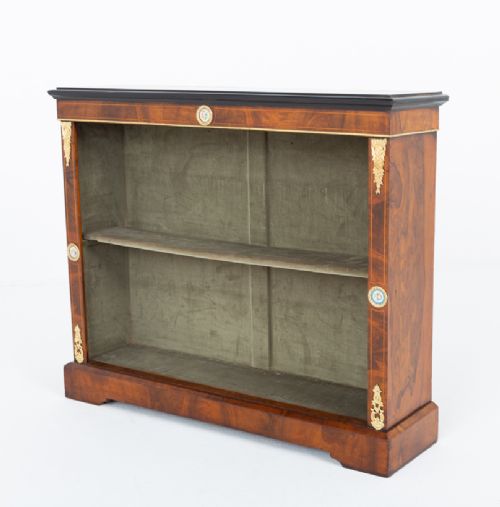
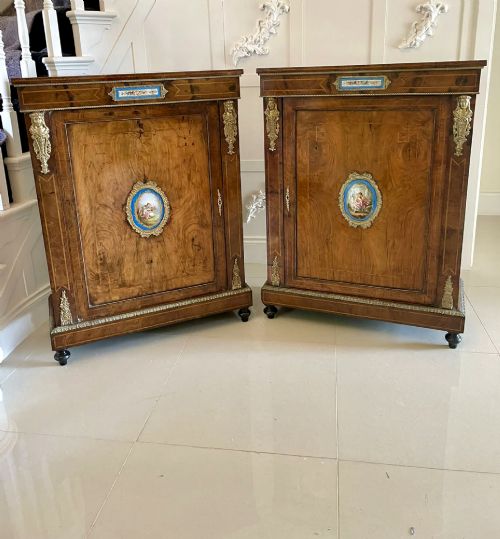
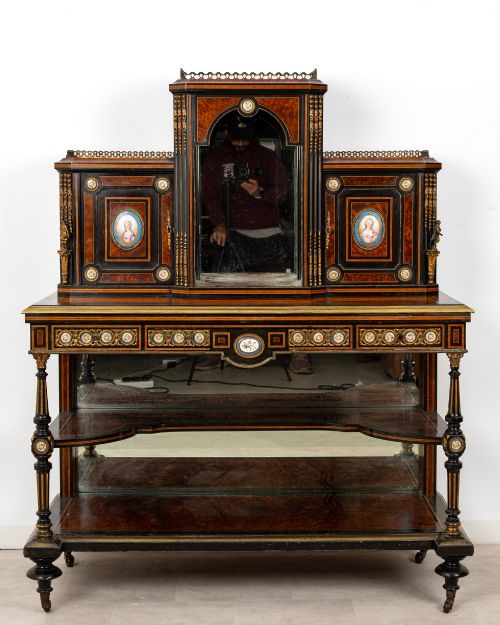
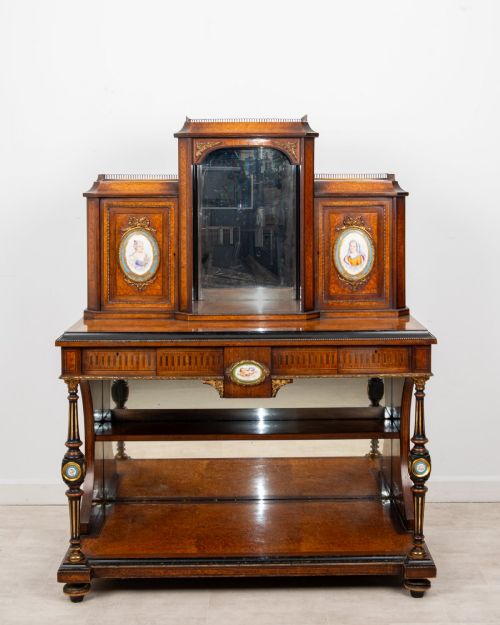
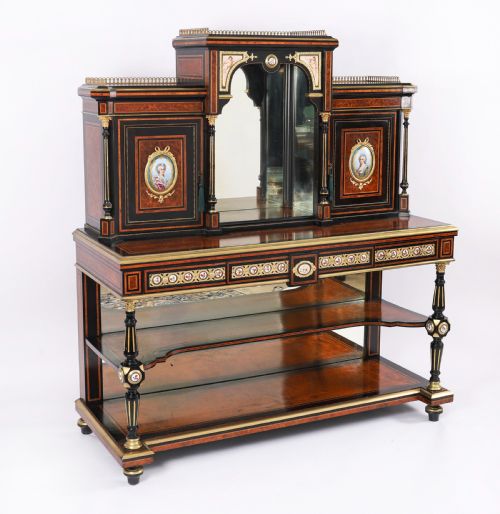
A victorian porcelain plaque cabinet integrates glazed display space with hand-painted ceramic panels, offering a focal point for refined interiors.
Victorian Porcelain Plaque Cabinet
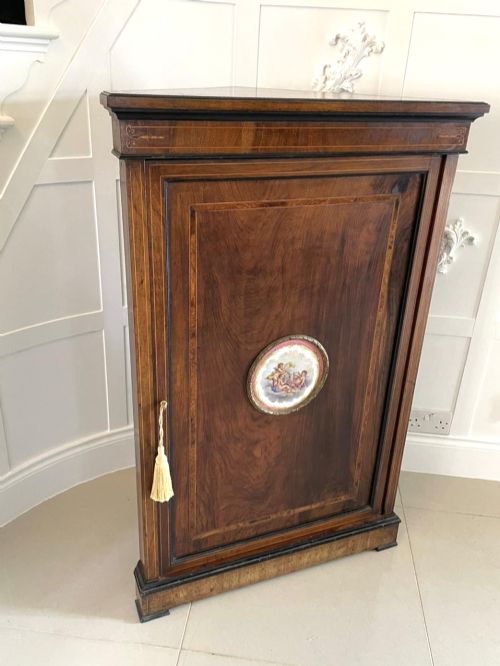
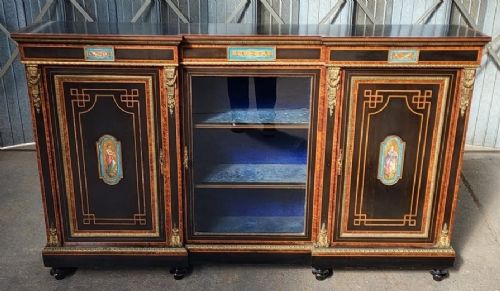
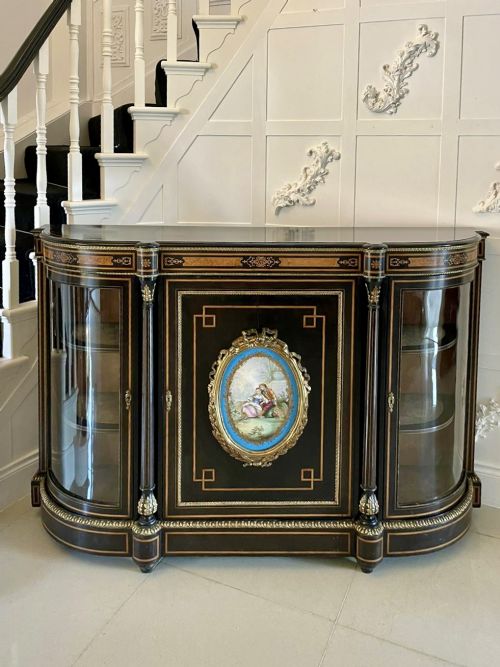
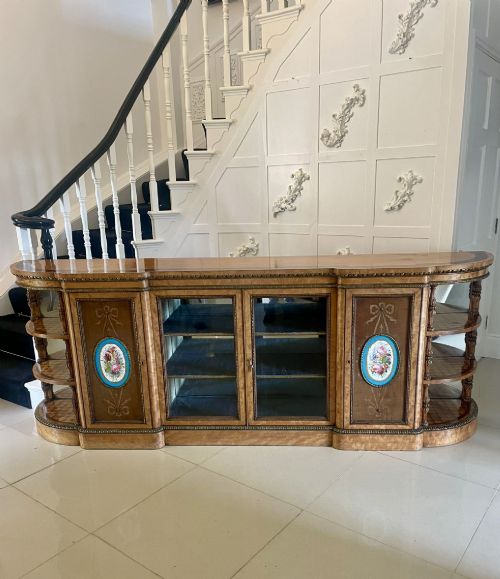
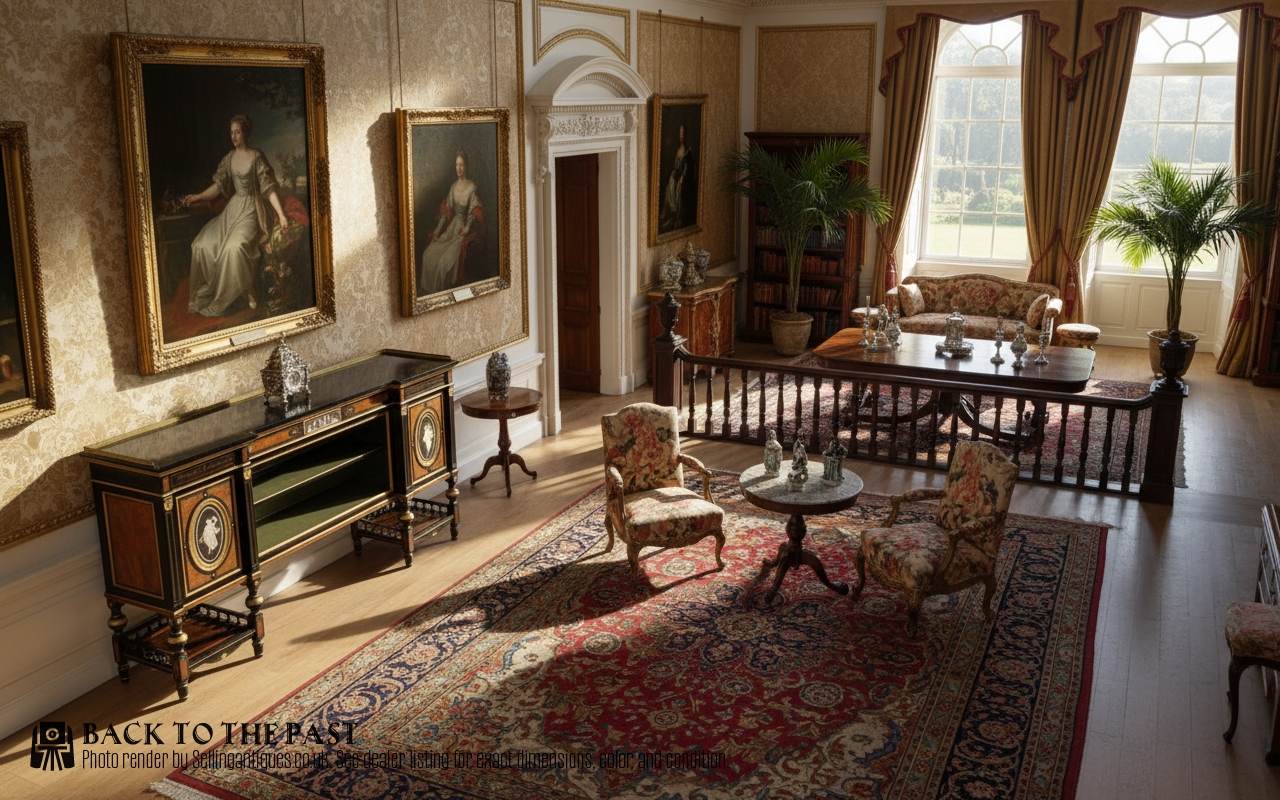
A victorian porcelain plaque cabinet is principally encountered as a credenza, pier cabinet, or side cabinet designed to display ceramics and works of art within a formal room. These pieces originate largely from the nineteenth century, encompassing styles such as French Revival, Rococo Revival, and Napoleon III.
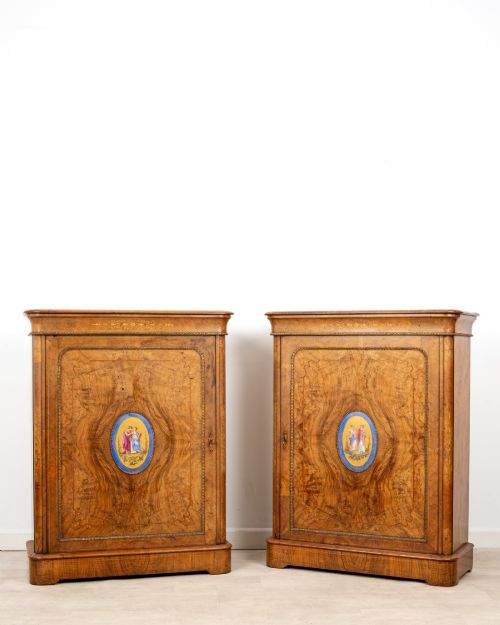
The form frequently incorporates glazed doors flanked by curved or straight side compartments, upon which hand-painted porcelain plaques are mounted. Walnut, burr walnut, ebonised wood, and amboyna form the primary carcases for these display items.
Materials and Construction
Cabinet makers utilised dense timber foundations like walnut, ebonised wood, and satinwood, applying intricate marquetry and stringing to enrich the flat surfaces. Ormolu mounts cast in bronze were then applied to frame the glazed doors and highlight structural corners.
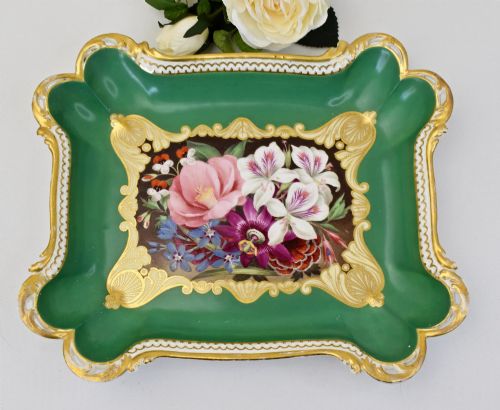
Porcelain plaques, often painted with floral motifs or figural scenes, were set directly into the wooden carcase or framed in gilt metal. Glass panels were integrated into the doors to protect the contents while permitting maximum visibility.
Swans and delicate florals stare out from porcelain panels while the brass ormolu silently holds the nineteenth century together.
Judging Quality
The standard of execution in the porcelain painting dictates the visual success of the piece, with finer works displaying delicate brushwork and rich enamel colours. Cabinet-making quality reveals itself in the precision of the marquetry inlay and the weight and detail of the ormolu mounts.
Coherence of design separates standard items from exceptional examples, particularly where the timber grain of burr walnut or amboyna is symmetrically matched across the doors and panels.
Doe and Rogers·Copeland·Royal Worcester·Lamb of Manchester
The Victorian Porcelain Plaque Cabinet Glossary
- Ormolu
- Gilded bronze mounts applied to furniture for decorative effect. These metal ornaments frame doors and highlight architectural corners.
- Credenza
- A low cabinet, often with three doors, used for display and storage in nineteenth-century interiors. It frequently serves as the primary mount for porcelain plaques.
- Marquetry
- Decorative wood veneers arranged in pictorial or geometric patterns on furniture surfaces. This technique requires precise cutting of contrasting timbers.
- Pier Cabinet
- A narrow cabinet designed to stand against the wall between windows. These upright pieces often feature single glazed doors and inlaid wood.
Victorian Porcelain Plaque Cabinet: Frequently Asked Questions
What rooms suit a porcelain plaque cabinet?
These cabinets suit formal drawing rooms or reception spaces where their glazed panels and decorative ceramics can be appreciated.
Their substantial timber carcases require adequate wall space and balanced lighting to show the inlaid wood and ormolu mounts properly.
How do I care for the wood and ormolu?
Maintain the polished timber surfaces by applying a traditional wax sparingly and buffing with a soft cloth to preserve the finish.
Keep ormolu mounts free from dust using a dry brush, avoiding liquid cleaners that might damage the underlying gilt surface.
Are the porcelain plaques removable?
The ceramic plaques are generally fixed securely into the timber carcase or held in place by ormolu frames as part of the cabinet structure.
Attempting to remove them risks damaging both the fragile porcelain edges and the surrounding veneer.
How do I identify French revival styles?
French revival pieces from the nineteenth century often feature ebonised finishes, extensive ormolu mounts, and curved contours inspired by earlier royal courts.
They tend to use exotic veneers like amboyna and satinwood alongside hand-painted Sevres-style ceramic panels.