
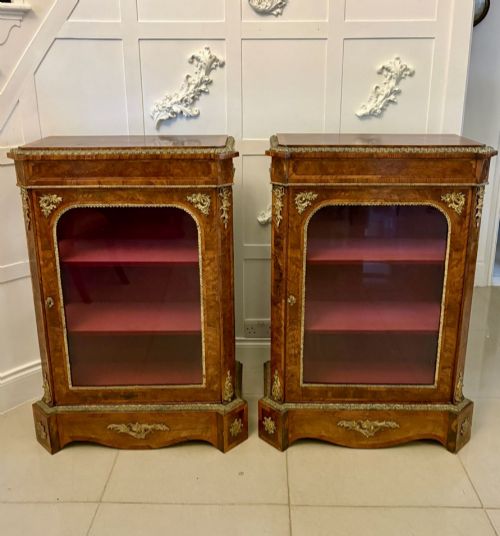
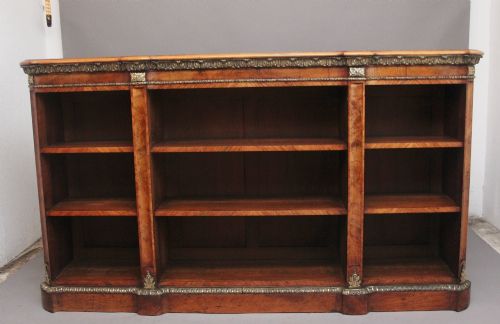
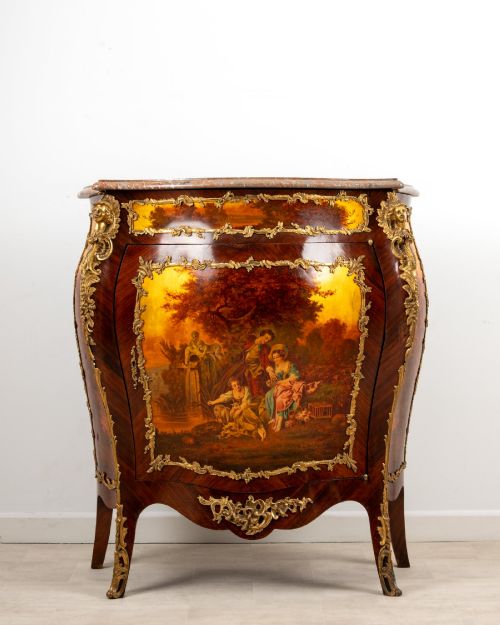
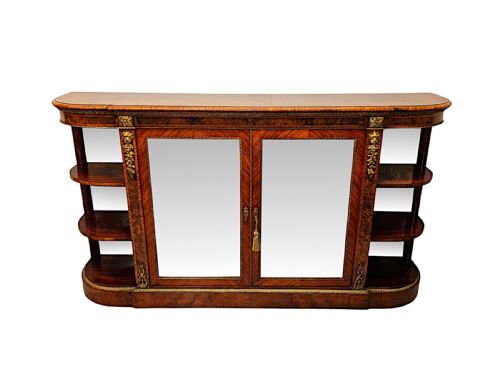

Gilt Mounted Side Cabinet
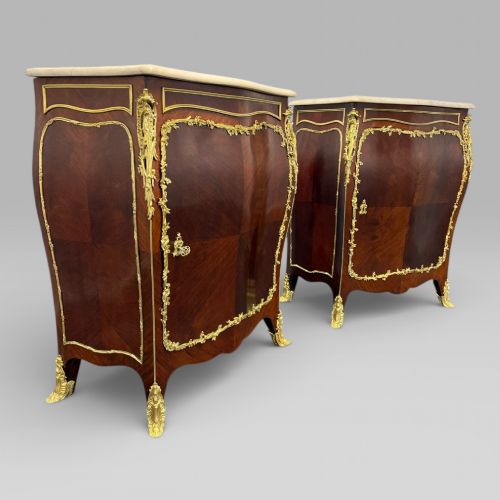
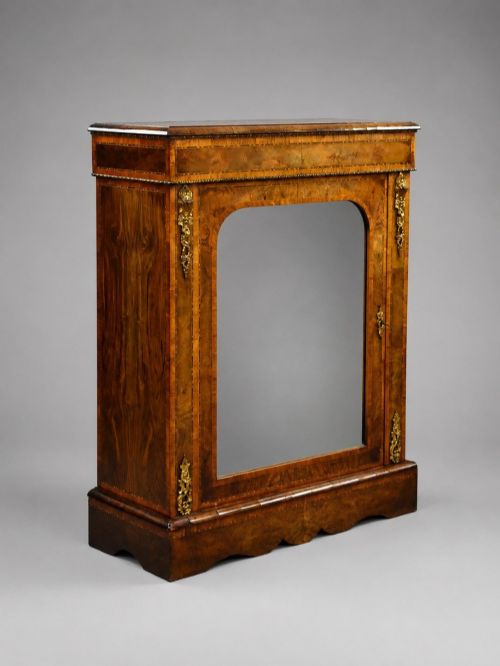
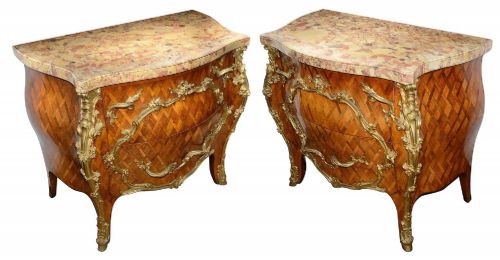
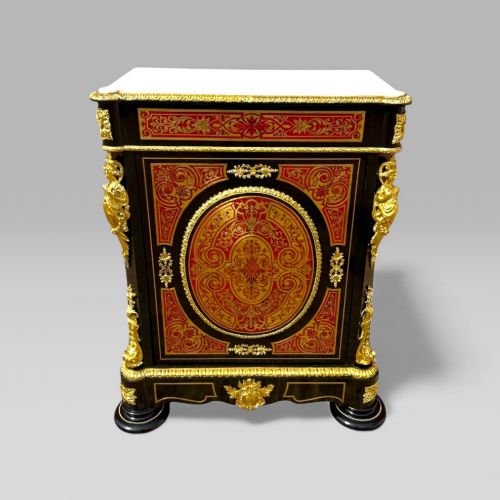
These gilt mounted side cabinet designs combine rich timbers with cast metal mounts to anchor a room.

Gilt Mounted Side Cabinet
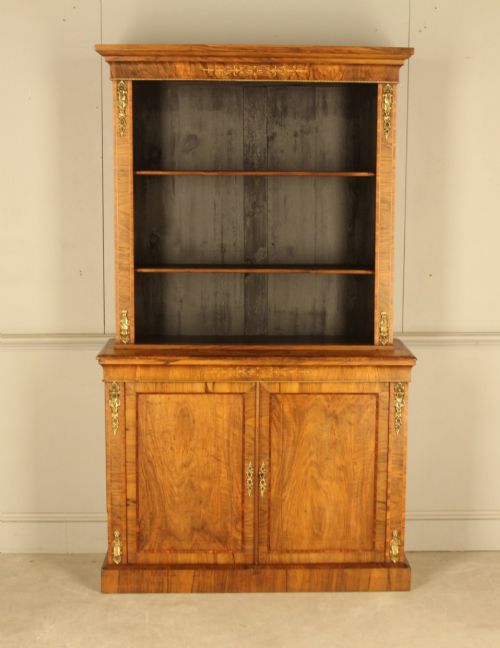
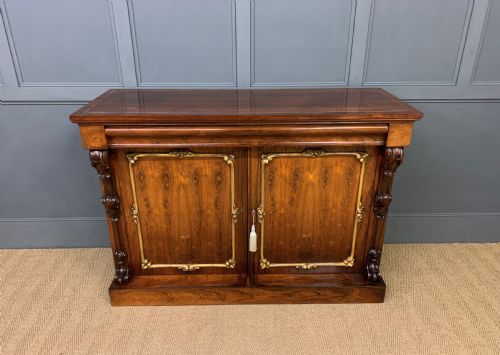
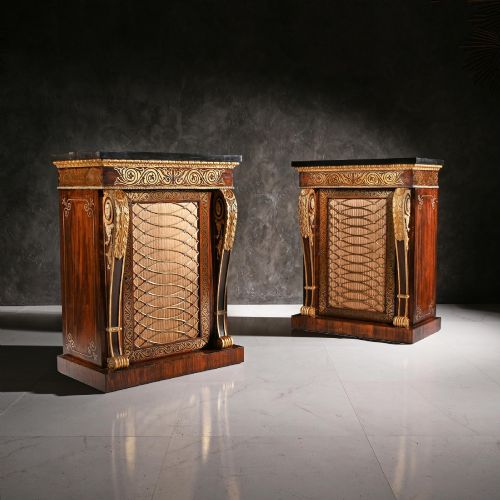
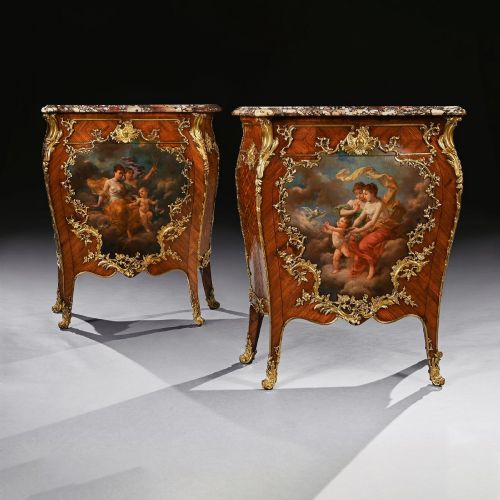
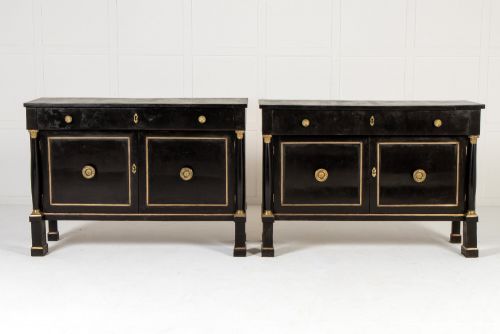
A gilt mounted side cabinet brings together timber carcase work and applied metal mounts, appearing across Victorian, Regency and continental revival periods. You will encounter formats ranging from low credenzas and pier cabinets to serpentine commodes and open bookcases.
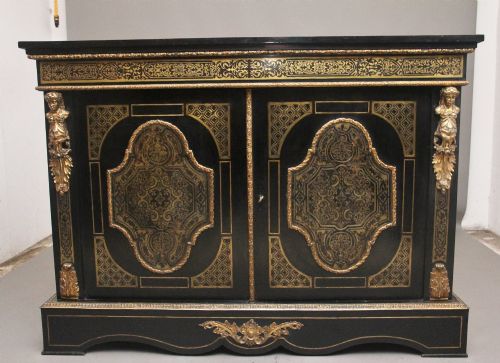
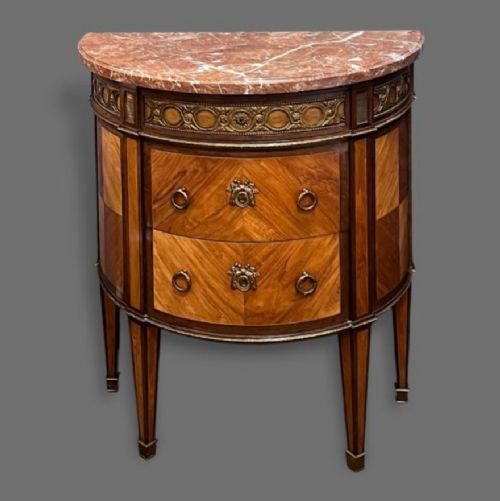
The English examples rely heavily on figured walnut, burr walnut and rosewood, often inlaid with marquetry or brass lines. French pieces favour kingwood, ebonised wood and tortoiseshell marquetry, frequently topped with white or coloured marble.
Materials and Technique
Makers built these pieces using solid pine or oak carcases faced with expensive decorative veneers such as kingwood, satinwood, burr walnut and rosewood. Marquetry panels, parquetry patterns and Boulle work in brass and tortoiseshell provide surface enrichment.
Ormolu and gilt bronze mounts, cast and chased by hand, edge the panels, frame the doors and protect the corners. Marble slabs, cut and polished to fit the upper surface, complete the construction on many French and Victorian commodes.
Materials appearing across the inventory include ormolu, marble, glass, kingwood, brass, gilt bronze, ebonised wood and walnut.
Judging Quality
The crispness of the ormolu chasing separates standard production from superior workshop output, as does the depth and selection of the timber veneers. Well-executed marquetry shows sharp contrasts in wood species without excessive use of filler.
Internal secondary timbers, original locks and the precision of the door alignment indicate the standard of cabinetmaking. Heavy mounts should sit flush against the timber, following the contours of the carcase without gaps.
Johnstone and Jeanes·Gillows·E. Kahn·Maison Soubrier
The Gilt Mounted Side Cabinet Glossary
- Ormolu
- Gilded bronze used for decorative mounts and furniture embellishments. This technique involves applying a gold amalgam to a bronze base and firing it.
- Boulle
- A form of marquetry employing brass and tortoiseshell in contrasting counter-change patterns. Named after the cabinetmaker André-Charles Boulle, it defines many Napoleon III and Victorian pieces.
- Vernis Martin
- A simulated Japanese lacquer developed by the Martin brothers in France. It appears on painted cabinets and vitrines depicting figures or landscapes.
Gilt Mounted Side Cabinet: Frequently Asked Questions
What is a gilt mounted side cabinet?
A cabinet designed to stand against a wall, constructed from hardwoods and decorated with cast metal mounts finished in gilt.
These pieces served functional storage and display roles in nineteenth-century interiors, holding books, china or glassware.
How do I identify French pieces?
French cabinets often feature kingwood veneers, elaborate boulle work, painted vernis martin panels and fitted marble tops.
English equivalents tend to utilise burr walnut and rosewood with marquetry inlay and subtle brass mounts.
Where should I place a side cabinet?
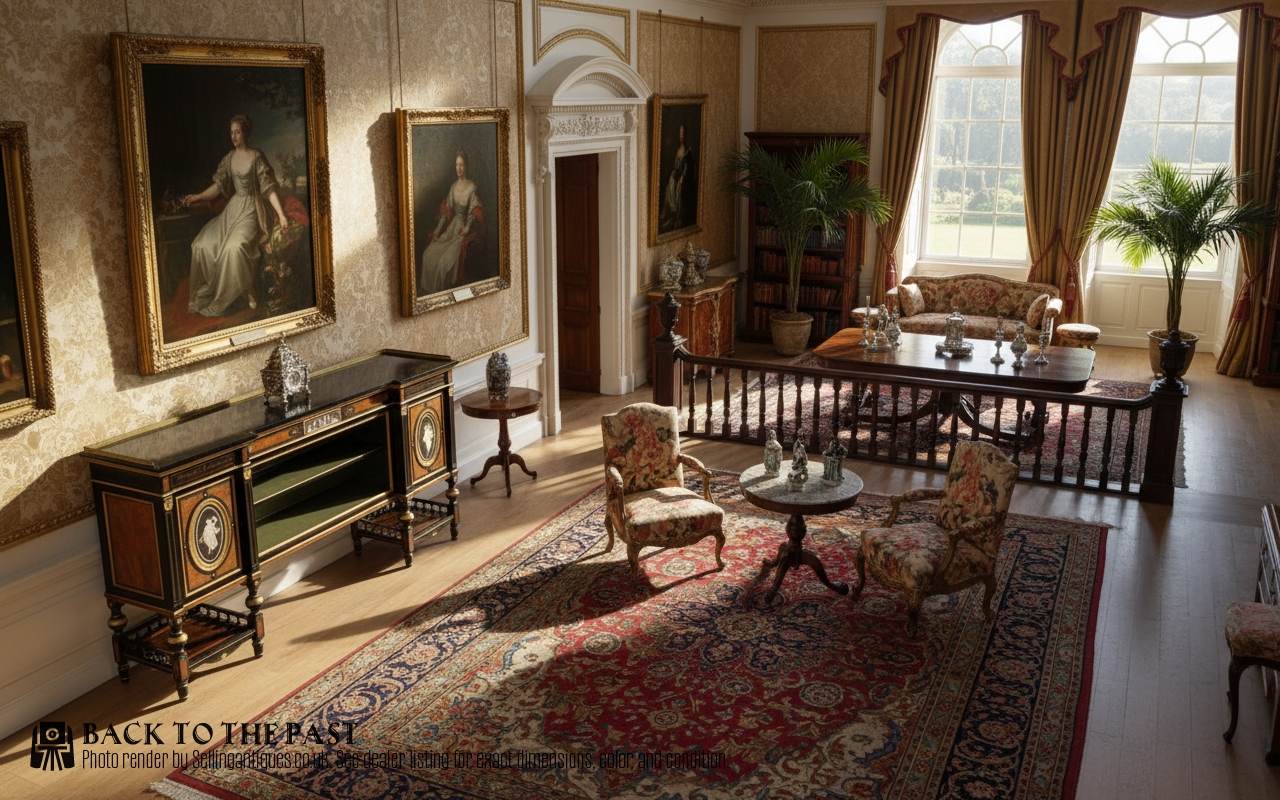
These cabinets work well in dining rooms, drawing rooms or hallways where surface space allows for lamps or decorative objects.
Ensure the piece sits away from direct heat sources to protect sensitive wood veneers and marble tops.
How do I care for the surface?
Dust the timber regularly with a dry cloth and avoid commercial polishes containing silicone.
Protect marble tops from acidic spills and keep ormolu mounts free from abrasive cleaners.