
Victorian Pine Seating
Victorian pine seating spans church pews, box settles and kitchen benches, offering sturdy utility and enduring character for daily use.
Victorian Pine Seating
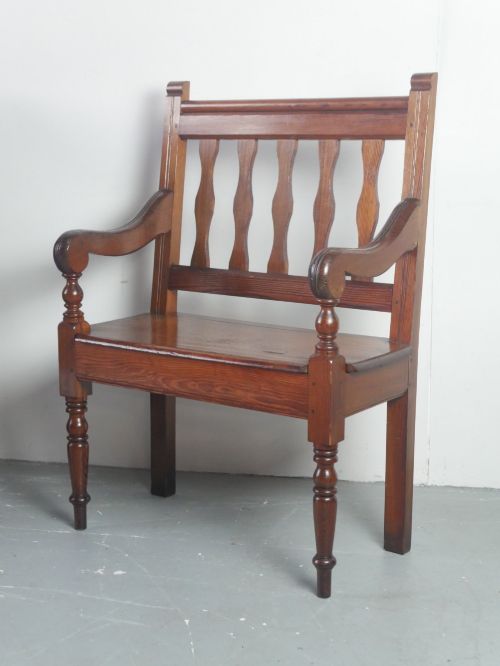
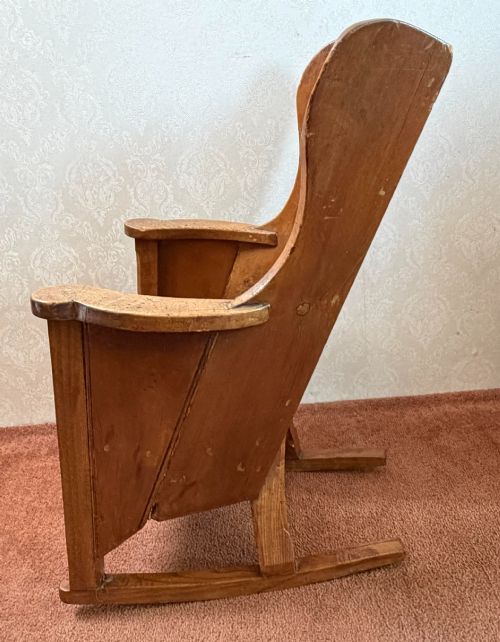
Victorian pine seating comprises functional items built for churches, chapels, schools, and farmhouses during the nineteenth century. These utilitarian forms include pews, box settles, benches, stools, and armchairs designed to withstand heavy daily wear.
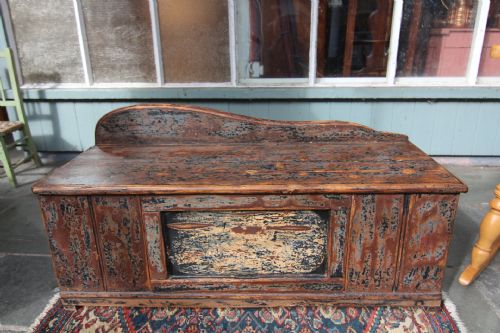
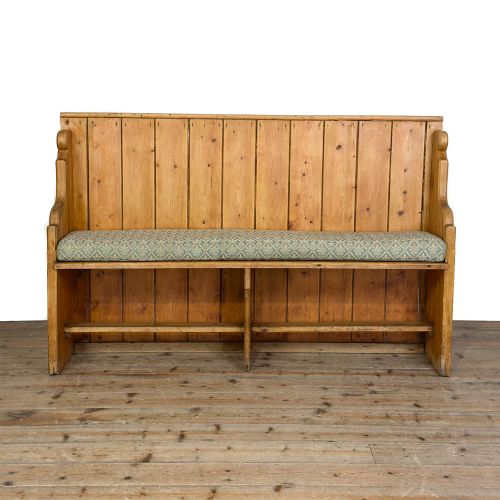
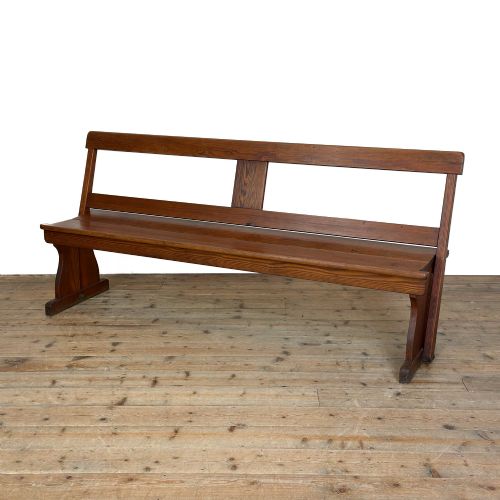
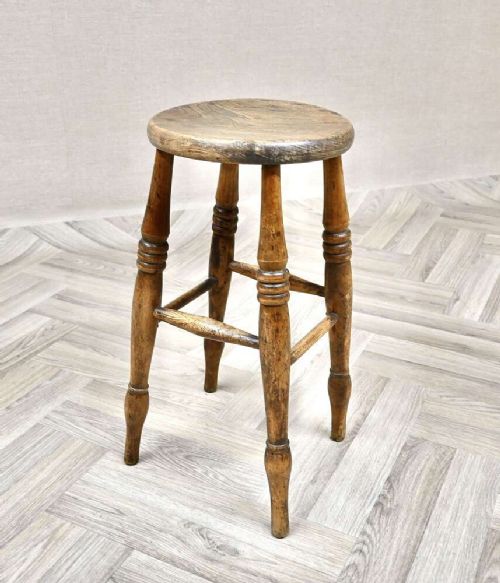
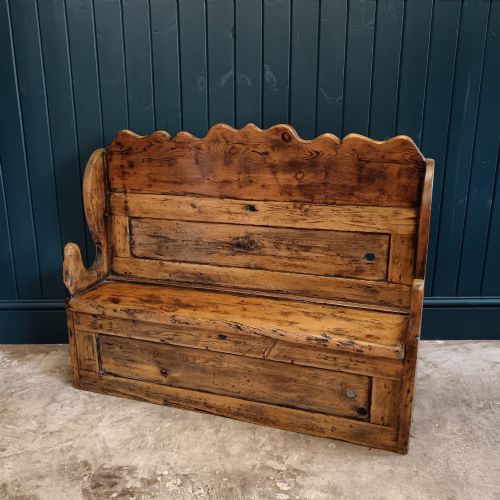
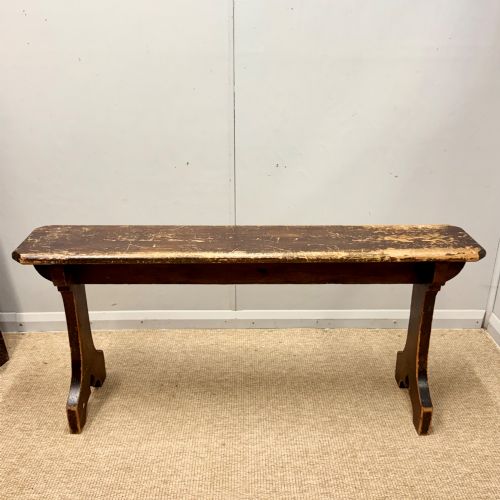
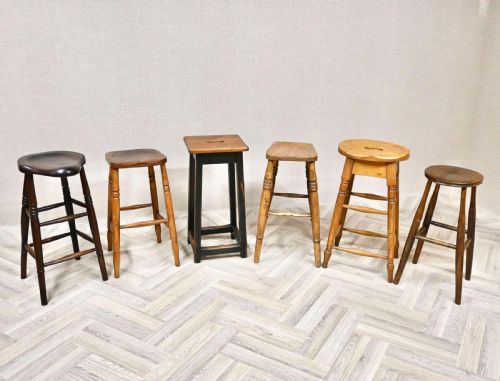
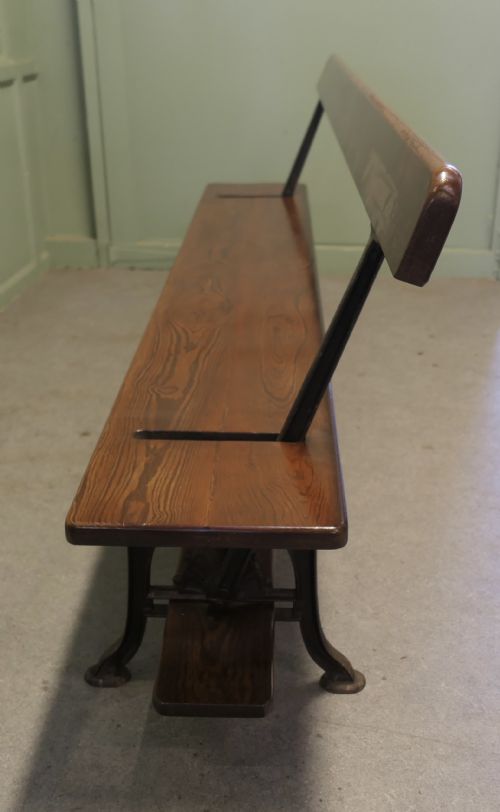
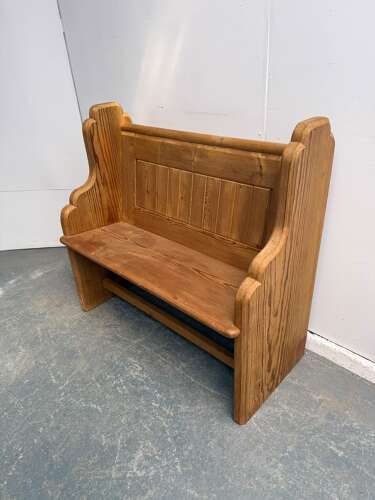
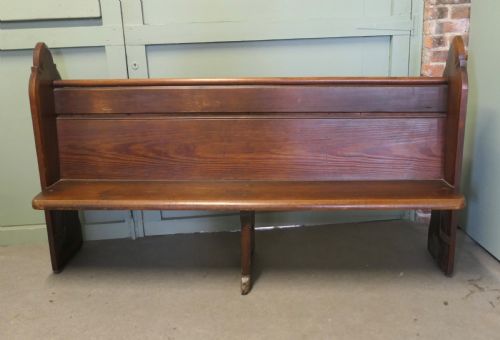
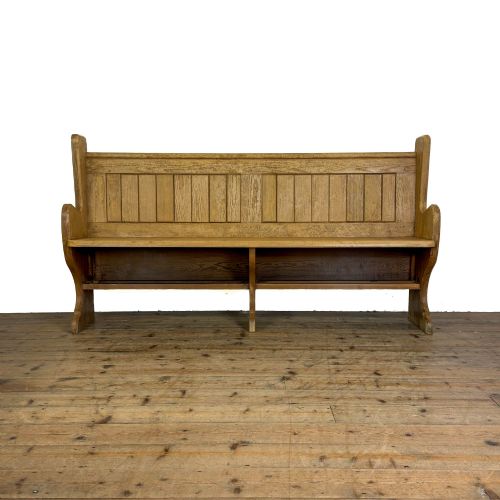
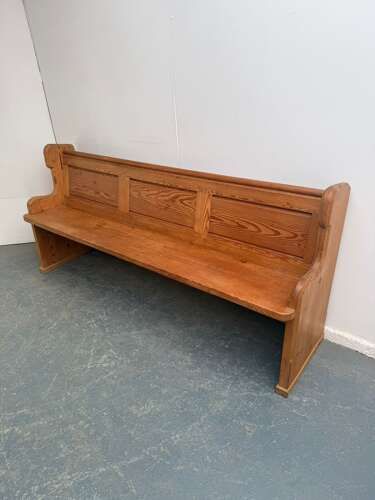
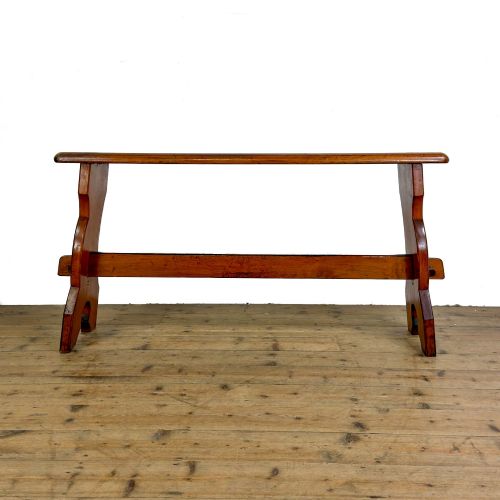
The most common examples on this page are church pews and Hungarian box settles seating three or four people. Buyers also frequently encounter tall bar stools, clerks' stools, and hallway benches spanning various lengths.
Originating largely from domestic vernacular traditions and ecclesiastical contexts, these pieces range from simple waxed surfaces to brightly painted finishes. Their practical designs make them adaptable for modern hallways, kitchens, and dining spaces.
Materials and construction
Construction relies heavily on solid pine and denser pitch pine, often paired with elm, beech, or cast iron for structural strength. Joinery methods prioritise durability, utilising robust fixings and solid boards suited to institutional and domestic use.
Many surviving pieces retain their original painted finishes in blue, grey, green, cream, or black, while others display waxed surfaces that highlight the grain of the wood. Specialised forms like flip-over chapel benches and tram seating incorporate functional mechanical elements.
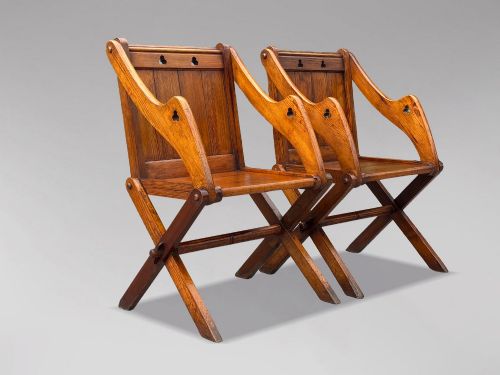
Vernacular methods vary from simple country stools with ball feet to Gothic revival hall chairs with carved detailing. The integration of storage boxes within settles demonstrates a practical approach to interior furnishing.
Watch for tram and trolley bus reversible benches, built so passengers could change their viewing direction mid-journey.
What separates examples
Quality in Victorian pine seating rests upon the integrity of the original timber and the survival of early or original painted surfaces. Pieces retaining genuine old paintwork in colours such as blue or grey hold distinct character compared to later stripped examples.
Proportion and scale dictate the desirability of benches and settles, with longer church pews and well-proportioned three-seater box settles showing superior presence. Finer craftsmanship appears in pieces featuring vernacular details like comb backs or gothic paneling rather than purely utilitarian construction.
The Victorian Pine Seating Glossary
- Box settle
- A high-backed wooden bench featuring a storage compartment beneath the seat. This form kept draughts at bay in domestic interiors.
- Pitch pine
- A resinous pine variety known for its dense grain and durability. It was frequently utilised in institutional and ecclesiastical furniture.
- Church pew
- A long wooden bench designed for communal seating in places of worship. Many surviving examples have been adapted for domestic hallways and dining tables.
- Vernacular furniture
- Domestic objects made by local craftsmen using regional traditions and readily available materials. These pieces prioritise function over formal stylistic rules.
- Comb back
- A Windsor chair variation where spindles extend through the seat and pierce a top rail resembling a comb. This construction offers robust support.
Victorian Pine Seating: Frequently Asked Questions
How do I clean waxed pine benches?
Dust surfaces regularly with a dry cloth and apply a traditional beeswax balm occasionally to nourish the timber. Avoid using water or chemical sprays that can strip the natural wax finish.
Allow any spills to dry before gently buffing them out with a soft cloth. Maintaining the wax preserves the historic patina developed over the nineteenth century.
Can I use church pews outdoors?
Victorian pine seating was constructed for indoor church, school, or domestic environments and lacks resistance to continuous damp weather. Exposing untreated or waxed pine to rain will cause the wood to warp and rot.
Keep these items within interior spaces or protected porches to protect the historical timber and joints. Proper indoor humidity prevents the pine from splitting over time.
What is a box settle used for?
A box settle combines a high-backed seat with an integrated storage chest accessed by lifting the lid. Historically, this design provided seating by the fire while keeping household blankets or provisions stored safely inside.
Today, they serve well in hallways for boots and shoes or in kitchens for general storage. The high back also acts as a practical draught barrier in open spaces.
How do I date Victorian pine seating?
Dating relies on examining construction marks, tool use, and stylistic cues such as Gothic revival panelling or vernacular turning. Nineteenth-century pieces often display hand-sawn timber marks and traditional joinery rather than modern machine fixings.
Comparing forms with documented examples from the era helps narrow down the decade of manufacture. Original paint layers and patination also provide reliable indicators of age.