
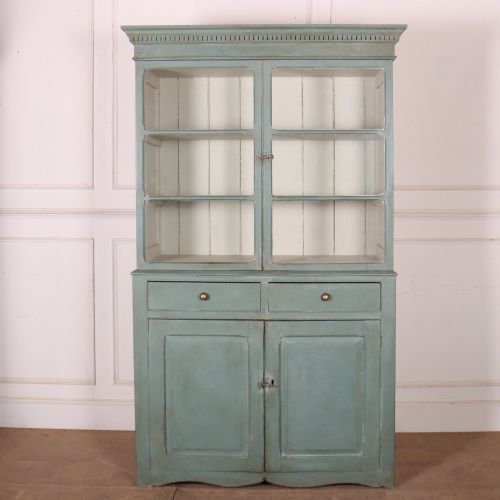
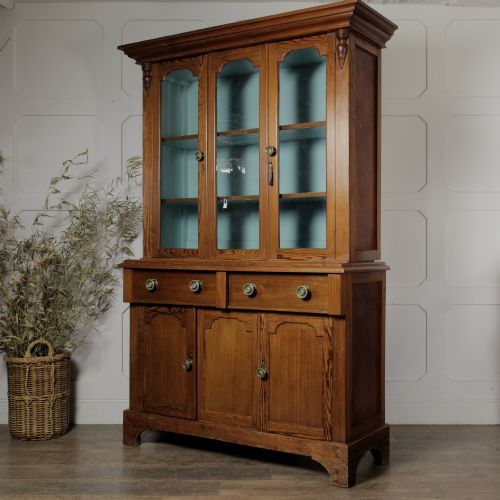

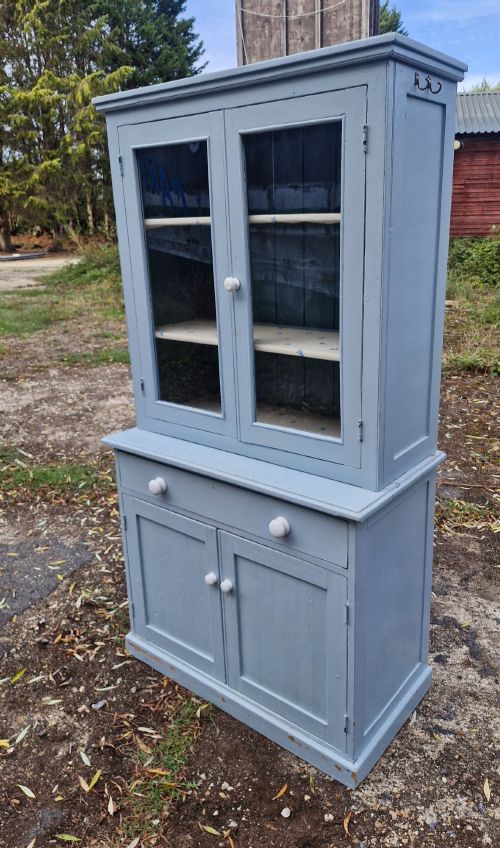
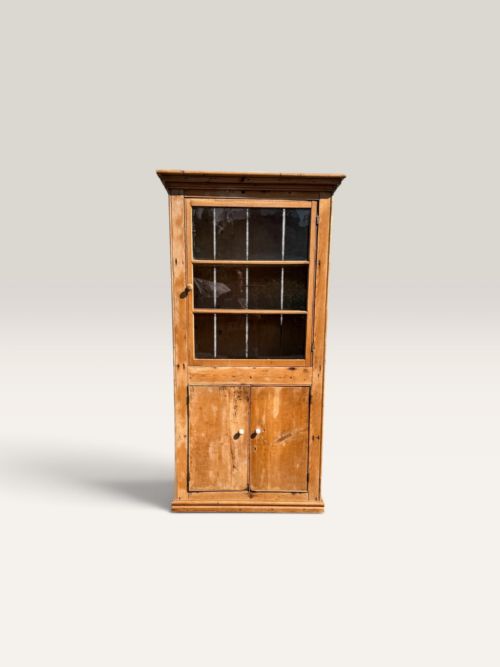
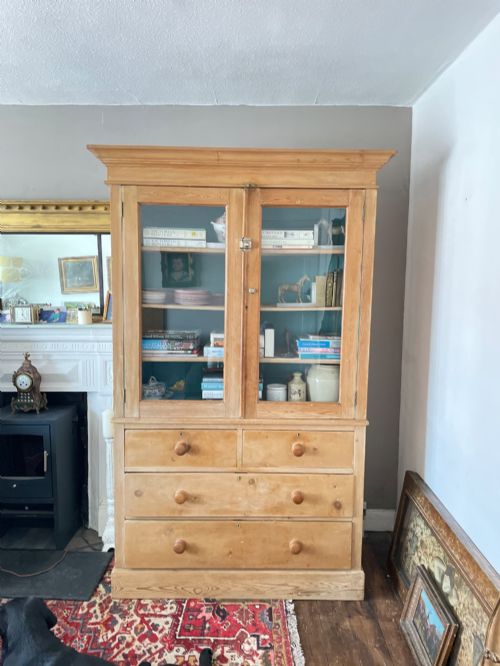

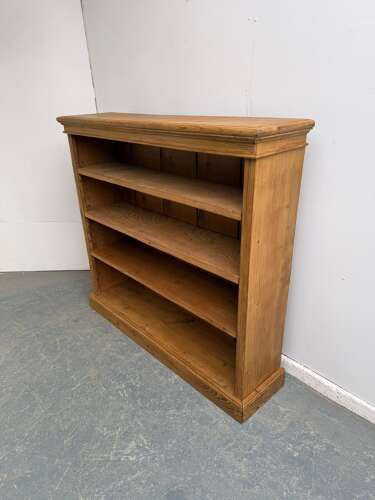
Victorian Pine Display Bookcase
A victorian pine display bookcase brings practical storage and honest country character to a room through glazed doors and sturdy timber.
Victorian Pine Display Bookcase
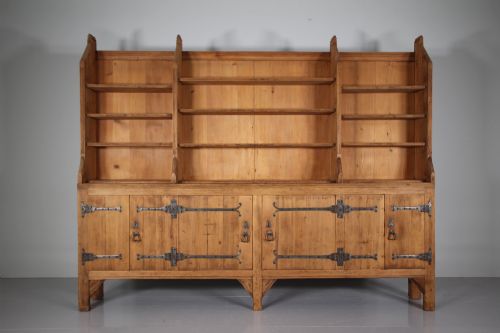
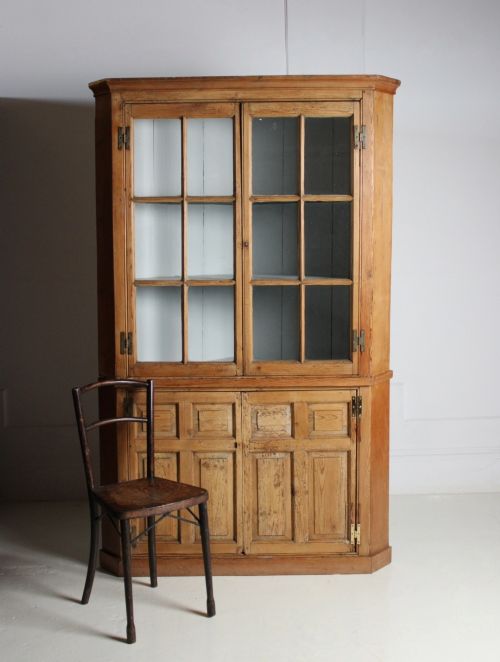
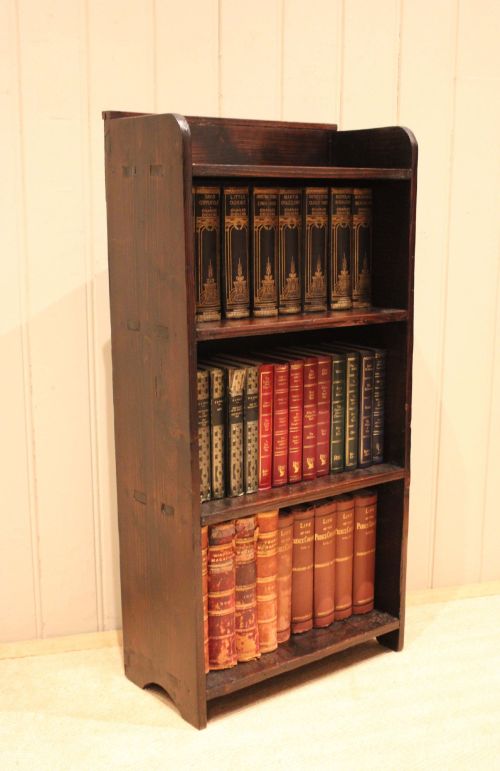
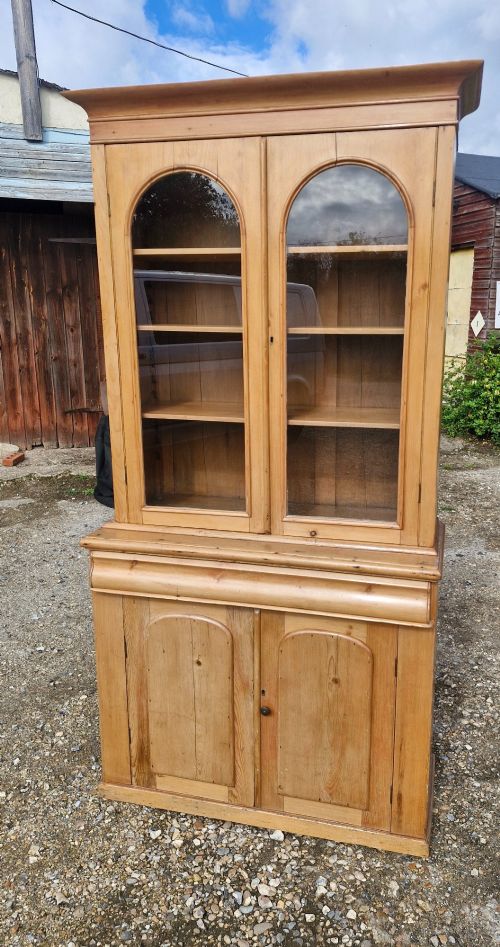
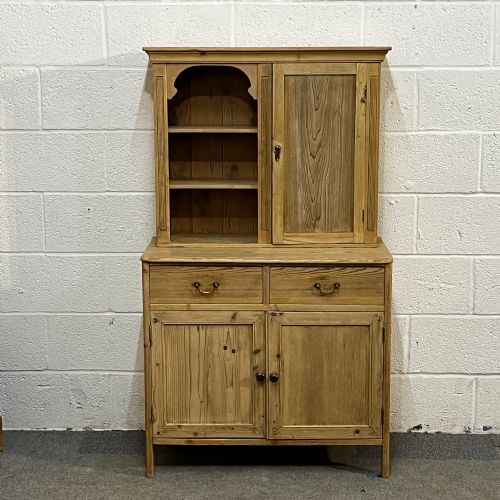
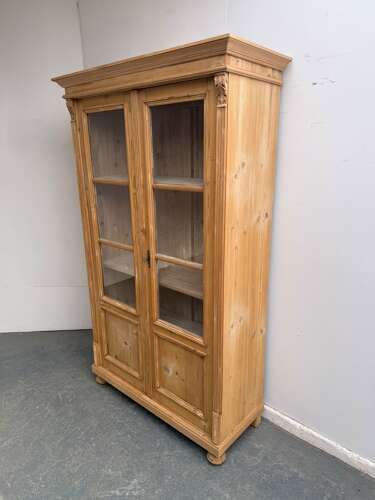
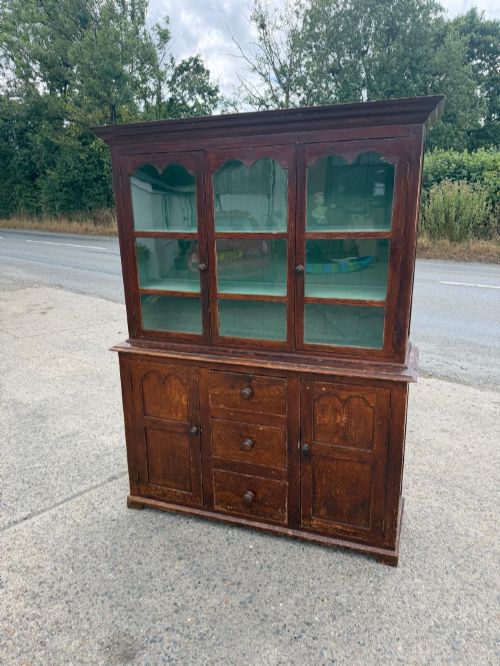
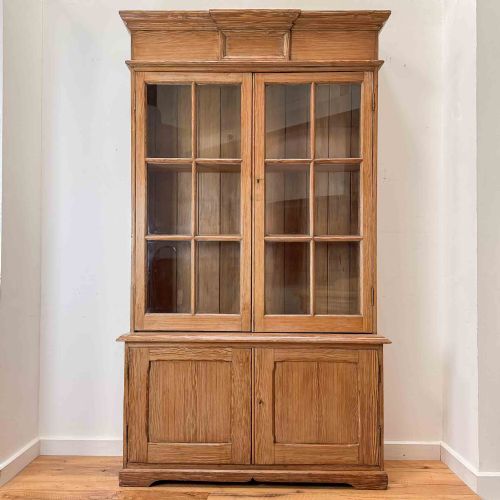
A victorian pine display bookcase combines utilitarian storage with glazed shelving designed to keep books and household goods visible yet protected. The pieces found here span kitchen dressers, two-part cabinets, and upright shelving units originating from various regional traditions.
Most examples date from the nineteenth century, utilising native softwood timbers shaped for domestic use in country houses and farmhouses. Buyers encounter both stripped natural wood finishes and older painted surfaces that show decades of gentle domestic wear.
Materials and construction methods
Makers relied primarily on yellow pine, deal, and dense pitch pine for structural stability and shelving. These softwoods were often joined using traditional pegged mortise and tenon joints, finished with brass or iron hardware on doors and cupboards.
Glazing typically involves timber frame doors fitted with old window glass held by putty. Surfaces received protective coatings of wax or layers of paint that builders renewed over generations of use.
Listings feature items from the nineteenth and early twentieth centuries, constructed from pine, pitch pine, glass, and brass.
Judging build quality and proportion
Quality rests in the balance of proportions and the structural integrity of the timber frame. Better pieces maintain straight doors that close flush and shelves that bear weight without sagging significantly.
The treatment of the wood surface dictates visual appeal, separating honest original patinas from overly harsh chemical stripping. Fine examples retain original backboards, brass escutcheons, and uncompromised joinery.
The Victorian Pine Display Bookcase Glossary
- Deal
- A generic historical term for softwood timber sawn from fir or pine. It served as the primary material for ordinary domestic cabinetry.
- Escutcheon
- A protective plate surrounding a keyhole. It is commonly cast from brass or iron on cupboard doors.
- Glazed
- Fitted with glass panes in doors or panels. This allows contents to be viewed while protected from dust.
Victorian Pine Display Bookcase: Frequently Asked Questions
How do I clean a waxed pine bookcase?
Dust the timber regularly with a soft, dry cloth to prevent grit accumulation on the finish. Apply a quality beeswax sparingly once or twice a year to nourish the softwood and maintain a soft sheen.
Avoid using silicone-based sprays or harsh chemical cleaners that can soften historical wax and damage the underlying pine surface.
Are the shelves usually adjustable?
Many nineteenth-century pieces feature fixed shelves supported by wooden cleats or fixed dado housing joints. Some specialised variants include adjustable shelving systems utilising wooden tooth racks or metal pins.
Check individual descriptions to confirm whether shelf heights can be altered to accommodate taller volumes.
How do I distinguish pitch pine from standard pine?
Pitch pine displays a much heavier, more pronounced grain with dark resin streaks throughout the timber. It feels noticeably heavier and denser than ordinary yellow pine or deal.
Standard pine shows a paler, quieter grain pattern with fewer natural resin deposits across the boards.
Can these cabinets support heavy book collections?
The thick softwood boards generally support substantial loads of books without structural failure. However, longer shelves may develop a slight bow over decades if loaded unevenly.
Distributing heavier volumes across lower shelves helps preserve the integrity of older timber.