
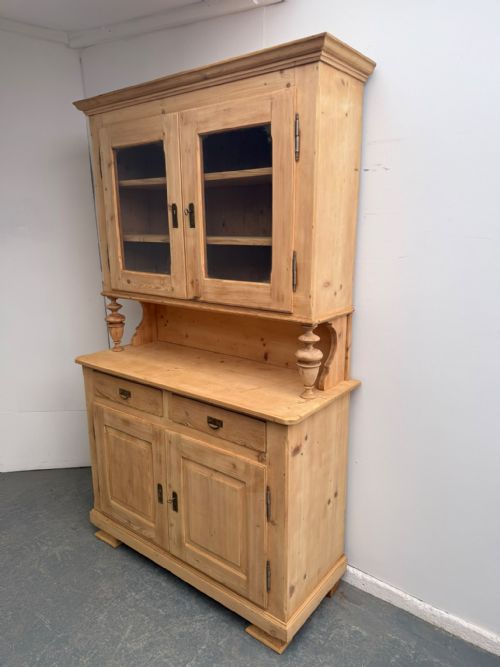
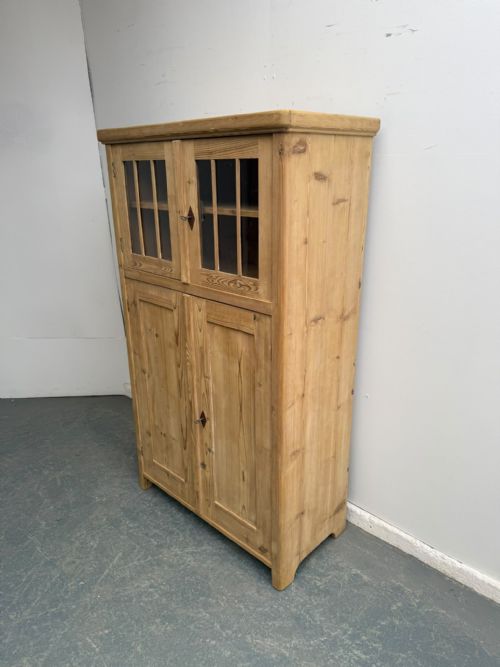
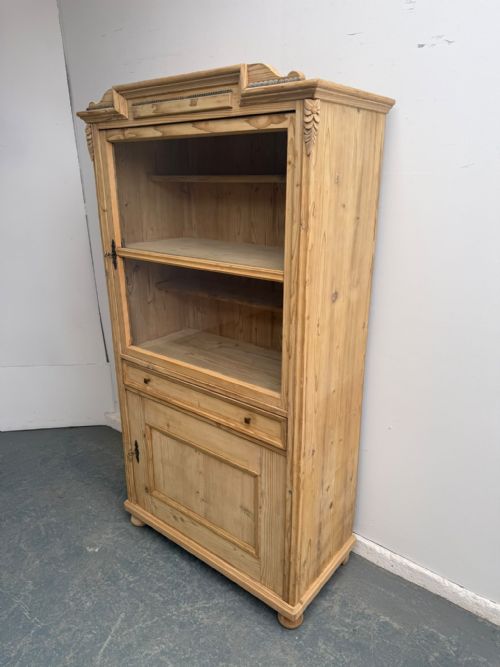
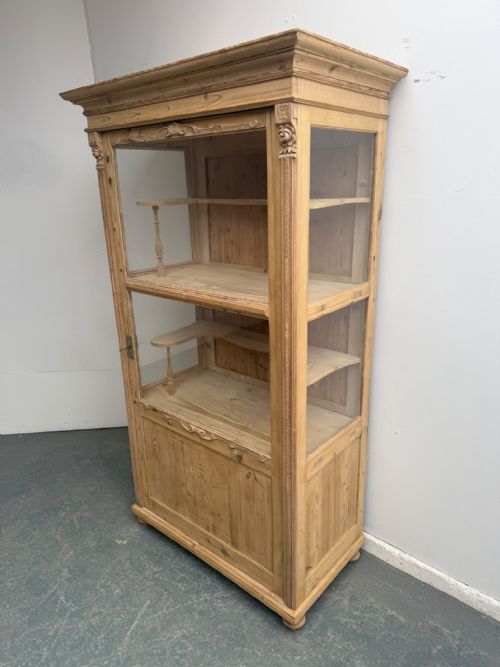
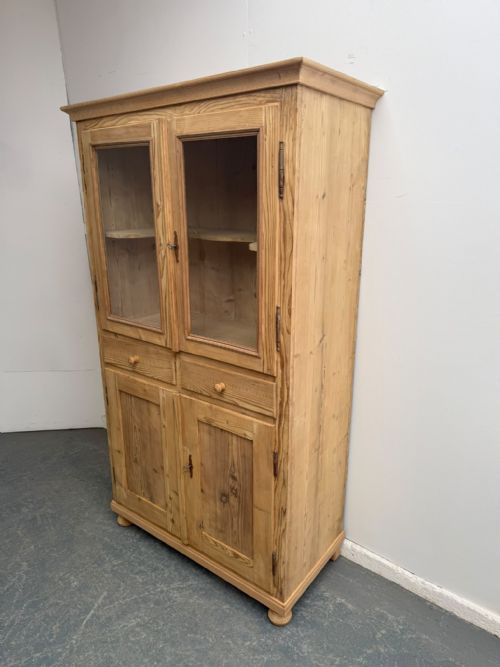
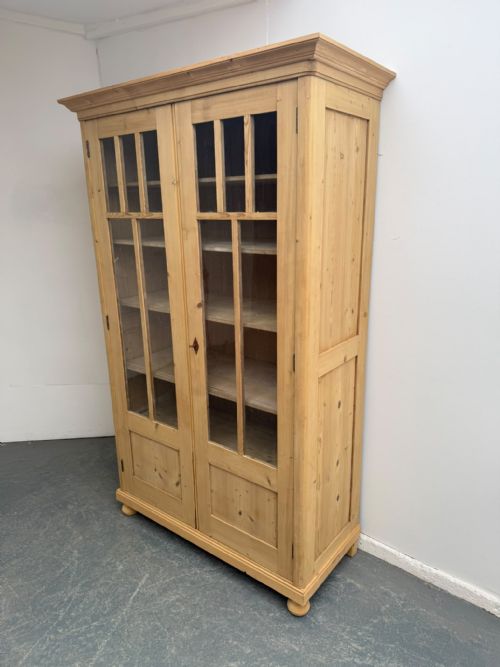
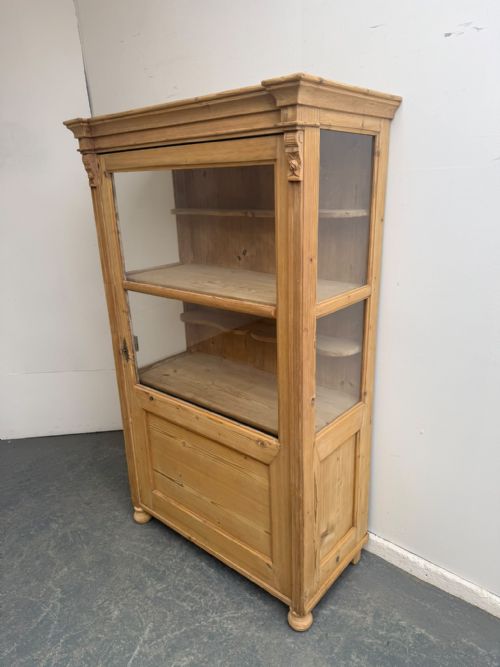
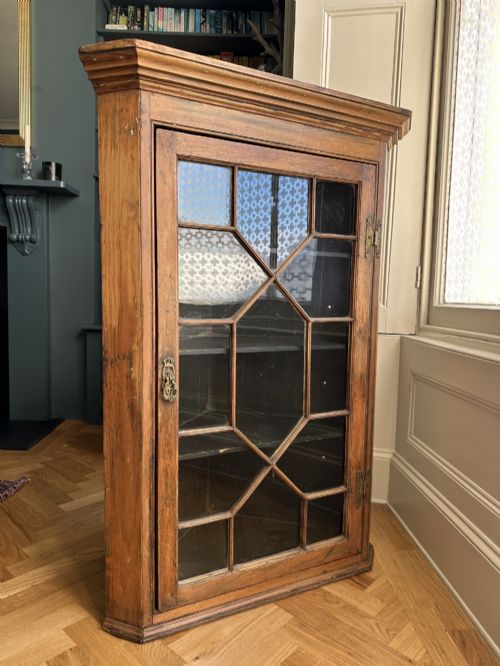


Stripped Pine Display Cupboard
A stripped pine display cupboard offers practical storage and timeless charm, making it a sought-after addition to country kitchens and living spaces.
Stripped Pine Display Cupboard
When you search for a stripped pine display cupboard, you encounter functional storage furniture designed to showcase ceramics, glassware, or books behind glazed doors. These pieces serve as practical focal points in domestic settings, offering visible shelving alongside enclosed storage.
The versions you are most likely to meet on this page hail primarily from the Victorian period, including the nineteenth century and specific dates such as 1850 and 1910. These items appear in various regional forms, notably English West Country styles and French country pieces.
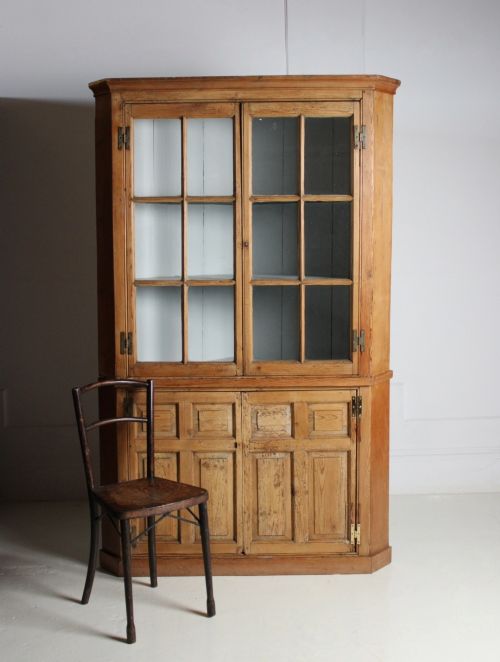
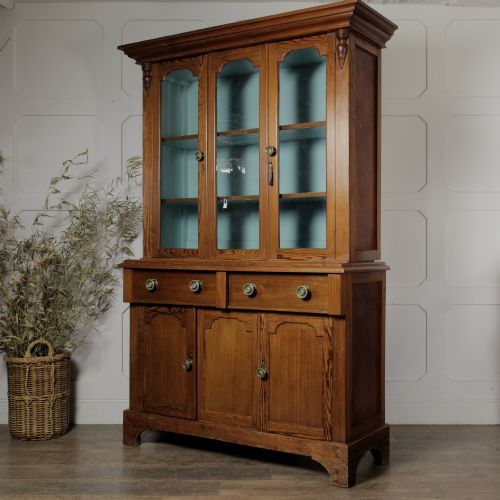
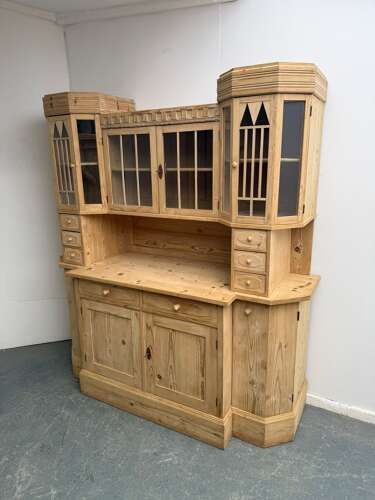
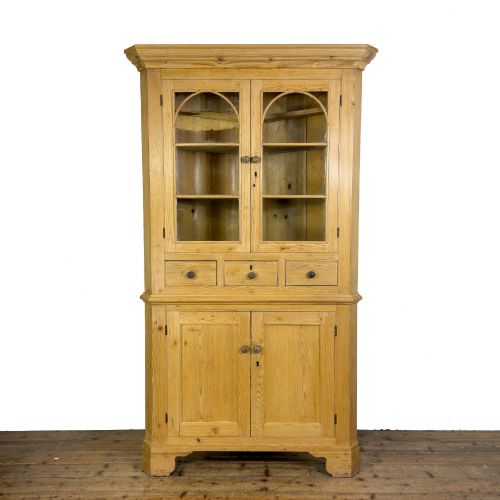
Forms range from tall four-door glazed storage cabinets and flat display cabinets to corner cabinets and two-piece kitchen dressers. Many of these items feature stripped finishes that expose the natural grain of the timber, alongside details like original painted interiors.
Materials and construction methods
Makers utilised solid pine and pitch pine for the primary carcass and shelving, building robust structures capable of supporting heavy domestic wares. These timbers were selected for their workability and strength, often finished with a stripped surface that reveals the natural character of the wood.
Glass panels were integrated into door frames to create the glazed display sections, held in place with traditional glazing bars. Iron and brass hardware, such as hinges and latches, secure the doors, while occasional ceramic elements appear in the fittings of specific pieces.
Listings feature items spanning the Victorian era, the nineteenth century, and specific years including 1850 and 1910, constructed from pine, pitch pine, glass, brass, iron, and ceramic.
Factors that define quality
Quality in these pieces is dictated by the proportion of the cabinetry and the integrity of the timber used throughout the construction. Superior examples display balanced joinery, well-fitted glazed doors, and pitch pine variations that offer greater density and richer grain patterns.
The Stripped Pine Display Cupboard Glossary
- Pine
- A softwood commonly used in British and continental furniture making, valued for its accessibility and ability to take wax or paint finishes.
- Pitch pine
- A denser, more resinous variety of pine timber often found in later nineteenth-century pieces, noted for its prominent grain pattern.
- Glazed cupboard
- A storage piece featuring glass-fronted doors designed for the display of tableware or decorative objects.
- Kitchen dresser
- A large two-part piece of furniture combining lower cupboards or drawers with upper display shelving or cabinets.
- Corner cabinet
- A specialist storage form built with an angled footprint to fit neatly into the corner of a room.
Stripped Pine Display Cupboard: Frequently Asked Questions
What is a stripped pine display cupboard?
A stripped pine display cupboard is a wooden storage unit featuring glass doors, finished to reveal the natural grain of the timber. These pieces range from corner cabinets to large multi-door storage units.
They were traditionally used in kitchens and living areas to store and display household items such as ceramics and glassware.
How do I date a pine display cabinet?
Dating involves examining the construction methods, hardware, and stylistic indicators such as Victorian proportions or Arts and Crafts influences. Many examples seen here date from the nineteenth century up to 1910.
Material choices, such as the use of pitch pine rather than standard softwood, can also provide clues to the manufacturing period.
Where were these cupboards used?
These cabinets were primarily utilised in domestic spaces like kitchens, dining rooms, and hallways for practical storage and display.
Corner variants were specifically designed to maximise space in smaller rooms by utilising unused wall angles.
How do I care for stripped pine furniture?
Stripped pine benefits from regular dusting with a dry cloth and occasional application of appropriate wax to nourish the exposed timber. Avoid placing these pieces in direct sunlight or near heat sources to prevent the wood from drying out.
Care should also be taken to clean the glass panels gently without getting moisture onto the surrounding wooden frame.