



Victorian Glass Standing Cabinet
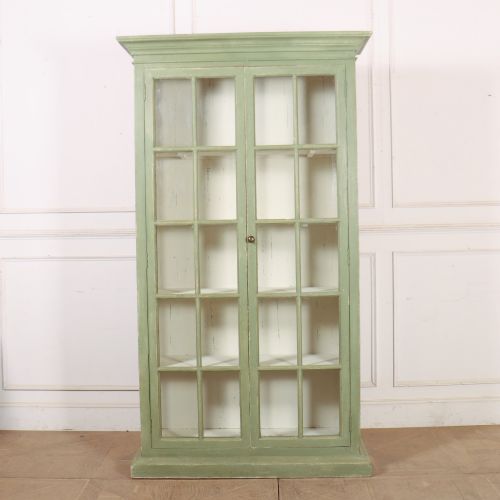
When you want a victorian glass standing cabinet, you are looking for a glazed display piece in mahogany, walnut, or pine that showcases collections.
Victorian Glass Standing Cabinet
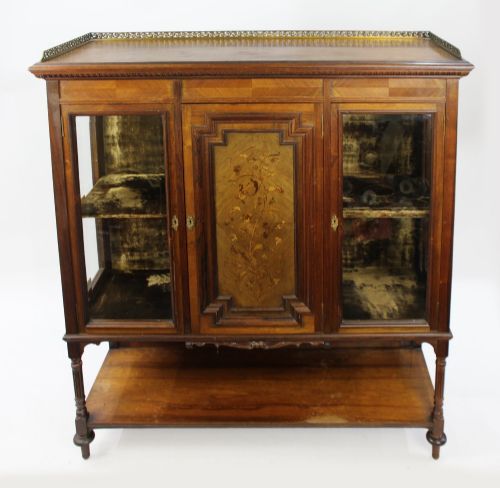
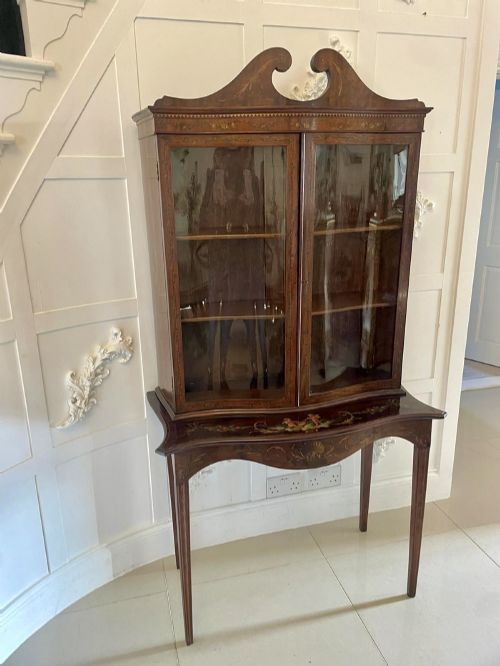
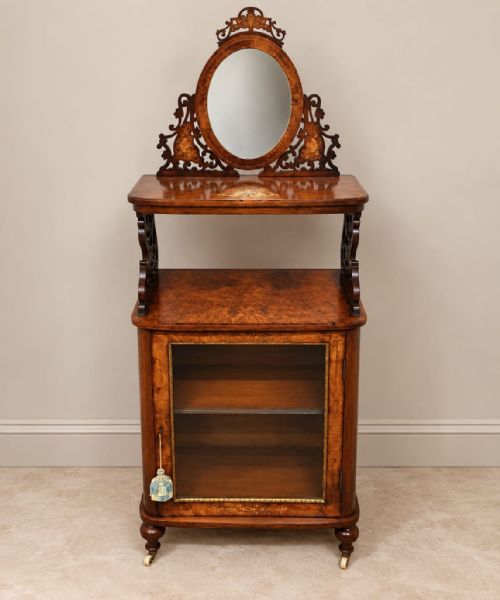
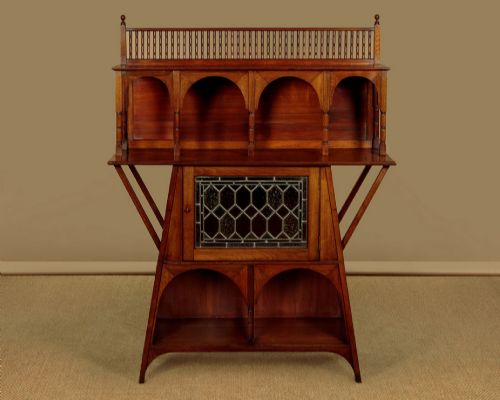
A victorian glass standing cabinet takes the form of upright display furniture, bookcases, or music cabinets designed to hold precious objects and books behind glazed doors. These pieces arrive from the nineteenth century, spanning periods from the 1850s through to Edwardian years, with mahogany and burr walnut frequently shaping the silhouette.
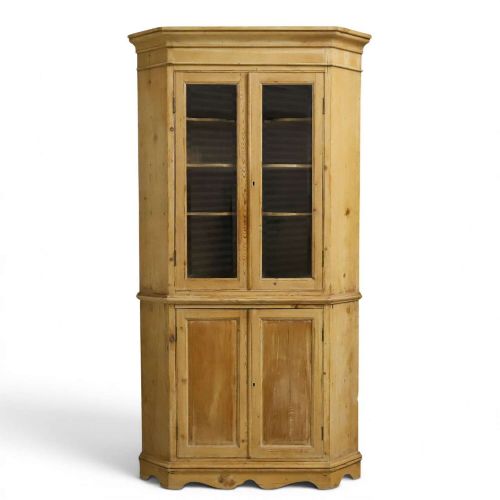
The selections here range from corner cupboards and serpentine front display furniture to tall breakfront bookcases and compact music cabinets on stands. Most examples rely on clear glass panes held within wooden frames to protect contents while keeping them visible from the room.
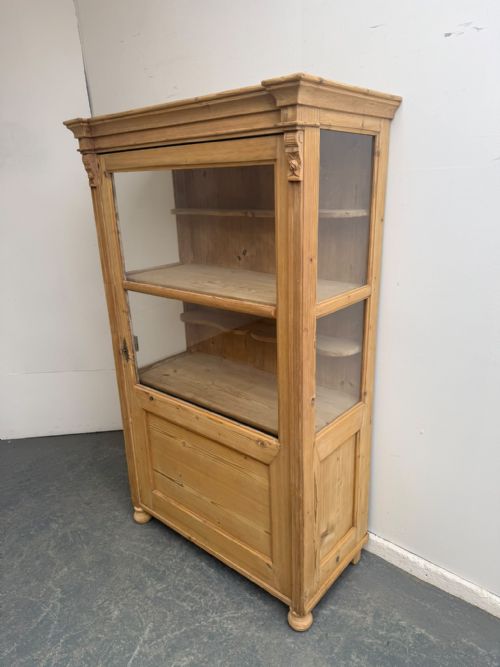
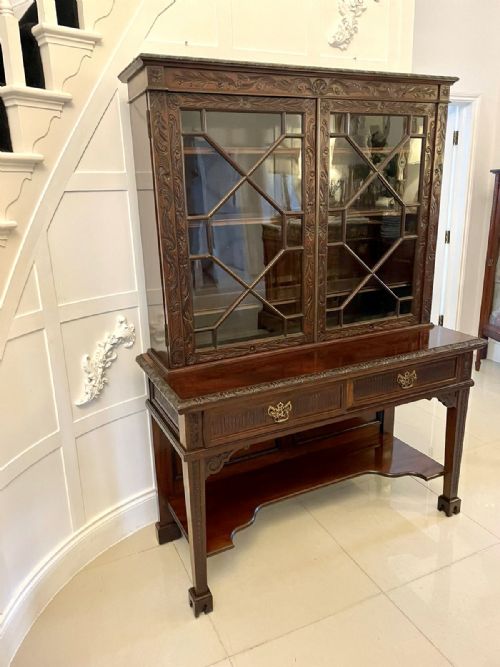
Makers and workshops of the period utilised styles running from Sheraton and Chippendale revivals to Gothic and Chinoiserie interpretations. Pine versions offer simpler country vernacular forms, whereas walnut and mahogany pieces display sophisticated marquetry and inlay work.
How they were made
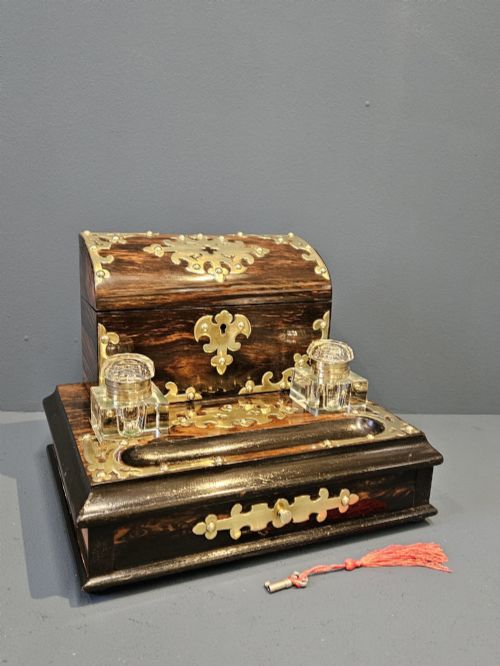
Cabinet makers constructed carcasses using solid timbers like oak and pine for internal framework, while facing visible exterior surfaces in decorative veneers of mahogany, burr walnut, satinwood, and coromandel.
Glazing techniques required timber frames or astragals to hold glass panes securely in place on doors, complemented by brass hinges, locks, and mounts.
Surface decoration involved intricate marquetry, painted details, and carved wood elements executed by hand within workshops in London and regional centres.
Some nineteenth-century cabinets hide crystal decanters beneath locked metal bars, ensuring guests admired the port without sneaking a glass.
What varies in quality
Quality rests upon the selection of timber figures, where richly grained burr walnut or figured mahogany veneers elevate the visual weight of a piece above standard plain timbers.
The refinement of hand-carved details, precision of marquetry inlay, and the integration of original brass hardware distinguish workshop pieces from mass production.
Structural integrity depends on the original joinery surviving intact, particularly where slender display stands, glazed doors, and delicate corner shelves meet upright supports.
James Winter and Sons·Edwards and Roberts·Lambs of Manchester·C Hindley and Sons·Gabriel Viardot·Liberty and Co
The Victorian Glass Standing Cabinet Glossary
- Astragal
- The narrow wooden moulding that divides glass panes within a door frame. These strips provide structural support while creating geometric patterns across the view.
- Breakfront
- A cabinet design where the central section projects forward from the flanking wings. This architectural arrangement adds depth and shadow to large bookcases.
- Marquetry
- Inlaid decorative patterns formed by fitted pieces of various coloured woods and veneers. Artisans assemble these floral or geometric designs into the cabinet surfaces.
- Tantalus
- A locking wooden frame holding decanters with the stoppers trapped beneath a metal bar. This clever device prevented unauthorised access to spirits while displaying the crystal.
- Serpentine
- A curved front outline that undulates outward in the centre and recedes toward the sides. Cabinet makers used this flowing shape to soften rigid geometric forms.
Victorian Glass Standing Cabinet: Frequently Asked Questions
What fits inside a standing cabinet?
These upright pieces accommodate collections of ceramics, glassware, books, and bound volumes behind their protective glass doors. Shelves divide the interior space to organise smaller decorative objects.
Larger breakfront examples and corner cupboards provide deeper proportions for display, whereas music cabinets and stationary stands organise specific flat items and small accessories.
How do I distinguish walnut from mahogany?
Walnut displays a rich brown tone marked by swirling grain patterns and complex burr figures that catch the light. It appears frequently on Victorian side and music cabinets.
Mahogany runs from deep reddish-brown to dark brown hues with a straight, tight grain structure. Cabinet makers favoured it for large bookcases and serpentine display furniture.
Where should I place a glass cabinet?
Position these upright pieces against interior walls away from direct sunlight to protect antique wood finishes and interior contents from fading. Ensure the floor is level so doors hang true on their hinges.
Standing cabinets work effectively in living spaces, studies, and dining rooms where glazed doors keep dust away from delicate collections while maintaining visibility.
How do I care for nineteenth-century wood?
Maintain stable indoor humidity levels to prevent timber from drying out, shrinking, or causing decorative veneers to lift from their carcasses. Avoid placing furniture near active heat sources.
Dust surfaces regularly with a soft, dry cloth and apply occasional specialist wax polish sparingly to nourish the antique timber grain without building up heavy residues.