




Victorian Pin Tray
A victorian pin tray is a small desk or dressing table dish made to hold pins, jewellery, and small keepsakes.
Victorian Pin Tray
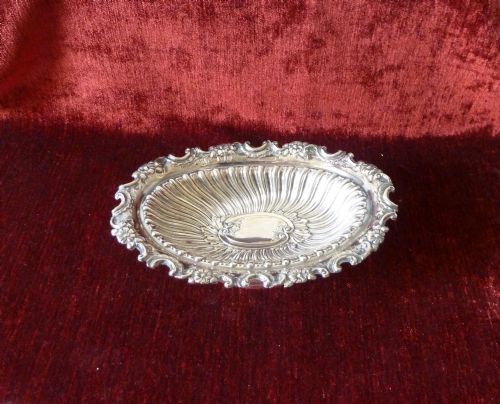
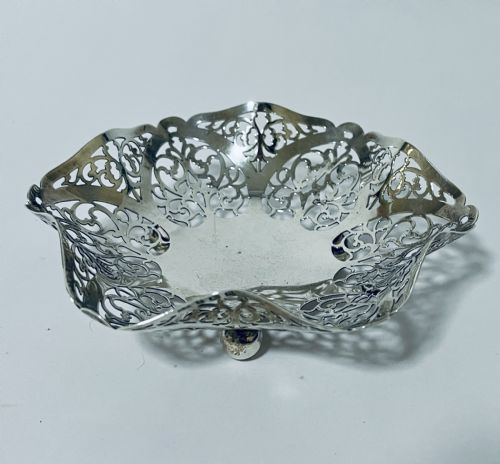
A victorian pin tray is typically encountered as a small decorative dish, trinket dish, or shallow bowl designed for dressing tables and desks.
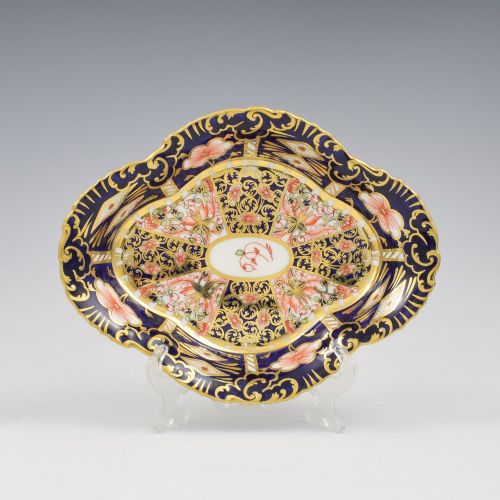
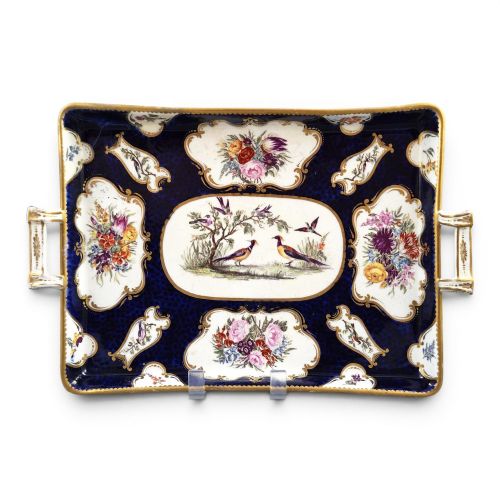
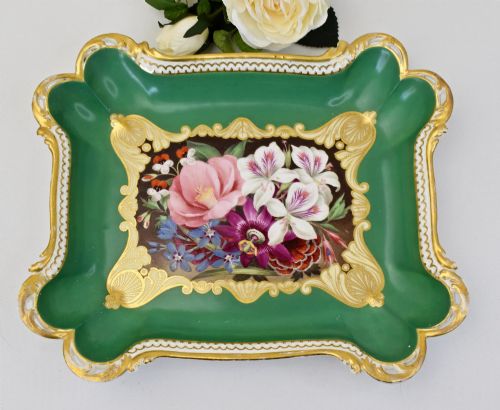
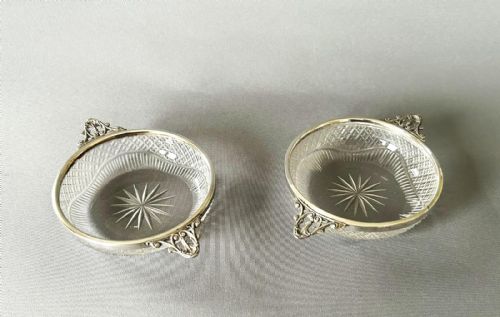
The pieces seen here range from small silver and silver-plated receptacles to porcelain dishes, papier-mâché, and glass.
Makers produced these items in various shapes, including rectangular trays, heart shapes, leaf forms, and scallop shells.
Materials and Technique
Metals such as sterling silver and silver plate predominate, often shaped by casting, embossing, or piercing to create intricate rims and figural scenes.
Ceramic examples utilise porcelain bodies decorated with hand-painted floral sprays, exotic birds, and gilt edges.
Alternative materials include papier-mâché, carved horn with silver mounts, opaline glass, and wooden tunbridge ware.
Several trays feature curious motifs, including a horseshoe, cherubs, and Sir Walter Raleigh.
Judging Quality
Quality rests upon the crispness of the casting or the detail of the hand-painting, where sharper repoussé work and finer brushstrokes separate superior examples.
The reputation of the maker or factory, alongside clear hallmarks indicating specific assay offices and dates, elevates an item's standing.
William Comyns·James Hennell·Mappin & Webb·A J Zimmerman·William Padley·Doe & Rogers·Helena Wolfsohn
The Victorian Pin Tray Glossary
- Sterling silver
- A silver alloy containing 92.5 percent pure silver by mass, standard for quality British tableware and desk accessories.
- Hallmark
- An official stamp applied by an assay office indicating metal purity, the maker's mark, and the year of production.
- Repoussé
- A metalworking technique where a design is hammered into relief from the reverse side.
- Papier-mâché
- A composite material consisting of paper pieces or pulp bound with glue, often lacquered and painted.
- Blush ivory
- A porcelain body with a soft, cream-coloured glaze that imitates ivory, popular in late-nineteenth-century ceramics.
Victorian Pin Tray: Frequently Asked Questions
What is a victorian pin tray used for?
These small dishes were placed on dressing tables, halls, and desks to collect pins, rings, and small pocket items.
They kept loose accessories tidy and close to hand during daily dressing routines.
How do I date a silver pin tray?
British silver pieces carry hallmarks that include a date letter, a lion passant indicating sterling standard, and an assay office mark.
Matching the letter against official assay office tables reveals the exact year of manufacture.
Are all pin trays made of silver?
While silver and silver plate are common, the category includes porcelain, brass, bronze, glass, and papier-mâché.
Different materials reflect the varied manufacturing traditions of the nineteenth century.
How should I clean antique silver trays?
Silver trays require gentle cleaning with a soft cloth and a specialised silver polish to preserve the relief work and hallmarks.
Avoid harsh abrasive cleaners that wear down thin plating or fine surface engraving.