
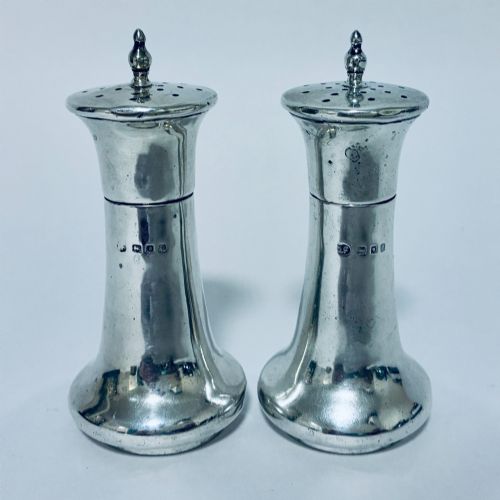
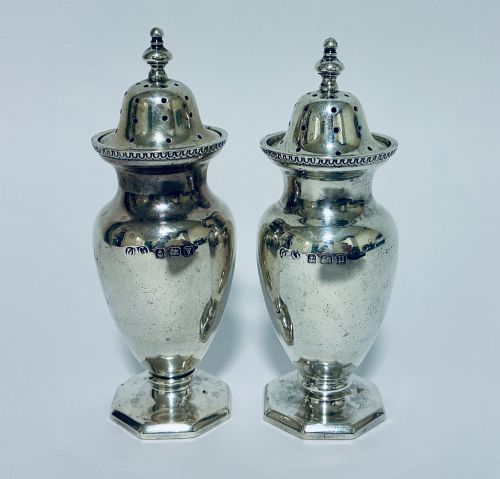
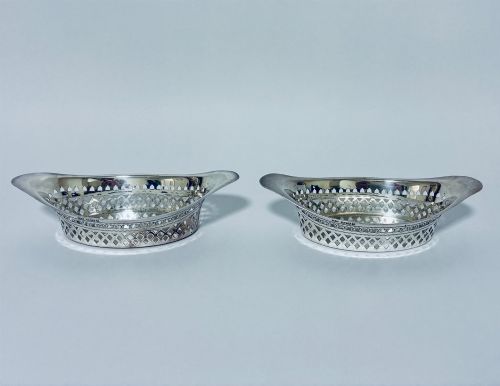
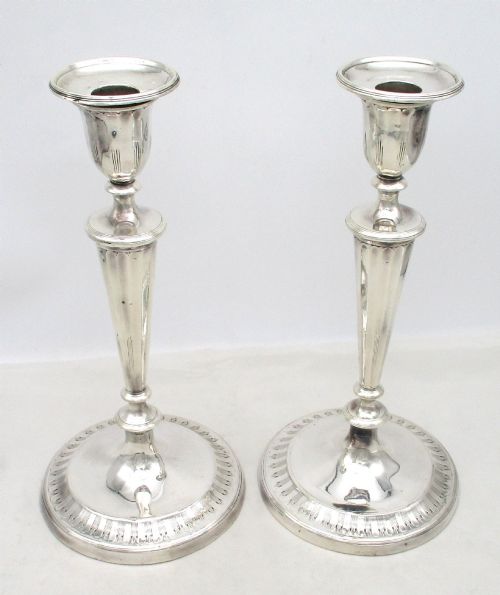
Victorian Silver Pair
When you search for a victorian silver pair, you encounter matching domestic items created during the nineteenth century for dining and display.
Victorian Silver Pair
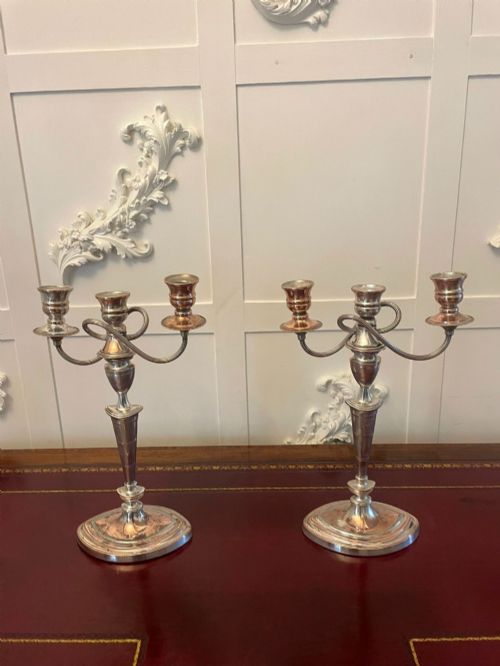
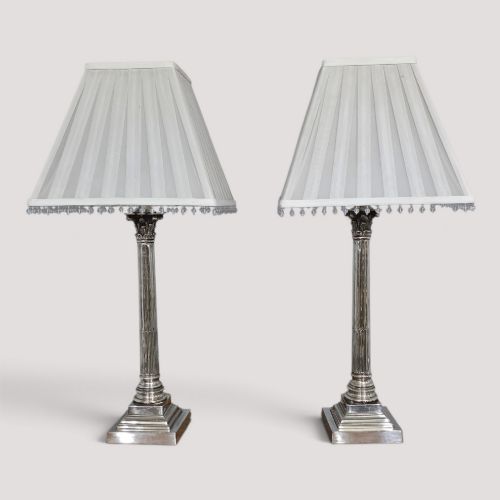
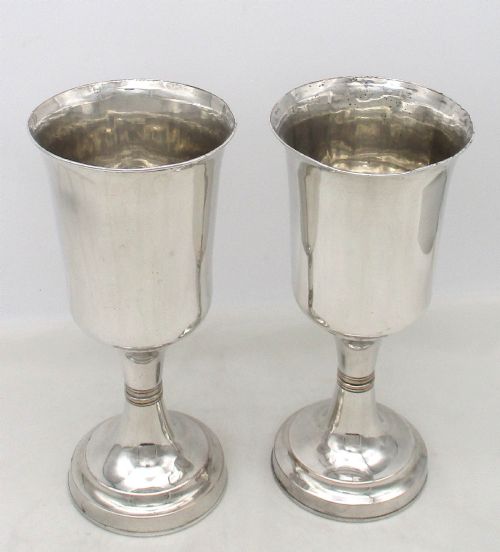
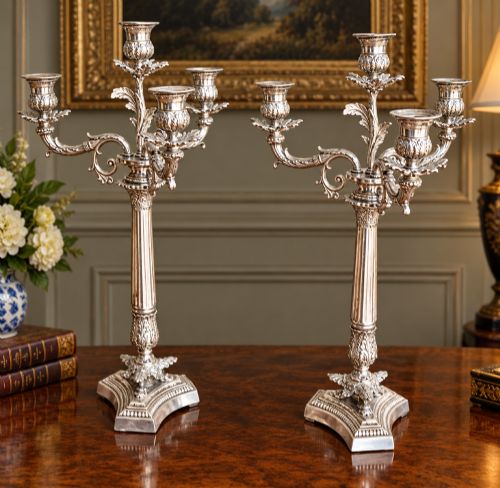
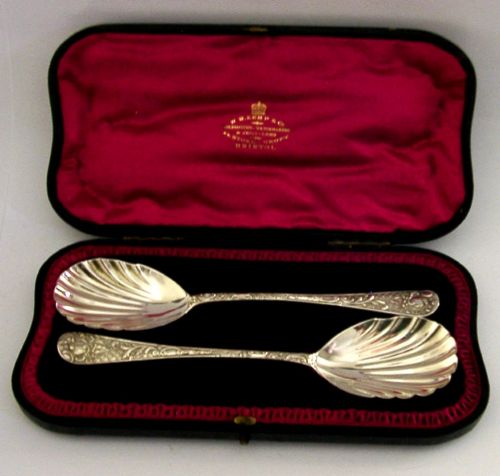
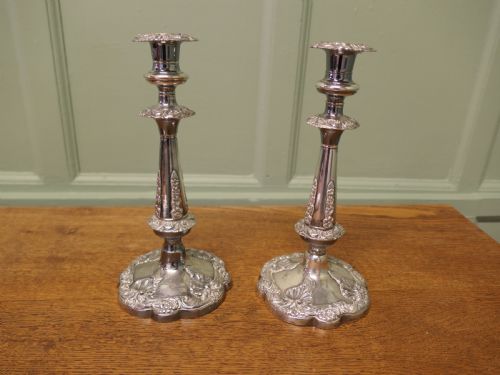
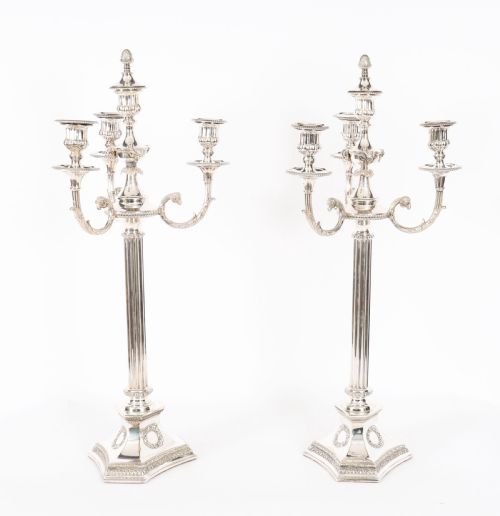
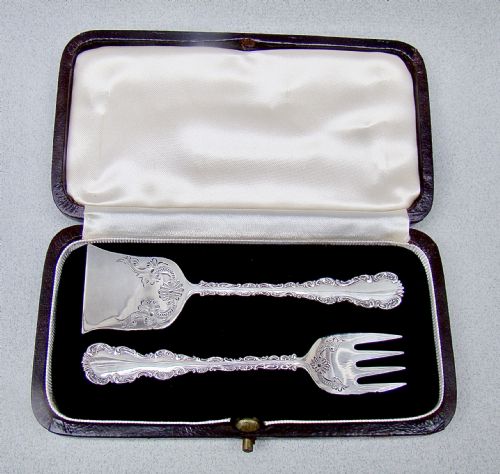
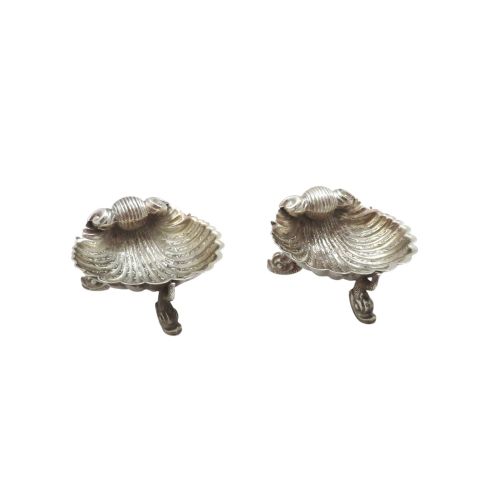
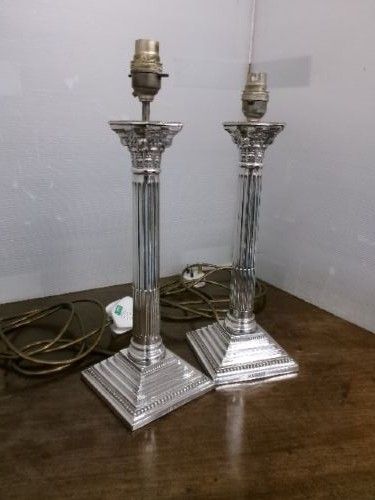
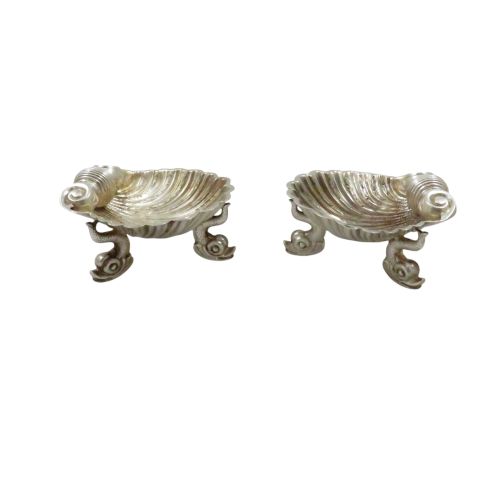
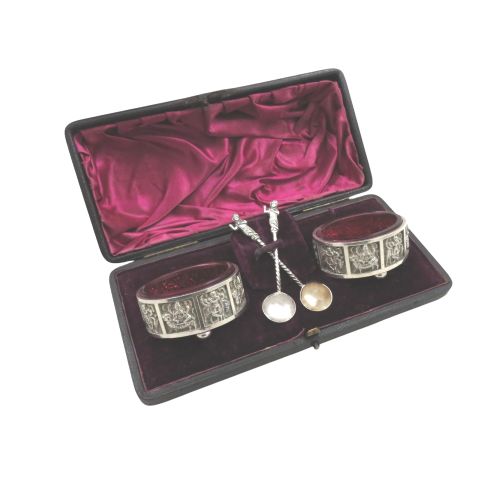
A victorian silver pair comprises matching items designed for domestic use, dining, and display during the nineteenth century. The selection ranges from sterling silver table salts and serving spoons to silver plated candelabras and table lamps.
Candlesticks and salt cellars appear frequently alongside specialised serving pieces like grape shears and knife rests. Sterling silver items often bear hallmarks indicating specific assay offices and years, while silver plated wares utilise base metals coated with precious metal.
Materials and construction
Maker's workshops utilised both solid sterling silver and various plated compositions, including electroplated nickel silver and old Sheffield plate. Items frequently incorporate secondary materials such as cut glass liners, cranberry glass, tortoiseshell, and velvet.
Manufacturing methods combined traditional hand-smithing with nineteenth-century industrial techniques like electroplating and machine stamping. Cast components provided structural weight for candlesticks and figural details, while piercing and engraving created decorative surfaces.
Several items incorporate playful zoological motifs, including dolphin feet, boar heads, and sphinxes.
Distinguishing quality in matched pieces
Quality depends upon the heaviness of the gauge of silver and the crispness of chased or cast ornamentation. Pieces displaying deep relief work and substantial metal thickness represent superior craftsmanship compared to lighter, stamped equivalents.
The degree of matching between the two items determines overall integrity. Superior sets retain identical hallmarks, matching maker marks, and uniform wear patterns that confirm their original pairing.
Henry Wilkinson·Hawksworth Eyre·Garrard and Co·Goldsmiths and Silversmiths Co·Elkington·Roberts and Belks·John Round·Carrington and Co
The Victorian Silver Pair Glossary
- Sterling silver
- A silver alloy containing 92.5 percent pure silver and 7.5 percent other metals, usually copper, by weight. This standard metal content underpins authentic British antique silver items.
- Silver plate
- A base metal object coated with a thin layer of silver through mechanical rolling or electroplating. Electroplated nickel silver served as a common foundation for nineteenth-century tableware.
- Hallmark
- A series of official marks stamped on precious metal items indicating the maker, assay office, purity standard, and date letter. These stamps verify the origin of British pieces.
- Candelabra
- A branched candlestick holding multiple lights on a single base. Victorian examples frequently feature removable branch sections to function as standard candlesticks.
- Salt cellar
- A small open vessel placed on the dining table to hold salt before the invention of modern shakers. They often feature glass liners and delicate pierced silver frames.
Victorian Silver Pair: Frequently Asked Questions
How do I clean antique silver pairs?
Clean sterling silver items gently using a specialised soft cloth and mild silver polish formulated for antiques. Avoid abrasive pastes that remove fine engraving or wear down thin plated surfaces.
Take care around inserted materials such as glass liners, velvet, or tortoiseshell components. Wash these elements separately to prevent moisture damage to organic or glued sections.
Were these pieces always sold together?
Makers produced matching domestic objects as functional pairs for symmetrical table placement and interior decoration. Items such as candlesticks, salt cellars, and serving spoons left the workshop as unified sets.
Matching hallmarks on sterling items confirm simultaneous manufacture by the same silversmith. Plated wares share identical design motifs and base construction.
What is the difference between solid silver and plate?
Solid sterling silver contains a standardised high purity of precious metal throughout the entire object. These pieces display official assay office hallmarks alongside maker marks.
Plated items utilise a base metal core, such as copper or nickel alloy, covered with a protective layer of silver. Over time, heavy use can reveal the underlying base metal.
How are nineteenth century date letters read?
Assay offices stamped a specific sequence of alphabet letters to designate the exact year an item was tested and marked. Each town office utilised its own distinct font style and shield shape for every cycle.
Reference tables match the specific letter stamp and shield outline to determine the year of creation. Combined with maker marks, this system provides precise dating.