


Victorian Pearl Pin
A victorian pearl pin brings together quiet organic lustre and nineteenth-century metalwork, offering wearable history shaped into stars, crescents and delicate floral sprays.
Victorian Pearl Pin
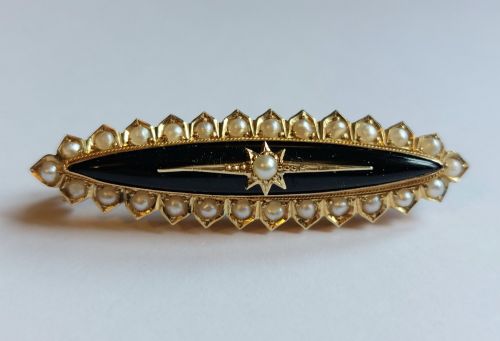
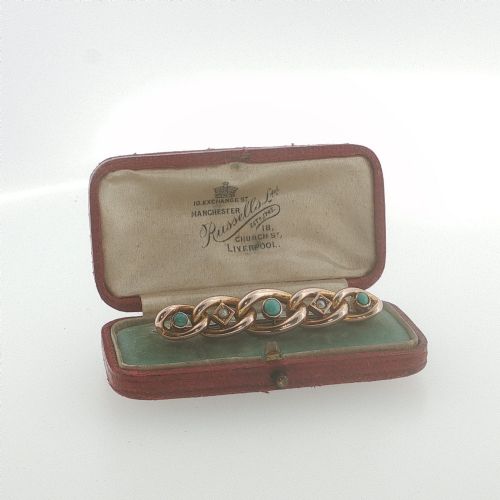
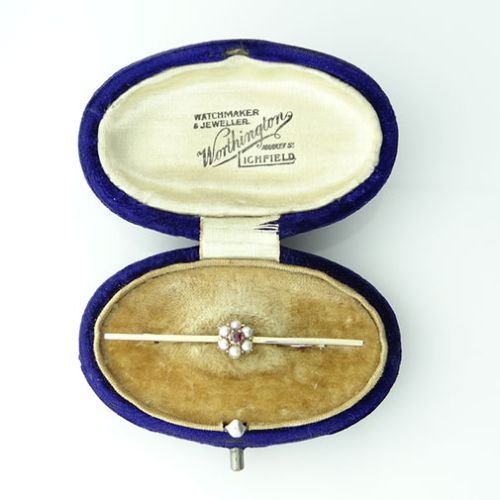
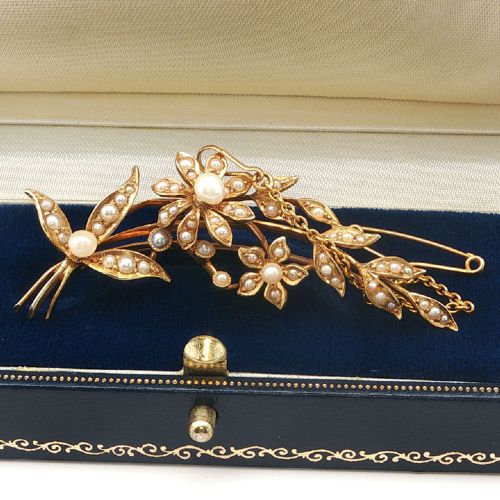
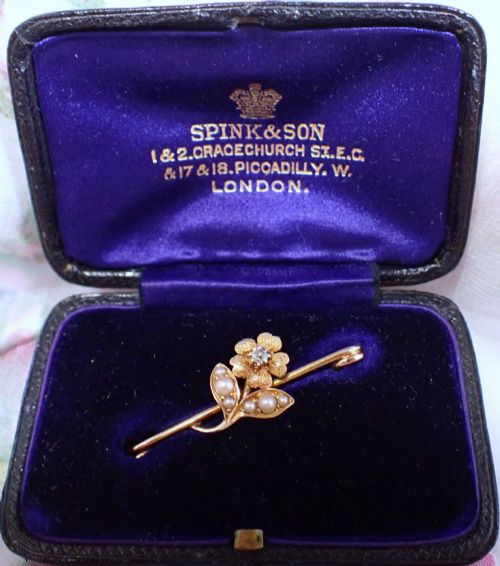
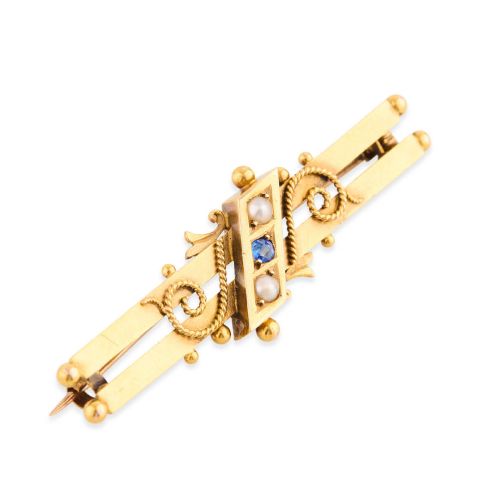
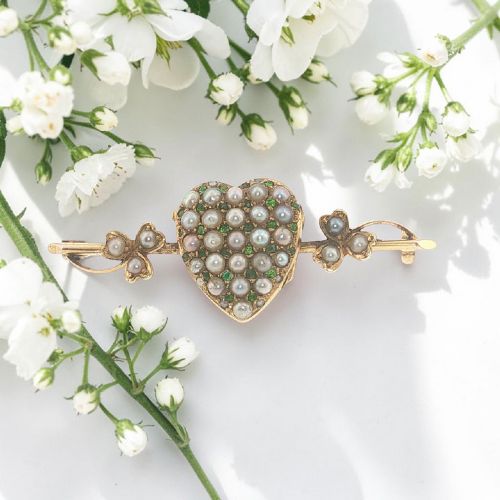
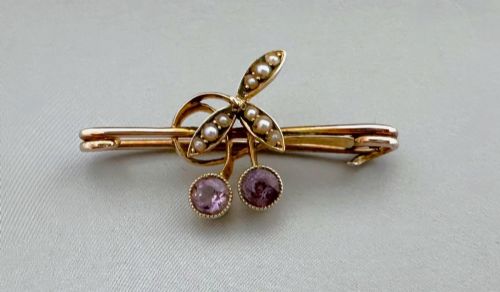
When you search for a victorian pearl pin, you encounter small treasures designed to fasten garments or adorn lapels, most frequently appearing as brooches, bar pins and occasionally stick pins set with seed pearls.
The selections span the later nineteenth century into the Edwardian era, capturing periods of sentimental jewellery where natural pearls were paired with yellow gold, rose gold and silver.
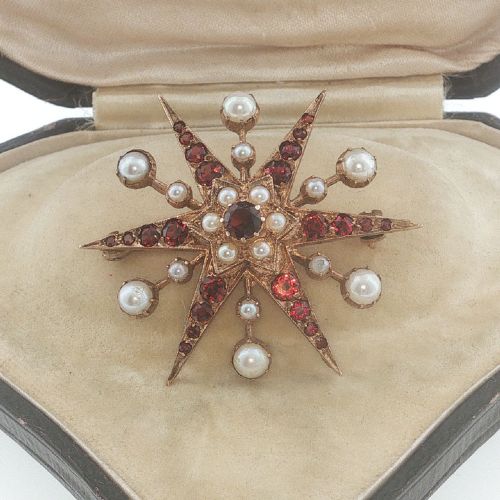
Forms range from simple floral sprays and crescent moons to novelty insects, hearts and geometric starbursts, reflecting the diverse decorative impulses of nineteenth-century makers.
How they were made
Goldsmiths worked primarily in 9ct and 15ct gold, alongside silver and silver-gilt settings, often mounting tiny seed pearls onto pierced or chased plates of metal.
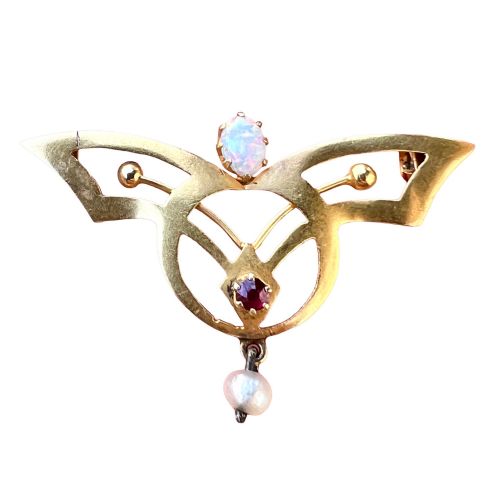
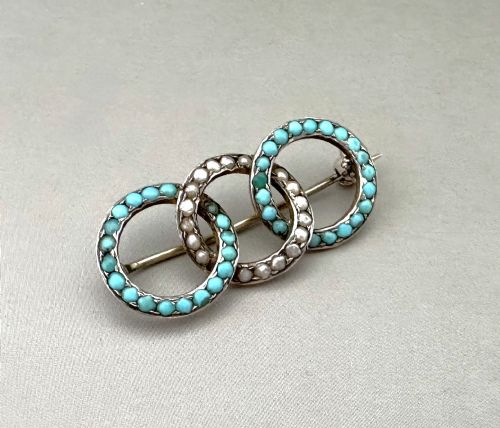
Pearls were secured individually by hand, sometimes augmented by rose-cut diamonds, garnets, turquoise or coloured enamel to create layered contrasts of texture and hue.
Construction techniques include hollow stampings, wirework bars and articulated drops, combining structural durability with lightness of form.
Victorian Pearl Pin Retail Price Guide 2026
Typical asking prices for victorian pearl pin among the pieces listed under this phrase on Sellingantiques today, from the lower quarter to the upper quarter. They describe what is for sale here now, not the wider market.
Dogs and carts appear cast in silver alongside winged beetles and crescent moons, proving Victorian jewellers delighted in miniature wildlife.
What varies in quality
Quality rests on the integrity of the setting and the matching of the pearls, where uniform lustre and secure original pegging separate finer pieces from later repairs.
The delicacy of the metal piercing and the complexity of the design, such as multi-tiered floral clusters or intricate enamel work, distinguish standard production from master craftsmanship.
The preservation of the original box or the survival of delicate elements like plique-à-jour enamel and fine gold wirework elevates the overall standing of a piece.
The Victorian Pearl Pin Glossary
- Seed pearl
- A very small natural or saltwater pearl, typically under two grains, used extensively in clusters and floral motifs during the nineteenth century.
- Bar brooch
- A slender horizontal metal rod mounted with gems or decorative motifs at the centre, designed to fasten fabric.
- Plique-à-jour
- An enamelling technique where enamel is applied without a backing, creating a translucent, stained-glass effect within a gold framework.
- Stick pin
- A long pin topped with a decorative ornament, originally used to secure neckties, scarves or lapels.
- Guilloche
- An intricate mechanical engraving technique applied to metal beneath a transparent layer of enamel.
Victorian Pearl Pin: Frequently Asked Questions
How do I wear a victorian pearl pin safely?
Secure the pin through heavier fabrics like wool or linen rather than delicate silks to prevent the metal stem from pulling individual threads. Ensure the safety catch or C-clasp is properly engaged before wearing.
Store your pins flat in a lined jewellery box away from other pieces to protect the pearls from scratching against harder gemstones.
Were pearls cultured or natural in this period?
Most pearls found in nineteenth-century pieces are natural saltwater or freshwater pearls harvested before the advent of cultured pearl farming in the twentieth century. Their organic origin accounts for minor natural variations in shape and surface lustre.
Examining the drill holes and the gentle shimmer under magnification helps confirm their period authenticity.
What motifs are common in these pins?
Popular motifs include crescent moons representing femininity and change, starbursts signifying guidance, and floral sprays reflecting a Victorian fascination with the language of flowers. Novelty pieces depicting insects, horseshoes and swallows also appear frequently.
Each design carried specific sentimental or symbolic meaning for the original wearer.