




Victorian Parlour Game
A victorian parlour game brings indoor competition to life through tactile woods and boxed sets built for evening entertainment.
Victorian Parlour Game
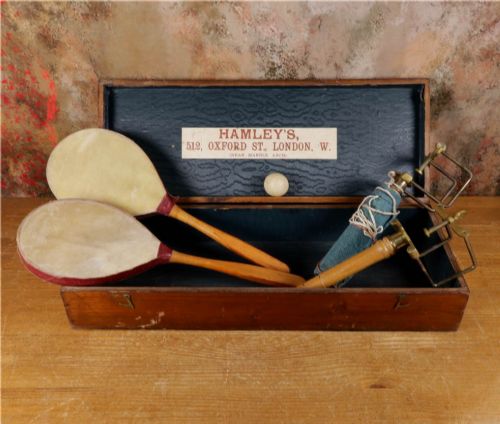
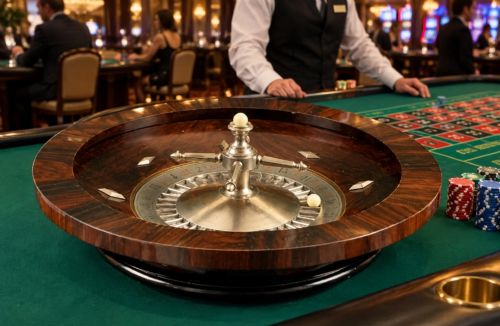
A victorian parlour game encompasses a wide variety of indoor pastimes designed for domestic amusement, ranging from dexterity challenges to tabletop sports. When you search for this phrase, you encounter everything from boxed table tennis sets and miniature roulette wheels to traditional board games and treen toys.
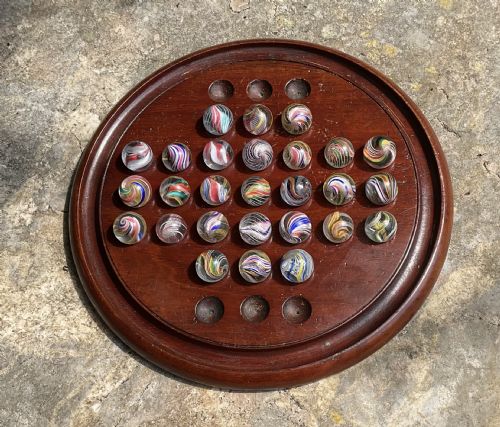
The pieces appearing on this page span the nineteenth century and the early twentieth century, taking the form of solitaire boards, cribbage sets, carpet bowls, and compendiums. These items reflect the social habits of period households where guests gathered around mahogany and rosewood tables for structured play.
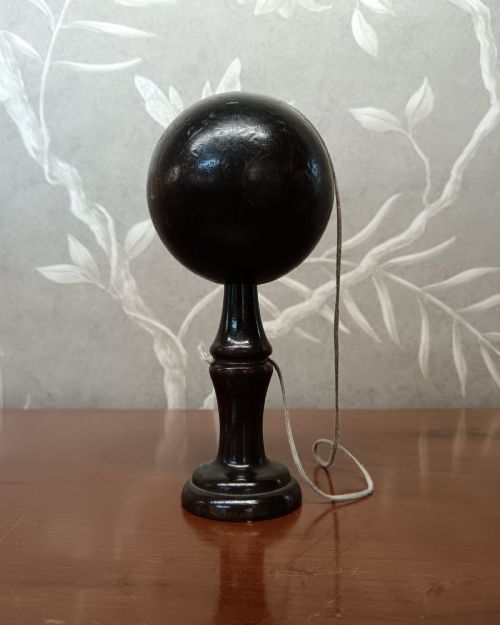
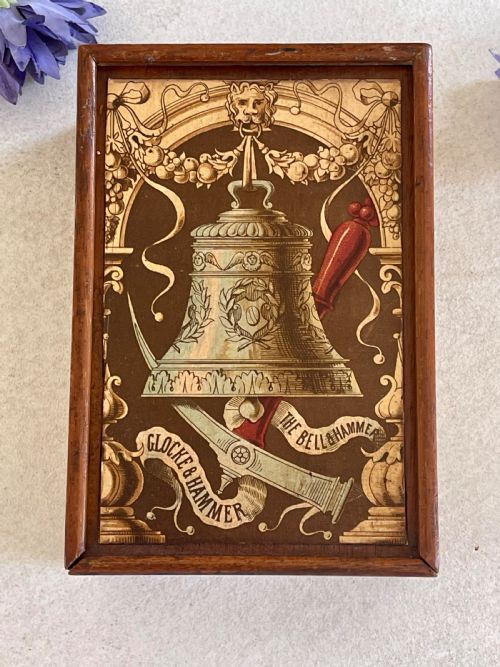
Comprising items in wood, bone, brass, and paper, a victorian parlour game survives in various states of completeness, often retaining original boxes, instructions, or fitted cases. You find specialised equipment like bell and hammer sets alongside tactile bilboquet ball and cup toys and chess boards.
Materials and construction
Makers utilised dense hardwoods such as mahogany, rosewood, oak, laburnum, and ebonised wood to build durable gaming boards, roulette wheels, and storage cases. These timbers often display polished surfaces and fitted compartments designed to secure small playing pieces during transport or storage.
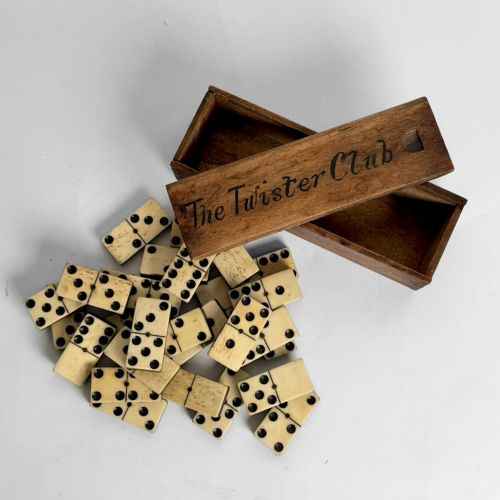
Delicate components frequently incorporate bone, vellum, brass, and paper, seen in miniature dominoes, score markers, instructions, and bats. Turning on a lathe shaped treen objects like bilboquet cups and solitaire boards, creating smooth, symmetrical forms meant for frequent handling.
Victorian Parlour Game Retail Price Guide 2026
Typical asking prices for victorian parlour game among the pieces listed under this phrase on Sellingantiques today, from the lower quarter to the upper quarter. They describe what is for sale here now, not the wider market.
Object forms recorded here include solitaire boards, roulette wheels, carpet bowls, cribbage sets, bagatelle tables, and bilboquet toys.
Factors of quality
The distinction between ordinary and superior examples rests upon the choice of timber and the precision of the turning or joinery. Rosewood and mahogany boxes with dovetail joints and fitted interiors represent a higher standard of craftsmanship than simpler pine or basic wooden constructions.
Completeness and originality dictate the standing of a piece within this category. Sets retaining their original fitted boxes, instructions, complete sets of marbles or bowls, and branded maker details hold greater integrity than assembled or incomplete groupings.
Jaques & Hamleys Gossima·F.H.Ayres Ltd·British Chess Company
The Victorian Parlour Game Glossary
- Treen
- Small wooden objects made by turning or carving, such as cups, bowls, and boxes. These items show the natural grain of the timber.
- Bilboquet
- A traditional ball and cup game requiring hand-eye coordination to catch the ball on a spike or in the cup. This toy relies entirely on manual dexterity.
- Compendium
- A fitted box containing multiple games, such as chess, draughts, and cards, arranged in tiers. These multi-game sets provided varied entertainment in a single case.
- Bagatelle
- A precursor to modern billiards played on a smaller wooden board with cues and balls. Players aim to land balls in numbered cups.
- Solitaire
- A single-player board game played by jumping marbles or pegs over one another to clear the board. Wooden boards with glass or wooden marbles are typical.
Victorian Parlour Game: Frequently Asked Questions
What is a victorian parlour game?
A victorian parlour game is an indoor activity or piece of equipment used for domestic entertainment during the nineteenth century. These range from wooden dexterity toys to comprehensive chess and gaming sets housed in rosewood boxes.
Such items were kept in drawing rooms and parlours to amuse family members and guests during winter evenings and social gatherings. They combine functional play with decorative cabinet-making.
How were games compendiums used?
Games compendiums served as all-in-one entertainment chests holding equipment for multiple pastimes like chess, backgammon, and cards within a single fitted box. Their tiered wooden trays allowed households to transition easily from one game to another.
Guests would gather around the drawing room table while the host unlocked the box to distribute playing pieces, boards, and score markers. These compendiums represented both a social hub and an exercise in fine joinery.
Are these games still playable?
Many surviving pieces remain entirely functional for actual play, provided the set retains its necessary components like marbles, bowls, or counters. Items such as cribbage sets, roulette wheels, and solitaire boards operate just as they did in the nineteenth century.
Care should be taken with delicate paper elements or fragile vintage boxes during handling. Regular use is possible for robust wooden items once missing pieces are accounted for.
How do I identify the period?
Period identification relies on observing the materials, typography on instructions, box construction, and prevailing styles like Edwardian or late Victorian. Rosewood and mahogany cases often point toward mid-century production, while early twentieth-century items introduce boxed table tennis and branded sets.
Examining hinges, latches, and the presence of maker stamps or paper labels provides further clues to dating. Comparing the form to dated archival pieces helps narrow down the decade of manufacture.